Bloomingdale Water Damage Restoration
Water can cross a room before the source becomes obvious. In Bloomingdale, cleanup starts with stopping further entry, finding the full wet area, and choosing which materials need removal or drying.
(888) 621-2041Discuss the water spreading indoors
Look past the puddle at the doorway
A cleanup plan should account for the materials that absorbed water, not simply the size of the visible spill. Clear findings help homeowners understand why an apparently small leak may require access behind cabinets or along adjoining walls.
Choose the cleanup that fits the damage
A failed supply connection needs a different response from outside floodwater. Explore water extraction and structural drying to understand how the source, hidden moisture, and damaged finishes affect cleanup decisions.
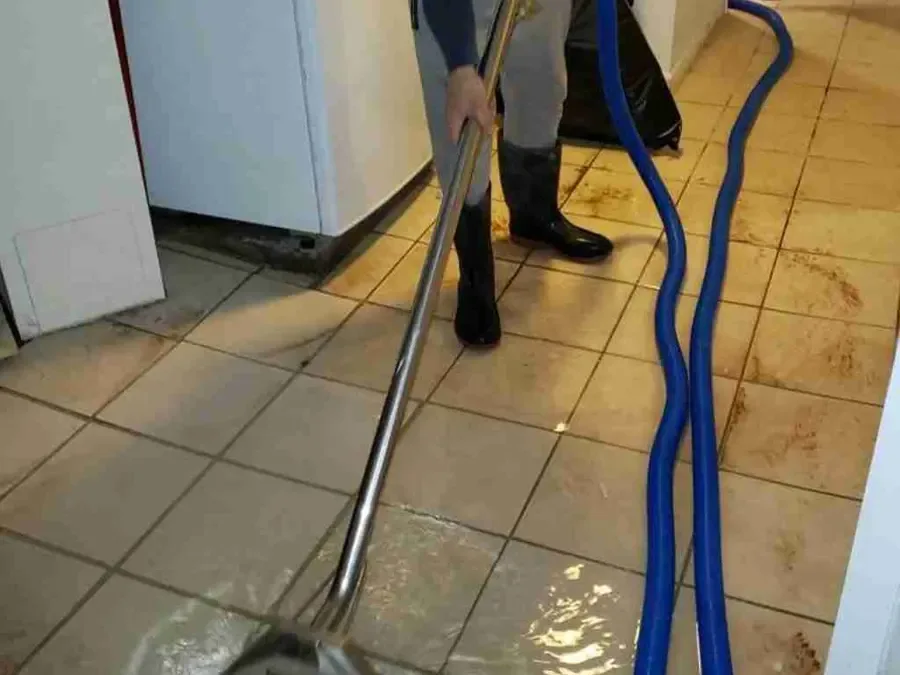
Water Extraction and Removal
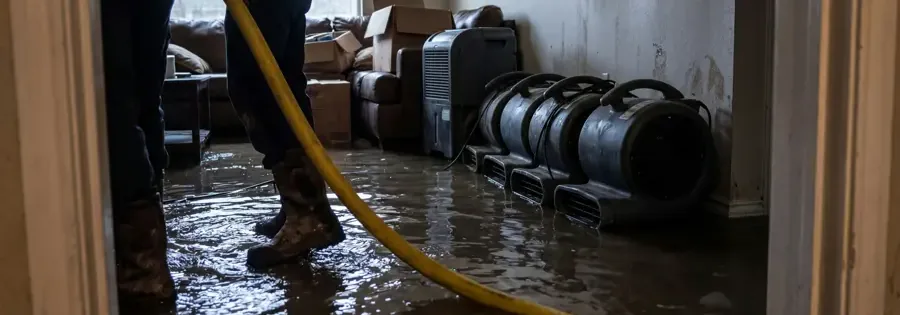
Pooled water is removed before crews assess the damp materials around each room's edges.
Explore this water service ›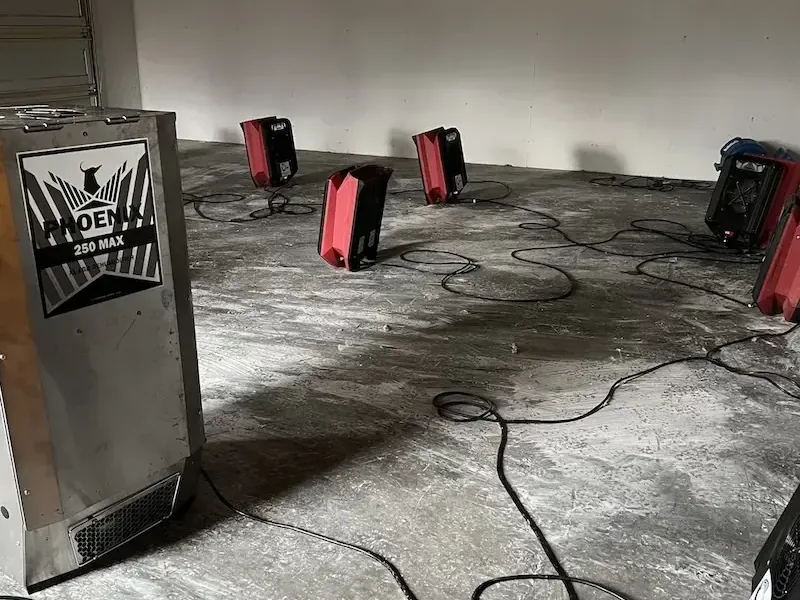
Slab Leak Water Damage
Floor moisture receives careful investigation when a concealed supply leak reaches the interior finishes.
Explore this water service ›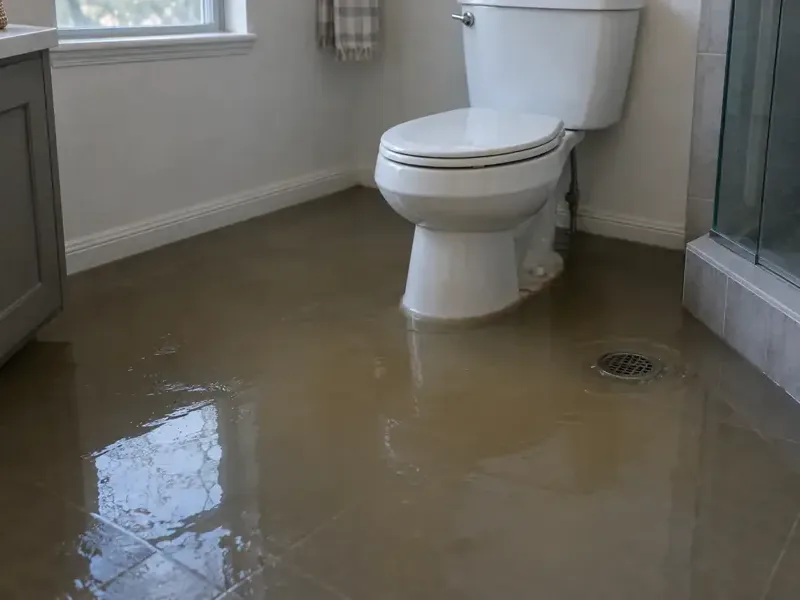
Sewage Backup Cleanup
Contaminated bathroom spills require restricted access, controlled removal, and cleaning before drying can proceed.
Explore this water service ›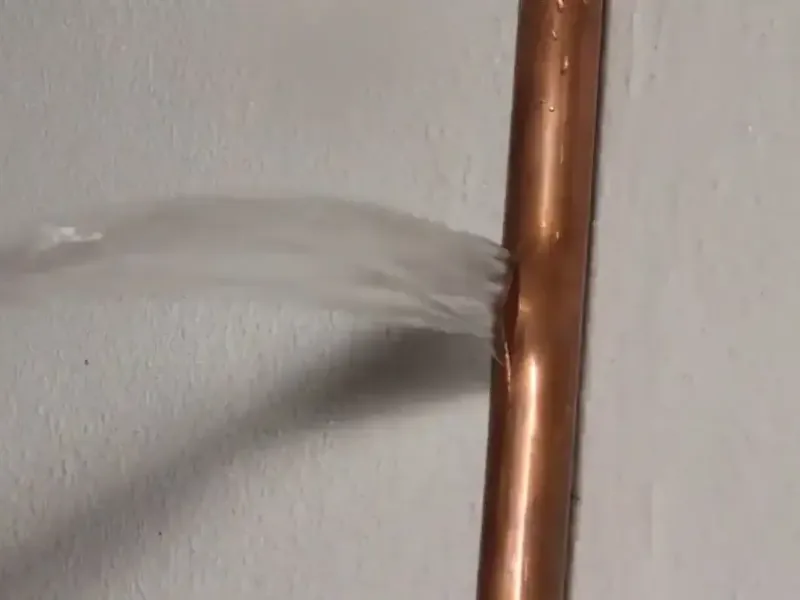
Burst Pipe Water Damage
A broken supply pipe can soak wall cavities beyond the first visible wet patch.
Explore this water service ›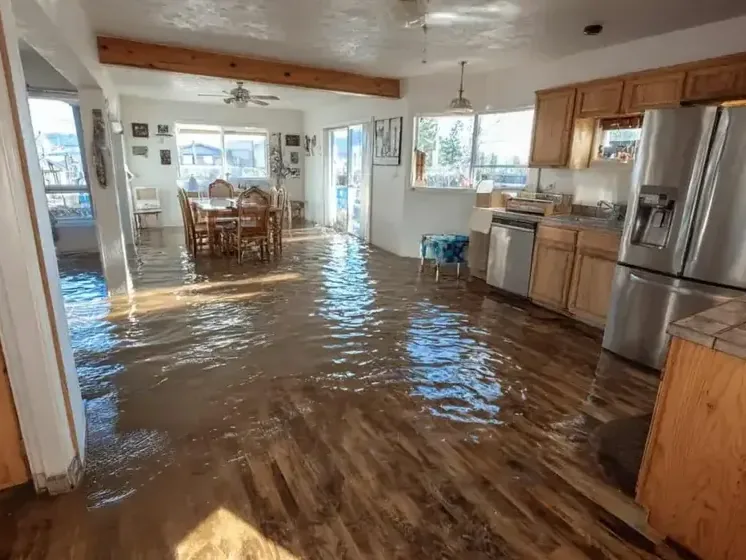
Storm and Flood Cleanup
Outside water leaves debris and contamination that change both the removal and drying approach.
Explore this water service ›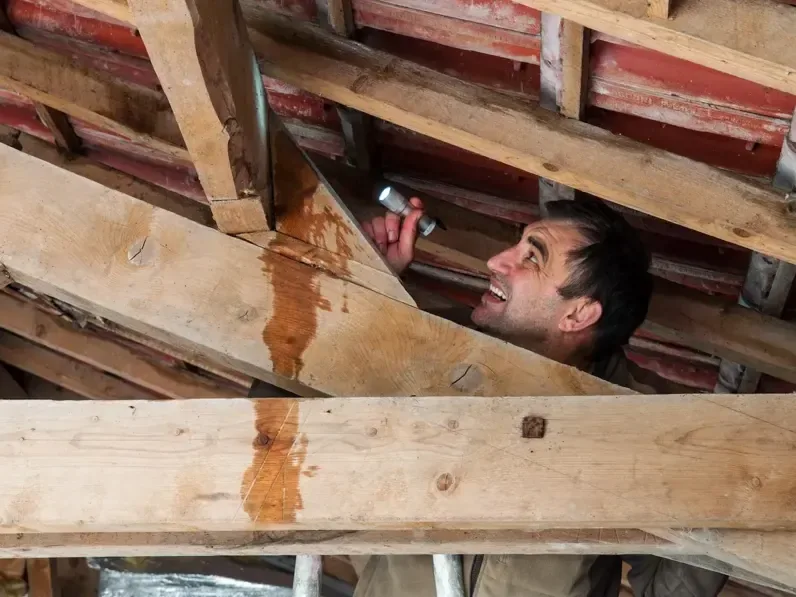
Roof Leak Water Damage
Rain entering overhead calls for attention to attic materials as well as the ceiling.
Explore this water service ›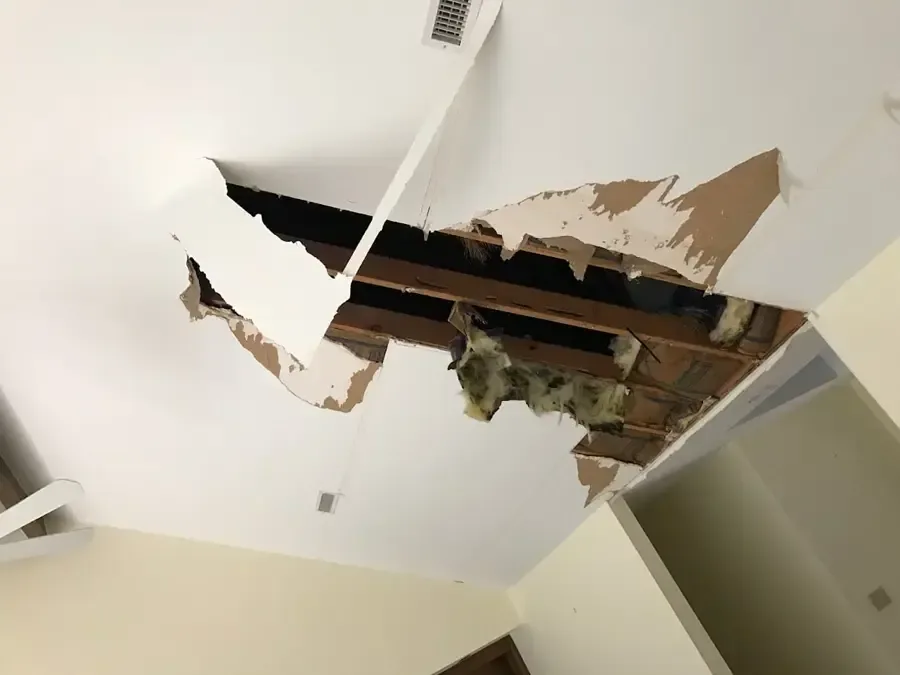
Ceiling Leak Water Damage
Wet ceiling panels need a stability assessment before anyone works beneath the damaged area.
Explore this water service ›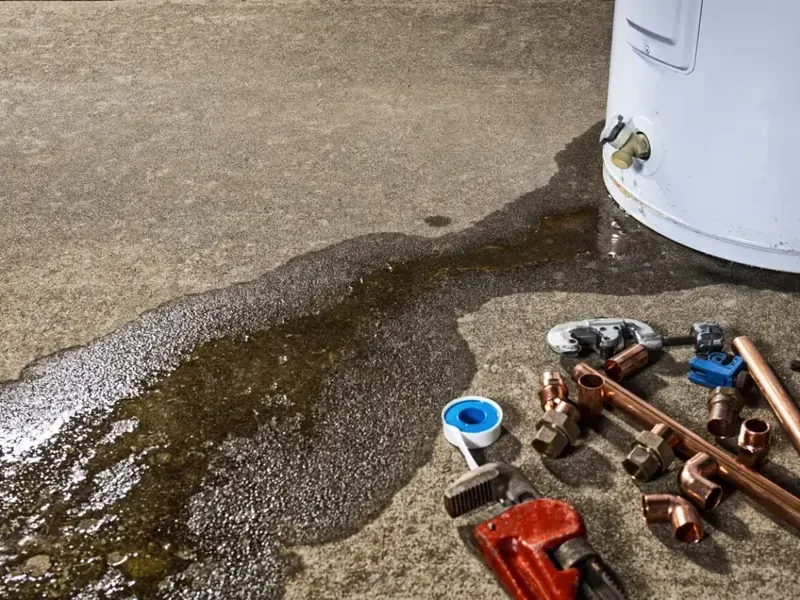
Water Heater Leak Cleanup
Tank spills can reach adjoining rooms even when most water remains around the heater.
Explore this water service ›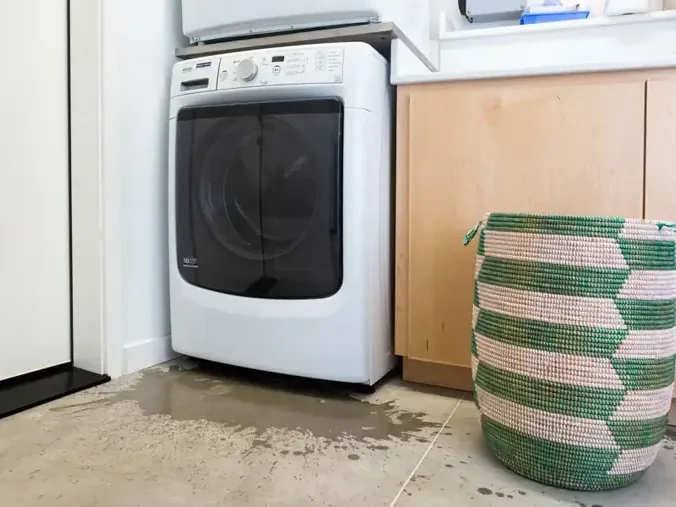
Appliance Leak Water Damage
Hidden cabinet bases and floor seams deserve inspection after a washer or dishwasher leaks.
Explore this water service ›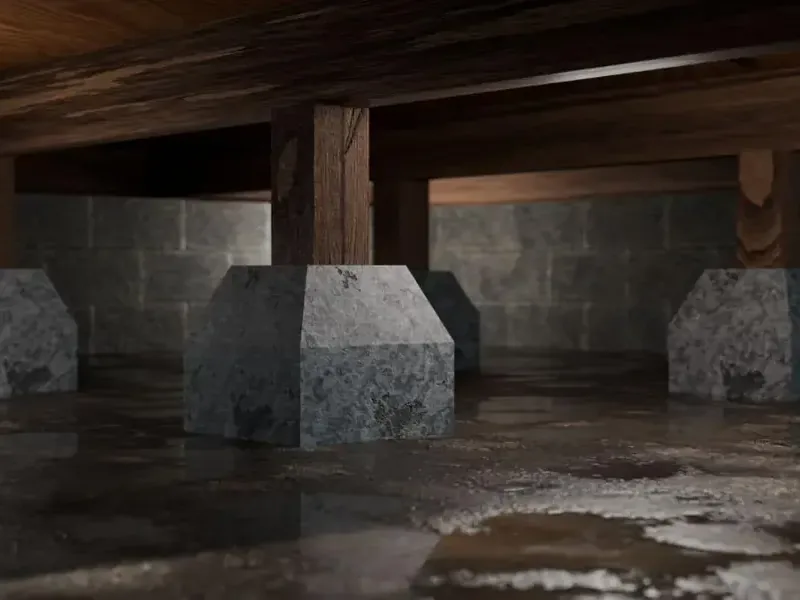
Crawl Space Water Removal
Accessible underfloor spaces require a safe entry decision before pumping or insulation removal starts.
Explore this water service ›
Structural Drying and Dehumidification
Moisture readings show whether walls, framing, and floor layers are progressing toward drying targets.
Explore this water service ›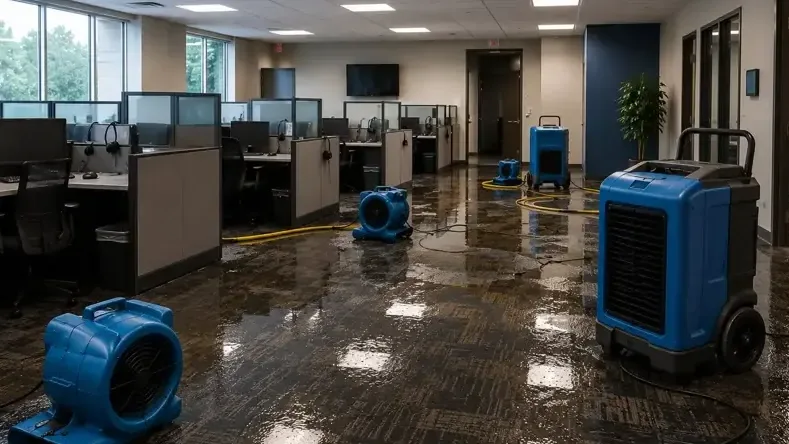
Commercial Water Damage
Business cleanup plans separate damaged spaces from customer access and the equipment supporting operations.
Explore this water service ›Keep the first decisions simple and safe
- 1
Keep clear of hazards
A sagging ceiling, submerged outlet, or contaminated puddle makes access unsafe. Keep people and pets outside the affected room.
- 2
Isolate an accessible supply
A reachable shutoff can limit an indoor plumbing release. Avoid crossing standing water or disturbing damaged equipment to reach it.
- 3
Capture the original condition
Photograph the water path and affected belongings from a safe position. Save the images before moving furniture or discarding materials.
- 4
Protect a dry route
Choose an unaffected entrance for people carrying equipment. Leave wet electrical items in place until their safety has been assessed.
- 5
Describe the changing damage
Explain whether water still enters, which rooms connect, and whether an upper floor is involved. Those details shape the initial assessment.
How the water damage dry-out progresses
Establish the wet boundary
The assessment follows water into adjacent spaces and identifies electrical, structural, or contamination concerns that affect where workers can safely begin.
Remove water and obstructions
Extraction addresses pooled water. Damaged finishes that prevent access receive a separate removal decision, with the reason explained before the work expands.
Set equipment around materials
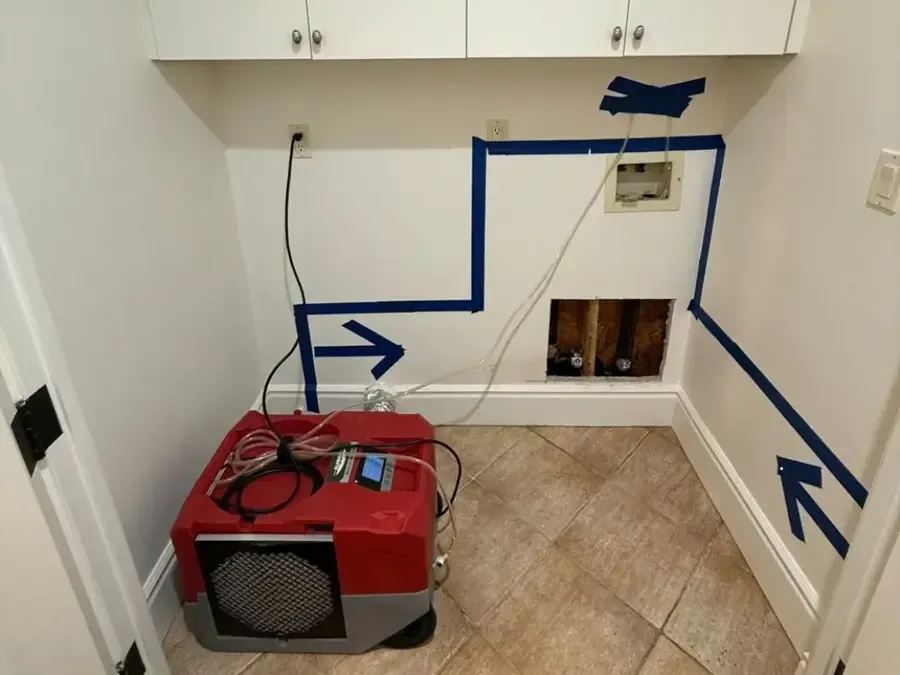
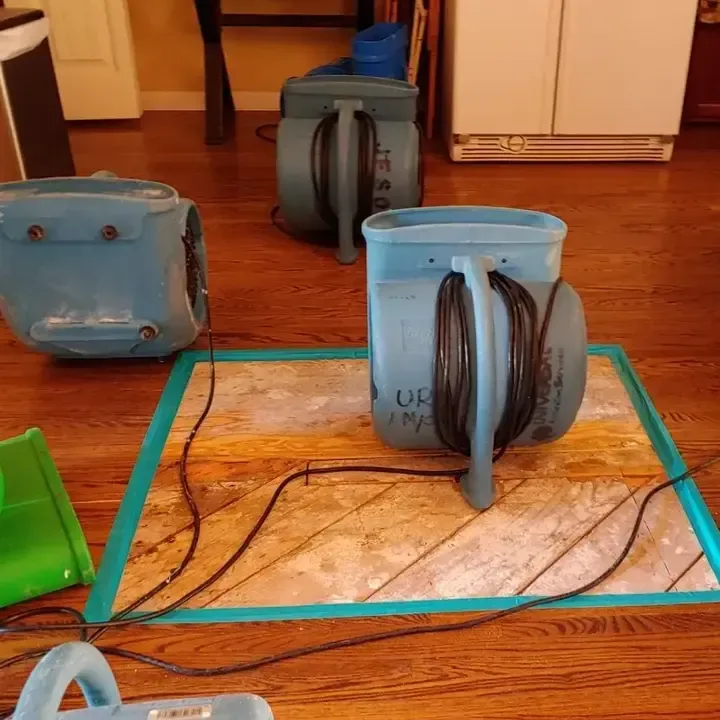
Air movement and dehumidification are arranged for the exposed wet surfaces. Closed cavities may need controlled access rather than stronger airflow outside them.
Confirm readiness for repairs
Final readings and remaining damage are documented together. The record distinguishes a dry assembly from a finish that still needs replacement or repair.
Bloomingdale homes across established residential corridors
Mailing names can differ from community names
Bloomingdale is an unincorporated community in Hillsborough County. Its postal areas include Brandon and Valrico mailing identities, so the property location matters when arranging an assessment.
Describe the entrance, affected rooms, and any access restrictions when requesting cleanup. Safe equipment access helps the assessment begin with the right areas.
Bloomingdale, FL · [email protected]
(888) 621-2041Arrange an assessment of wet areasResidential areas and access roads
Postal areas
Nearby service pages
Water damage can involve more than flooring
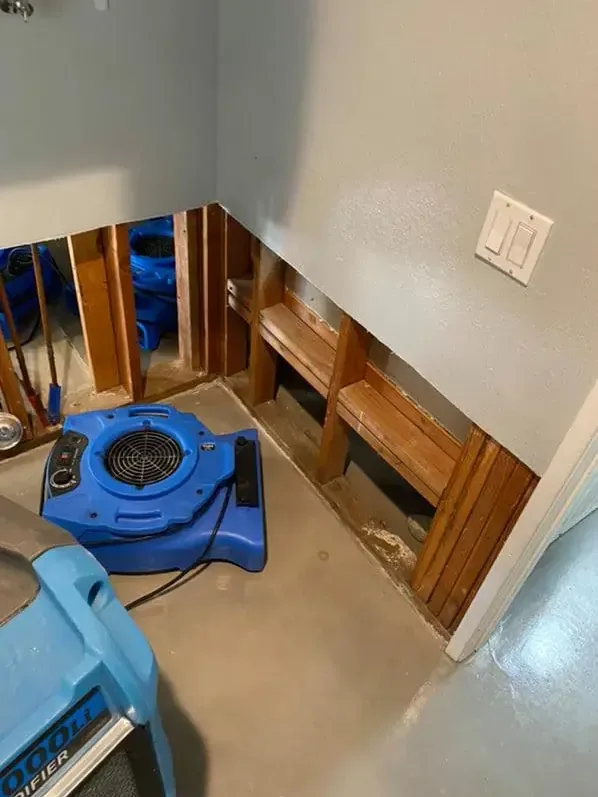
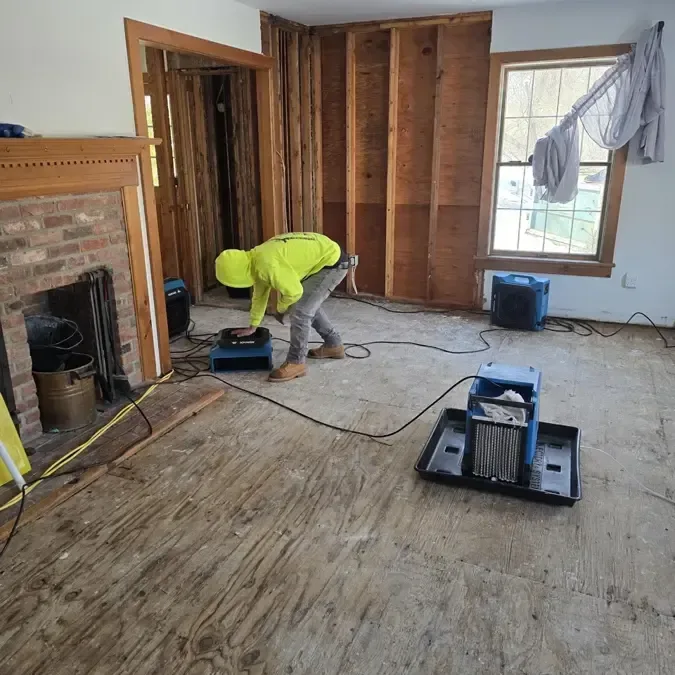
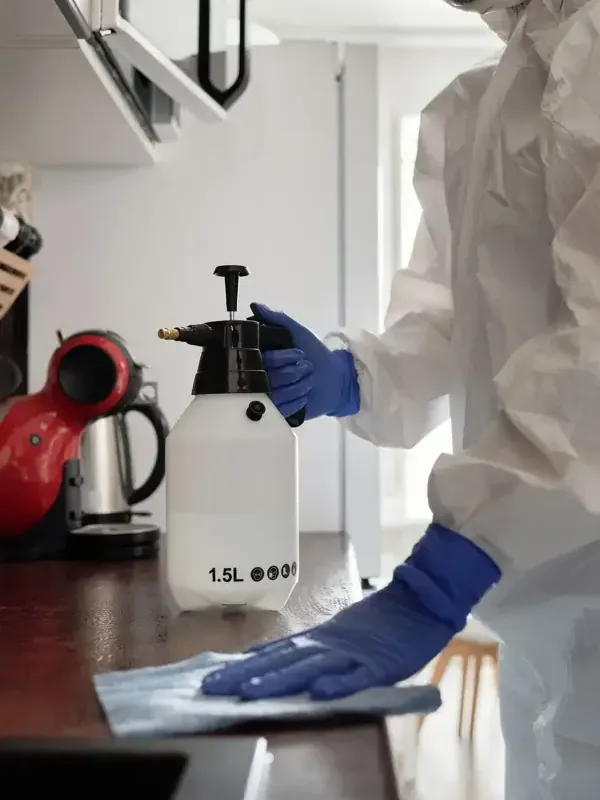
Keep source control and drying connected
Water removal makes space for inspection, while moisture tracking determines what happens afterward. Each stage should leave a clear record so repair work begins with the condition of the underlying materials understood.
Trace the pathway
Following wet edges through thresholds helps distinguish the source room from rooms receiving water beneath their finishes, even when those surfaces look nearly dry.
Explain removal choices
A written scope identifies what can remain, what needs access for drying, and which damaged materials require disposal before reconstruction can begin.
Track changing readings
Measurements from consistent locations make progress understandable and help show when equipment placement needs adjustment instead of relying on appearance alone.
Separate repair decisions
Plumbing correction, interior drying, and finish replacement are different tasks. Identifying their boundaries makes the next appointment and the associated estimate easier to understand.
What can water cleanup cost in Bloomingdale?
Bloomingdale cleanup estimates depend on water condition, affected materials, access, and the extent of hidden moisture. The ranges below provide a starting point for comparing scopes; a property inspection establishes the work included and any separate repairs.
Contained interior spill
$500 to $2,000
- Accessible wet area
- Limited finish involvement
- Initial moisture checks
Connected room damage
$2,000 to $6,000
- Several wet surfaces
- Cavity access decisions
- Drying equipment placement
Extensive water entry
$6,000 to $12,000+
- Broad removal needs
- Contamination handling
- Complex drying access
Request a scope that distinguishes cleanup from the source repair and reconstruction. Changes should identify the additional wet materials and explain why the original plan needs adjustment.
Different sources change the cleanup requirements
Supply water release
A broken pipe starts with a plumbing problem, but water can pick up contamination as it crosses building materials. The affected environment still needs assessment.
Examine pipe damageAppliance discharge
The appliance and the stage of its cycle help explain what entered the room. Cabinet recesses and attached hoses also influence the inspection and cleanup.
Inspect appliance spreadDrain contamination
Sewage requires separation from occupied areas. Absorbent materials contacted by dirty water need a removal decision before cleaning and equipment placement can address the remaining structure.
Understand backup cleanupDocument the loss as it changes
An insurer needs a clear account of the event and the resulting work. Photos, moisture records, and itemized estimates help connect the original damage to cleanup decisions made at the property.
- Wide photographs showing the affected room and doorway
- Closer images of wet finishes and damaged belongings
- Notes identifying when the leak was first noticed
- Invoices separating source repair from interior cleanup
- Progress records showing removed materials and drying measurements
When paying directly
A homeowner paying directly can request the same written scope and progress records. Clear boundaries make it easier to prioritize urgent removal while scheduling finish repairs separately.
Compare what each estimate includes, especially moisture checks, disposal, equipment monitoring, and final documentation. A low initial figure may describe a smaller scope of work.
Assess the building and its water path
The Alafia River forms the community's southern boundary, while residential layouts range from single story to two story. Cleanup decisions depend on the specific entry point and wet assemblies at each property.
River boundary context: Bell Shoals is a set of rapids on the Alafia River. The county's flood viewers support property planning alongside an inspection of the actual water entry.
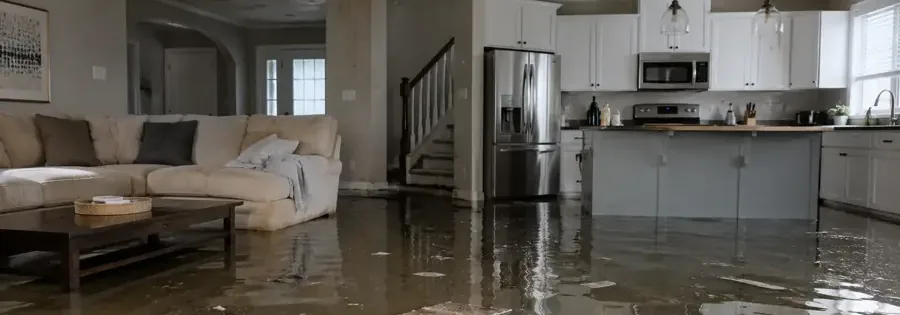
Water beneath connected finishes
A leak in a home along Natures Way Boulevard can require checks beyond the source room when flooring continues through an adjoining doorway.
Moisture above occupied rooms
Two story layouts make the room above a stained ceiling important. Plumbing fixtures, appliances, and the water path each need a separate look.
Older shaded residential lots
Mature oak canopy is part of older residential sections. After rain entry, interior assessment follows the wet roof assembly rather than the visible ceiling stain alone.
Exterior work at The Links
The Links HOA requires an alteration application for exterior changes. Homeowners should distinguish that association process from county approval needed for applicable construction work.
Street water reporting
Hillsborough County separates street flooding related to main pipe breaks from other flooding reports. Identifying the observed source helps route the report correctly.
Questions before water cleanup begins
Does a dry floor mean the cleanup is finished?
A surface can feel dry while moisture remains beneath a floor covering or inside a wall. The inspection should include those adjoining materials, with readings used to assess progress. Finish replacement belongs after the affected assemblies have reached their drying targets and the source has been addressed.
Which service fits a leak with an unknown source?
Begin by describing the visible damage rather than selecting a repair method. Water on a floor may have traveled from a ceiling, appliance, supply pipe, or exterior opening. An assessment can separate source investigation from the extraction and drying needed in the rooms already affected.
Can furniture stay in the affected room?
That depends on the water condition, furniture materials, and access needed for equipment. Some items can be moved to a dry area; others need isolation or a damage assessment. Photographs should capture their condition before movement, and heavy pieces should not be dragged across softened flooring.
Who handles a sewer emergency involving property damage?
Hillsborough County directs water main and sewer backup emergencies involving property damage to Water Resources. A report to the county addresses that concern, while indoor cleanup deals with contaminated rooms and materials. People should stay out of the affected area and avoid using fixtures that feed the backup.
Are all properties in the same flood zone?
Flood planning should use the property's location. Hillsborough County provides the FEMA Effective Flood Zone Viewer and a Floodplain Viewer containing detailed watershed study information. Those tools can support planning, while an actual cleanup assessment follows the water that entered the building and the materials it contacted.
Can a damaged ceiling simply be painted again?
Painting addresses a finish, not trapped moisture or a continuing leak. A wet ceiling needs inspection for softened panels, insulation involvement, and the route from the source. Once the cause is corrected and drying is verified, the remaining damage determines whether patching or replacement belongs in the repair scope.
What information helps when requesting an estimate?
Useful details include whether water is still entering, which rooms share the wet area, and whether sewage or outside floodwater is involved. Mention restricted doors, stairs, and fragile finishes. Photos from a safe position can help explain the loss before an on site assessment establishes the full scope.
Will construction repairs require county approval?
Most construction in Hillsborough County requires approval and permits through Building Services. The county treats floor coverings as cosmetic work typically exempt from permits, but plumbing or structural repair requires its own assessment. HillsGovHub allows homeowners to search records and check permit status for the property.
Does an insurance policy cover every water problem?
Coverage depends on the policy and the circumstances of the loss. The insurer makes that determination. A useful cleanup record describes the observed source, affected materials, emergency work, and drying progress. Homeowners can request a written explanation of coverage while keeping receipts and photographs together for consideration.
Give the wet rooms a clear next step
Discuss the source and affected materials so the cleanup assessment can follow the water through the building.
(888) 621-2041Talk through the interior water damage