Bloomingdale Water Heater Leak Cleanup
Water beside a heater may already be beneath the neighboring wall. Bloomingdale heater leak cleanup examines the equipment area, adjoining finishes, and the path into occupied rooms while the failed source is addressed.
(888) 621-2041Discuss water around the heater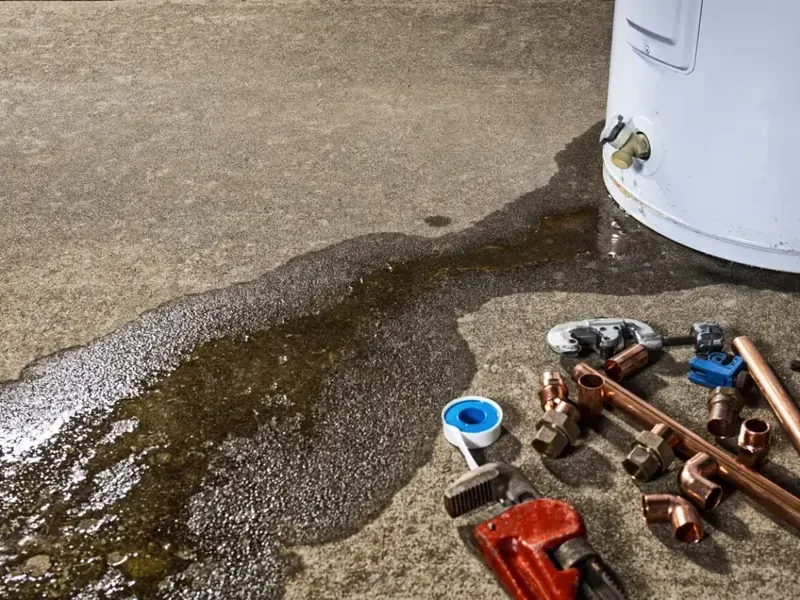
The puddle around a water heater often draws attention before the adjoining room does. Bloomingdale heater leak cleanup should inspect both. A wet equipment base can be close to wallboard, stored belongings, or a doorway, and water may enter those materials before a homeowner notices damage outside the immediate tank area.
First steps for water heater leak cleanup
- Describe the equipment location. Explain whether the heater occupies a garage, closet, or other enclosure. Identify doors and shared walls that connect the spill to finished living areas.
- Keep away from wet controls. Avoid touching equipment components while standing in water. A service trade should establish the source condition and safe isolation before unfamiliar controls are operated.
- Photograph the surrounding materials. Record wet wall bases, stored belongings, and doorway spread from a safe position. Include the area beyond the tank where water may have collected.
- Coordinate the access route. Tell the cleanup crew about equipment service or replacement plans. The drying setup should allow the source work to proceed without spreading water into unaffected rooms.
How water heater leak cleanup works
Assess the heater enclosure
The assessment records source status and adjoining materials. Safe access is established before extraction or inspection proceeds around equipment and wet service connections.
Remove water and assess nearby layers
Accessible water is collected, then wall bases and floor edges are checked. Stored belongings and fixed finishes receive separate decisions based on their contact and condition.
Use service access for effective drying
Any opening created during heater work is considered alongside the moisture map. The plan identifies further access needed to reach wet surfaces without obstructing the equipment repair.
Document the enclosure before restoration
Readings show the condition of retained materials after drying. The final record separates completed equipment work from damaged trim, wallboard, and flooring still requiring repair or replacement.
Separate equipment service from water cleanup
A qualified service trade should assess the heater and its connections, including safe isolation where needed. Cleanup handles the released water and affected building materials. Coordinating those tasks matters because moving or replacing equipment can change access to a wet wall, floor recess, or area hidden behind the tank.
At a home around Culbreath Avenue, the first description should explain where the heater sits and what shares its enclosure. A garage installation and an interior closet have different paths to neighboring finishes, so the equipment location should be established before the scope is written.
- Inspect the base of walls separating the heater area from an adjoining occupied room.
- Check stored boxes and other absorbent belongings that contacted water near the tank.
- Record water movement through a doorway before extraction removes the visible trail.
- Coordinate access behind equipment with the trade handling the source repair or replacement.
Look beneath the apparent edge of the spill
Erindale Oaks and residential areas along Bell Shoals Road are part of the local setting, with varied home layouts across the community. The actual threshold, wall base, and floor layers determine how far the inspection needs to extend. The tank's footprint alone should not set the cleanup boundary.
Once standing water is removed, moisture checks can focus on materials that remain damp. Trim or a floor covering may conceal water along an edge. Any proposed opening should explain which retained material needs access and how the inspection will determine whether drying or removal is appropriate.
Water Heater Leak Cleanup help
A heater spill can reach the room behind its enclosure wall. Describe the equipment location and visible spread so the assessment includes the surrounding finishes as well as the tank area.
Protect access while the tank is serviced
Equipment replacement can require room to move the old unit and connect the new one. The cleanup plan should keep that route usable while protecting dry areas. Where the release soaked connected flooring, water extraction can address the larger spill before targeted drying begins.
Avoid wet equipment controls
Water around a heater may involve electrical or other equipment hazards. Do not reach across the spill to operate unfamiliar controls or disconnect components. Describe the active leak and access conditions, and leave source isolation to the appropriate trade when a safe approach is unclear.
Finish with the surroundings, not only the tank
A working replacement heater restores equipment function, while the surrounding materials may still need drying and repair. The completion record should show moisture results, removed finishes, and any remaining wall or floor damage. Those details establish when the area is ready for closure and normal storage again.
What does water heater leak cleanup cost in Bloomingdale, FL?
Water heater cleanup in Bloomingdale has planning ranges from $600 to $4,000. The enclosure, adjoining rooms, retained moisture, and equipment access affect the interior work. Heater repair or replacement should be distinguished from extraction, drying, and finish restoration.
Contained enclosure spill
$600 to $1,400
- Accessible tank surroundings
- Localized water collection
- Nearby material checks
Adjoining room wetness
$1,400 to $2,700
- Doorway moisture tracing
- Shared wall inspection
- Expanded drying area
Wider tank-water damage
$2,700 to $4,000
- Multiple wet finishes
- Additional access decisions
- Broader equipment coordination
The water damage cost calculator gives an estimate only. The inspection determines the scope, including water category, affected area, material class and drying delay.
Measured care for water heater leak cleanup
Rapid local response
The response team treats spreading water as urgent and gathers the source, room count and safe access details. Dispatch operates 24/7; conditions and availability determine the response.
IICRC S500 drying standard
The drying crew compares affected assemblies with dry reference materials, adjusts equipment to the evaporation load, and records progress. A dry-looking surface alone does not complete the work.
Claim-ready documentation
The technician links photographs to the moisture map and records material removal, equipment placement and drying readings. That record explains the restoration scope without promising an insurer's decision.
Local water experts
A property inspection distinguishes rain entry, an internal supply leak and contaminated outside water. The restoration plan follows the actual source and materials, with access and safety assessed separately.
Water heater leak cleanup in Bloomingdale
Heater cleanup is assessed for individual home layouts around Culbreath Avenue, Erindale Oaks, and Bell Shoals Road. Explain the tank location, any nearby doorway, and whether water has entered a closet or living area beyond the equipment enclosure.
The same service nearby: water heater leak cleanup in Lithia, Fish Hawk, Valrico.
Water damage restoration in Bloomingdale · every town covered
Related water damage services in Bloomingdale

Water Extraction and Removal in Bloomingdale
Standing water removal reaches flooring edges and adjoining rooms.
View service details ›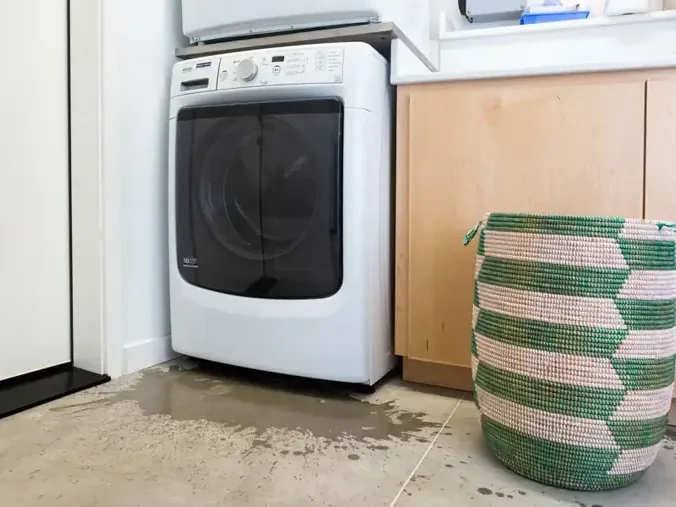
Appliance Leak Water Damage in Bloomingdale
Hidden moisture beneath appliances calls for careful access.
View service details ›
Structural Drying and Dehumidification in Bloomingdale
Material readings guide airflow, humidity control and drying completion.
View service details ›Water Heater Leak Cleanup questions in Bloomingdale, FL
Does heater replacement include drying the surrounding room?
Replacing the heater addresses the equipment, while cleanup deals with water already released into the building. The service estimate should state whether extraction, wall inspection, or drying is included. Wet trim, floor layers, and adjoining rooms may need separate work. Coordinating the tasks helps the new equipment return to service without leaving damp materials hidden around its installation area.
What should be checked beyond the puddle at the tank?
The inspection should follow the water toward walls, thresholds, floor seams, and stored belongings. A nearby closet or room may receive water beneath a finish before visible staining develops. The layout determines those checks. Photographs and readings should establish the affected boundary, with added work tied to the materials found wet rather than simply the size of the heater.
Can stored boxes remain beside the drying equipment?
Wet boxes and their contents need assessment, and even dry storage may block access to affected wall or floor surfaces. The cleanup plan should identify what can be moved safely, what needs separate handling, and where it can be placed. Keeping the area accessible supports moisture checks and equipment service without carrying dripping or damaged items into unaffected living spaces.
Should the homeowner disconnect a leaking heater immediately?
Source control matters, but the safe method depends on the equipment and surrounding conditions. Wet controls, standing water, or unfamiliar connections are reasons to keep clear and arrange appropriate service. The initial report should describe whether the leak is active and where the water has spread. A service trade can establish isolation while cleanup planning addresses the affected interior materials.
Why inspect the other side of the enclosure wall?
Water can enter the base of a partition and affect finishes in the neighboring room. The side facing the heater may look accessible while moisture remains behind trim or beneath flooring opposite it. Checking both sides helps define the drying area and determine whether access is needed. The enclosure boundary is a room division, not necessarily the limit of water movement.
When can the repaired area be closed and used for storage?
Closure and normal storage should follow assessment of the retained materials and completion of the needed drying. Items placed against damp walls can block access and conceal changing conditions. The final record should identify moisture results and any damaged finishes awaiting repair. Equipment function and room readiness are separate parts of the handoff, and both should be explained.
What should an itemized heater cleanup proposal show?
The proposal should identify the affected enclosure, adjoining room checks, water removal, material access, and drying monitoring. It should also state how equipment service will be coordinated and whether finish repair is included. Any expansion after the tank is moved should reference newly visible damage. That detail makes the cleanup scope understandable alongside a separate heater repair or replacement invoice.
Dry the area around the repaired heater
Coordinate water removal, access for service, and moisture checks before the enclosure is closed again.
(888) 621-2041Arrange heater area moisture checks