Commercial Water Damage in Lithia, FL
A business water loss affects access, contents and several building systems at once. The restoration team defines wet zones, coordinates authorized entry and documents extraction and drying room by room.
(888) 621-2041Discuss the wet business spaces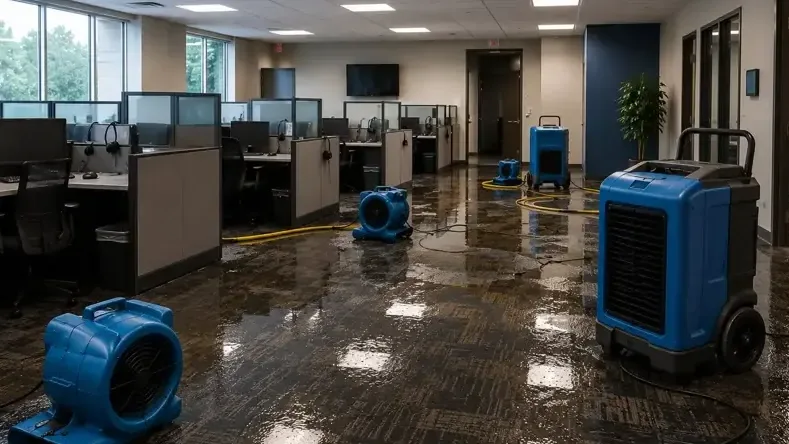
A wet business needs more than a count of affected floor area. The inspection considers electrical equipment, stock, shared walls, occupied routes and who can authorize access. The restoration team records the wet boundary and agrees a work sequence with the responsible property contact. Continued operation depends on actual safety and conditions, not a blanket promise.
First steps for commercial water damage
- Identify the responsible contact. Management establishes who can authorize access, contents movement and restoration scope so the initial response does not conflict with tenant or ownership responsibilities.
- Restrict the wet zone. Employees and visitors use safe routes away from wet electrical equipment, unstable finishes and contaminated areas while conditions receive professional assessment.
- Preserve room records. The authorized contact photographs affected stock, equipment and finishes before movement when safe, keeping room names consistent across the documentation.
- Describe operating constraints. The caller identifies essential access, sensitive contents and any shared spaces so the team can assess a practical work sequence without promising uninterrupted use.
How commercial water damage works
Survey with management
The inspector and authorized contact define affected rooms, access limits and source-repair needs, recording uncertain areas rather than assuming the first walkthrough covers everything.
Control water and materials
The crew extracts liquid, assesses contamination and removes unsalvageable finishes, coordinating disposal and contents staging with the agreed clean routes through the building.
Monitor each drying zone
The specialist places equipment according to wet assemblies and safe access, then logs repeated material readings and indoor conditions for each defined work area.
Deliver a phased record
The team identifies completed drying areas and remaining repair requirements, supporting management decisions with measurements while leaving occupancy and insurance questions to the appropriate assessment.
A commercial scope separates wet and usable areas
The technician identifies each affected room and the route water followed between spaces. Along Lithia Pinecrest Road and around Rose Street, a building near the Alafia River Corridor still needs a direct source assessment. The inspector distinguishes plumbing, roof entry and outside water from observations at the business rather than from general flood history.
- The authorized contact identifies occupied areas, sensitive contents and restrictions on equipment access.
- The inspector checks shared partitions and adjoining suites when water may have crossed a boundary.
- The crew plans clean travel paths for workers, extraction hoses and removed material.
- The team documents areas that remain inaccessible so the initial scope does not imply a complete survey.
A clear authorization record helps coordinate tenants, management and the separate trades addressing the source.
Extraction and removal follow business materials
Commercial floor coverings, partition bases and built-in fixtures can hide retained water. The crew evaluates contamination and material condition before deciding what can dry in place. Water beneath a cabinet or inside an adjoining wall requires attention even if the main aisle looks dry. Equipment placement should preserve safe exits and prevent exposure to the work zone.
The team discusses contents staging with the authorized contact before moving stock or equipment. Sensitive items may need a separate specialist. The restoration scope should not promise that every business asset can remain on site or that all rooms can stay occupied during work.
Commercial Water Damage help
A wet business needs clear room boundaries and an authorized work contact. Describe affected spaces, access limits and sensitive contents before the restoration assessment begins.
Phased drying needs clear boundaries and measurements
The specialist can divide work into drying zones when the building and safety conditions permit it. Each zone needs its own moisture observations, equipment plan and access instructions. A shared hallway or open ceiling can connect spaces that appear separate on a floor plan. The inspector checks those paths before treating a zone as unaffected.
Business access cannot override a wet-area hazard
Employees and visitors stay out of areas with exposed electrical equipment, unstable finishes or untreated contaminated water. Management coordinates a safe route with the restoration team. The safety assessment determines whether an affected room can remain occupied, even when the business needs to reopen.
The county supplies construction permit information and a property flood-zone viewer. The responsible repair professional reviews requirements for the actual commercial work rather than assuming a cleanup scope covers every alteration.
The commercial claim file tracks rooms and work phases
The documentation connects photographs, moisture readings, removal quantities and equipment records to named rooms or zones. The authorized contact can use that sequence to coordinate restoration, source repairs and replacement finishes. The insurer determines property and business-interruption coverage under the policy. The insurer determines reimbursement under the policy. The business contact plans for access restrictions and interruptions while affected areas are restored.
What does commercial water damage cost in Lithia, FL?
Commercial water damage restoration can range from $2,000 to $15,000 or more. Affected floor area, contamination, access hours, specialist contents and hidden assemblies change the scope. Source repairs, rebuilding and business interruption require separate review.
Limited business room
$2,000 to $4,000
- Accessible extraction
- Material inspection
- Small drying zone
Several connected spaces
$4,000 to $8,000
- Coordinated work routes
- Selected removal
- Zone moisture records
Broad commercial loss
$8,000 to $15,000+
- Multiple drying areas
- Management coordination
- Detailed repair handoff
The Lithia water damage cost calculator gives an estimate only. The inspection determines the scope, including water category, affected area, material class and drying delay.
Measured care for commercial water damage
Rapid local response
The response team treats spreading water as urgent and gathers the source, room count and safe access details. Dispatch operates 24/7; conditions and availability determine the response.
IICRC S500 drying standard
The drying crew compares affected assemblies with dry reference materials, adjusts equipment to the evaporation load, and records progress. A dry-looking surface alone does not complete the work.
Claim-ready documentation
The technician links photographs to the moisture map and records material removal, equipment placement and drying readings. That record explains the restoration scope without promising an insurer's decision.
Local water experts
A property inspection distinguishes rain entry, an internal supply leak and contaminated outside water. The restoration plan follows the actual source and materials, with access and safety assessed separately.
Commercial water damage in Lithia
Coverage includes ZIP 33547, the communities along Lithia Pinecrest Road and Rose Street, and properties around the Alafia River Corridor, Chito Branch Reserve and the C.W. Bill Young Reservoir. The restoration team checks the water source and wet materials at each building.
Nearby service areas include Fish Hawk, Bloomingdale, Valrico, Brandon and Riverview.
Related water damage services in Lithia
Water Extraction and Removal
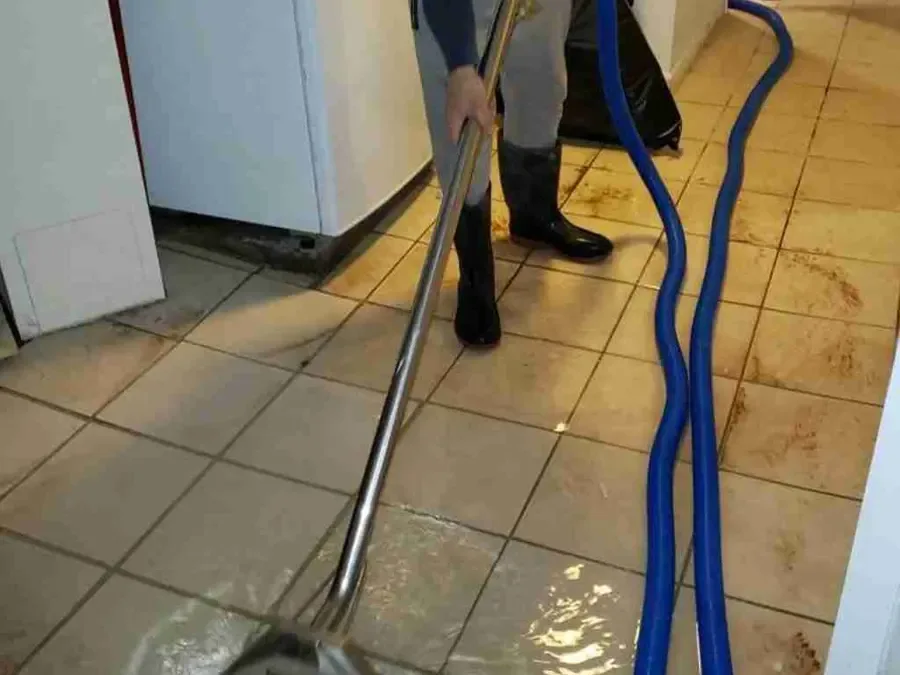
Standing water removal reaches flooring edges and adjoining rooms.
View service details ›
Structural Drying and Dehumidification
Material readings guide airflow, humidity control and drying completion.
View service details ›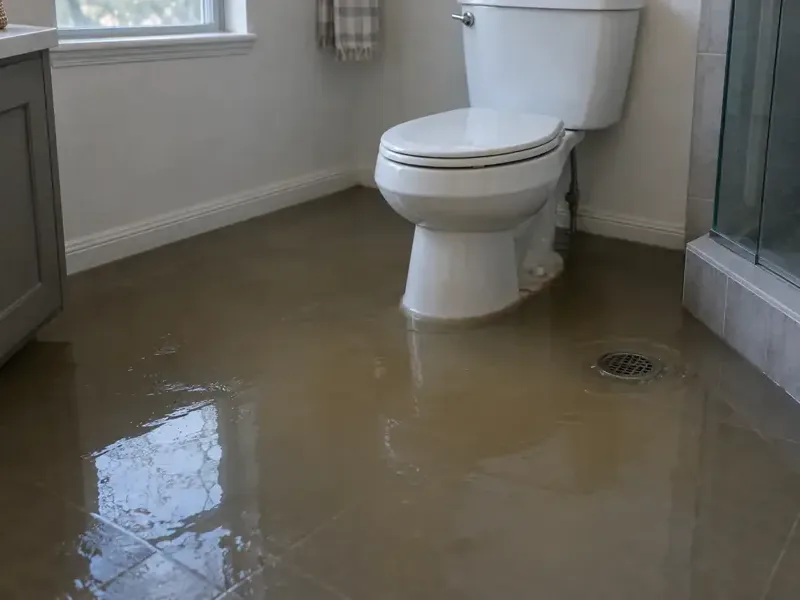
Sewage Backup Cleanup
Contaminated water requires controlled removal and surface cleaning.
View service details ›Commercial Water Damage questions in Lithia, FL
Can the business stay open while drying runs?
That depends on the hazards, work boundaries, exits and activities in the building. The team assesses whether safe separation is practical and discusses the plan with management. Contamination, electrical exposure or unstable materials can prevent occupancy. A phased approach is an option only when the actual conditions support it, not a promise attached to every commercial water loss.
Who should authorize work in a leased space?
The responsible tenant, manager or owner should clarify authority according to the property arrangement. The restoration team needs a clear contact for access, contents movement and scope decisions. Shared walls or building systems may involve additional parties. Establishing those responsibilities early helps avoid conflicting instructions while still documenting urgent water control and the areas needing assessment.
Why check an adjoining suite that looks dry?
Water can move beneath partitions, through a shared ceiling or under continuous floor coverings. The visible surface in another suite may not reveal that retained moisture. The inspector seeks authorized access and records any limitation. A complete moisture boundary follows the actual building paths rather than the lease line or the outline of the first wet room.
How does the crew handle sensitive stock or equipment?
The team discusses the contents with the authorized contact and identifies items requiring separate specialist care. Photographs and room labels help preserve the record before movement. The restoration scope should distinguish building drying from contents work. No general promise applies to the salvage of electronics, records, stock or other assets affected by water or contamination.
Is commercial response available 24/7 in Lithia?
Commercial water-loss requests receive 24/7 attention. The caller should identify an authorized contact, the source if known and any access restrictions. Conditions and equipment needs influence the response arrangement. The team can assess an after-hours request without promising immediate reopening, a fixed arrival time or a drying schedule before inspecting the actual materials.
What does a zone-by-zone drying report contain?
The record links room names to photographs, moisture points, equipment placement and daily conditions. It identifies material removal, achieved goals and remaining areas needing access or repair. This structure helps management coordinate separate trades and communicate the scope. A zone marked dry still needs any relevant source, electrical and finish work completed before normal use resumes.
Does the restoration estimate include lost business income?
The restoration estimate describes extraction, cleanup and drying work. Business-interruption coverage and income calculations depend on the policy and the insurer’s review. Management should keep operational records and ask the insurer what evidence is needed. A contractor can document the physical loss and work sequence but cannot promise reimbursement for closure, reduced sales or every related expense.
Commercial water restoration in Lithia
The crew coordinates extraction and measured drying with the responsible property contact.
(888) 621-2041Arrange business water assessment