Crawl Space Water Removal in Lithia, FL
An accessible crawl space can hide pooled water beneath occupied rooms. The restoration team checks safe entry, the source and affected framing, then plans extraction and drying for the actual underfloor assembly.
(888) 621-2041Discuss the water below the floor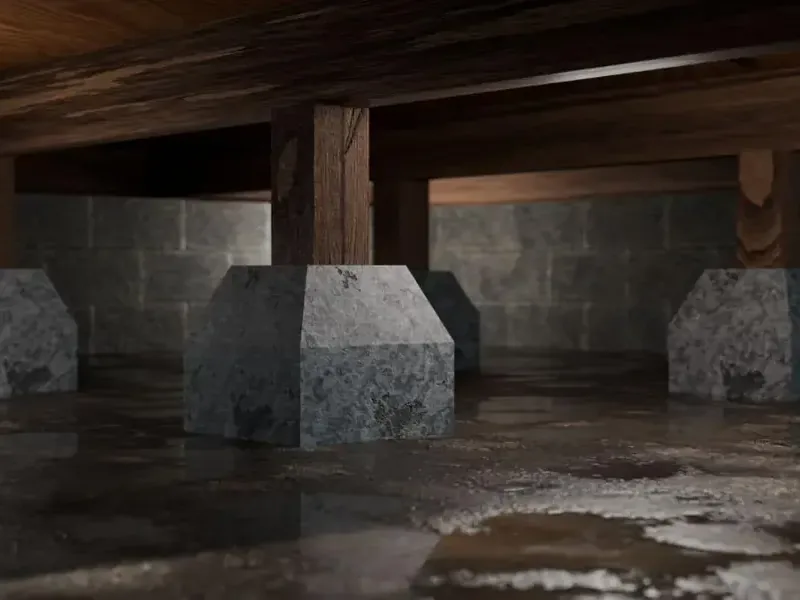
This service applies to a property with an actual crawl space; it does not assume that raised floors are typical throughout the community. The inspection begins at the access opening and evaluates the space before entry. Water beneath the building can wet joists and insulation even when the rooms above have no puddles.
First steps for crawl space water removal
- Stay outside the opening. The household avoids entering pooled underfloor water or reaching into a space with unknown wiring and unstable material.
- Record timing from a safe place. The owner notes whether pooling follows rain or plumbing use without crawling inside to search for the leak.
- Identify the access point. The caller describes the existing hatch and any known clearance limits, allowing the team to assess whether safe inspection is possible.
- Keep source repairs separate. The owner arranges the appropriate plumbing or drainage investigation while the restoration team assesses the water and affected floor assembly.
How crawl space water removal works
Assess underfloor entry
The technician examines the opening, visible hazards and access restrictions, then decides what inspection can safely establish before any equipment enters the space.
Pump and inspect
The crew removes accessible pooled water using an appropriate collection plan and examines wet insulation, contamination and retained framing as conditions permit.
Create a drying plan
The specialist establishes material goals and selects airflow and dehumidification for the available space, avoiding an assumption that outdoor ventilation alone is enough.
Record framing progress
The team tests repeat locations and documents inaccessible areas or outstanding source issues, giving the owner a clear basis for repair and follow-up decisions.
Underfloor water needs its own source investigation
The technician distinguishes a leaking pipe from rain entry or another source of pooled water. The Alafia River, Lithia Pinecrest Road and Rose Street provide local geographic context, but none establishes the cause beneath a particular home. A plumbing repair and a drainage correction are different scopes, and pumping alone does not resolve either source.
- The inspector checks entry clearance, electrical exposure and the stability of the access route.
- The crew evaluates water conditions before selecting pumping, removal and protective equipment.
- The technician inspects insulation and framing where safe access permits direct observation.
- The owner records when pooling appears and whether indoor plumbing use seems related.
Removing pooled water without leaving saturated insulation
The extraction plan considers the available exit route and appropriate disposal of the collected water. Wet insulation can hold moisture against floor framing and may require removal. The crew assesses contamination and material condition before deciding what stays. A bare patch beneath the access hatch does not show the condition across the rest of the floor system.
The team records inaccessible areas instead of pretending that a limited view represents the whole space. Additional access or another professional assessment may be needed before the full moisture boundary is known. Occupants should not crawl through unknown water to obtain photographs or measurements.
Crawl Space Water Removal help
Underfloor water needs a safe access decision before pumping. Describe the existing crawl opening and the timing of pooling without entering an unassessed wet space.
Underfloor drying follows framing measurements
After source control and necessary cleanup, the specialist measures retained wood and establishes suitable drying conditions. Equipment placement must respect limited space and safe power. The specialist measures the effect of ventilation because outdoor conditions can limit moisture removal from the wet assembly. The technician follows repeat readings and adjusts the setup when progress slows.
A crawl opening is not permission to enter
Standing water, limited clearance, damaged wiring and unstable materials can make underfloor entry unsafe. Occupants stay outside an unassessed space. The restoration team evaluates access and protective measures before pumping or disturbing wet insulation beneath the occupied floor.
The county provides property flood-map information and repair permit guidance. An underfloor inspection traces pooled water to its entry point and checks whether the source is still active.
Documenting what happened beneath the building
The report records safe-access limits, observed water conditions, insulation decisions and moisture readings in retained framing. Photographs can help the owner understand damage that is not visible from an occupied room. The owner checks coverage for the actual cause with the insurer. The drying crew documents restoration while separate professionals address permanent plumbing, drainage or structural repairs.
What does crawl space water removal cost in Lithia, FL?
Crawl space water removal and drying often ranges from $1,200 to $6,500. Clearance, water depth, contamination, wet insulation and the area requiring access change the scope. Permanent drainage or structural work can add separate costs.
Accessible pooled area
$1,200 to $2,500
- Limited pumping
- Source observations
- Framing checks
Water and wet insulation
$2,500 to $4,500
- Material assessment
- Controlled removal
- Underfloor drying
Extensive underfloor wetness
$4,500 to $6,500
- Broader access needs
- Additional equipment
- Detailed moisture record
The Lithia water damage cost calculator gives an estimate only. The inspection determines the scope, including water category, affected area, material class and drying delay.
Measured care for crawl space water removal
Rapid local response
The response team treats spreading water as urgent and gathers the source, room count and safe access details. Dispatch operates 24/7; conditions and availability determine the response.
IICRC S500 drying standard
The drying crew compares affected assemblies with dry reference materials, adjusts equipment to the evaporation load, and records progress. A dry-looking surface alone does not complete the work.
Claim-ready documentation
The technician links photographs to the moisture map and records material removal, equipment placement and drying readings. That record explains the restoration scope without promising an insurer's decision.
Local water experts
A property inspection distinguishes rain entry, an internal supply leak and contaminated outside water. The restoration plan follows the actual source and materials, with access and safety assessed separately.
Crawl space water removal in Lithia
Coverage includes ZIP 33547, the communities along Lithia Pinecrest Road and Rose Street, and properties around the Alafia River Corridor, Chito Branch Reserve and the C.W. Bill Young Reservoir. The restoration team checks the water source and wet materials at each building.
Nearby service areas include Fish Hawk, Bloomingdale, Valrico, Brandon and Riverview.
Related water damage services in Lithia
Slab Leak Water Damage
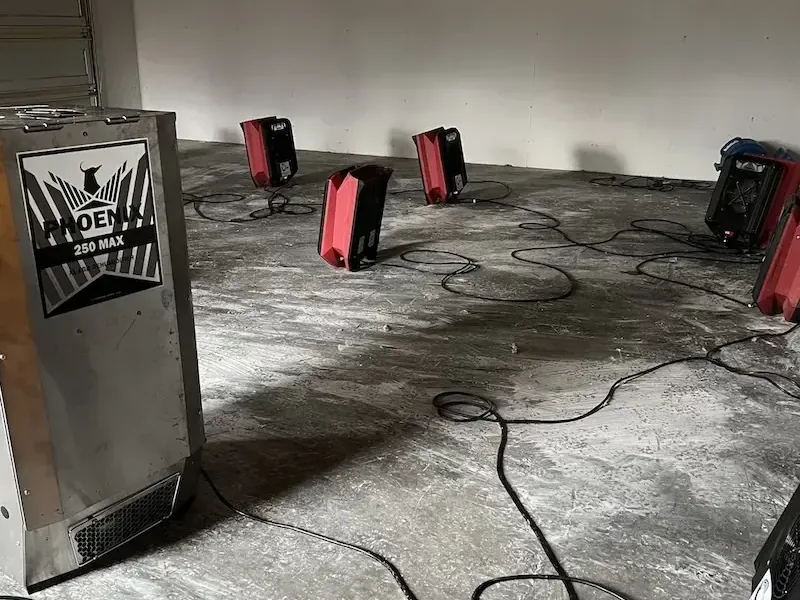
Moisture mapping guides drying after an underfloor pipe repair.
View service details ›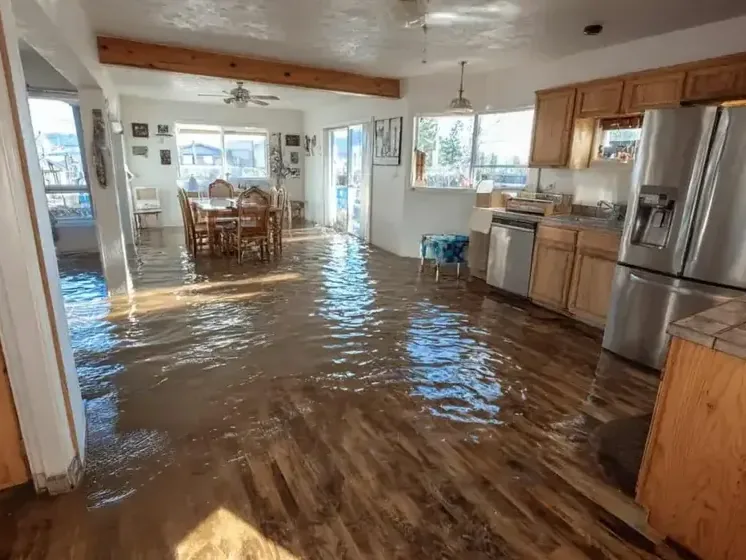
Storm and Flood Cleanup
Outside floodwater needs an entry assessment and a cleanup plan.
View service details ›
Structural Drying and Dehumidification
Material readings guide airflow, humidity control and drying completion.
View service details ›Crawl Space Water Removal questions in Lithia, FL
Does this service mean most local homes have crawl spaces?
No. The service applies only where a property has an accessible underfloor space. Lithia properties receive an inspection of their own foundation assembly before underfloor work is proposed. The crew checks the actual building before proposing crawl space extraction. Slab-floor moisture belongs to a different inspection path, and a neighborhood name should never replace direct knowledge of the foundation assembly.
Can pumping solve a repeated underfloor water problem?
Pumping removes the water currently present but does not repair the source. A plumbing leak, drainage issue or another entry path needs its own investigation. The restoration team records the observed conditions and coordinates drying after source control. If water returns, the source plan needs review rather than repeated extraction being treated as a permanent solution.
Why remove wet insulation beneath the floor?
Insulation can hold water against wood and may be damaged or contaminated. The technician evaluates whether it can remain and whether removal is needed to expose wet framing. A blanket promise to save every layer can leave the assembly unresolved. The report should show the condition, removal decision and drying plan for the structure that stays.
Can a homeowner enter to look for the source?
Unknown water, wiring, limited clearance and unstable materials can make entry hazardous. Occupants should stay out until professionals assess the space. Observations from a safe location, such as timing and visible pooling at the opening, can still help. The team records inspection limitations instead of asking a resident to crawl into an unassessed area for photographs.
Are crawl space water requests handled overnight?
The response team handles underfloor water requests 24/7. The caller should describe the access opening and known hazards without entering the space. Safe access, conditions and equipment needs determine the response arrangement. The safety assessment determines whether the crawl space can be entered and where pumping equipment can operate.
Will opening vents dry the framing?
The technician verifies the effect of ventilation with repeat measurements in the wet framing. Outdoor air conditions, retained moisture and the assembly all matter. The specialist measures the wood and establishes appropriate drying conditions, then follows repeat readings. Pumping and a breeze at the access hatch can leave insulation or joists wet elsewhere beneath the building.
What does the insurance record need for hidden damage?
Photographs, source findings, access limitations and material readings explain a loss that may not be visible upstairs. The crew records pumping, insulation removal and drying work. The owner asks the insurer about the actual cause and policy terms, including any relevant exclusions. The insurer reviews the restoration report and decides whether drainage changes or structural repairs fit the policy.
Crawl space restoration where the building needs it
The crew checks the actual floor assembly and tracks retained framing moisture.
(888) 621-2041Arrange underfloor water assessment