Bloomingdale Slab Leak Water Damage
A recurring damp edge needs more than another towel. Slab leak cleanup in Bloomingdale follows moisture through floor finishes and adjoining walls while the plumbing investigation identifies and corrects the concealed source.
(888) 621-2041Discuss the recurring floor moisture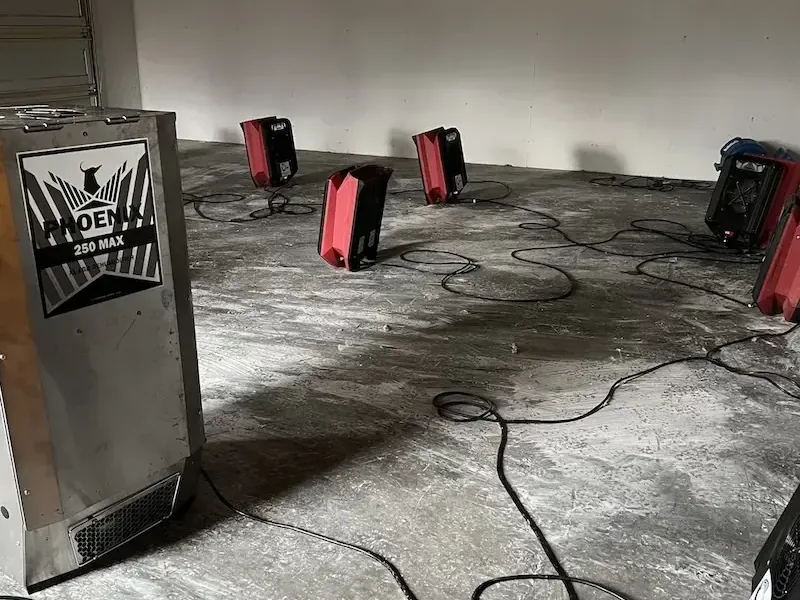
A wet floor can be the point where a concealed leak becomes visible rather than the location of the failed pipe. Bloomingdale slab leak water damage cleanup separates the plumbing investigation from the damage assessment. Both matter: stopping the source prevents new water, while inspecting the floor assembly reveals what the earlier release left behind.
First steps for slab leak water damage
- Track the recurring patch. Note where moisture returns and which rooms share that floor area. Photographs can show changes without lifting finishes or disturbing plumbing access.
- Limit new water. Have the suspect supply condition assessed and isolated safely. Continued leakage can defeat extraction and make it difficult to evaluate the remaining damage.
- Keep openings protected. Prevent occupants from stepping onto loose coverings or unfinished repair areas. Leave investigation tools and exposed services to the trades handling the source.
- Collect source repair details. Save the plumber's findings and photographs of any access work. Those records help connect the cleanup boundary to the water path through the building.
How slab leak water damage works
Identify materials and moisture spread
The assessment maps affected floor layers and nearby wall bases, then records comparison readings to establish a starting condition for the drying work ahead.
Coordinate repair and exposure
The source repair is reviewed alongside access needs. Any additional finish removal should reveal wet material that cannot otherwise be inspected or dried effectively.
Manage the exposed drying area
Equipment is arranged around the assembly that remains. Readings at consistent locations show whether moisture is decreasing or an enclosed section needs another access decision.
Prepare the finish repair handoff
The final record identifies drying results, removed layers, and outstanding repair tasks. Replacement flooring can then be planned around the documented condition of the supporting assembly.
Start with the actual floor assembly
Erindale Oaks is a residential development in the community, but the building itself determines the inspection. The assessor should identify the foundation, surface covering, and layers beneath it before choosing access or removal. The technician checks moisture at raised seams, loose finishes, and damp skirting boards along the floor edge. The plumber traces the leak to its source so repair and drying access can be planned together.
In a home along Bell Shoals Road, water near a wall may also involve the base of a cabinet or a closet on the opposite side. Those adjoining spaces deserve moisture checks before the cleanup boundary is drawn around the first visible patch.
- Record which floor areas become damp again after surface water has been wiped away.
- Inspect the adjoining wall base for swelling, staining, or moisture in accessible materials.
- Identify repaired plumbing locations so drying access can be coordinated with completed source work.
- Compare readings across the affected assembly instead of relying on a single visible spot.
Coordinate openings with the source repair
A plumbing repair may leave an access opening that helps explain where water escaped. The cleanup scope still needs to follow its spread. Removing additional finishes should have a stated purpose, such as reaching wet underlayment or exposing a damp wall cavity, with the condition recorded before the opening grows.
The residential community spans Natures Way Boulevard and includes varied home layouts. A wet central room can connect to enclosed spaces with different drying access. The plan should identify those transitions and describe which materials will remain, which require removal, and how readings will be collected after the visible water has gone.
Slab Leak Water Damage help
Recurring moisture near a floor seam deserves an assessment of the layers around it. Describe where the dampness returns and whether the concealed source has been located or repaired.
Dry layers before hiding them again
New flooring can cover a problem that remains beneath it. Structural drying should address the exposed assembly and use an appropriate target for its materials. Surface appearance and elapsed time are useful observations, but neither replaces measurements when deciding whether the area is ready for finish work.
Leave investigation openings to qualified trades
Cutting into a floor without knowing the location of plumbing and electrical services can create additional hazards. Keep occupants away from unstable or opened sections. Source investigation and controlled access should be coordinated so the cleanup does not disturb a repair or expose another hidden service.
Make the repair record easy to follow
Keep the source findings, removal photographs, drying readings, and proposed finish work in sequence. Hillsborough County directs construction approval through Building Services, and homeowners can check permit status in HillsGovHub. Repair requirements should be reviewed for the actual work, especially when plumbing or structural changes accompany the floor restoration.
What does slab leak water damage cost in Bloomingdale, FL?
Bloomingdale slab leak cleanup planning ranges from $1,000 to $6,000 for the interior damage examples shown. Floor access, concealed spread, and retained wet materials shape the estimate. Plumbing repair and replacement finishes need clearly stated scope boundaries.
Limited floor edge
$1,000 to $2,000
- Small exposed area
- Nearby wall checks
- Focused drying setup
Several wet assemblies
$2,000 to $4,000
- Multiple material layers
- Controlled floor access
- Connected room inspection
Broad concealed spread
$4,000 to $6,000
- Extensive moisture mapping
- Additional removal decisions
- Wider drying footprint
The water damage cost calculator gives an estimate only. The inspection determines the scope, including water category, affected area, material class and drying delay.
Measured care for slab leak water damage
Rapid local response
The response team treats spreading water as urgent and gathers the source, room count and safe access details. Dispatch operates 24/7; conditions and availability determine the response.
IICRC S500 drying standard
The drying crew compares affected assemblies with dry reference materials, adjusts equipment to the evaporation load, and records progress. A dry-looking surface alone does not complete the work.
Claim-ready documentation
The technician links photographs to the moisture map and records material removal, equipment placement and drying readings. That record explains the restoration scope without promising an insurer's decision.
Local water experts
A property inspection distinguishes rain entry, an internal supply leak and contaminated outside water. The restoration plan follows the actual source and materials, with access and safety assessed separately.
Slab leak water damage in Bloomingdale
Erindale Oaks and the residential areas along Bell Shoals Road and Natures Way Boulevard form part of the local setting. Access plans should reflect the individual building, including rooms sharing the affected floor and any repairs already made to the plumbing.
The same service nearby: slab leak water damage in Lithia, Fish Hawk, Valrico.
Water damage restoration in Bloomingdale · every town covered
Related water damage services in Bloomingdale
Water Extraction and Removal in Bloomingdale
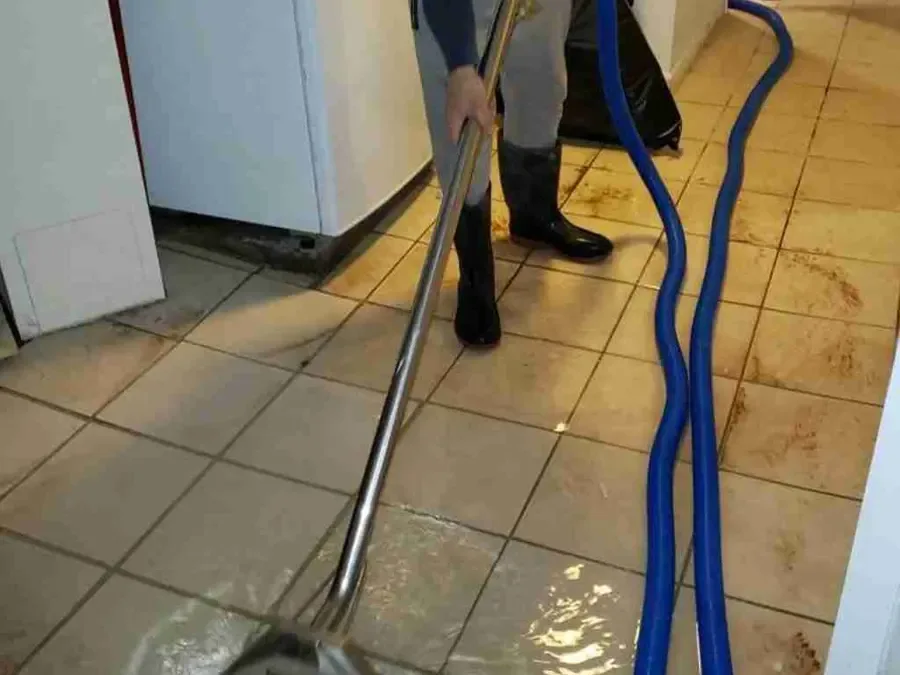
Standing water removal reaches flooring edges and adjoining rooms.
View service details ›
Structural Drying and Dehumidification in Bloomingdale
Material readings guide airflow, humidity control and drying completion.
View service details ›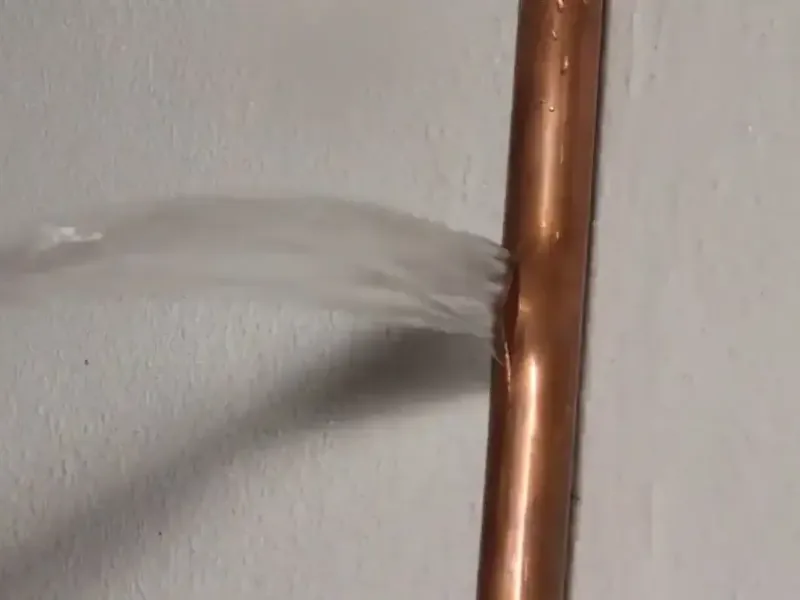
Burst Pipe Water Damage in Bloomingdale
A stopped supply leak leaves wet layers to inspect and dry.
View service details ›Slab Leak Water Damage questions in Bloomingdale, FL
Does a wet floor establish that a pipe beneath it failed?
A damp floor establishes the need to investigate, but the source must be located at the property. Water can travel from a wall, appliance, or another room before appearing at a seam. The plumbing assessment identifies the failure, while cleanup follows the affected materials. Those separate findings prevent the floor opening from becoming the entire damage scope.
Can cleanup start before the concealed pipe is repaired?
Safe assessment and limited water removal may begin while source work is being arranged, but continuing leakage must be controlled for drying to progress. The trades should coordinate access so extraction does not obstruct investigation and repair does not rewet a drying area. The written plan should identify what can begin immediately and what depends on source correction.
Will all flooring in the room need to be removed?
Removal depends on the finish, underlying layers, damage, and access required to dry the assembly. Some materials may remain when they can be assessed and dried effectively. Others may be too damaged or may block access to retained water. The recommendation should explain the finding in each area instead of treating every room as an identical floor system.
Why check a wall when the water appeared on concrete?
Water at the floor can enter adjacent absorbent materials, including wall bases, trim, and cabinet sides. The visible concrete patch may therefore be only part of the damage. Checking nearby assemblies helps identify where moisture is retained and whether drying access is needed. The inspection should also consider the room on the other side of an affected wall.
How is readiness for new floor covering established?
The drying record should show the condition of the supporting materials and the target being used for them. Replacement finishes may have their own installation requirements, which the flooring contractor should examine. A surface that looks dry is not the sole test. Coordination between drying and finish work helps prevent a new covering from enclosing moisture prematurely.
Are flooring exemptions enough for the entire repair?
Hillsborough County lists floor coverings among cosmetic work typically exempt from permits. A project that also includes plumbing or structural changes needs assessment for those tasks. Building Services handles construction approval, and HillsGovHub provides record and status checks. The scope should separate finish replacement from the source repair so the applicable requirements can be addressed accurately.
Which records should stay with the homeowner after drying?
Keep photographs of the original damage, the source repair description, the list of materials removed, and moisture readings that show the drying progression. A final note should identify remaining reconstruction work. These records make later discussions with flooring contractors or an insurer easier because each task can be connected to the condition observed at the property.
Resolve the moisture beneath the finish
Plan the cleanup around the affected assembly, the plumbing access, and the remaining wet materials.
(888) 621-2041Arrange a floor moisture assessment