Bloomingdale Sewage Backup Cleanup
A backing up drain changes how an affected room should be handled. Bloomingdale sewage cleanup starts with keeping occupants away, stopping additional discharge, and defining the contaminated area before removal.
(888) 621-2041Discuss the contaminated room safely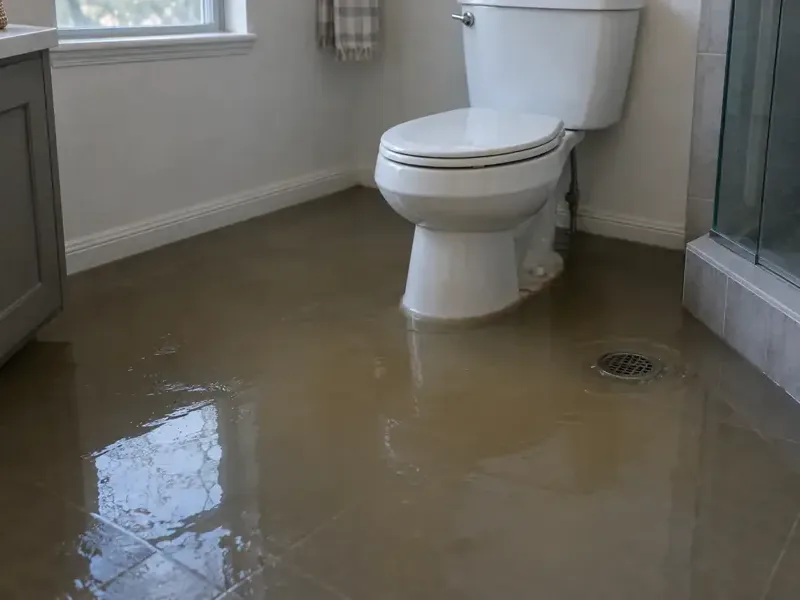
Sewage in a Bloomingdale bathroom can reach more than the tile around the drain. Dirty water may contact door trim, a vanity base, towels, or the edge of an adjoining carpet. The cleanup boundary should include every affected material and the paths people might use to carry contamination into otherwise dry rooms.
First steps for sewage backup cleanup
- Restrict the affected entrance. Keep occupants and animals outside the room. Do not walk through dirty water to collect belongings or reach another part of the home.
- Stop contributing discharge. Avoid fixtures that feed the backing up drain until the plumbing condition is assessed. Report recurring water movement and affected fixture locations.
- Photograph from dry access. Document visible contamination without moving wet items through occupied rooms. Include doorways and floor transitions that show the extent of the spill.
- Explain the reporting need. For sewer backup emergencies involving property damage, Hillsborough County directs reports to Water Resources. Arrange the indoor cleanup assessment alongside source investigation.
How sewage backup cleanup works
Define the contaminated footprint
The inspection traces sewage contact across floors, wall bases, and belongings. Access routes are planned so removal does not spread material into occupied spaces.
Remove water and affected porous layers
Controlled extraction and disposal address the contaminated water and materials that cannot remain. The scope records removal choices before cleaned structure is exposed for inspection.
Clean retained surfaces methodically
Residue is removed from the remaining accessible assembly using an appropriate cleaning approach. Hidden contact areas receive attention before air movement begins across the room.
Dry and record the retained assembly
Moisture checks track the materials left in place. The handoff distinguishes completed contamination cleanup, drying progress, and the finish repairs needed before the space returns to use.
Separate the room from daily activity
Stop using fixtures that feed the backup and keep children and pets out of the affected space. In a home near Bell Shoals Road, a second bathroom may share drainage with the first. A plumbing assessment should establish what can be used safely while the cause is being corrected.
Hillsborough County directs sewer backup emergencies involving property damage to Water Resources. That reporting step addresses the utility concern. Cleanup inside the property still needs a plan for the water, contaminated materials, and the surfaces left in place.
- Identify every doorway crossed by dirty water before deciding where containment belongs.
- Photograph affected belongings without carrying them into kitchens or other occupied spaces.
- Keep household cleaning tools outside the contaminated area to avoid spreading residue.
- Describe recurring discharge so the drain problem can be addressed alongside removal.
Choose removal by material and contact
Hard surfaces and absorbent finishes require different decisions. A washable exposed surface may be cleaned after water removal, while a contaminated porous layer may need disposal. The scope should identify the materials involved and explain how removal will avoid carrying dirty water through unaffected parts of the home.
Residential areas along Culbreath Avenue and Natures Way Boulevard include different room layouts. The access route can matter as much as the bathroom size when a wet room sits beyond carpeted living space. Protective separation and controlled handling keep the work focused on the affected area.
Sewage Backup Cleanup help
A drain spill needs a cleanup boundary that follows every contacted material. Describe the affected fixtures, doorway spread, and any continuing discharge while staying outside the contaminated area.
Clean the remaining structure before drying
After contaminated water and unsalvageable material are removed, cleaning addresses residue on the retained assembly. Drying then targets moisture within that remaining structure. The structural drying service should be coordinated with the contamination work so equipment placement follows the cleanup sequence.
Keep fans away from untreated sewage
Pointing household fans across a contaminated spill can spread droplets and residue. Occupants should stay clear instead of trying to accelerate drying. The crew should decide when water removal and cleaning have progressed enough for controlled air movement within the affected space.
Document what was discarded and retained
The final cleanup record should connect photographs to removal decisions, describe cleaned surfaces, and identify drying still needed. A corrected drain and a clean looking floor are separate milestones; the room should also receive an assessment of the hidden materials contacted by the backup.
What does sewage backup cleanup cost in Bloomingdale, FL?
Bloomingdale sewage cleanup examples span $1,500 to $8,000. Contamination spread, absorbent material removal, cleaning access, and retained moisture determine the work. Drain repair and reconstruction should appear as separate, clearly described scope items.
Small hard-floor backup
$1,500 to $3,000
- Limited contaminated area
- Accessible surface cleaning
- Initial moisture assessment
Multiple wet finishes
$3,000 to $5,500
- Porous material decisions
- Controlled disposal route
- Adjoining assembly checks
Extensive contamination
$5,500 to $8,000
- Broad removal scope
- Complex cleaning access
- Expanded drying needs
The water damage cost calculator gives an estimate only. The inspection determines the scope, including water category, affected area, material class and drying delay.
Measured care for sewage backup cleanup
Rapid local response
The response team treats spreading water as urgent and gathers the source, room count and safe access details. Dispatch operates 24/7; conditions and availability determine the response.
IICRC S500 drying standard
The drying crew compares affected assemblies with dry reference materials, adjusts equipment to the evaporation load, and records progress. A dry-looking surface alone does not complete the work.
Claim-ready documentation
The technician links photographs to the moisture map and records material removal, equipment placement and drying readings. That record explains the restoration scope without promising an insurer's decision.
Local water experts
A property inspection distinguishes rain entry, an internal supply leak and contaminated outside water. The restoration plan follows the actual source and materials, with access and safety assessed separately.
Sewage backup cleanup in Bloomingdale
Service assessment includes homes around Bell Shoals Road, Culbreath Avenue, and Natures Way Boulevard. Explain which fixtures are backing up and whether dirty water has crossed a doorway, reached a closet, or blocked the safest entrance to the affected room.
The same service nearby: sewage backup cleanup in Lithia, Fish Hawk, Valrico.
Water damage restoration in Bloomingdale · every town covered
Related water damage services in Bloomingdale

Structural Drying and Dehumidification in Bloomingdale
Material readings guide airflow, humidity control and drying completion.
View service details ›
Water Extraction and Removal in Bloomingdale
Standing water removal reaches flooring edges and adjoining rooms.
View service details ›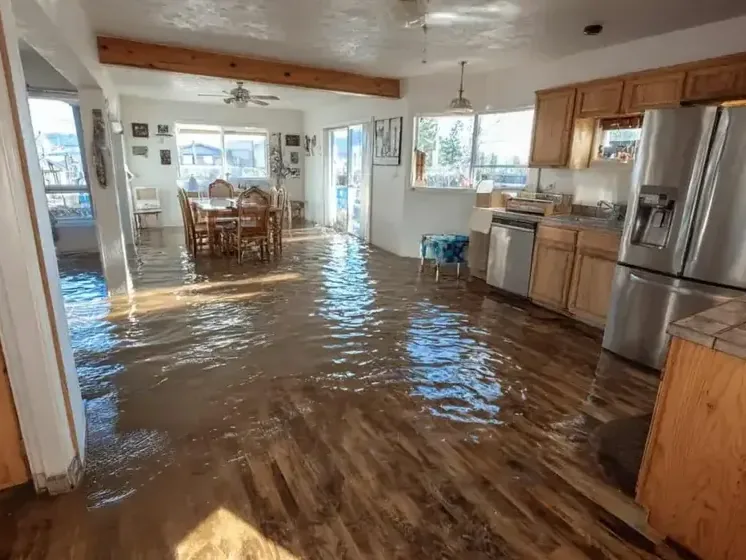
Storm and Flood Cleanup in Bloomingdale
Outside floodwater needs an entry assessment and a cleanup plan.
View service details ›Sewage Backup Cleanup questions in Bloomingdale, FL
Can a homeowner mop sewage and keep using the room?
A mop can remove visible liquid without addressing contamination in seams, absorbent finishes, or adjacent materials. The room should remain separated from normal activity until the affected surfaces and source are assessed. Cleanup decisions need to account for what the sewage contacted, not only how the floor looks after wiping. Household tools can also spread residue elsewhere.
Who receives reports about a damaging sewer backup?
Hillsborough County directs sewer backup emergencies involving property damage to Water Resources. The person reporting should describe the observed discharge and the affected property. That contact does not replace an indoor cleanup assessment or the investigation of plumbing within the building. Keeping those responsibilities distinct helps the source concern and the contaminated interior receive appropriate attention.
Must carpet touched by sewage be considered separately?
Carpet, padding, and other absorbent materials need a specific removal decision after sewage contact. Cleaning the visible face may leave contamination within inaccessible layers. The scope should identify what was wet, how removal will be contained, and which supporting surfaces need cleaning afterward. Retention decisions belong to the actual material and exposure rather than its appearance alone.
Why avoid switching on a fan beside the spill?
Uncontrolled airflow over untreated contamination can move droplets or residue beyond the original wet area. Water removal and cleaning should establish a suitable condition before drying equipment operates. The crew should manage that sequence and explain when occupants can enter. A household fan is not a substitute for removing contaminated water and evaluating the materials it reached.
Can the drain be repaired without disturbing cleanup?
Source repair and interior cleanup should be coordinated so the drain stops discharging before the room is considered stable for drying. Plumbing access may affect containment or require another inspection of nearby materials. Sharing the findings between trades helps prevent repaired fixtures from feeding another spill and keeps cleanup equipment from obstructing necessary source work.
What if dirty water reached the hallway outside the bathroom?
The assessment should extend across the doorway and follow the contacted floor, trim, and belongings. A threshold can hide moisture beneath the adjacent covering, and footsteps may carry residue farther. Containment and the removal route should reflect that spread. The original bathroom footprint is therefore only a starting point for defining the work area.
What documentation should accompany the completed cleanup?
A useful record lists removed materials, cleaned surfaces, observed source conditions, and moisture readings for the retained structure. Photographs should show both the original contamination and the work performed. Any remaining drying or reconstruction needs should be clear. Those details help homeowners understand why the job included certain areas and what still must happen before normal use.
Separate the spill from occupied rooms
Arrange an assessment covering removal, surface cleaning, and the structure that remains wet afterward.
(888) 621-2041Plan controlled sewage removal