Bloomingdale Roof Leak Water Damage
Rain may leave a ceiling stain far from the roof opening. Bloomingdale roof leak cleanup follows the overhead water path, assessing wet attic materials and the room below while the entry is corrected.
(888) 621-2041Discuss the rain entry overhead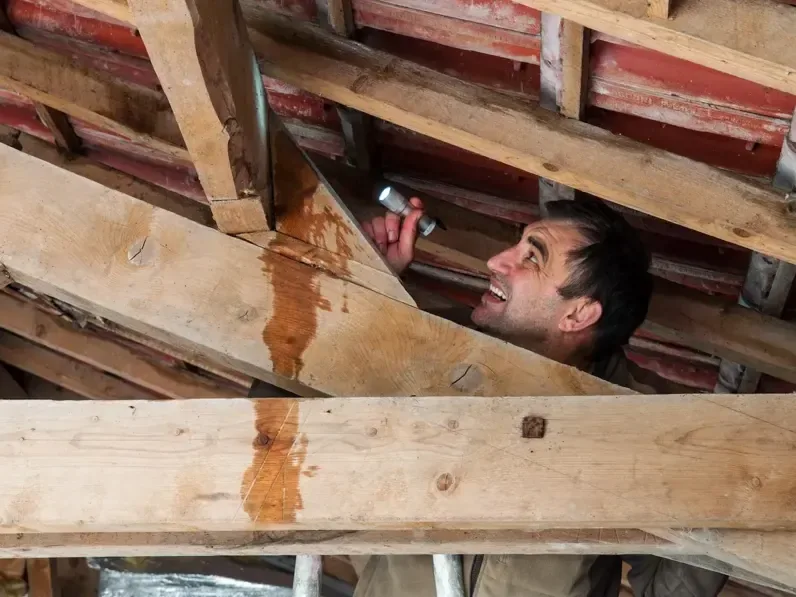
A roof leak leaves clues at different levels of a Bloomingdale home. A ceiling stain identifies visible interior damage, while damp insulation or framing above it may show how water traveled. Older residential sections have mature oak canopy, but the cleanup decision depends on the roof opening and the materials actually wet inside.
First steps for roof leak water damage
- Watch from an unaffected area. Describe dripping and sagging without standing beneath damaged panels. Keep occupants away from unstable ceiling material until the overhead condition is assessed.
- Record the weather connection. Note whether moisture appeared during rain and which rooms showed it. Preserve photographs that show changes before temporary protection or cleanup alters the scene.
- Arrange the roof correction. Source work should stop further entry while the interior is assessed. Save the repair location and any notes about the opening or affected roofing area.
- Keep attic access controlled. Leave wet insulation undisturbed. Describe available attic access so the crew can inspect overhead materials using an assessed route.
How roof leak water damage works
Connect the stain to overhead wetness
The assessment traces moisture beyond the visible ceiling mark and identifies attic materials receiving water. Source repair details help connect the exterior opening with interior damage.
Plan protection and selective opening
The room below is considered before any wet ceiling or insulation is removed. Access choices should expose the affected assembly while controlling debris and retained water.
Dry framing and retained surfaces
Equipment placement follows the materials left after removal. Readings at identified locations show progress in framing and ceiling edges rather than relying on the room's appearance.
Separate roof completion from finish readiness
A completed roof repair is recorded alongside the interior drying result. Remaining panel, insulation, and paint work is identified so reconstruction starts with the overhead assembly understood.
Read the overhead path from a safe position
Water can move along building members before dripping onto the ceiling. The stain may therefore sit away from the point requiring roof repair. Inspection should connect the source work to the wet attic assembly, with access chosen to avoid unstable ceiling panels and electrical components affected by the rain entry.
For a home along Bell Shoals Road, useful observations include which room first showed water and whether the stain changed during later rain. Those details help direct the assessment without requiring the homeowner to climb into an affected attic.
- Note ceiling discoloration that spreads even after visible dripping appears to have stopped.
- Keep furniture away from sagging panels without standing beneath the damaged ceiling section.
- Record the roof repair location and any temporary protection installed by the roofing trade.
- Inspect insulation and framing along the water path before choosing where to open finishes.
Coordinate roof work with interior access
The roof opening needs correction so rain cannot keep replenishing the wet materials. Interior cleanup can then address the water already present. A shared description of the source location, accessible attic areas, and affected rooms helps avoid closing a ceiling before the assembly above it has been assessed.
Residential areas around Natures Way Boulevard and Culbreath Avenue contain different layouts. Attic access and the position of wet insulation should be checked at the individual home. The plan should explain whether material can remain for drying or whether removal is needed because it is damaged or blocks inspection.
Roof Leak Water Damage help
A ceiling mark after rain deserves attention above the painted surface. Describe the room, stain changes, and any roof work already arranged so the interior assessment can follow the overhead path.
Protect the room beneath the work
Opening a wet ceiling can release debris and retained water. Controlled access and room protection belong in the scope before that work begins. If damage extends below the overhead assembly, ceiling leak cleanup should include the contacted walls, flooring, and belongings in the room.
Stay out of unsupported attic areas
Ceiling finishes are not a walking surface, and wet materials can make attic access more hazardous. Homeowners should not step into hidden framing spaces to find a leak. Source investigation and interior inspection should use an assessed access route suited to the building's actual condition.
Leave a clear record before refinishing
Roof repair documentation and moisture readings answer different questions. Keep both with photographs of removed insulation or ceiling material. Once the remaining assembly reaches its drying target, the finish scope can address stains, damaged panels, and trim without concealing moisture that still requires access above the room.
What does roof leak water damage cost in Bloomingdale, FL?
Roof leak interior cleanup in Bloomingdale has planning examples from $800 to $5,500. Attic access, insulation involvement, and ceiling spread influence the work. The roof repair and replacement interior finishes should be distinguished from the drying estimate.
Small ceiling area
$800 to $1,800
- Limited overhead inspection
- Localized moisture checks
- Room protection
Attic and ceiling wetness
$1,800 to $3,500
- Insulation removal decisions
- Framing access
- Targeted drying
Several affected bays
$3,500 to $5,500
- Broader overhead opening
- Multiple moisture locations
- Expanded equipment
The water damage cost calculator gives an estimate only. The inspection determines the scope, including water category, affected area, material class and drying delay.
Measured care for roof leak water damage
Rapid local response
The response team treats spreading water as urgent and gathers the source, room count and safe access details. Dispatch operates 24/7; conditions and availability determine the response.
IICRC S500 drying standard
The drying crew compares affected assemblies with dry reference materials, adjusts equipment to the evaporation load, and records progress. A dry-looking surface alone does not complete the work.
Claim-ready documentation
The technician links photographs to the moisture map and records material removal, equipment placement and drying readings. That record explains the restoration scope without promising an insurer's decision.
Local water experts
A property inspection distinguishes rain entry, an internal supply leak and contaminated outside water. The restoration plan follows the actual source and materials, with access and safety assessed separately.
Roof leak water damage in Bloomingdale
Older residential sections include mature oak canopy, with established homes around Bell Shoals Road and Natures Way Boulevard. An assessment near Culbreath Avenue should identify the actual rain entry path, attic access, and rooms showing overhead damage before interior drying begins.
The same service nearby: roof leak water damage in Lithia, Fish Hawk, Valrico.
Water damage restoration in Bloomingdale · every town covered
Related water damage services in Bloomingdale
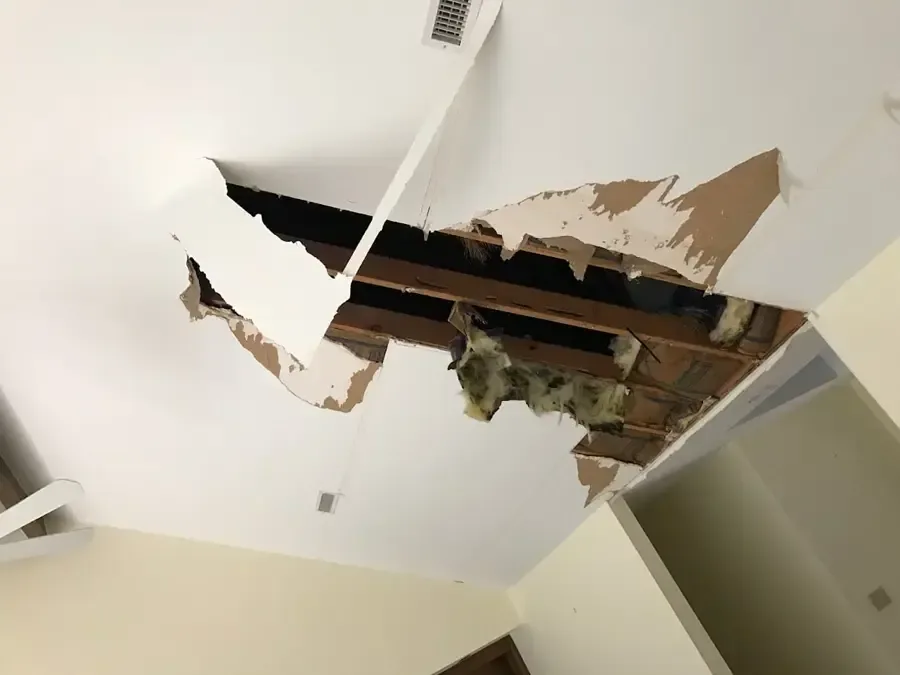
Ceiling Leak Water Damage in Bloomingdale
Sagging ceilings need safe access before damaged material is removed.
View service details ›
Structural Drying and Dehumidification in Bloomingdale
Material readings guide airflow, humidity control and drying completion.
View service details ›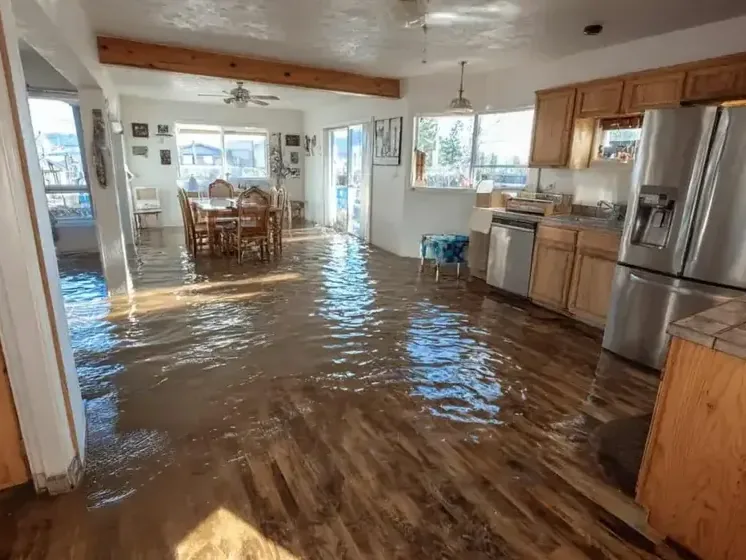
Storm and Flood Cleanup in Bloomingdale
Outside floodwater needs an entry assessment and a cleanup plan.
View service details ›Roof Leak Water Damage questions in Bloomingdale, FL
Why does the stain appear away from the roof opening?
Water can follow framing, sheathing, or another interior surface before dropping onto the ceiling. The stain shows where moisture became visible inside the room, while source investigation establishes the roof entry. Cleanup should connect those locations by inspecting the overhead path. Drying only the stained panel can leave damp materials elsewhere in the attic assembly.
Can the interior dry while the roof still admits rain?
Continuing entry can repeatedly wet the same materials and interfere with meaningful drying progress. Roof protection or repair should be coordinated with interior work so new water is controlled. Safe assessment and damage documentation can still inform the initial plan. The drying record should state the source condition and identify any work that depends on stopping further entry.
Is wet insulation always visible from the room below?
Insulation may hold moisture above a ceiling that shows only a small stain or no obvious opening. Its condition needs assessment through appropriate access. The cleanup scope should explain whether insulation can remain, requires removal, or obstructs inspection of other wet materials. The inspection needs to reach the cavity above the painted ceiling to assess those materials.
Should a homeowner puncture a bulging ceiling to drain it?
A bulging ceiling can release water and debris unexpectedly, and nearby electrical services may add hazards. Occupants should stay clear and describe the condition when arranging an assessment. Controlled opening belongs within a plan that accounts for room protection, material stability, and safe access. Improvised draining can expose the person below to the very materials being assessed.
How does mature tree canopy affect this cleanup assessment?
Mature oak canopy is part of older local residential sections and helps describe the property's setting. The roof opening itself still needs inspection, and the interior scope follows the observed wet materials. Notes about debris or visible roof damage can be useful when safely observed. Cleanup should address the actual rain route rather than assigning a cause from the setting.
When can a stained ceiling be repainted after roof repair?
Repainting belongs after the remaining ceiling assembly has been assessed, dried as needed, and repaired where material is damaged. A stopped leak may leave damp insulation or weakened panels above the painted face. Moisture readings and inspection results should support the finish decision. Painting too early can obscure signs that the overhead assembly still needs attention.
What information should the roofer and cleanup crew share?
The useful connection is the location and condition of the entry point, the repair performed, and the interior water path. Photos of affected attic materials and notes about access openings help both trades understand the scope. The homeowner should receive a record separating source correction from drying and finish repair, with any outstanding tasks clearly identified for the next contractor.
Connect roof repair with interior drying
Plan access to wet attic materials before replacing the ceiling finish below them.
(888) 621-2041Arrange the attic moisture assessment