Roof Leak Water Damage in Lithia, FL
The roof can stop dripping while insulation and framing remain wet. The restoration technician traces rain entry through the attic and ceiling, then dries affected materials after the roof source is controlled.
(888) 621-2041Discuss water below the roof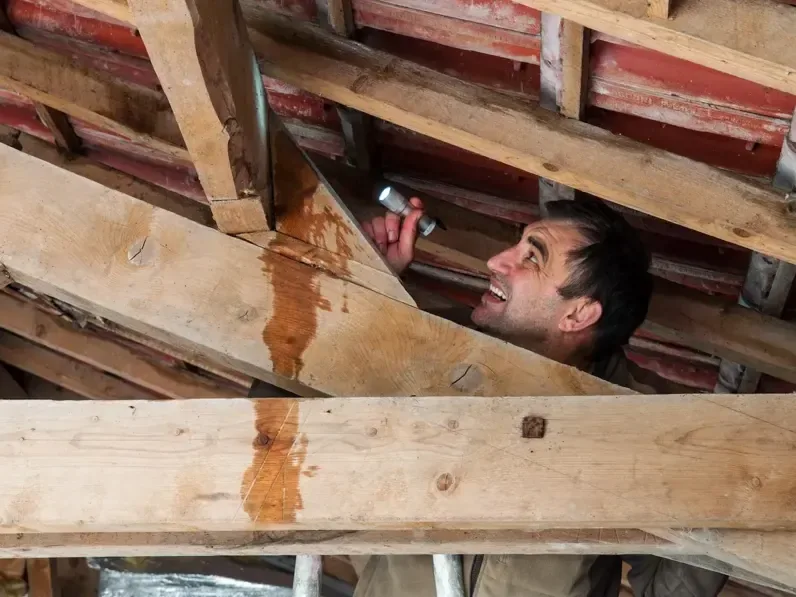
The ceiling stain may sit away from the roof opening because water can travel along framing before it drops. The inspector follows that route through accessible attic areas and checks adjacent rooms. A roof patch controls new rain, but it does not remove moisture already stored in insulation or drywall. Interior restoration needs its own scope and measurements.
First steps for roof leak water damage
- Avoid the drip zone. Occupants keep furniture and people away from sagging finishes and wet light fixtures, prioritizing overhead and electrical safety.
- Record the rain pattern. The owner notes when dripping began and photographs the stain from a safe position, preserving clues before surfaces change.
- Arrange roof source control. A roofing professional assesses the entry point and suitable repair; a household member should not climb onto a wet roof.
- Request cavity assessment. The caller identifies the wet ceiling and any accessible attic observations so the inspection can follow moisture beyond the visible mark.
How roof leak water damage works
Trace overhead water
The inspector compares the ceiling symptoms with accessible attic findings and roof information, checking for an alternative plumbing source before defining the rain-entry scope.
Open unsafe or wet layers
The crew protects the room below, removes affected insulation or unstable finishes when needed and exposes the retained structure for targeted moisture measurements.
Dry the attic assembly
The specialist coordinates source control with airflow and dehumidification, tracking repeated framing readings rather than assuming that a stopped drip means the cavity is dry.
Document repair readiness
The team records the final drying condition and any remaining roof or finish work, helping the owner avoid closing a ceiling over unresolved moisture.
Following rain beyond the first stain
The technician asks when dripping starts, whether wind changes it and whether plumbing or equipment above the ceiling could be involved. Around Lithia Springs Regional Park, Chito Branch Reserve and the C.W. Bill Young Reservoir, each property still needs its own roof and interior assessment. Those landmarks identify the service area, not a common roof type or a history of leaks at nearby homes.
- The roof specialist identifies the entry point and the permanent repair needed to stop new water.
- The interior inspector checks insulation, framing and ceiling finishes along the observed travel path.
- The team photographs stains and accessible wet materials before removing damaged finishes.
- The crew records areas that cannot be safely inspected until access or electrical hazards are resolved.
Wet insulation can hold moisture against the ceiling
Insulation can remain saturated after dripping ends, keeping adjacent wood and drywall wet. The crew evaluates its condition and whether removal is needed to expose the structure. The drying scope follows the affected bays rather than only the shape of the visible stain. An attic opening also needs a safe route that does not place weight on unsupported ceiling finishes.
Some ceilings require controlled removal because they sag or lose strength. The technician explains the opening before work and protects the occupied space below. A patch over stained paint may hide the symptom while leaving the wet cavity unchanged.
Roof Leak Water Damage help
A ceiling stain can hide wet insulation farther along the roof framing. Describe the rain timing and affected rooms so the inspection follows the whole entry path.
Coordinating roof repair with interior drying
The restoration crew checks that new water is no longer entering before relying on a drying trend. Airflow and dehumidification address retained moisture in the accessible assembly. A return of elevated readings can prompt another source check. The specialist records each testing location so a later inspection compares the same area.
Keep clear of unstable overhead material
Occupants avoid a sagging ceiling and do not puncture it from below. A professional assesses the water load, wiring and safe removal method. The household also avoids entering an attic without a safe walkway or climbing onto a wet roof.
The county’s permit information helps owners review construction requirements. County flood maps address outside-water exposure; a roof inspection traces entry through the roof assembly.
Roof-loss documentation connects exterior and interior findings
The roof contractor records the exterior findings, while the drying technician records wet insulation, ceiling material and framing. Keeping both records helps explain the entry path and resulting damage. The owner checks policy terms for the actual cause. The restoration team supplies measured evidence and a defined drying scope without promising coverage for the roof or the interior repairs.
What does roof leak water damage cost in Lithia, FL?
Interior roof-leak water damage restoration often ranges from $800 to $5,500. Wet insulation, ceiling access, framing moisture and the number of affected rooms drive the scope. Roof repairs and replacement ceiling finishes are separate considerations.
Small ceiling area
$800 to $1,800
- Targeted inspection
- Limited material access
- Drying measurements
Attic and ceiling wetness
$1,800 to $3,500
- Insulation assessment
- Cavity drying
- Room protection
Several affected bays
$3,500 to $5,500
- Wider access work
- Additional equipment
- Repair documentation
The Lithia water damage cost calculator gives an estimate only. The inspection determines the scope, including water category, affected area, material class and drying delay.
Measured care for roof leak water damage
Rapid local response
The response team treats spreading water as urgent and gathers the source, room count and safe access details. Dispatch operates 24/7; conditions and availability determine the response.
IICRC S500 drying standard
The drying crew compares affected assemblies with dry reference materials, adjusts equipment to the evaporation load, and records progress. A dry-looking surface alone does not complete the work.
Claim-ready documentation
The technician links photographs to the moisture map and records material removal, equipment placement and drying readings. That record explains the restoration scope without promising an insurer's decision.
Local water experts
A property inspection distinguishes rain entry, an internal supply leak and contaminated outside water. The restoration plan follows the actual source and materials, with access and safety assessed separately.
Roof leak water damage in Lithia
Coverage includes ZIP 33547, the communities along Lithia Pinecrest Road and Rose Street, and properties around the Alafia River Corridor, Chito Branch Reserve and the C.W. Bill Young Reservoir. The restoration team checks the water source and wet materials at each building.
Nearby service areas include Fish Hawk, Bloomingdale, Valrico, Brandon and Riverview.
Related water damage services in Lithia
Ceiling Leak Water Damage
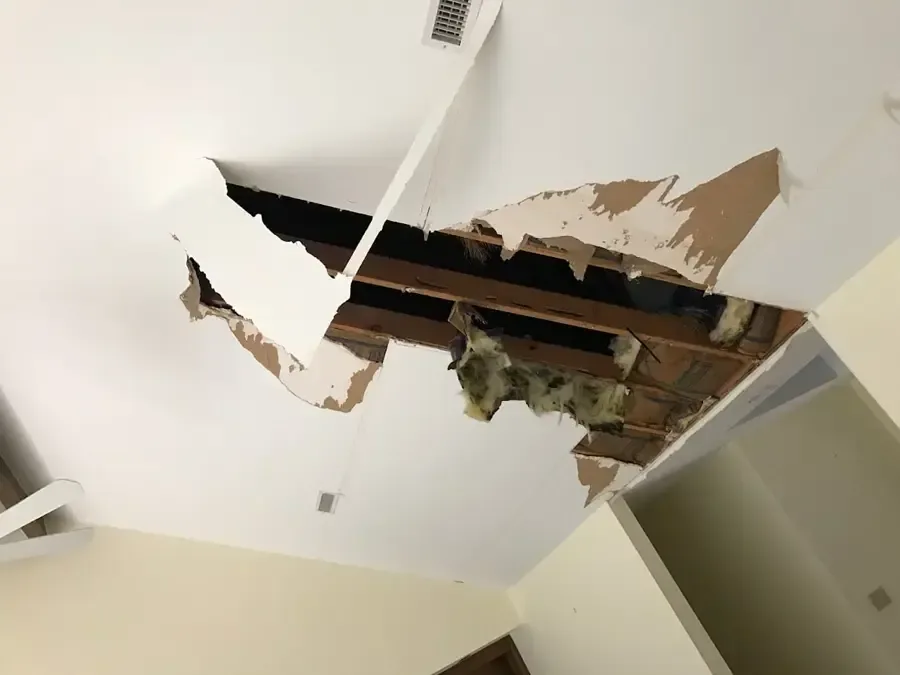
Sagging ceilings need safe access before damaged material is removed.
View service details ›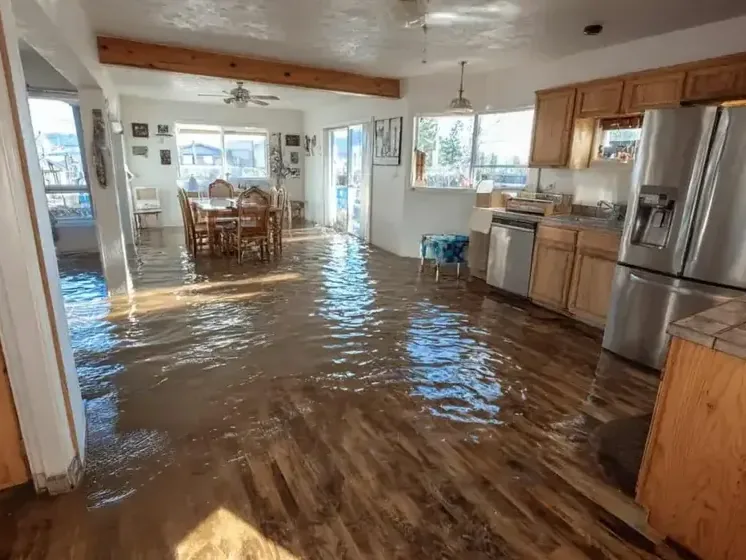
Storm and Flood Cleanup
Outside floodwater needs an entry assessment and a cleanup plan.
View service details ›
Structural Drying and Dehumidification
Material readings guide airflow, humidity control and drying completion.
View service details ›Roof Leak Water Damage questions in Lithia, FL
Why is the roof opening away from the ceiling stain?
Rain can follow a framing member, roof deck or other surface before it drips onto the ceiling. The visible stain therefore identifies an affected area without locating the exterior opening. The inspector follows accessible wet materials and compares them with roofing findings. Guessing directly above the stain can miss the actual path and leave additional insulation wet.
Does a repaired roof mean the attic is dry?
No. Roof repair controls new entry, but water already stored in insulation and framing may remain. The drying crew checks those materials and tracks their progress. A ceiling that no longer drips can still hide elevated moisture. Interior drying and exterior source repair should have separate completion checks, with the final ceiling closure coordinated after both scopes are addressed.
Can the wet insulation remain in place?
The technician evaluates its material, contamination, saturation and ability to dry. Insulation that traps water against other assemblies or cannot be restored may need removal. The decision should follow the actual condition rather than a universal promise to save it. Exposing the wet framing can also make measurements and targeted drying more effective before new insulation goes in.
Should a resident poke a hole in a ceiling bubble?
A bulging ceiling can hold water and may fail unpredictably. Occupants should keep clear and avoid cutting or puncturing it from below. The professional assessment considers electrical fixtures, load and safe removal. Catching a drip with a container does not make it safe to stand beneath unstable drywall or enter an attic without a supported walkway.
Is after-hours rain-leak drying available in Lithia?
The restoration team handles urgent roof-water requests 24/7. The caller describes the active drip, affected rooms and any sagging or electrical exposure. Conditions and safe access influence the response. Roofing source control may require a separate professional, and the drying plan cannot assume that new rain has stopped entering until the source has been assessed.
What if the ceiling stains during dry weather?
The inspector should consider plumbing, a drain or equipment above the ceiling instead of automatically blaming the roof. Timing is useful evidence, but it is not a complete diagnosis. The technician checks the water path and coordinates the appropriate source investigation. The restoration work then follows the wet materials regardless of which system caused the loss.
What records help with a roof-water claim?
Useful records include the observed timing, photographs of interior damage, roofing findings and the moisture map. The crew also documents insulation removal and drying progress. The owner asks the insurer how the cause, maintenance history and policy terms affect coverage. The restoration team can explain its work and findings, but it cannot decide payment for either roof repair or interior finishes.
Roof-water drying for Lithia homes
The restoration specialist checks the cavity after the roof source is controlled.
(888) 621-2041Arrange attic moisture assessment