Brandon Water Damage Restoration
A wet room needs a clear sequence: control the source, remove standing water, and measure what remains inside materials. Brandon property owners can arrange cleanup around the actual path of the damage.
(888) 621-2041Discuss the rooms needing attention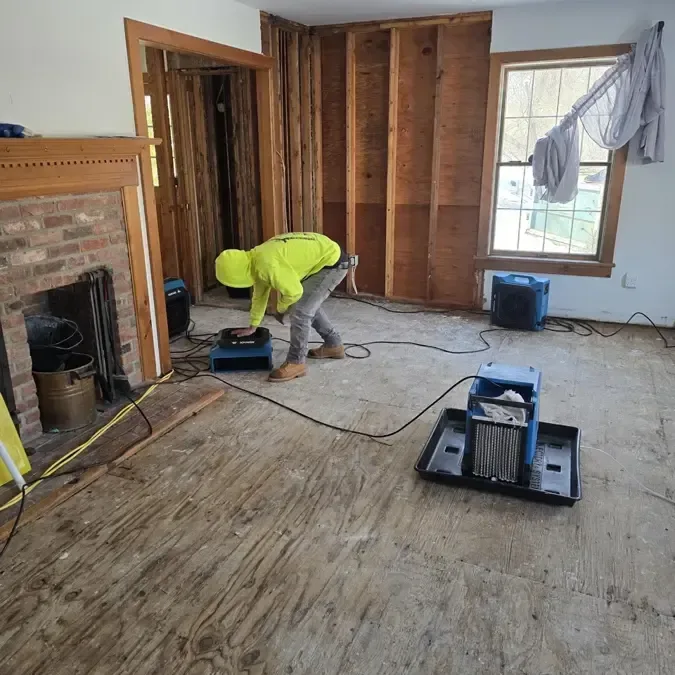
Cleanup should explain what happens next
A useful assessment separates source repair from damage recovery. The owner should understand which finishes can stay, where access is necessary, and how drying progress will be checked before repair work covers the affected area again.
Match the cleanup to the water source
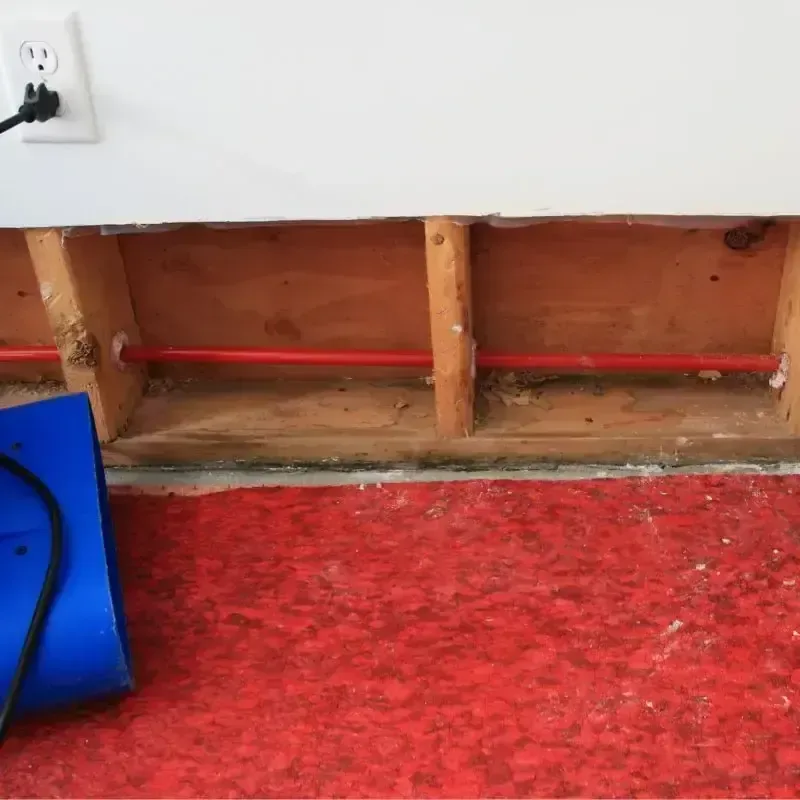
Different water problems leave different work behind. A leaking tank can soak adjoining walls; outside floodwater adds contamination concerns. Start with water extraction or select the service that describes the visible damage.
Water Extraction and Removal
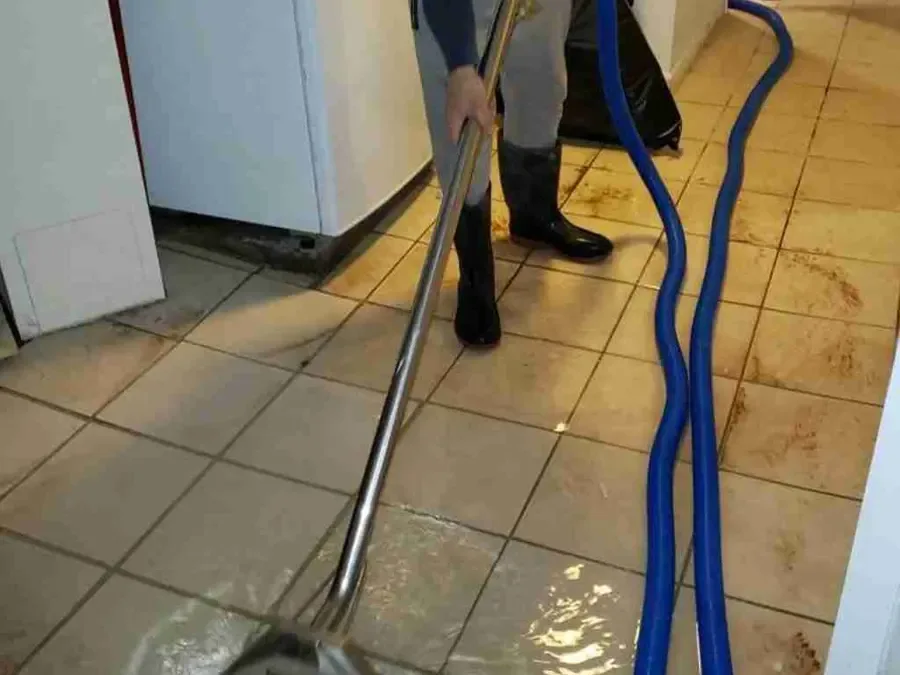
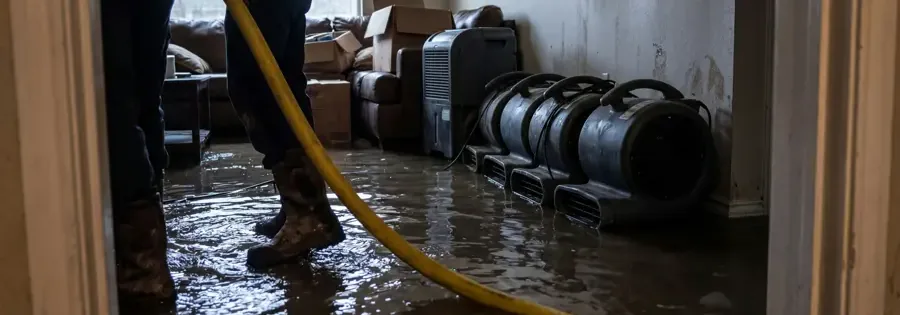
Standing water must leave the room before drying equipment can work effectively on saturated materials.
Explore this water service ›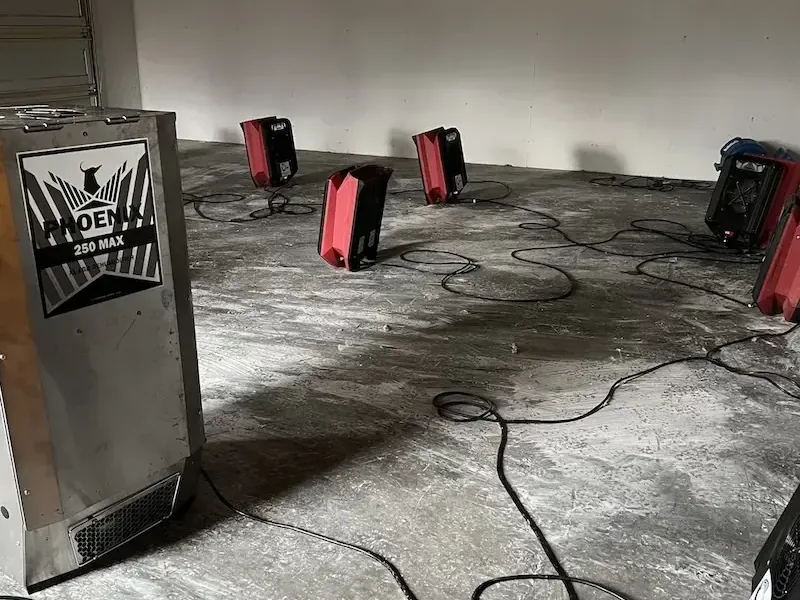
Slab Leak Water Damage
Persistent damp floor edges deserve investigation beneath the finish after a concealed supply leak.
Explore this water service ›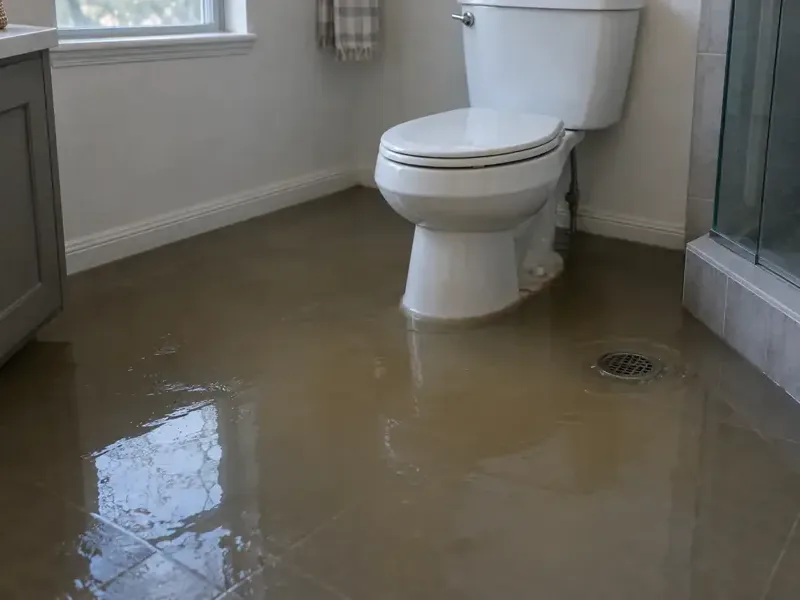
Sewage Backup Cleanup
Contaminated bathroom surfaces require restricted access, controlled removal and careful cleaning before normal use resumes.
Explore this water service ›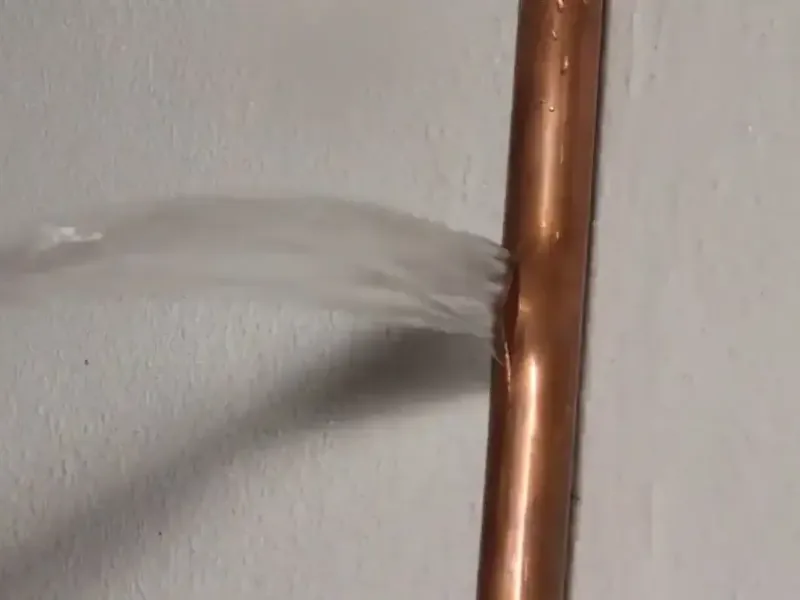
Burst Pipe Water Damage
A stopped pipe release can still leave water trapped inside wall cavities and adjoining rooms.
Explore this water service ›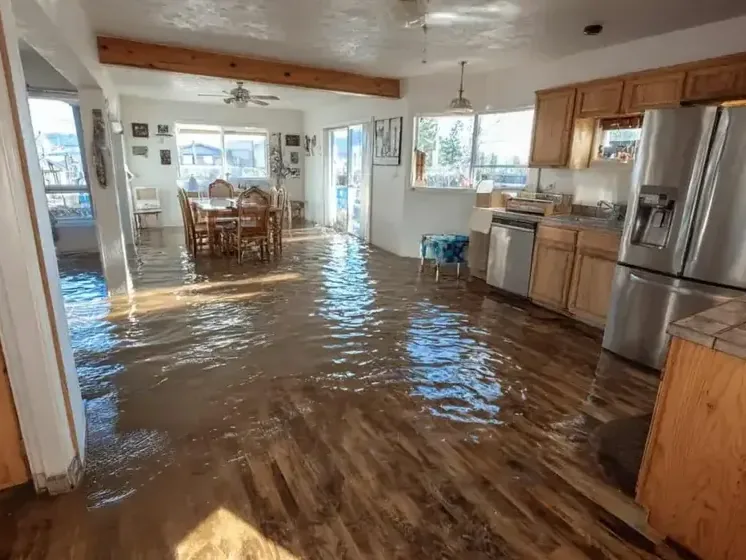
Storm and Flood Cleanup
Rainwater entering from outdoors brings debris and a need to evaluate affected porous finishes.
Explore this water service ›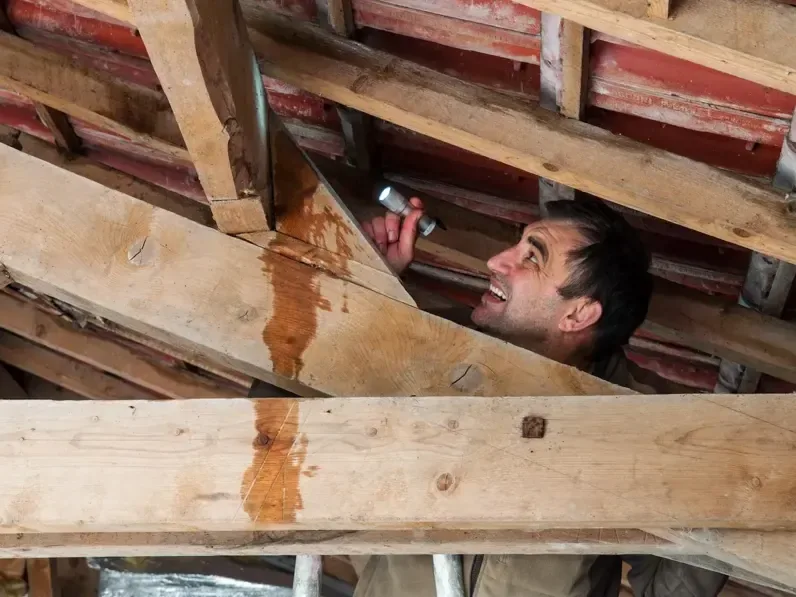
Roof Leak Water Damage
Attic insulation and ceiling framing need attention even after a roofer closes the entry point.
Explore this water service ›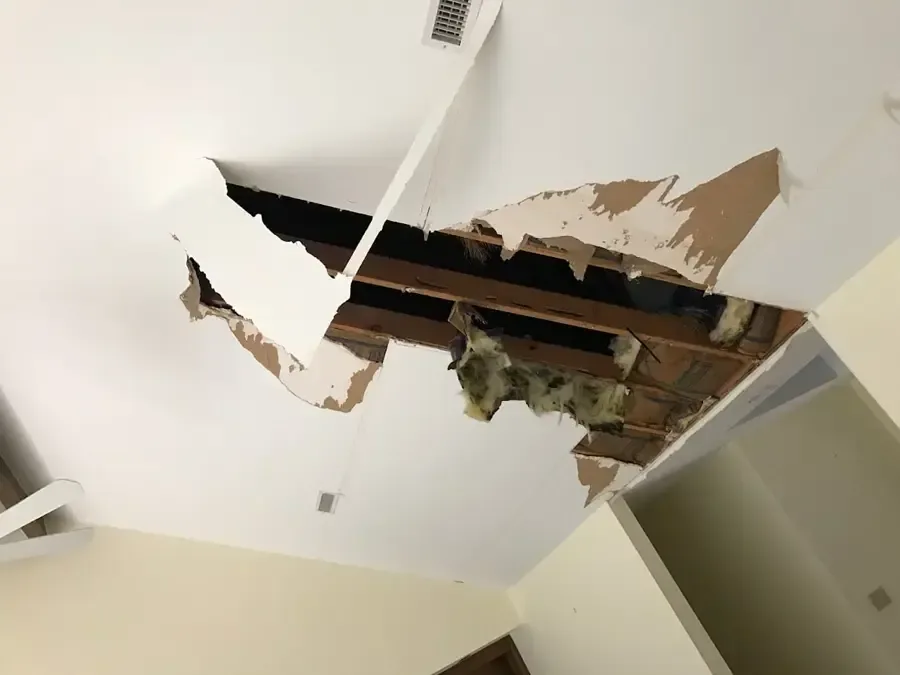
Ceiling Leak Water Damage
Bulging drywall calls for room isolation and assessment of wet materials above the visible stain.
Explore this water service ›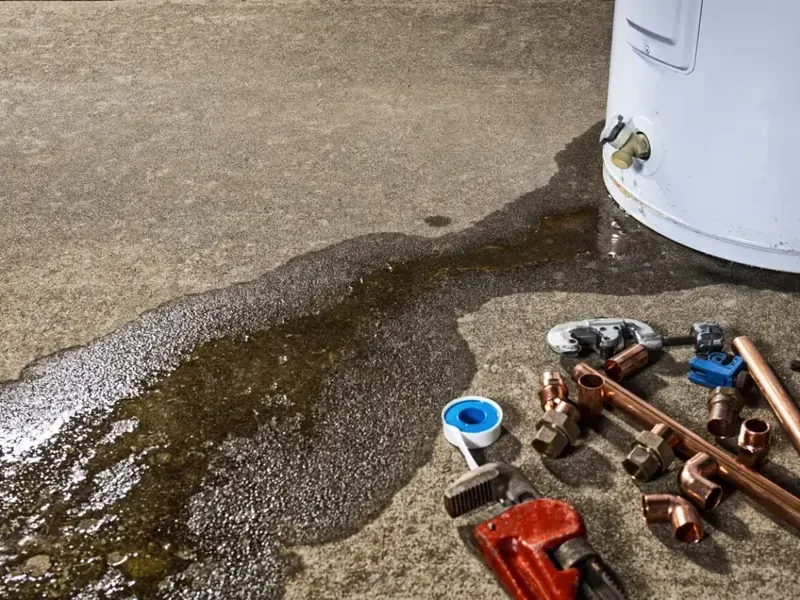
Water Heater Leak Cleanup
Tank spills can reach storage areas, wall bases and flooring beyond the heater enclosure.
Explore this water service ›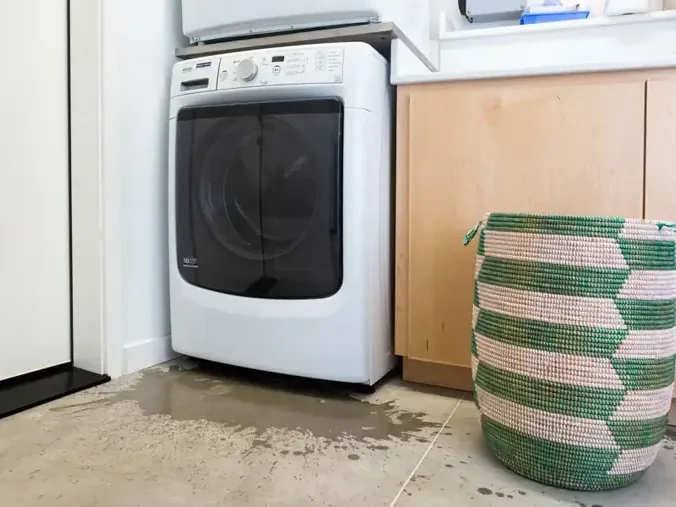
Appliance Leak Water Damage
Water behind appliances often travels beneath cabinets before a puddle appears in the room.
Explore this water service ›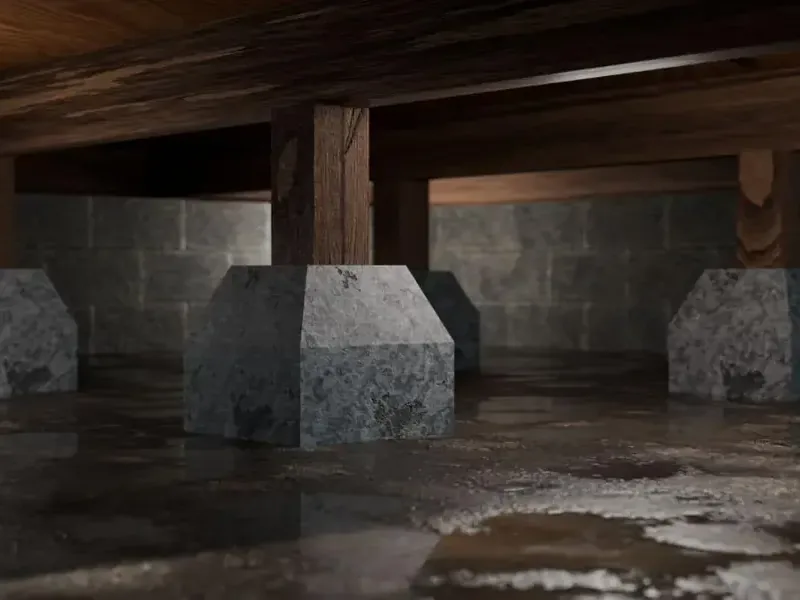
Crawl Space Water Removal
Accessible underfloor water needs removal alongside an inspection of wet insulation and timber surfaces.
Explore this water service ›
Structural Drying and Dehumidification
Measured moisture trends determine whether exposed building materials are ready for the next repair stage.
Explore this water service ›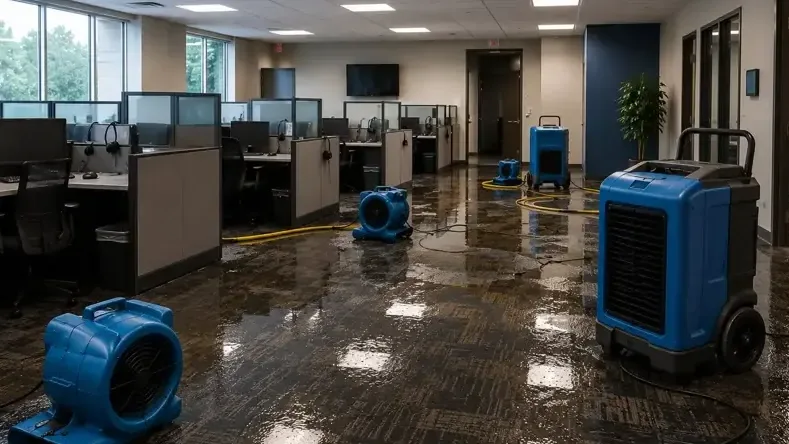
Commercial Water Damage
Business cleanup plans must account for occupied areas, stock protection and safe customer access.
Explore this water service ›Useful actions while the damage is assessed
- 1
Avoid the wet area
Electrical equipment, loose ceilings and contaminated water create different hazards. People and pets should remain outside affected rooms until conditions are assessed.
- 2
Control an accessible source
An accessible water shutoff may limit a plumbing release. Reaching it must not require crossing pooled water or touching wet electrical equipment.
- 3
Record the visible spread
Photographs from dry ground can show the original puddles and damaged belongings. Note when the problem appeared and which rooms changed afterward.
- 4
Protect a dry route
Leave a clear passage through unaffected space for equipment and inspection. Heavy soaked furniture should stay in place until safe handling is arranged.
- 5
Describe the property clearly
Mention stairs, locked rooms and ongoing leakage during the initial call. Those details help the assessment begin with the areas needing immediate attention.
How the water damage dry-out progresses
Locate the wet boundary
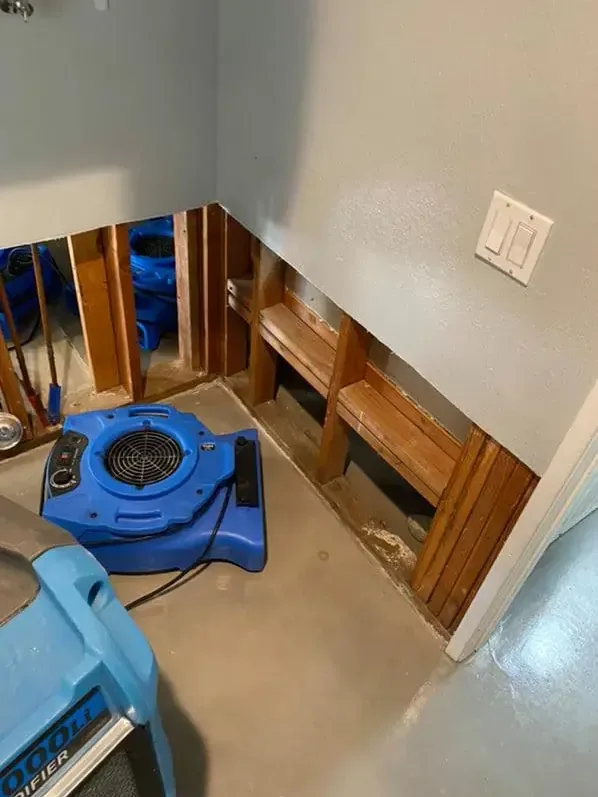
Inspection extends beyond the most obvious puddle to wall bases, adjoining rooms and accessible cavities. The resulting map sets the initial removal and drying scope.
Reduce the water load
Extraction removes accessible liquid while damaged materials are evaluated. Unsalvageable finishes are handled in a way that allows the remaining assembly to dry.
Control the drying conditions
Air movement and dehumidification are arranged around material type and room conditions. Readings determine when placement needs adjustment rather than relying on appearance alone.
Confirm the repair readiness
The closing check checks retained materials against drying goals and identifies unfinished repairs. Owners receive an explanation of what remains before normal finishes are restored.
Water cleanup across Brandon neighborhoods
Describe access along with the damage
Brandon is an unincorporated community in Hillsborough County. Neighborhood names help locate the property, while the owner should also describe the affected rooms and any access restrictions.
The listed ZIP areas overlap the community census area. Service arrangements depend on the actual property location and the conditions reported during the initial conversation.
Brandon, FL · [email protected]
(888) 621-2041Discuss property access and cleanupNeighborhoods and access references
ZIP areas
Nearby service pages
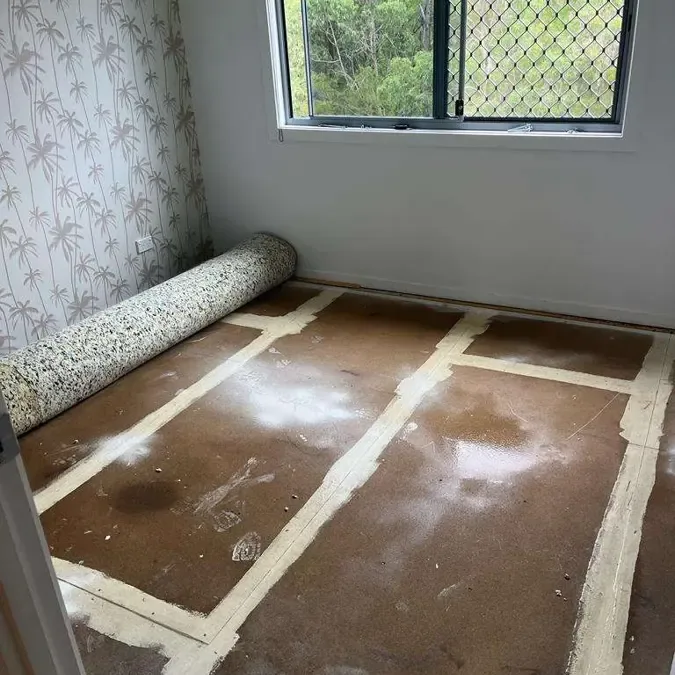
Materials and equipment encountered during indoor water cleanup
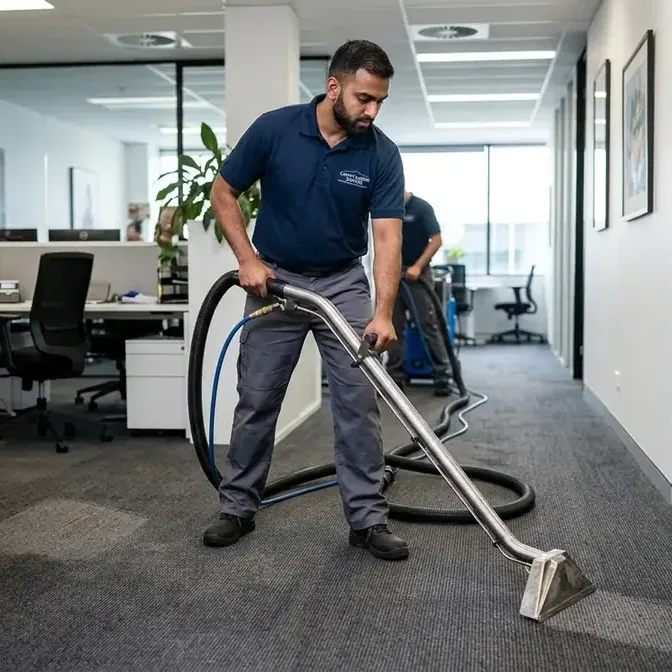
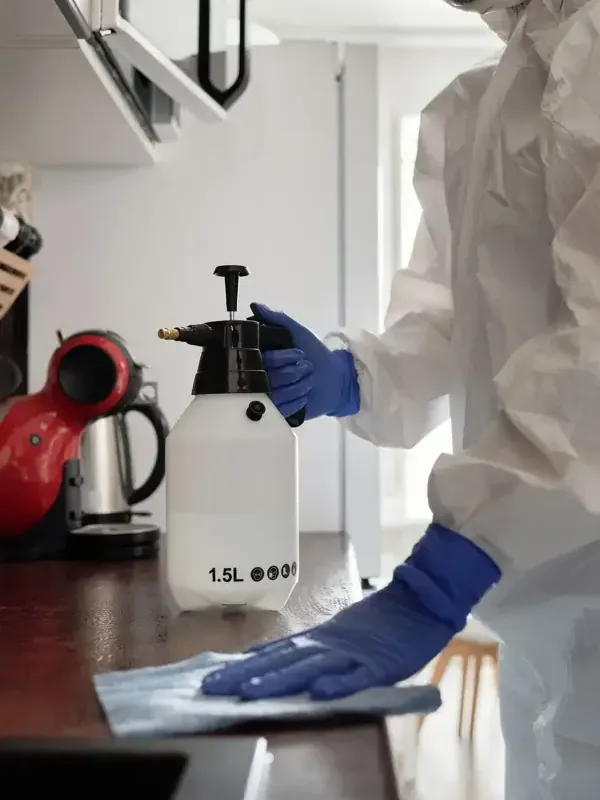
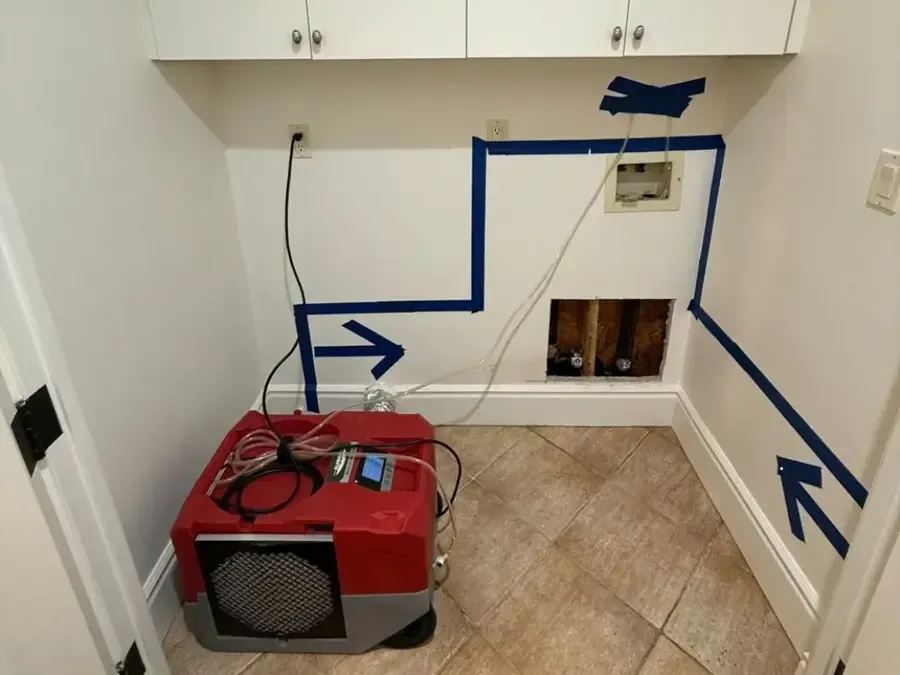
A sequence that follows the damage
Water recovery works best when each stage answers a practical question. The assessment finds the wet boundaries, removal reduces the water load, and repeated measurements show when retained materials can move toward repair.
Visible scope
The work description identifies affected rooms and material layers, so an owner can follow why an apparently small stain may require a wider inspection.
Measured progress
Moisture readings recorded in consistent locations show whether drying is advancing. Equipment placement can change when a concealed section stays wetter than exposed surfaces.
Practical access
Doors, furniture and occupied rooms influence equipment arrangements. A clear access plan reduces unnecessary movement through wet or contaminated portions of the property.
Repair handoff
Completion notes distinguish dry remaining materials from finishes awaiting replacement. That distinction helps the next contractor avoid covering an unresolved pocket of trapped moisture.
What changes water damage costs in Brandon?
Brandon cleanup pricing depends on the source, wet materials and access needed to reach concealed moisture. These planning ranges group smaller losses, broader drying work and more extensive damage; an inspection establishes the property specific scope.
Contained wet area
$500 to $2,000
- Localized water removal
- Limited finish impact
- Accessible drying
Several affected materials
$2,000 to $6,000
- Connected room wetness
- Selective material removal
- Moisture monitoring
Extensive interior damage
$6,000 to $12,000+
- Broader cleanup
- Concealed water spread
- Complex drying
Source repair, replacement finishes and damaged belongings may involve separate costs. A written scope should show what the cleanup estimate includes before equipment or material removal is authorized.
Water conditions shape the removal plan
Supply water release
A broken supply pipe starts with source isolation. Contact with dirty materials and the time water remains in place can change the cleanup requirements.
Pipe release cleanupAppliance discharge
An appliance spill may include wash water or residue. The assessment follows the liquid beneath cabinets and flooring instead of judging only the visible surface.
Hidden appliance spreadSewage contamination
Wastewater needs separation from living space and controlled handling of affected belongings. Porous materials may need removal before hard surfaces can be cleaned and dried.
Contaminated room recoveryDocumentation begins before surfaces disappear
Photos, source information and itemized work records help an insurer evaluate a loss. Coverage depends on the policy and circumstances, so cleanup documentation should describe the damage accurately without predicting a claim decision.
- Photograph the first visible water from a safe location.
- Record when the source was discovered and stopped.
- Keep invoices for emergency work and source repairs.
- List belongings affected by water or necessary removal.
- Save the drying records with the written scope.
When paying directly
A direct payment decision still benefits from a written work description. The estimate should distinguish extraction, material removal and drying so the owner can understand the proposed sequence.
Changes discovered after opening a wet assembly should be explained before additional work proceeds. Keep the revised scope alongside the original estimate and completion notes.
Separate stormwater history from today’s inspection
Mead Lake and Timber Pond appear in a documented account of recurring roadway flooding. Indoors, the cleanup decision still starts with the current entry route, contamination concerns and the materials that became wet.
September 10, 2018: FOX 13 reported flooding on Timber Pond Drive. Hillsborough County attributed the roadway conditions to rising interconnected pond and lake levels during extended rainfall.
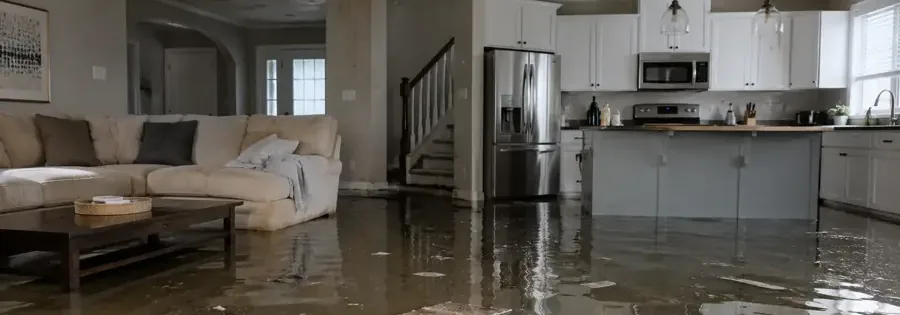
Outside water entry
Floodwater that crosses a threshold can wet low wall materials and carry debris. The affected interior needs inspection after access becomes safe for cleanup.
Concealed plumbing releases
A supply failure may spread through connected floor layers before appearing in another room. Source isolation and moisture mapping address different parts of that problem.
Overhead wet materials
Ceiling stains can outlast the leak that produced them. An inspection checks insulation and framing above the finish before patching or paint hides the area.
Humid drying conditions
The community has a humid subtropical climate. Controlled indoor drying helps remove released moisture from the air while wet building materials gradually give it up.
Property specific flood exposure
Hillsborough County provides flood zone and floodplain viewers. These tools support property planning, while the current water loss requires a separate inspection of actual damage.
Questions before arranging water damage cleanup
What should happen when a puddle keeps growing?
An active source needs attention before drying can make progress. An accessible supply valve may stop a plumbing release, but nobody should cross wet electrical areas to reach it. Keep occupants away, describe the ongoing flow, and arrange the appropriate source repair along with damage assessment.
Does a dry surface mean the room is finished?
Surface appearance leaves questions about materials underneath. Water can remain beneath flooring, behind trim or inside insulated cavities after the visible puddle disappears. Measurements at affected layers help determine whether additional access or drying is needed before replacement finishes close the assembly again.
What is the community’s local designation?
Brandon is an unincorporated community and census designated place in Hillsborough County. The property location and access details are useful when arranging work. Neighborhood names such as Limona or Kensington Estates can provide context, but the actual damaged rooms determine the cleanup plan and equipment placement.
Can cleanup start before an insurance decision?
The owner can discuss emergency measures with the insurer while documenting active damage. Photographs, source repair records and a clear estimate help explain why work was necessary. Policy terms control payment decisions. The cleanup scope should identify the work being authorized rather than assume a later reimbursement.
How is sewage different from a supply leak?
Sewage introduces contamination that changes handling, access and material decisions. Keep people and pets away from affected rooms. Cleaning may require removal of porous finishes and controlled treatment of retained surfaces. Household fans should not be used to blow air across wastewater and into adjoining living areas.
Will every wet wall need to be removed?
Removal depends on the water condition, the material and whether trapped moisture can be reached. An intact surface may conceal saturated insulation, while another assembly may be suitable for controlled drying. The inspection should explain the reason for each opening and identify which materials are expected to remain.
What affects the time needed for drying?
Material thickness, hidden layers, indoor humidity and the amount of retained water all influence progress. Equipment supports moisture removal, but repeated readings determine whether the target is being reached. A calendar alone cannot show that the underside of flooring or a closed wall cavity is ready for repair.
Does the cleanup estimate include fixing the leak?
Source repairs and damage recovery should be described separately. A plumber may repair a failed connection while cleanup addresses wet finishes around it. Roofing and replacement flooring can also require separate arrangements. The written estimate should explain these boundaries so the owner knows which work remains after drying.
What information is useful during the first call?
Describe the apparent water source, the rooms affected and whether the supply or entry has stopped. Mention unsafe ceilings, wet electrical equipment, wastewater, stairs and restricted access. Photos can help explain the situation when taken safely. An onsite assessment then establishes the material condition and practical recovery steps.
Turn the visible damage into a workable plan
A focused assessment connects water removal, controlled drying and the repairs needed to return affected rooms to use.
(888) 621-2041Arrange an assessment of affected rooms