Ceiling Leak Water Damage in Lithia, FL
Water overhead can weaken drywall and reach electrical fixtures before the room below looks badly damaged. The restoration crew assesses the cavity, controls access and dries retained materials after source repair.
(888) 621-2041Discuss the overhead water hazard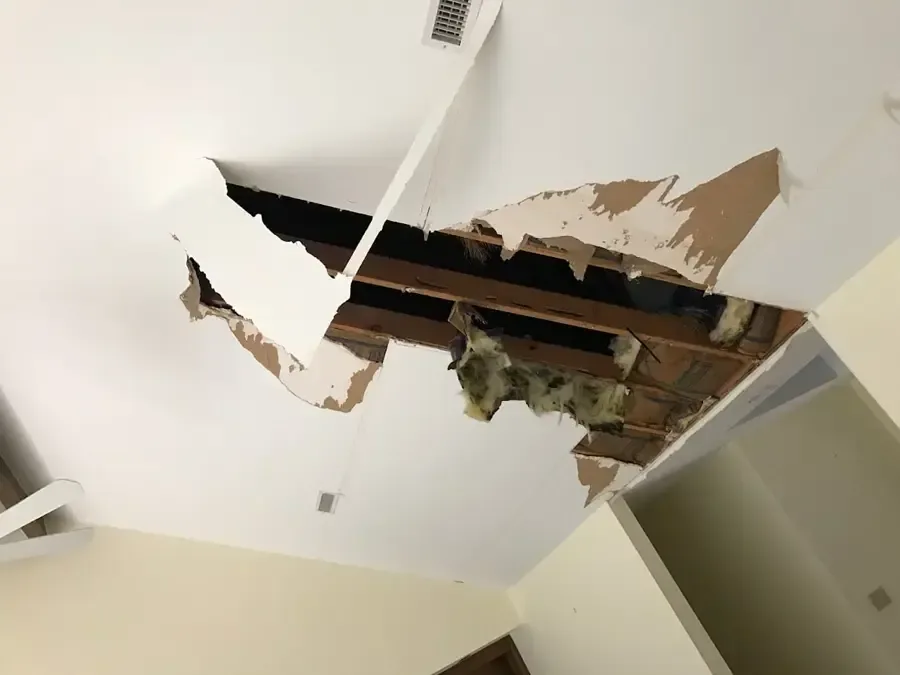
An overhead stain can begin with a bath overflow, pipe connection, roof opening or equipment drain. The inspector checks the actual space above it rather than assuming the source. A ceiling can also collect water from another bay, so the visible mark may understate the wet area. The first decision concerns safe access, not repainting.
First steps for ceiling leak water damage
- Clear the overhead zone. Occupants move away from sagging drywall and keep children and pets outside the affected room until the ceiling receives a safe assessment.
- Avoid wet controls. The household leaves damp switches, ceiling lights and nearby powered equipment alone and requests professional electrical guidance where water has reached them.
- Note what operates above. The owner records whether dripping follows a bath, appliance cycle or rain, giving the inspector useful source clues without guessing the diagnosis.
- Preserve visible evidence. Photographs from a dry safe position show the stain, seams and contents below before controlled access changes the overhead finish.
How ceiling leak water damage works
Assess overhead hazards
The technician checks instability and electrical exposure, establishes a safe work zone and identifies the trades needed to investigate the source above the room.
Map the affected cavity
The inspector tests adjoining bays and wall tops, documenting how far the water traveled before choosing access locations and material removal boundaries.
Dry retained framing
The crew removes unsuitable wet layers and applies controlled airflow and dehumidification, repeating moisture checks to verify progress within the opened assembly.
Coordinate ceiling closure
The team records final conditions and source-repair status, helping the owner sequence insulation, drywall and finish work after unresolved moisture has been addressed.
Ceiling leaks need a vertical moisture map
The technician follows water from its source through the overhead cavity and into the room below. The inspection may include wall tops, floor edges and furnishings. Homes near the C.W. Bill Young Reservoir, Alafia River Corridor and Chito Branch Reserve receive building-specific checks of the ceiling assembly and the actual source above the room.
- The team asks what plumbing, roof space or equipment sits above the stain.
- The inspector checks adjoining bays instead of relying on the outline of discolored paint.
- The crew records sagging, softened seams and any electrical exposure before opening the ceiling.
- The owner preserves photographs of the original condition and notes when dripping occurs.
A moisture map also records lower surfaces affected by falling water, keeping the ceiling work connected to the rest of the room.
Controlled ceiling access protects the room below
Wet drywall can lose strength, and a bulge may conceal a water load. The team establishes a clear work area, assesses electricity and plans removal from a safe position. Occupants avoid standing under the affected finish. The crew removes material that cannot remain and checks insulation for saturation or contamination.
An opening should expose the wet assembly that needs treatment, not simply create a cosmetic patch. The inspector explains whether the source requires a plumber, a roofing professional or another appropriate trade. Interior drying proceeds with source control so repeated dripping does not reset the work.
Ceiling Leak Water Damage help
Overhead water needs a safe cavity assessment before a cosmetic repair. Describe any sagging, nearby fixtures and the activity that seems to trigger the drip.
Framing stays under observation during drying
The drying specialist measures retained wood and adjoining finishes, then places equipment to support evaporation from the opened cavity. Dehumidification removes moisture from room air. Repeated measurements show whether the cavity responds and whether another hidden pocket needs access.
Do not test a wet light switch
The household avoids switches and fixtures in the affected ceiling and does not enter standing water beneath them. An electrical professional checks safe power. A person should not puncture a sagging ceiling, pull a wet fixture or climb into an unsupported cavity.
The county explains construction permit review for repair work. Its water-system reporting page covers suspected main issues, which require a different investigation from an isolated interior ceiling leak.
Ceiling repairs follow a documented drying goal
The crew records opening locations, removed materials and the readings for retained framing. The owner can use that record to coordinate insulation and finish replacement after source repair. Insurance terms vary with the cause and policy, so the drying scope should not imply that a stained ceiling automatically qualifies for payment. Repainting belongs after the moisture and repair decisions.
What does ceiling leak water damage cost in Lithia, FL?
Ceiling leak restoration often costs $700 to $4,500 before replacement finishes. The wet area, insulation, safe access, source location and damage to adjoining rooms influence the scope. Electrical and source repairs need separate assessment.
Localized ceiling wetness
$700 to $1,500
- Targeted moisture checks
- Limited access
- Drying setup
Several ceiling bays
$1,500 to $3,000
- Insulation decisions
- Protected removal
- Cavity monitoring
Ceiling and room damage
$3,000 to $4,500
- Broader water path
- Multiple assemblies
- Documented drying handoff
The Lithia water damage cost calculator gives an estimate only. The inspection determines the scope, including water category, affected area, material class and drying delay.
Measured care for ceiling leak water damage
Rapid local response
The response team treats spreading water as urgent and gathers the source, room count and safe access details. Dispatch operates 24/7; conditions and availability determine the response.
IICRC S500 drying standard
The drying crew compares affected assemblies with dry reference materials, adjusts equipment to the evaporation load, and records progress. A dry-looking surface alone does not complete the work.
Claim-ready documentation
The technician links photographs to the moisture map and records material removal, equipment placement and drying readings. That record explains the restoration scope without promising an insurer's decision.
Local water experts
A property inspection distinguishes rain entry, an internal supply leak and contaminated outside water. The restoration plan follows the actual source and materials, with access and safety assessed separately.
Ceiling leak water damage in Lithia
Coverage includes ZIP 33547, the communities along Lithia Pinecrest Road and Rose Street, and properties around the Alafia River Corridor, Chito Branch Reserve and the C.W. Bill Young Reservoir. The restoration team checks the water source and wet materials at each building.
Nearby service areas include Fish Hawk, Bloomingdale, Valrico, Brandon and Riverview.
Related water damage services in Lithia
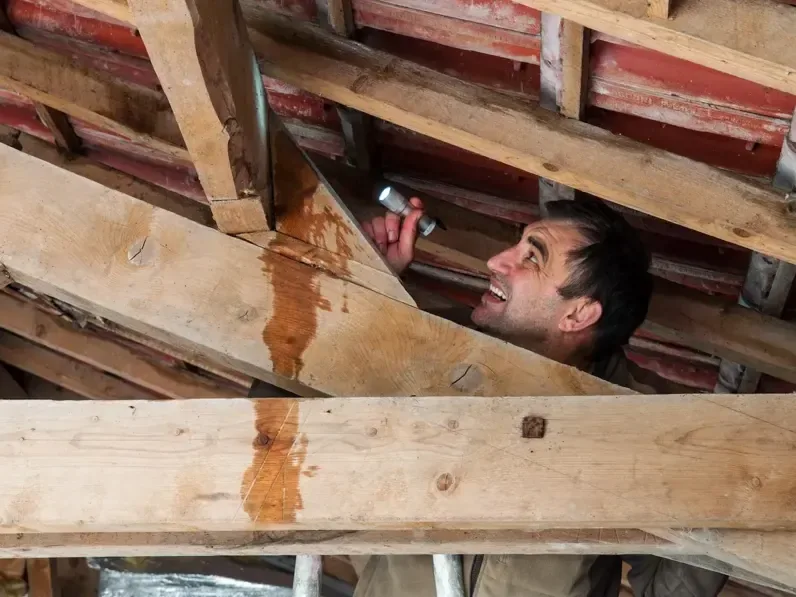
Roof Leak Water Damage
Roof entry can leave insulation and timber wet below the leak.
View service details ›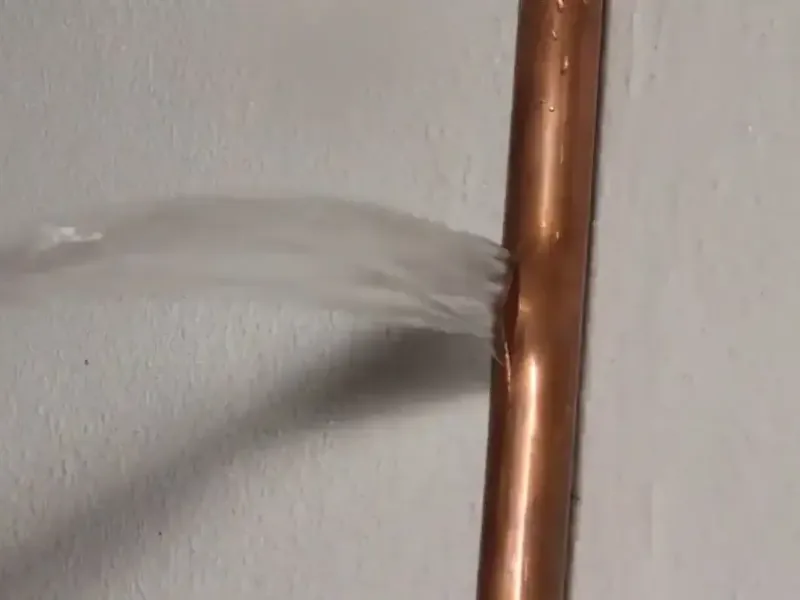
Burst Pipe Water Damage
A stopped supply leak leaves wet layers to inspect and dry.
View service details ›
Structural Drying and Dehumidification
Material readings guide airflow, humidity control and drying completion.
View service details ›Ceiling Leak Water Damage questions in Lithia, FL
Can the ceiling collapse after dripping stops?
A stopped drip does not restore the strength of saturated drywall or remove water trapped above it. Occupants should stay clear of sagging, softened or bulging areas until a professional assesses them. The team considers the material condition and load before access. A room that looks quieter after the supply closes may still contain an overhead hazard.
How does the inspector distinguish roof and plumbing leaks?
The technician reviews the timing and checks the systems above the affected area. Rain-related symptoms may point toward the roof, while a bath or appliance cycle can suggest plumbing. Those clues need confirmation through inspection. The restoration scope follows the wet materials, while the appropriate trade establishes and repairs the actual source.
Does the whole ceiling need removal?
Not automatically. The team evaluates wetness, contamination, stability and access before defining the opening. Some retained materials can dry after targeted access; damaged or unsafe finishes require removal. The moisture map and condition findings should explain the boundary. Preserving sound material and reaching all wet areas are both part of a sensible restoration scope.
Why check the walls below an overhead leak?
Water can travel down inside a wall after reaching the ceiling perimeter. The visible floor may stay relatively dry while wall insulation or lower framing becomes wet. The inspector tests that route and checks adjoining rooms. Drying only the exposed ceiling surface can miss moisture in the vertical assembly and lead to premature finish repairs.
Can ceiling drying begin at night in Lithia?
The team handles ceiling-water requests 24/7, with access and hazard conditions determining the response. The caller should mention sagging material and water near lights or switches. The household remains outside unsafe areas while the team assesses the request. No drying setup should begin before electrical and overhead safety permit work in the affected space.
When can new drywall cover the opening?
The source should be controlled and the retained assembly should reach its measured drying goal. The record also needs to identify any unfinished electrical, plumbing or roof work. The owner coordinates those tasks with finish replacement. Closing an opening because the paint stain faded can trap moisture or conceal a repair that still needs inspection.
Will the insurer need pictures before removal?
Photographs of the original ceiling, the suspected source and affected belongings can help explain the loss. The crew adds cavity images and moisture measurements as access opens. The insurer applies policy terms to the cause and scope. The insurer reviews that documentation and decides payment for drywall, insulation, electrical work and source repair under the policy.
Ceiling water recovery in Lithia
The drying team checks retained framing before the ceiling receives replacement finishes.
(888) 621-2041Arrange overhead moisture assessment