Ceiling Leak Cleanup in Bloomingdale
A wet ceiling raises two questions: what is feeding it, and what can safely remain overhead? Bloomingdale ceiling cleanup connects the source above with the damaged materials and room below.
(888) 621-2041Discuss the wet overhead area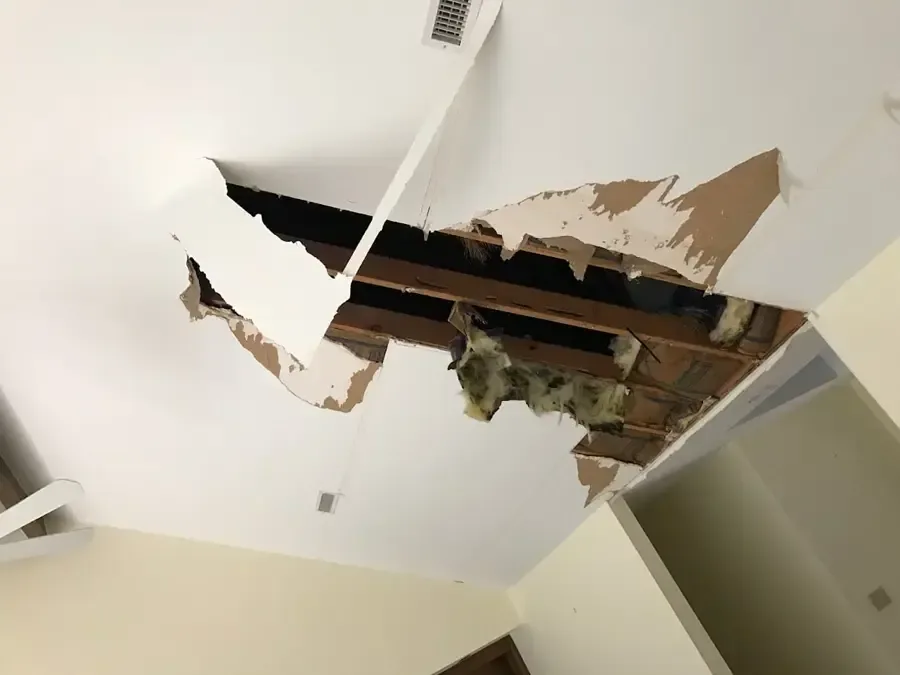
The room above a wet ceiling matters. Bloomingdale includes both single story and two story home layouts, so overhead water may relate to an attic assembly or an occupied upper room. A ceiling cleanup assessment starts by identifying that arrangement, then follows the source and the materials that received water beneath it.
First steps for ceiling leak water damage
- Keep the area below clear. Restrict access beneath loose panels. Leave furniture beneath damaged ceiling material untouched until the overhead stability and electrical conditions have been assessed.
- Identify the upper space. Describe whether an attic, bathroom, laundry area, or other room is above the damage. Mention recent water use or rain associated with the first drip.
- Document the ceiling changes. Record stain growth and the rooms receiving drips from a safe position. Include wall streaks and floor wetness that developed after the overhead leak began.
- Leave fixtures and panels alone. Do not remove lights or puncture the ceiling. Controlled access should account for electrical conditions, retained water, and the stability of the materials overhead.
How ceiling leak water damage works
Assess stability and source context
The room arrangement and ceiling condition are examined together. Electrical or falling material concerns are addressed before access beneath the damaged assembly expands.
Protect the room for opening
The work area is prepared for water and debris. Openings expose affected materials and reveal the concealed path above the finish without unnecessary disturbance.
Inspect and dry the cavity
Remaining materials receive moisture checks. Equipment is arranged around accessible wet surfaces, with adjustments based on readings from identified locations within the affected assembly.
Record conditions for ceiling repair
The handoff identifies the source status, removed panels, drying results, and remaining damage. That record supports reconstruction of the ceiling and affected room surfaces.
Keep the occupied room out of the work path
Sagging panels, loose trim, and wet light fittings call for restricted access. Furniture should be moved only when it can be reached without standing under the damaged area. Photographs from the doorway can document the loss while avoiding unnecessary movement through a room whose overhead condition has not been assessed.
In Erindale Oaks, as elsewhere in the community, the actual building determines what sits above the stain. The assessment should ask about bathrooms, appliances, and roof access rather than assuming the nearest visible fixture caused the water entry.
- Describe the first place that dripped and any later spread toward the wall edges.
- Identify an upper room fixture that was operating when the ceiling first became wet.
- Keep people away from softened panels even after the visible dripping has stopped.
- Include wet furniture and flooring below the ceiling in the initial damage record.
Match the opening to the concealed damage
A controlled opening can reveal wet insulation, framing, and the water path above the finish. The proposed opening should have a clear inspection or removal purpose. Room protection and debris handling belong in the plan before damaged material is disturbed over furniture or finished flooring.
Homes along Natures Way Boulevard and Bell Shoals Road have individual layouts and access constraints. A ceiling bay above a hallway may need a different work route from one above a furnished room. The scope should describe how the affected assembly will be reached and how unaffected areas will remain separated.
Ceiling Leak Water Damage help
A changing ceiling stain needs a safe inspection of the assembly above it. Describe the upper space, visible sagging, and any water reaching the room below when arranging help.
Follow moisture into adjoining surfaces
Water collected overhead can also run down a wall or fall into a floor covering. Those receiving materials need assessment alongside the ceiling itself. Where a supply pipe caused the entry, burst pipe cleanup can be coordinated with the overhead work and source repair.
Keep wet light fittings untouched
Do not operate switches or remove fittings in a wet ceiling area. Electrical assessment should establish safe conditions before cleanup proceeds nearby. A ceiling that stops dripping may still contain water around services or softened material that can fall when disturbed from below.
Rebuild after the cavity is assessed
Replacement panels should follow documented drying of the retained assembly. The completion record needs to identify the source status, removed material, readings, and repairs still outstanding. That sequence gives the finish contractor a clear basis for closing the ceiling without hiding an unresolved wet cavity.
What does ceiling leak water damage cost in Bloomingdale, FL?
Ceiling leak cleanup in Bloomingdale has planning examples from $700 to $4,500. Panel stability, cavity access, insulation, and damage beneath the ceiling affect the scope. Source repair and replacement finishes should be clearly separated in the estimate.
Localized ceiling wetness
$700 to $1,500
- Small overhead area
- Basic room protection
- Targeted moisture inspection
Several ceiling bays
$1,500 to $3,000
- Broader controlled opening
- Concealed material checks
- Cavity drying access
Ceiling and room damage
$3,000 to $4,500
- Receiving floor assessment
- Additional surface drying
- Expanded repair record
The water damage cost calculator gives an estimate only. The inspection determines the scope, including water category, affected area, material class and drying delay.
Measured care for ceiling leak water damage
Rapid local response
The response team treats spreading water as urgent and gathers the source, room count and safe access details. Dispatch operates 24/7; conditions and availability determine the response.
IICRC S500 drying standard
The drying crew compares affected assemblies with dry reference materials, adjusts equipment to the evaporation load, and records progress. A dry-looking surface alone does not complete the work.
Claim-ready documentation
The technician links photographs to the moisture map and records material removal, equipment placement and drying readings. That record explains the restoration scope without promising an insurer's decision.
Local water experts
A property inspection distinguishes rain entry, an internal supply leak and contaminated outside water. The restoration plan follows the actual source and materials, with access and safety assessed separately.
Ceiling leak water damage in Bloomingdale
Single story and two story layouts are part of the community's housing mix. For properties near Erindale Oaks, Natures Way Boulevard, or Bell Shoals Road, explain what sits above the damaged ceiling and whether any lower room contents are wet.
The same service nearby: ceiling leak water damage in Lithia, Fish Hawk, Valrico.
Water damage restoration in Bloomingdale · every town covered
Related water damage services in Bloomingdale
Roof Leak Water Damage in Bloomingdale
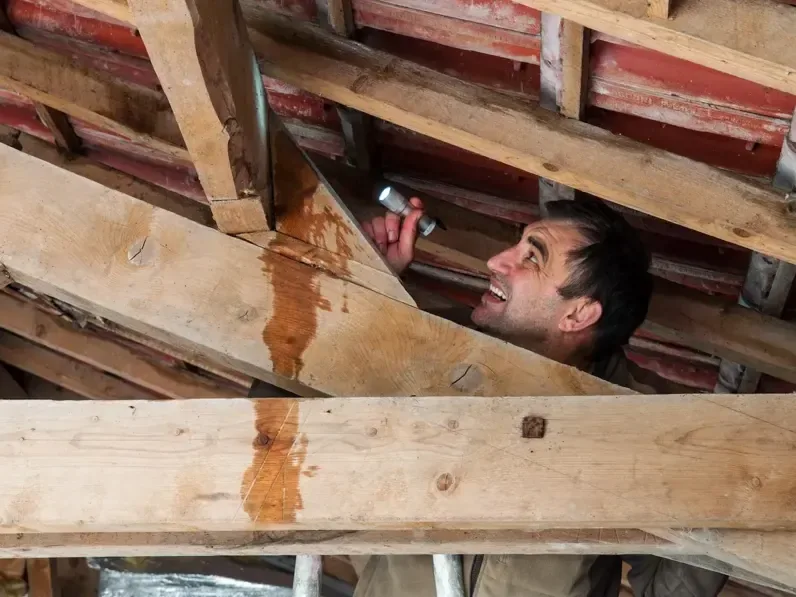
Roof entry can leave insulation and timber wet below the leak.
View service details ›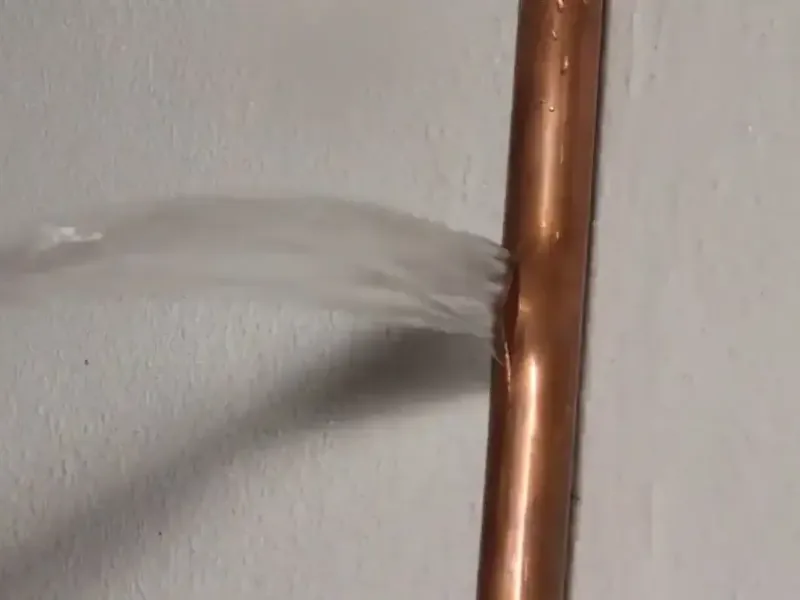
Burst Pipe Water Damage in Bloomingdale
A stopped supply leak leaves wet layers to inspect and dry.
View service details ›
Structural Drying and Dehumidification in Bloomingdale
Material readings guide airflow, humidity control and drying completion.
View service details ›Ceiling Leak Water Damage questions in Bloomingdale, FL
Why does the upper room matter when assessing a ceiling leak?
The space above helps direct the source investigation. An occupied room may contain plumbing fixtures or appliances, while an attic can involve a roof water path. The assessment should connect those possibilities to observed moisture instead of assuming a cause from the stain alone. Once the source is identified, cleanup follows the materials wet along its route.
Can the room remain occupied beneath a damp ceiling?
Occupancy depends on the ceiling's stability, electrical condition, and work required. Bowed panels, loose material, or wet light fittings are reasons to keep the area clear until assessment. The cleanup plan should establish a safe boundary and explain any access restrictions. A small visible stain can still require inspection above the finish before normal activity resumes underneath.
Is opening the ceiling always part of the cleanup?
An opening is a decision based on inspection access, damage, and the ability to dry the concealed assembly. Some conditions can be assessed through existing access; others require controlled removal of affected panels. The scope should explain the reason and location. Material that is unstable or blocks necessary access should receive its own documented removal decision.
What if the stain continues to grow after the source stops?
Water already within the assembly can continue moving into the ceiling finish after new entry ends. The source condition should be checked, and the retained moisture path should be assessed. That may include insulation and adjacent bays beyond the first mark. Repeated photographs and moisture readings help distinguish changing interior damage from an ongoing supply or roof problem.
Does ceiling cleanup include the wet carpet underneath?
The scope should include all materials affected by water falling from the ceiling, including carpet, padding, furniture, and wall surfaces. Those items may require different handling from the overhead assembly. The initial assessment should identify them separately so extraction, contents decisions, and drying access are coordinated. A ceiling only estimate may leave the receiving room incompletely addressed.
When should replacement insulation and panels be installed?
Installation belongs after the retained cavity has been assessed and drying targets have been met. Source correction should also be documented so new materials are not exposed to continuing entry. The repair contractor needs the removal scope and drying result, along with any outstanding electrical or plumbing work. That handoff prevents closure from interrupting necessary inspection or drying access.
What records help explain a ceiling leak to an insurer?
Useful records include the first visible damage, the room arrangement, source findings, photographs of opened materials, and drying measurements. An itemized scope should distinguish overhead removal from damage to walls and flooring below. The insurer determines coverage under the policy. A clear sequence of observations and work makes the loss easier to assess without relying solely on the final repaired appearance.
Assess the ceiling before covering damage
Coordinate overhead access, drying, and repairs around the materials that received the water.
(888) 621-2041Plan the overhead cleanup assessment