Structural Drying and Dehumidification in Lithia, FL
Dry-looking paint can hide moisture in framing and floor layers. The drying specialist maps affected materials, sets a reference goal and adjusts airflow and dehumidification according to repeated measurements.
(888) 621-2041Discuss materials that remain wet
Structural drying addresses moisture stored inside the building after bulk water removal. The amount remaining depends on the material, depth of wetting and available access. A technician checks the actual assembly rather than selecting equipment from room size alone. The drying record should show what was wet, what stayed and how each retained material changed over time.
First steps for structural drying and dehumidification
- Keep the setup intact. Occupants leave equipment placement and settings as arranged unless a safety concern requires attention, then promptly discuss changes with the drying specialist.
- Report new wetness. The owner notes any renewed drip or spreading stain so the team can recheck source control instead of treating stalled readings as an equipment issue.
- Maintain safe routes. The household keeps exits and equipment access clear and avoids moving hoses or cords into wet traffic areas.
- Ask about the goal. The owner requests the material-specific completion criteria and the next measurement visit, clarifying what evidence supports the end of drying.
How structural drying and dehumidification works
Establish dry references
The technician tests affected and comparable unaffected materials, mapping repeat locations and defining goals that match the actual floor, wall or framing assembly.
Match the moisture load
The specialist sizes airflow and dehumidification for the retained wet materials and available access, after required extraction, cleaning and removal have been completed.
Track and adjust
The crew records indoor conditions and material readings, then changes equipment or access when the trend shows a wet pocket or reduced drying progress.
Verify the final handoff
The team documents achieved goals and any separate finish-testing requirements, allowing reconstruction decisions to follow measured material conditions rather than a fixed equipment schedule.
A drying plan starts with material differences
Drywall, wood, concrete and layered flooring release moisture differently. The specialist identifies the wet assembly and compares suitable dry references. The source also matters: contaminated materials may require removal and cleaning before drying begins. A property around Chito Branch Reserve, the C.W. Bill Young Reservoir or the Alafia River Corridor needs measured indoor conditions, not assumptions based on nearby landscape.
- The technician marks repeat test points so daily readings compare the same material locations.
- The crew records water category and the extent of absorption before choosing the drying setup.
- The inspector notes barriers such as coverings or cabinets that restrict evaporation from wet layers.
- The team identifies finishes that cannot be restored even if their moisture content falls.
Air movers and dehumidifiers perform different jobs
Air movement helps moisture evaporate from exposed wet surfaces. Dehumidification removes that moisture from the air so evaporation can continue. Equipment needs to work as a system. Adding fans without controlling humidity can move damp air without solving the remaining moisture load.
The specialist checks indoor temperature, relative humidity and material readings. The equipment arrangement changes when a zone dries, a concealed pocket opens or measurements stall. Equipment should not block a safe exit or force occupants to step over unsafe cords. The work plan accounts for household access as well as drying performance.
Structural Drying and Dehumidification help
A dry surface is only one observation. Describe the wet materials and any equipment already running so the specialist can assess the moisture that remains in the assembly.
Readings decide when structural drying ends
The drying goal uses suitable reference materials and appropriate measurement methods. A meter reading needs context: dense concrete and wood do not share one universal interpretation. The technician records progress toward the selected goal and identifies any separate finish-installation testing needed before rebuilding.
Do not switch equipment off to test the floor
Occupants should discuss noise, heat or access concerns with the drying team before changing the setup. Unplanned interruptions can alter indoor conditions and obscure progress. The technician adjusts equipment safely and documents any necessary shutdown rather than judging completion by touch.
The county provides repair permit guidance. Its flood-zone information helps owners review property context, while the drying crew measures the separate question of moisture remaining indoors.
Drying documentation supports the rebuilding handoff
The record includes the initial moisture map, equipment placement, daily conditions, material readings and final goals. It also lists areas that could not be inspected and repairs still outstanding. The owner can share that record with the insurer and finish contractors. A documented dry-out explains the restoration work without promising policy coverage or replacing an installer-specific acceptance test.
What does structural drying and dehumidification cost in Lithia, FL?
Structural drying and dehumidification commonly ranges from $1,000 to $5,000 for a contained to several-room loss. Wet material density, access, equipment quantity and monitoring time affect cost; extraction, contamination cleanup and reconstruction can add separate work.
One drying zone
$1,000 to $2,000
- Initial moisture map
- Controlled airflow
- Repeat measurements
Several wet assemblies
$2,000 to $3,500
- More dehumidification
- Multiple test locations
- Setup adjustments
Dense or broad moisture load
$3,500 to $5,000
- Extended monitoring
- Targeted access
- Detailed completion record
The Lithia water damage cost calculator gives an estimate only. The inspection determines the scope, including water category, affected area, material class and drying delay.
Measured care for structural drying and dehumidification
Rapid local response
The response team treats spreading water as urgent and gathers the source, room count and safe access details. Dispatch operates 24/7; conditions and availability determine the response.
IICRC S500 drying standard
The drying crew compares affected assemblies with dry reference materials, adjusts equipment to the evaporation load, and records progress. A dry-looking surface alone does not complete the work.
Claim-ready documentation
The technician links photographs to the moisture map and records material removal, equipment placement and drying readings. That record explains the restoration scope without promising an insurer's decision.
Local water experts
A property inspection distinguishes rain entry, an internal supply leak and contaminated outside water. The restoration plan follows the actual source and materials, with access and safety assessed separately.
Structural drying and dehumidification in Lithia
Coverage includes ZIP 33547, the communities along Lithia Pinecrest Road and Rose Street, and properties around the Alafia River Corridor, Chito Branch Reserve and the C.W. Bill Young Reservoir. The restoration team checks the water source and wet materials at each building.
Nearby service areas include Fish Hawk, Bloomingdale, Valrico, Brandon and Riverview.
Related water damage services in Lithia

Water Extraction and Removal
Standing water removal reaches flooring edges and adjoining rooms.
View service details ›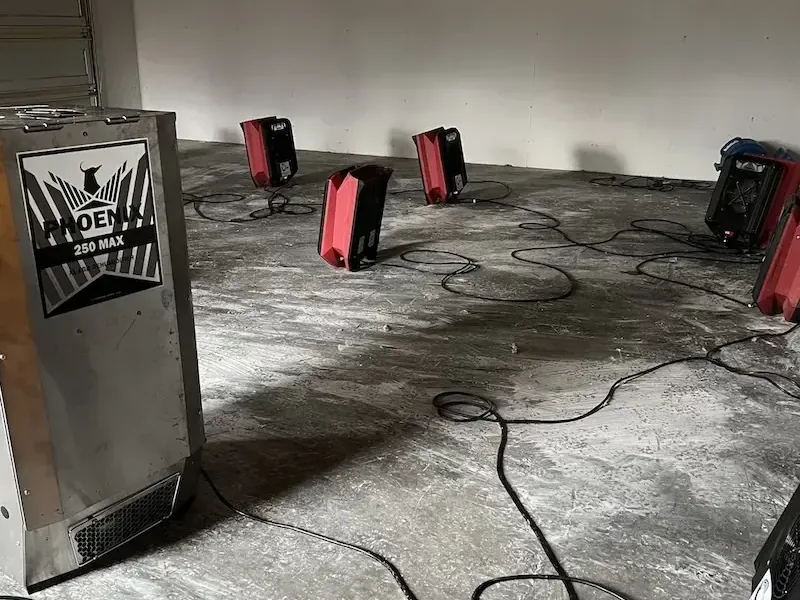
Slab Leak Water Damage
Moisture mapping guides drying after an underfloor pipe repair.
View service details ›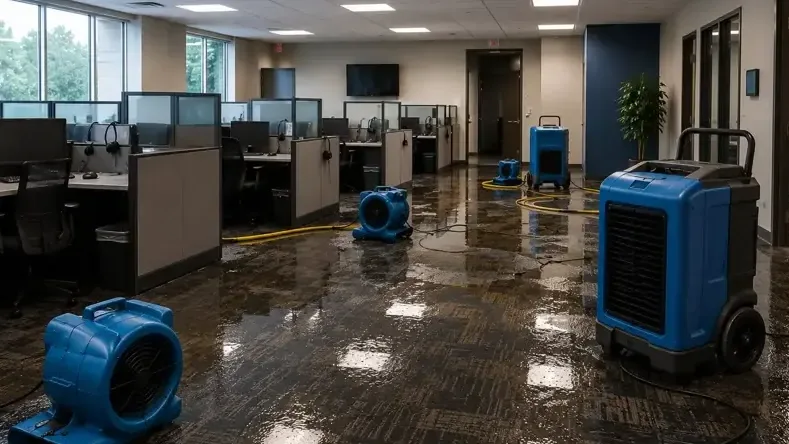
Commercial Water Damage
Work areas and access routes are coordinated during commercial drying.
View service details ›Structural Drying and Dehumidification questions in Lithia, FL
Why can a wall feel dry while its reading stays high?
The exposed surface can lose moisture before the material behind it. Paint, coverings and insulation may also restrict evaporation. The technician interprets repeat measurements alongside the assembly and a suitable dry reference. Touch alone cannot show the condition inside framing or underlayment, so the equipment decision follows the drying record rather than how the room feels.
Does every wet material use the same moisture goal?
No. Wood, concrete, drywall and other assemblies need appropriate measurement methods and reference points. The drying specialist establishes goals for the materials that remain. A flooring installer may require additional testing for a particular finish. The restoration record should explain those differences so a single number is not misapplied to every surface in the building.
What does IICRC S500 contribute to the plan?
IICRC S500 provides the industry framework for water damage restoration and structural drying. The work considers the source, contamination, extent of wetting, materials and drying verification. Naming the standard does not replace a site inspection or certify a person. The technician still needs to show the actual moisture map, equipment rationale and recorded progress for the property.
Can doors and windows stay open during dehumidification?
The drying plan depends on controlled conditions. Opening the building can introduce air that changes temperature and humidity and reduces equipment effectiveness. The owner should discuss ventilation needs with the technician before changing the setup. Some situations benefit from a particular air strategy, but a universal instruction to open every window is not a substitute for measured conditions.
Is drying assistance available 24/7 in Lithia?
The response team handles drying requests 24/7, especially when active water or delayed extraction creates an urgent need. The caller describes the source and what has already been removed or repaired. The specialist assesses safe access and equipment requirements. Availability does not imply a fixed completion date; material readings and the actual wet assembly determine progress.
Why might a drying reading stop improving?
A continuing source, trapped layer, unsuitable access or changing indoor conditions can slow the trend. The technician reviews the setup and checks for concealed wet pockets. More equipment is not always the only answer. The record should explain the adjustment and its effect at repeat test points, making the next decision traceable to observations.
When can replacement flooring be installed?
The source should be controlled, the retained assembly should meet the restoration drying goal and any finish-specific tests should be satisfied. The flooring professional may require a separate acceptance method. The owner coordinates those requirements using the drying record. Installing a new covering simply because the surface looks dry can conceal moisture that still affects the assembly.
Measured structural drying in Lithia
The drying team follows repeat readings and documents the conditions needed before rebuilding.
(888) 621-2041Arrange a drying-progress assessment