Water Extraction in Bloomingdale
A puddle beside the doorway can be the edge of a much larger wet area. Bloomingdale water extraction addresses pooled water while checking the floor assemblies and wall edges around it.
(888) 621-2041Discuss removal of the pooled water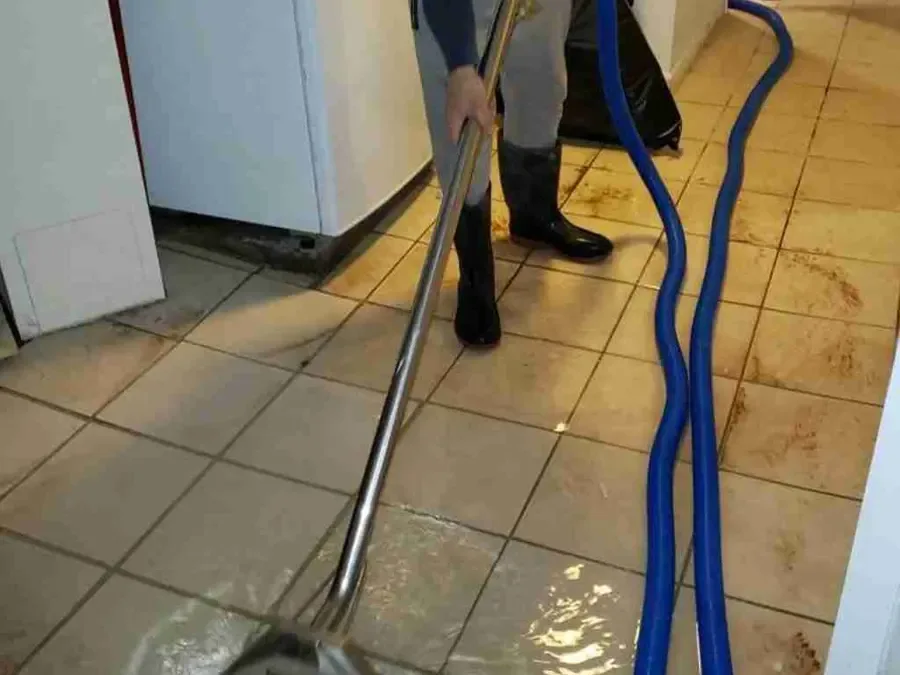
Water extraction in Bloomingdale begins with the space between the visible puddle and the materials that have absorbed it. Along Bell Shoals Road, the source room and the wettest room may be different. Thresholds, furniture bases, and seams can redirect water, leaving a small visible area while moisture continues beneath a connected finish.
First steps for water extraction and removal
- Describe the entry. Identify the room where water appeared and whether it continues to accumulate. Mention any nearby appliance, plumbing fixture, or exterior opening.
- Preserve safe passage. Keep occupants away from wet electrical areas and slippery thresholds. A dry route helps workers bring equipment inside without crossing hazards.
- Record the original spread. Take photographs from accessible dry locations before moving belongings. Include the transition from visibly wet flooring into the next connected room.
- Explain access limits. Mention locked areas, heavy furniture, and fragile floor finishes. Those details affect how equipment reaches pooled water and how surrounding materials are inspected.
How water extraction and removal works
Locate the collection areas
The assessment identifies the low points where water has gathered and checks adjacent assemblies for moisture beyond the visible puddle or wet floor surface.
Choose a suitable extraction method
Removal equipment is matched to the volume, surface, and contamination concerns. The approach should protect unaffected areas while making wet edges accessible for inspection.
Inspect the exposed condition
After extraction, the remaining floor and wall materials are checked. Findings determine whether a covering can stay or access is needed beneath an enclosed layer.
Plan the drying handoff
Recorded moisture locations become the basis for equipment placement and follow up readings. The homeowner receives a clear distinction between extraction completed and drying still required.
Map the spill before moving through it
The first useful description is how the water arrived and whether it is still entering. A stopped appliance leak presents different access and contamination questions from water carried through an exterior doorway. Equipment selection follows those conditions, the available entry route, and the surface receiving the water.
For a home off Natures Way Boulevard, an assessment should establish which rooms connect to the source. A dry looking hallway does not remove the need to inspect the threshold when the neighboring room has pooled water.
- Inspect floor seams where water can enter beneath the visible surface covering.
- Check lower trim for swelling that suggests wet material behind the painted face.
- Record furniture contact points before items are lifted or relocated for access.
- Separate clean access routes from areas affected by dirty or uncertain water.
Remove the bulk water, then reassess
Extraction equipment collects accessible water so the remaining damage can be examined. The result is a clearer view of the room, not an automatic declaration that its materials are dry. Carpet backing, underlayment, and enclosed edges need their own assessment once standing water has been removed.
Homes around Culbreath Avenue may have different layouts and finishes, so removal decisions belong to the actual room. A loose covering may allow inspection beneath it; a fixed assembly may need another access method. The scope should explain the affected layers and distinguish extraction from any material removal needed to expose them.
Water Extraction and Removal help
A puddle at a doorway deserves a look at the adjoining floor. Describe where water collected and whether the source has stopped so the extraction assessment can follow its path.
Decide what the floor needs next
A moisture map provides the starting point for structural drying. Readings should include suspect areas beyond the puddle and suitable comparison materials. This helps place air movement where it can reach wet surfaces, rather than leaving equipment to circulate air over an intact finish that blocks access underneath.
Avoid improvised electrical access
Standing water around cords, outlets, or plugged in appliances changes the safety decision. People should remain outside that area until the electrical concern is assessed. Household vacuums and extension cords should not become a way to cross or work within a wet electrical space.
Keep the removal record specific
Photographs of the original water boundary, notes about its source, and a list of wet materials help explain the work. When the scope changes after a covering is opened, that newly exposed condition should appear in the record alongside the additional action proposed.
What does water extraction and removal cost in Bloomingdale, FL?
Water extraction in Bloomingdale ranges from $500 to $3,500 in the planning examples below. The inspected area, water condition, access, and remaining wet layers determine the scope; material removal and later repairs should be identified separately.
One contained room
$500 to $1,200
- Accessible pooled water
- Limited wet edges
- Room moisture checks
Several connected areas
$1,200 to $2,400
- Threshold moisture tracing
- Broader equipment access
- Additional surface extraction
Extensive water removal
$2,400 to $3,500
- Large collection areas
- Complex interior access
- Expanded moisture mapping
The water damage cost calculator gives an estimate only. The inspection determines the scope, including water category, affected area, material class and drying delay.
Measured care for water extraction and removal
Rapid local response
The response team treats spreading water as urgent and gathers the source, room count and safe access details. Dispatch operates 24/7; conditions and availability determine the response.
IICRC S500 drying standard
The drying crew compares affected assemblies with dry reference materials, adjusts equipment to the evaporation load, and records progress. A dry-looking surface alone does not complete the work.
Claim-ready documentation
The technician links photographs to the moisture map and records material removal, equipment placement and drying readings. That record explains the restoration scope without promising an insurer's decision.
Local water experts
A property inspection distinguishes rain entry, an internal supply leak and contaminated outside water. The restoration plan follows the actual source and materials, with access and safety assessed separately.
Water extraction and removal in Bloomingdale
The residential community extends along Bell Shoals Road, Natures Way Boulevard, and Culbreath Avenue. Describe the affected entrance and connecting rooms when arranging extraction, including any wet doorway that prevents safe access to an otherwise dry part of the home.
The same service nearby: water extraction and removal in Lithia, Fish Hawk, Valrico.
Water damage restoration in Bloomingdale · every town covered
Related water damage services in Bloomingdale

Structural Drying and Dehumidification in Bloomingdale
Material readings guide airflow, humidity control and drying completion.
View service details ›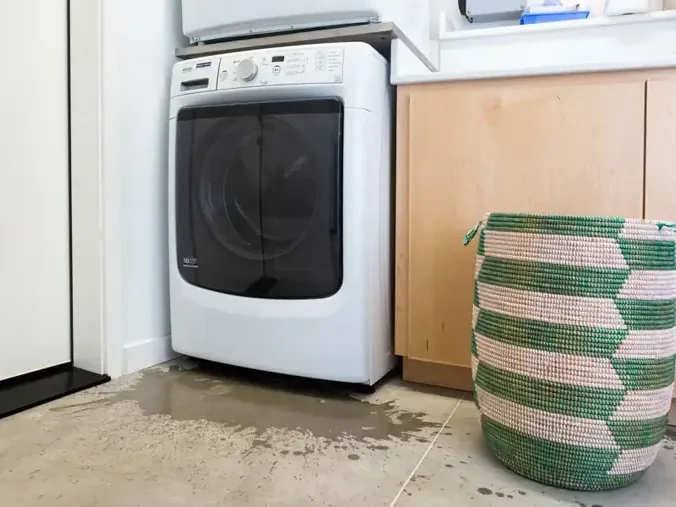
Appliance Leak Water Damage in Bloomingdale
Hidden moisture beneath appliances calls for careful access.
View service details ›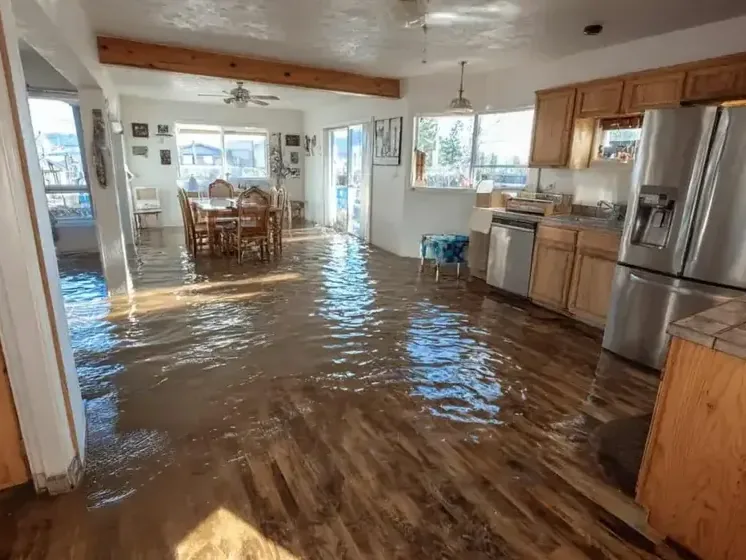
Storm and Flood Cleanup in Bloomingdale
Outside floodwater needs an entry assessment and a cleanup plan.
View service details ›Water Extraction and Removal questions in Bloomingdale, FL
Is extraction useful after the visible puddle has disappeared?
The remaining need depends on where the water went. A floor covering or absorbent material may still hold removable water even when the surface no longer looks flooded. Inspection should identify retained moisture and determine whether extraction, selective removal, or drying equipment is the appropriate next action. The original source and duration of exposure also matter.
Can the wet carpet be kept during water removal?
Carpet retention depends on its condition, backing, exposure, and the water that contacted it. A visibly clean surface alone is not enough to make that decision. The assessment should consider the layers underneath and whether they can be accessed and dried. Contaminated or damaged materials may need removal even when the upper face still appears intact.
Why inspect the next room if it looks unaffected?
Water can move beneath a continuous floor finish or through a doorway before it becomes visible in the adjoining room. Checking that boundary helps avoid leaving hidden wet material outside the drying area. Readings and visible damage should determine the extent of work, with any added room tied to a specific finding rather than a blanket assumption.
Should windows stay open while extraction equipment operates?
Ventilation decisions depend on conditions indoors and outdoors and on the equipment in use. Opening windows without a plan can interfere with controlled drying after extraction. The crew should explain the intended room setup, which doors need to remain open or closed, and when occupants may change it. A consistent environment makes progress readings more useful.
What happens to furniture sitting in the wet area?
Furniture should be assessed for water contact, stability, and safe movement. Some pieces can be relocated to a dry location after documentation, while absorbent or damaged items may need separate handling. Heavy furniture should not be dragged across weakened finishes. The removal plan should also leave enough access to inspect the floor beneath each affected piece.
Does removal include fixing the broken supply connection?
Extraction deals with water already inside the building. Repairing a failed pipe or appliance connection is a separate source control task that needs coordination with cleanup. The estimate should state which work is included, whether another trade is needed, and how continued leakage will be prevented before drying begins. Those boundaries help avoid an incomplete repair plan.
Which details make an extraction estimate easier to assess?
Look for the affected rooms, equipment tasks, moisture inspection, and any proposed removal described in plain language. The scope should distinguish pooled water collection from later drying and reconstruction. If hidden damage expands the job, request the finding and the reason for the change. Photographs and room specific notes help connect the invoice to the original loss.
Get the remaining water assessed
Arrange a closer look at the affected floor layers and the rooms connected to them.
(888) 621-2041Plan removal and moisture checks