Storm and Flood Cleanup in Lithia, FL
The storm cleanup crew assesses safe entry, contaminated water and wet materials before extraction. Lithia properties need a room-specific recovery plan after outside water enters, with drying measured through the remaining structure.
(888) 621-2041Plan the stormwater recovery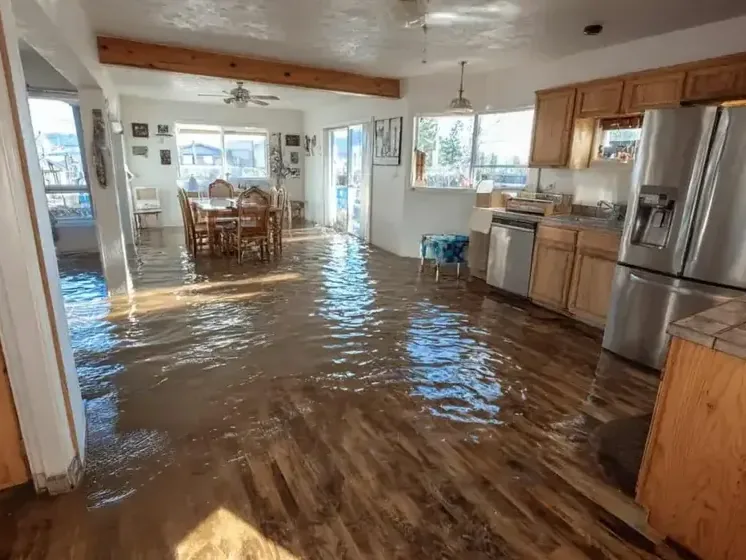
A storm loss can involve more than one entry route. Water may rise across a threshold, enter through a damaged opening or collect behind wall finishes. The restoration technician separates those paths and records the water boundary in each room. Cleaning and material decisions depend on what entered the building, not simply on whether the storm has passed.
First steps for storm and flood cleanup
- Wait for safe access. The household follows official evacuation and entry directions and avoids water near electrical equipment, weakened floors or unstable overhead material.
- Keep the water boundary visible. The owner photographs marks and affected contents from a safe position before cleanup or moving belongings changes the evidence.
- Treat outside water cautiously. Occupants keep pets and children away and avoid using household fans to blow across residue before contamination has been assessed.
- Describe each entry route. The caller explains whether water rose through doors, came from overhead or continued from plumbing, helping the technician plan the initial assessment.
How storm and flood cleanup works
Check entry conditions
The restoration team assesses building access and the observed water sources, then records room boundaries and hazards before pumps or removal tools enter.
Remove flood residue
The crew extracts water and removes affected porous materials under controlled conditions, following the actual contamination and wicking rather than a fixed cut height.
Clean retained assemblies
The technician cleans remaining surfaces and selects appropriate treatment, then maps moisture in framing and floor layers that can remain in the building.
Monitor the dry-out
The drying specialist tracks material readings and indoor conditions, adjusts equipment as the moisture load changes and provides a documented handoff for rebuilding.
The Alafia River history shapes the questions
Reporting after Hurricane Milton describes residents off Lithia Pinecrest Road surrounded by rising Alafia River water, with rescue activity near Rose Street. That history supports careful source questions during a local flood assessment. Current river conditions require current official information, and each property needs its own damage assessment.
The inspector asks when outside water first entered, whether the building remained occupied and whether a second source continued after the main flood receded. Photographs of the original water boundary help reconstruct the affected scope after surfaces begin to dry.
- The team checks safe access, unstable materials and electricity before bringing equipment indoors.
- The technician documents high-water marks and affected belongings before removal changes the scene.
- The crew distinguishes contaminated outside water from a separate clean plumbing release.
- The owner follows official access and evacuation instructions rather than entering to save finishes.
Flood cleanup includes materials that cannot stay
Outside floodwater can carry contaminants into carpet, insulation and other absorbent finishes. The cleanup team identifies porous material requiring removal and checks wall wicking above the visible water level. Hard surfaces need soil removal before appropriate treatment. Disposal routes and clean staging areas help keep the work from spreading contamination through the building.
Drying equipment comes after the contamination assessment and necessary cleaning. A fan aimed across untreated flood residue can distribute material into adjoining rooms. The team explains which assemblies remain, what opens for access and how the work zone stays separate from unaffected areas.
Storm and Flood Cleanup help
Outside water can leave a wider affected area than the visible puddle. Describe its entry route, water marks and any access restrictions before the cleanup assessment.
Storm drying continues after the puddles disappear
The drying specialist measures retained framing and floor assemblies, compares them with suitable references and controls indoor humidity. Wet layers hidden beneath flooring or inside a cabinet base can outlast the visible water. Daily readings show whether the setup is working and where additional access may be needed.
Receding water does not make entry safe
Occupants avoid flooded rooms with unknown electrical conditions or unstable finishes. The restoration crew checks access before work begins. Emergency officials determine evacuation and entry restrictions; a dry-looking doorway does not override those instructions or confirm that the building is safe.
The county provides a property flood-zone viewer, while the Alafia River gauge at Lithia Pinecrest Road supplies river information. Neither replaces an indoor damage inspection.
Flood and rain-entry claim records differ
The restoration file records observed entry routes, water marks, removed finishes, cleaning and drying measurements. The owner asks the insurer about outside flooding separately from rain entering through a damaged building opening. The policy and cause determine coverage. Clear photographs and a room-by-room scope preserve useful evidence without promising payment or assigning a cause that the inspection did not establish.
What does storm and flood cleanup cost in Lithia, FL?
Storm and flood cleanup can range from $2,000 to $12,000 or more. Outside-water contamination, the number of rooms, damaged porous materials, access and drying time drive the scope; extensive rebuilding adds separate costs.
Limited outside-water entry
$2,000 to $4,000
- Contained affected area
- Extraction and cleaning
- Material inspection
Multiple flooded rooms
$4,000 to $8,000
- Porous finish removal
- Controlled work routes
- Monitored drying
Broad interior flooding
$8,000 to $12,000+
- Larger removal scope
- Extensive documentation
- Several drying zones
The Lithia water damage cost calculator gives an estimate only. The inspection determines the scope, including water category, affected area, material class and drying delay.
Measured care for storm and flood cleanup
Rapid local response
The response team treats spreading water as urgent and gathers the source, room count and safe access details. Dispatch operates 24/7; conditions and availability determine the response.
IICRC S500 drying standard
The drying crew compares affected assemblies with dry reference materials, adjusts equipment to the evaporation load, and records progress. A dry-looking surface alone does not complete the work.
Claim-ready documentation
The technician links photographs to the moisture map and records material removal, equipment placement and drying readings. That record explains the restoration scope without promising an insurer's decision.
Local water experts
A property inspection distinguishes rain entry, an internal supply leak and contaminated outside water. The restoration plan follows the actual source and materials, with access and safety assessed separately.
Storm and flood cleanup in Lithia
Coverage includes ZIP 33547, the communities along Lithia Pinecrest Road and Rose Street, and properties around the Alafia River Corridor, Chito Branch Reserve and the C.W. Bill Young Reservoir. The restoration team checks the water source and wet materials at each building.
Nearby service areas include Fish Hawk, Bloomingdale, Valrico, Brandon and Riverview.
Related water damage services in Lithia
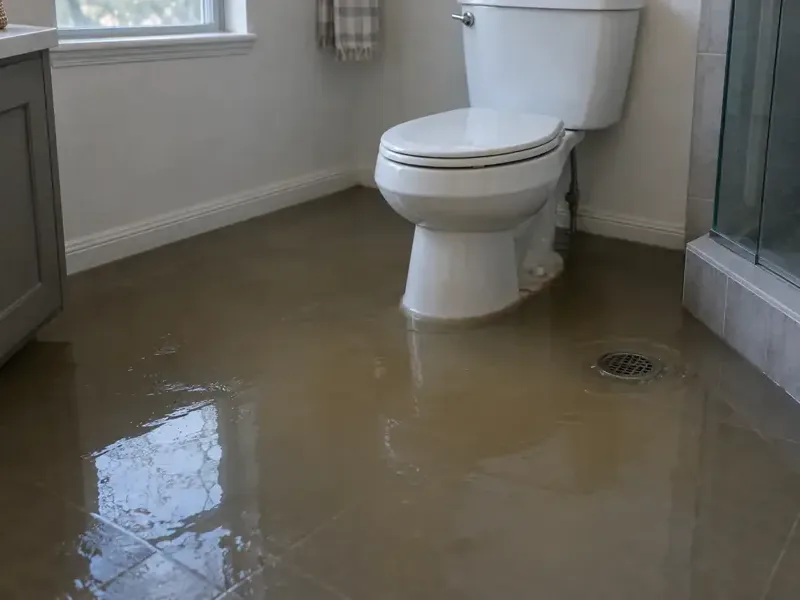
Sewage Backup Cleanup
Contaminated water requires controlled removal and surface cleaning.
View service details ›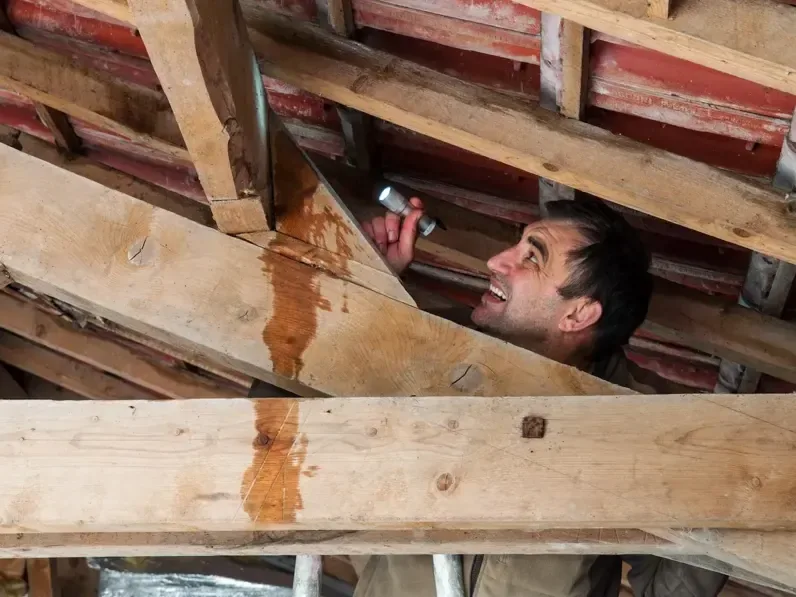
Roof Leak Water Damage
Roof entry can leave insulation and timber wet below the leak.
View service details ›
Structural Drying and Dehumidification
Material readings guide airflow, humidity control and drying completion.
View service details ›Storm and Flood Cleanup questions in Lithia, FL
Does every storm loss require the same cleanup?
No. Rain through a roof opening, water rising across a threshold and a plumbing failure during a storm can create different conditions. The inspector records each source and what the water contacted. The cleanup scope follows contamination, material condition and hidden spread. A shared storm date does not make two properties equivalent or establish the same removal needs.
Does the Milton flooding mean every local property is high risk?
Rescues were reported near the Alafia River during flooding. A property owner can check the parcel designation on the county flood map. Hillsborough County offers mapping for property-specific flood zones. An owner should check the actual property and current official information. The restoration crew evaluates the water inside the building separately from a general neighborhood description or a past news report.
Can flooded drywall be left to dry?
The crew checks contamination and the height of absorbed water. Porous material affected by contaminated floodwater may need removal, including portions above the visible mark where wicking occurred. Drying alone does not clean a contaminated assembly. The technician documents the removal boundary and evaluates the remaining framing for cleaning and a measured drying plan.
When can household air conditioning be used?
The appropriate decision depends on electrical safety, system condition and whether operation could move contamination. The property owner should not restart equipment exposed to water without professional assessment. The restoration team considers the building systems when establishing drying conditions. Portable drying equipment also needs safe power and should follow the cleanup plan rather than an improvised attempt to circulate air.
Is storm cleanup offered 24/7 in Lithia?
The team handles stormwater restoration requests 24/7. Severe conditions, access restrictions and equipment availability can affect response arrangements. The caller should describe the source and extent of water from a safe location. Official evacuation directions govern access. The team reviews conditions around the property before arranging a visit.
What should stay in the insurance record?
Useful evidence includes water marks, room photographs, the sequence of entry, damaged contents and any observed building opening. The restoration crew adds removal quantities, cleaning notes and moisture readings. The owner keeps plumbing or roof findings when those sources also contributed. Separate records help the insurer assess the cause and scope under the actual policy.
Why does the room stay damp after extraction?
Water can remain in framing, concrete, underlayment and wall cavities after bulk liquid is removed. The drying team manages humidity and airflow and tests repeated locations to track that moisture. Contaminated materials may need removal first. The equipment remains according to measured progress, so the disappearance of puddles is a transition in the work rather than proof of completion.
Storm recovery for Lithia starts with safe entry
The cleanup team assesses contamination and retained moisture before setting the drying scope.
(888) 621-2041Arrange stormwater damage assessment