Water Damage Restoration in Riverview
A spreading puddle needs more than towels. Riverview properties receive water removal, checks beneath wet finishes and a drying plan shaped around the source, affected rooms and safe access to the damage.
(888) 621-2041Discuss the water inside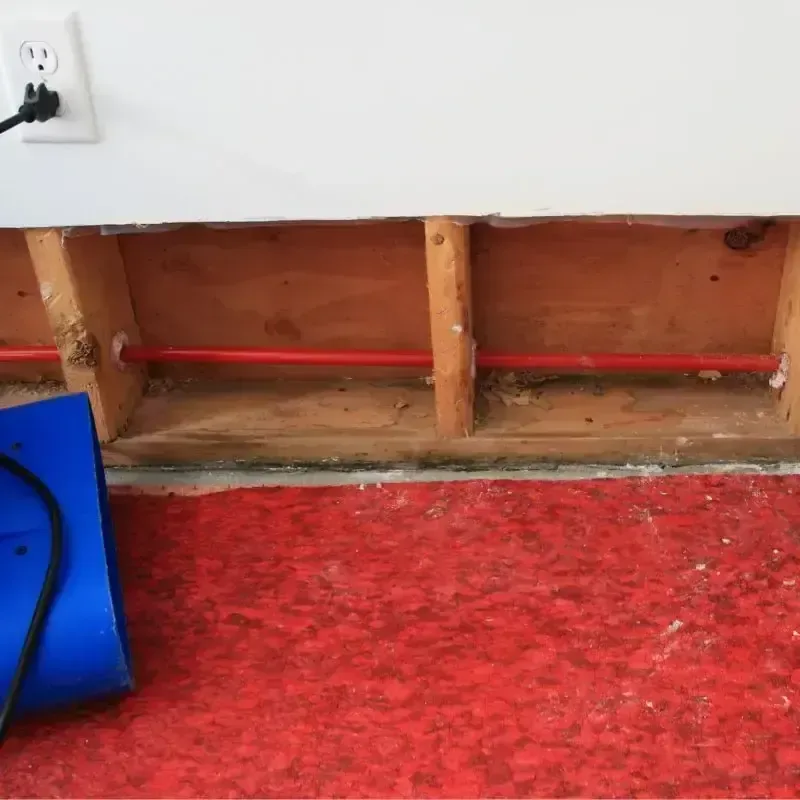
A dry appearance leaves questions worth checking
Surface cleanup is only part of recovery. Swollen trim, damp insulation and moisture beneath flooring each need a deliberate decision. A useful scope explains which materials can remain, which need access and how drying progress will be recorded.
Cleanup matched to the way water entered
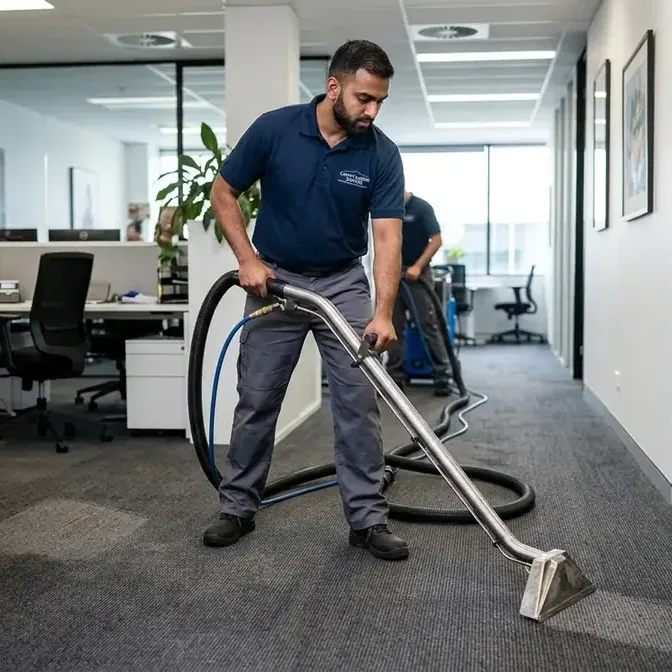
A tank spill, outside floodwater and a leaking ceiling leave different work behind. These services separate source control, material handling and drying so the next step fits the damage actually found inside.

Water Extraction and Removal
Pooled water is lifted from surfaces before attention moves to moisture trapped beneath finishes.
Explore this water service ›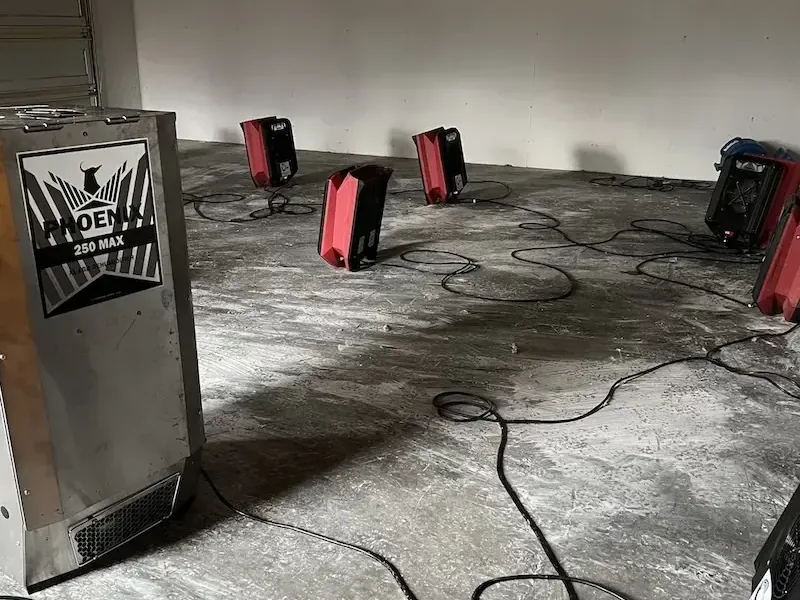
Slab Leak Water Damage
Damp floor edges prompt a closer look at concealed plumbing and the layers surrounding the slab.
Explore this water service ›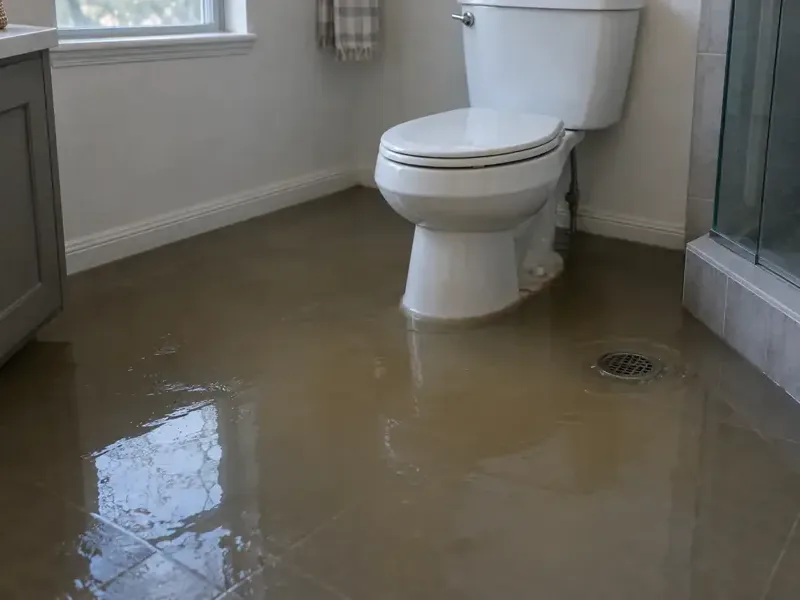
Sewage Backup Cleanup
Contaminated rooms need restricted entry, careful material removal and cleaning before drying equipment is arranged.
Explore this water service ›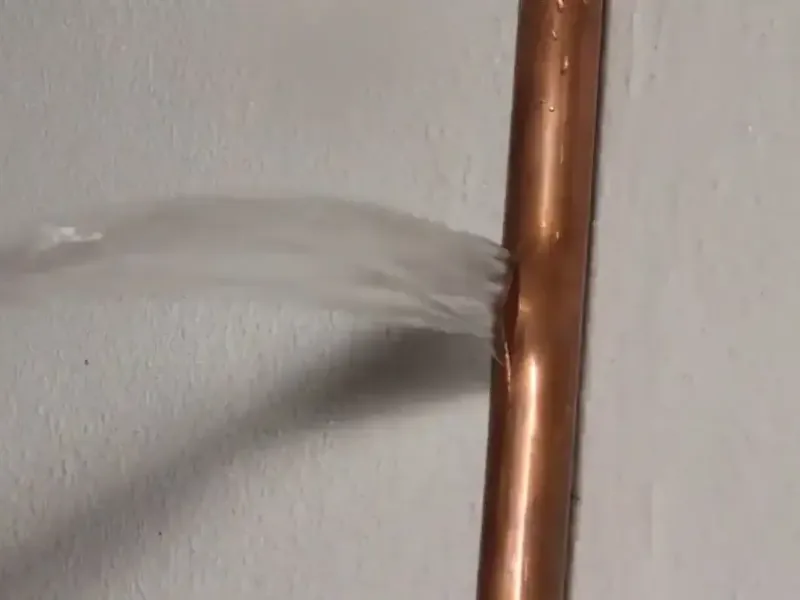
Burst Pipe Water Damage
A broken supply pipe can soak several assemblies while the largest puddle stays in one room.
Explore this water service ›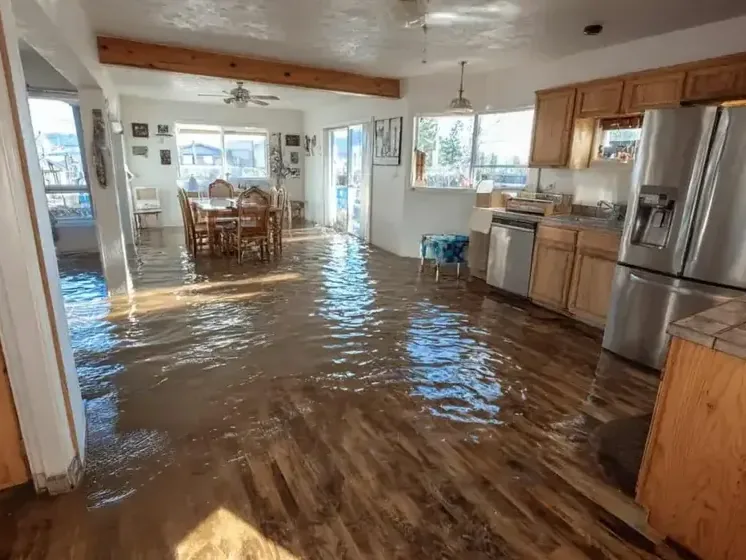
Storm and Flood Cleanup
Flood cleanup starts with safe entry and a record of the rooms reached by outside water.
Explore this water service ›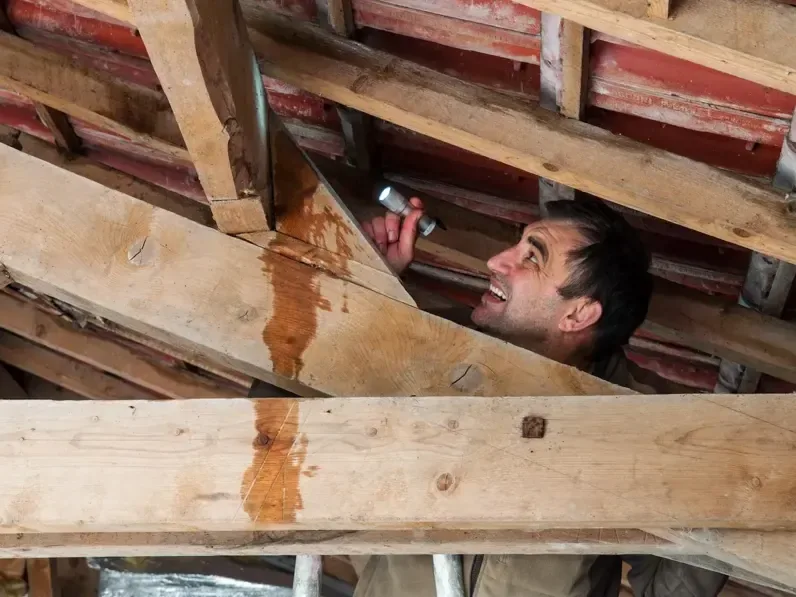
Roof Leak Water Damage
Attic wetness deserves attention even when a small ceiling mark is the only visible symptom below.
Explore this water service ›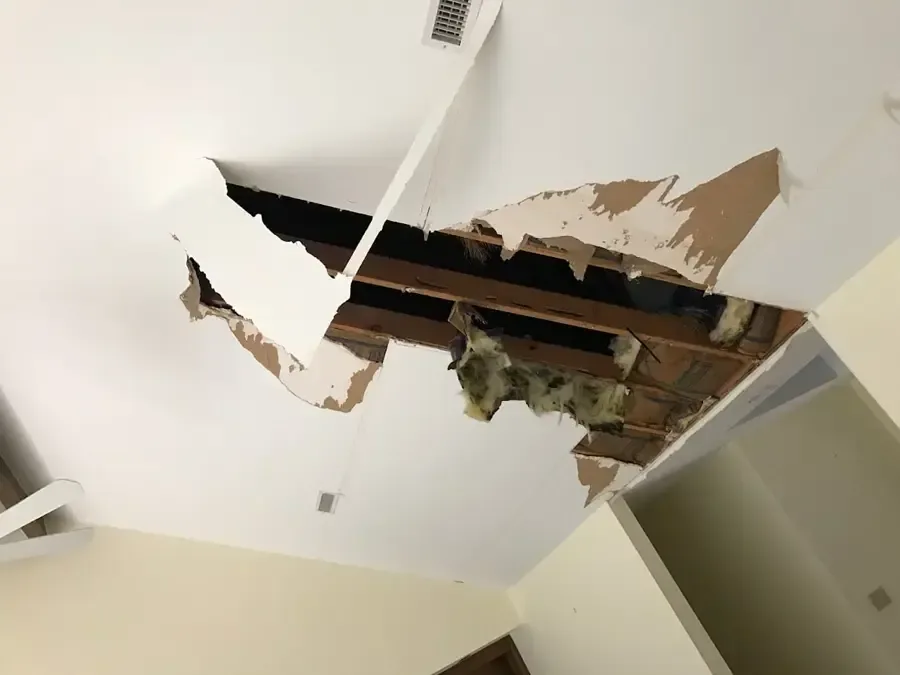
Ceiling Leak Water Damage
Water held overhead requires a stability check before anyone opens the ceiling or moves furnishings underneath.
Explore this water service ›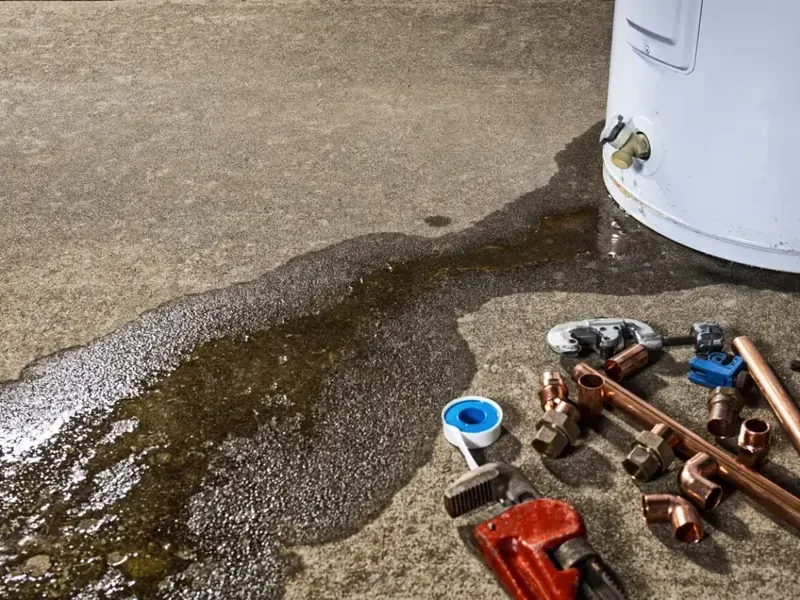
Water Heater Leak Cleanup
A leaking heater may wet the enclosure, wall bottoms and neighboring floor beyond the tank itself.
Explore this water service ›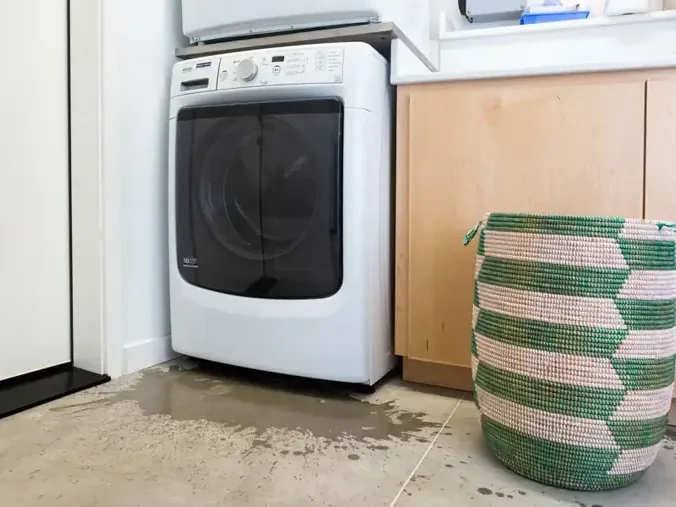
Appliance Leak Water Damage
Hidden moisture behind cabinets or beneath machines can outlast a wiped kitchen or laundry floor.
Explore this water service ›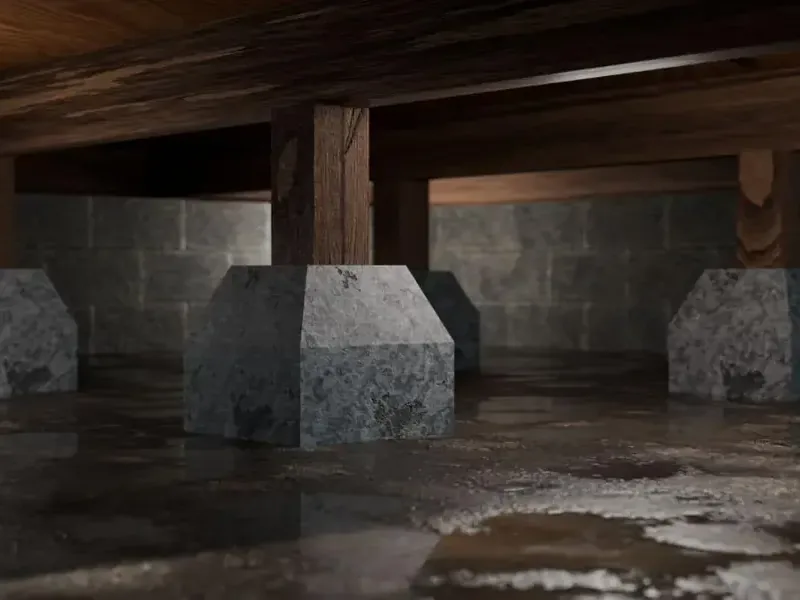
Crawl Space Water Removal
Underfloor extraction depends on the actual opening, clearance and standing water discovered during the site inspection.
Explore this water service ›
Structural Drying and Dehumidification
Material readings help determine equipment placement and whether enclosed layers need better access to dry.
Explore this water service ›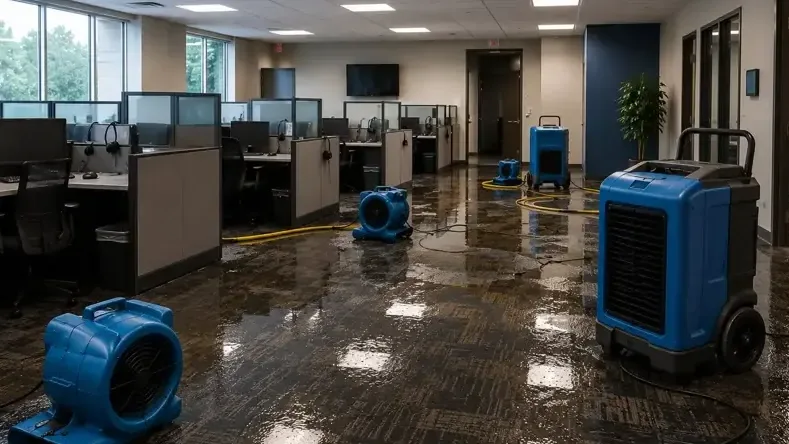
Commercial Water Damage
Business cleanup accounts for affected contents, occupied areas and access arrangements as the wet footprint changes.
Explore this water service ›A safer start while water is spreading
- 1
Avoid wet electrical areas
Water beside outlets, equipment or a panel needs professional safety attention. Occupants should remain on a dry route and outside affected rooms.
- 2
Stop an accessible supply
An identifiable supply valve can limit an indoor leak when it is reachable safely. A damaged fixture should remain unused afterward.
- 3
Keep the scene documented
Photographs from a safe position can capture the source, room boundaries and damaged belongings before cleanup changes their appearance or location.
- 4
Separate people from contamination
Wastewater calls for a clear boundary around the affected space. Children, pets and visitors should stay away from wet surfaces and contents.
- 5
Describe the visible pattern
The cleanup discussion should identify where water appeared first, where it has traveled and whether fresh water continues entering the building.
How the water damage dry-out progresses
Survey the affected footprint
The inspection records water entry, wet finishes and adjoining rooms. Particular attention goes to thresholds, wall bottoms and places where the visible pattern stops abruptly.
Remove water and damaged layers
Extraction clears accessible liquid. Materials that cannot be retained are separated from salvageable surfaces, and required openings are planned around the assembly rather than guesswork.
Manage the drying environment
Air movement and moisture removal are adjusted to the exposed materials. The equipment arrangement should support drying without blocking safe passage through unaffected occupied areas.
Record the next repair stage
Final moisture checks and photographs explain the condition left for rebuilding. The owner receives a practical distinction between restoration work already completed and repairs still pending.
Describe the property and the affected rooms
A location reference starts the practical discussion
Boyette occupies the eastern part of the community. The Alafia River passes through its northern portion, while Interstate 75 forms the western boundary of the census designated place.
A cleanup request should include property access, affected rooms and whether water remains active. Those details support planning for the specific building and its occupants.
Riverview, FL · [email protected]
(888) 621-2041Explain the property accessCommunities and access references
Listed ZIP areas
Nearby coverage
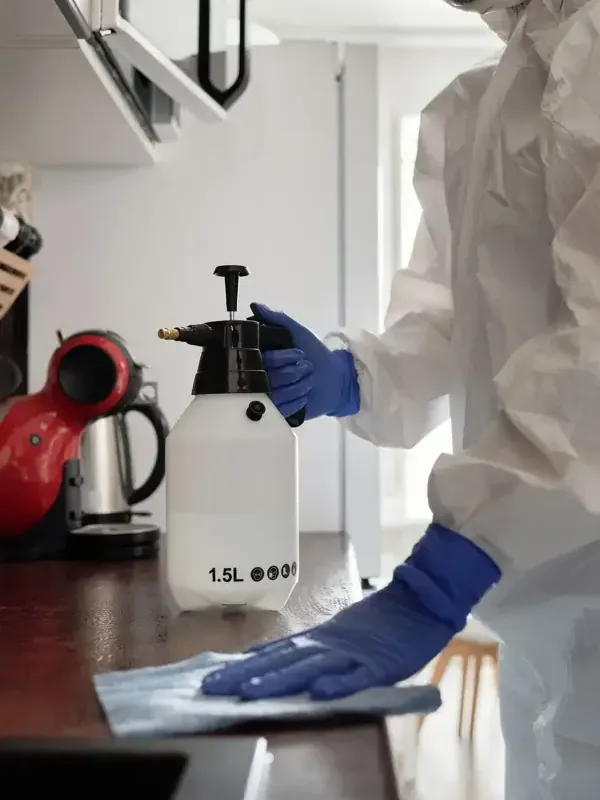
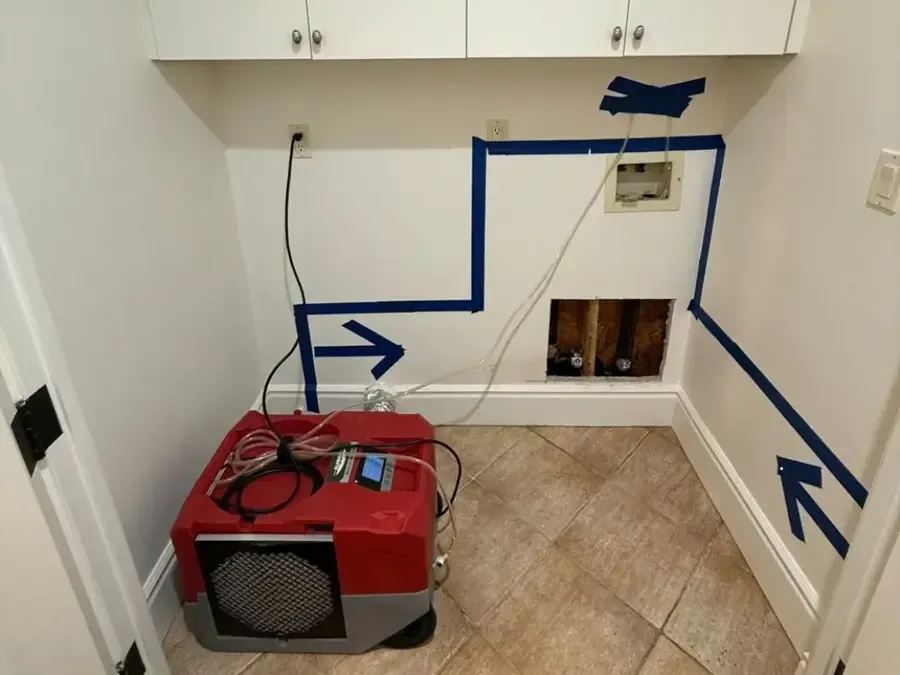
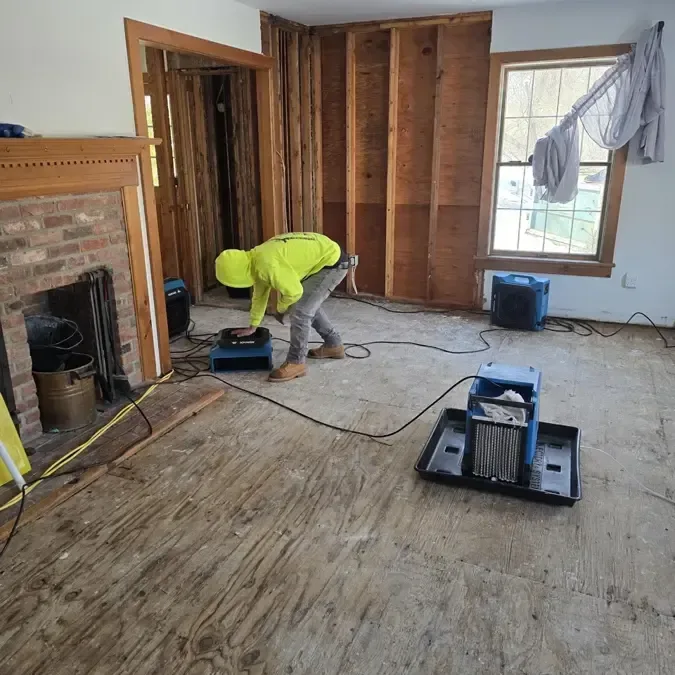
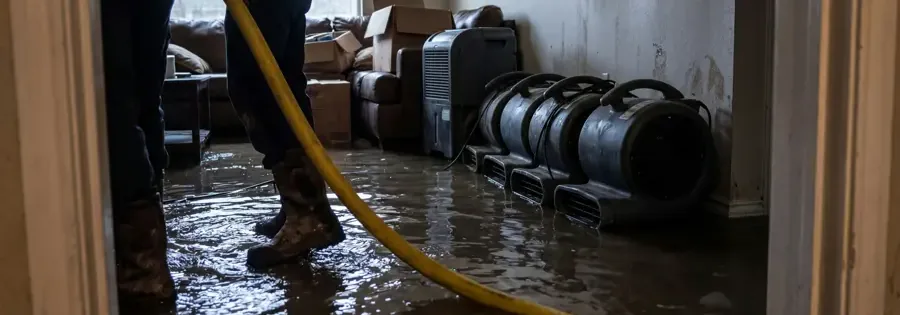
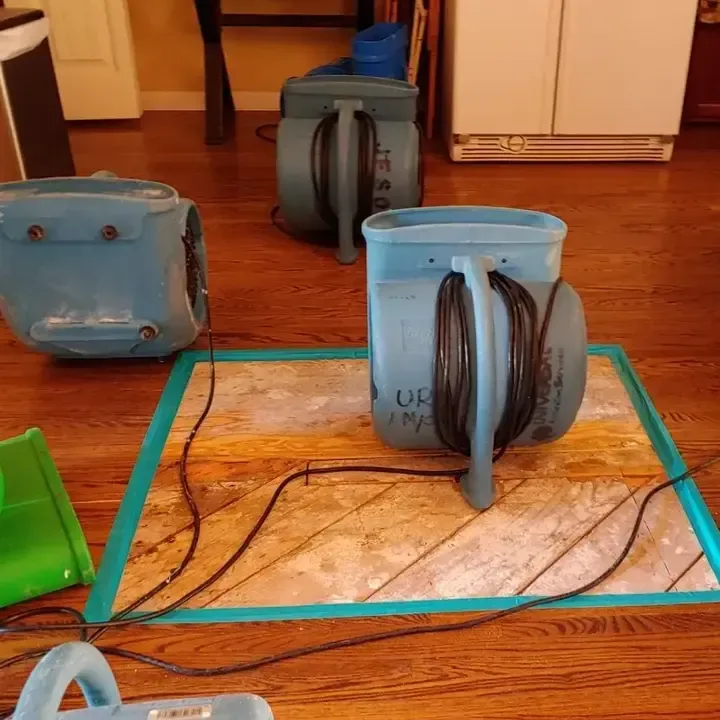
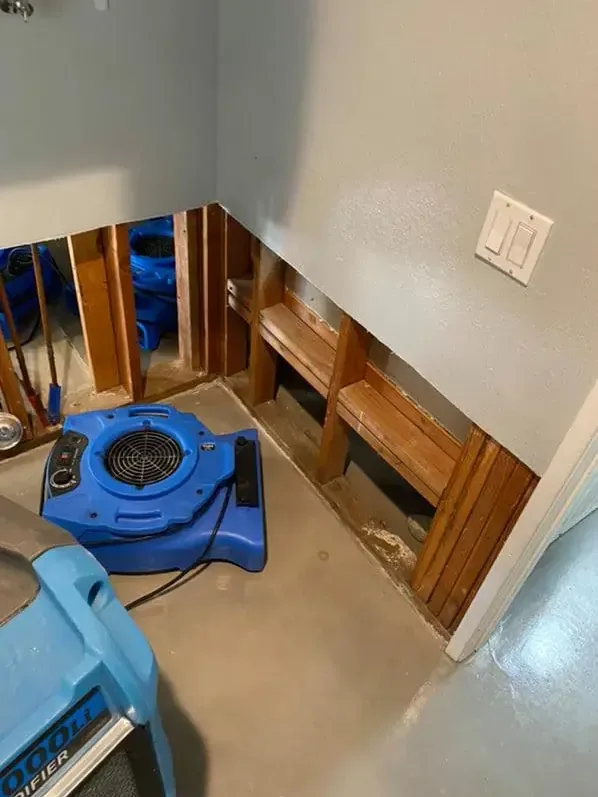
Visible examples of wet materials and drying access
Follow the moisture through each affected layer
The work should progress from a controlled source to accessible materials and measurable drying. Each decision builds on the room assessment, keeping unnecessary disturbance low while exposing trapped water that equipment cannot otherwise reach.
Clear room boundaries
A moisture map connects the obvious puddle with adjoining finishes, helping the owner understand why work may extend past the original wet spot.
Separate repair decisions
Plumbing or roof repairs stop the entry, while restoration addresses damaged building materials. Each part belongs clearly in the written scope of work.
Material specific checks
A cabinet base and an exposed wall stud respond differently to water. Inspection considers their construction, condition and access before equipment is selected.
An explained finish
Completion records should show the drying results and remaining repairs, allowing the property owner to distinguish a completed cleanup from a fully rebuilt room.
What affects water damage costs in Riverview?
Riverview cleanup costs reflect the water source, hidden spread and materials needing removal. A small accessible spill differs from wet cavities or contaminated rooms. The written estimate should identify extraction, drying and repair allowances as separate tasks.
Contained indoor loss
$500 to $2,000
- Accessible wet surface
- Limited material opening
- Focused drying
Concealed room spread
$2,000 to $6,000
- Several damp layers
- Selective finish removal
- Repeated readings
Extensive interior damage
$6,000 to $12,000+
- Broader extraction
- Contaminated material handling
- Larger drying footprint
These planning ranges help frame an initial conversation. The inspected conditions establish the scope, and rebuilding, specialty repairs or content handling may require separately described work.
The water history changes the cleanup approach
Pressurized supply release
A broken supply pipe can keep adding water until it is isolated. Source control comes first, followed by extraction and inspection of adjoining building assemblies.
Explore pipe recoveryEquipment or fixture escape
Appliance water may disappear beneath cabinetry while the open floor looks manageable. The inspection follows that route and identifies hidden materials needing access for drying.
Check appliance damageWastewater returning indoors
A drain backup introduces contamination that changes handling decisions. The affected area needs separation from occupied rooms, controlled removal and surface cleaning ahead of drying.
Understand sewage handlingOrganize the loss before details fade
A clear record makes conversations with an insurer more useful. Photos, source information and an itemized scope help describe what happened, while the policy and insurer determine the coverage decision.
- Photograph the first visible signs of water entry
- Record affected rooms and the observed source location
- Keep cleanup invoices together with separate repair estimates
- List belongings moved away from wet floor areas
- Save moisture readings and photographs showing exposed materials
When payment is handled directly
An owner paying directly can still request an itemized scope. Separating necessary stabilization from later finish work makes the immediate decision easier to understand and budget before work begins.
Changes discovered beneath a floor or behind cabinetry should be explained before the scope expands. Written revisions keep material removal and additional drying tied to actual conditions.
Outdoor conditions and indoor damage need separate checks
Riverview includes riverfront geography, preserves and established communities. Property specific inspection connects an indoor water problem with its actual source, while county mapping helps owners examine flood information for an individual location.
River and watershed context: Alafia Scrub Nature Preserve includes creeks, ravines, shoreline and tidal marsh. Hillsborough County develops floodplain maps from detailed watershed studies and provides a property flood zone viewer.
River water setting
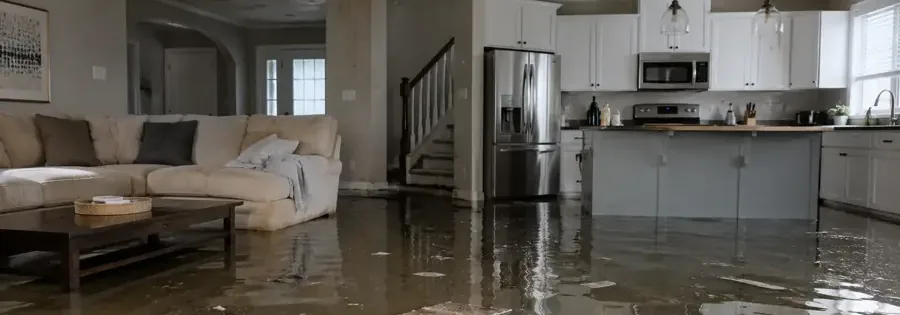
The Alafia River crosses the northern community. A flooded property needs documentation of the entry path, water depth pattern and affected interior finishes.
Rainy season surroundings
County preserve hiking guidance warns of seasonal standing water on many trails. After heavy rain, building inspections should focus on actual water entry.
Public system concerns
Hillsborough County Water Resources has an emergency reporting process for damaging water or sewer problems. Indoor stabilization can proceed alongside the appropriate utility report.
Individual flood mapping
The FEMA Effective Flood Zone Viewer supports property or area checks. An owner can consult that mapping while documenting the conditions inside affected rooms.
Repair approval decisions
Building Services handles construction approvals, and HillsGovHub supports permit record searches. Proposed work should be reviewed for the approval requirements that apply to its scope.
Questions about restoring a water damaged property
Does every puddle require the same equipment?
The depth, surface and source determine the extraction approach. A shallow spill on accessible hard flooring differs from water trapped under finishes or inside cavities. The inspection should identify those separate conditions before choosing equipment, then evaluate the remaining materials for drying after the liquid is removed.
Can the property remain occupied during cleanup?
That depends on electrical safety, contamination, access and the extent of opened materials. Some work can be separated from dry rooms, while other damage requires broader restrictions. The plan should identify usable entrances and safe occupied areas before equipment, containment or material removal changes movement through the building.
Where can an owner check flood mapping?
Hillsborough County provides the FEMA Effective Flood Zone Viewer for checking a property or area. Mapping is useful alongside photographs and observations from the loss. For cleanup, the assessment still needs the actual entry route, wet materials and present conditions inside the building so the work matches the damage.
What happens when water reaches a cabinet base?
The exposed face may dry before the hidden underside. Inspection looks at joints, backing and contact with the floor to determine whether water remains trapped. Access might require removing a trim piece or another component. The decision should consider material condition and explain what can be retained during drying.
Should an owner report a suspected utility emergency?
Hillsborough County Water Resources directs water and sewer emergencies causing property damage through its emergency reporting process. A report should describe the observed problem clearly. Interior cleanup has a separate purpose: controlling access, removing water and documenting damage within the property while the source issue receives appropriate attention.
Is replacing floor covering part of every loss?
No. The floor condition, water source and trapped moisture determine the material decision. Some surfaces can remain during drying; others prevent access or have lost integrity. A written scope should distinguish removal needed for restoration from optional finish changes, and describe any associated repair work separately.
How can progress be checked after extraction?
Moisture readings at recorded locations allow comparison as drying proceeds. Indoor conditions and equipment placement also matter. A room that feels comfortable may still have damp concealed layers, so the inspection should follow the affected assembly and compare its condition against an appropriate dry reference before closing the work.
Are building approvals relevant to water damage repairs?
Most construction in Hillsborough County requires approval and permits from Building Services. The exact repair scope matters: the county lists floor coverings among typically exempt work, while bathroom remodeling involving plumbing would likely need a permit. HillsGovHub provides permit record searches and status checks for reviewing proposed work.
What belongs in a cleanup estimate?
The estimate should identify affected rooms, water removal, material handling and drying tasks. Repair allowances and contents work should be described clearly if included. If opening a cavity reveals additional damage, an updated scope should explain the finding and the proposed change before expanded work is authorized by the owner.
Start with the water problem that is visible
A clear account of the leak and wet rooms helps shape the next assessment and cleanup decisions.
(888) 621-2041Arrange a water damage assessment