Burst Pipe Cleanup in Bloomingdale
The broken pipe may be small while the wet area keeps growing. Bloomingdale burst pipe cleanup follows the release through wall openings, connected flooring, and nearby rooms after the supply is controlled.
(888) 621-2041Explain the escaping supply water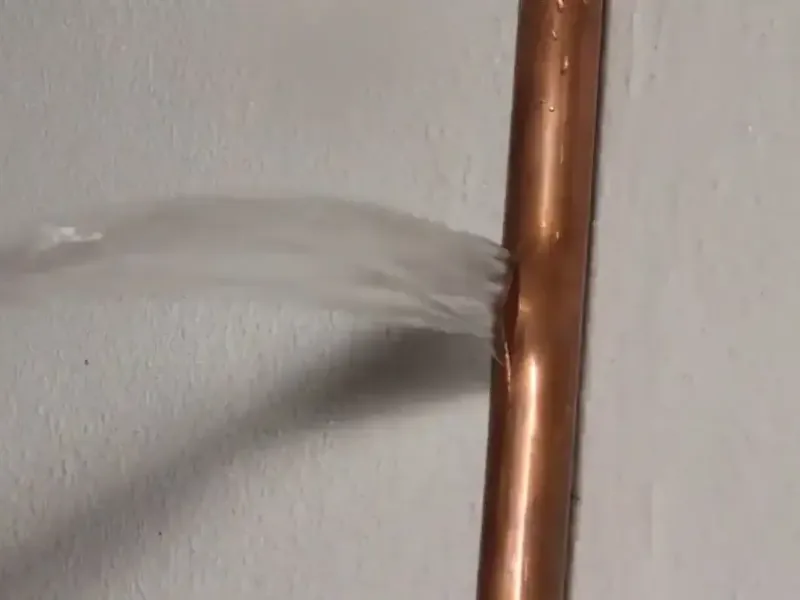
A burst pipe can send water through a wall opening and leave a much broader trail behind the finish. In Bloomingdale, the housing mix includes older ranch layouts and newer residential sections. The cleanup should follow the individual building's water path, with source repair and interior moisture assessment treated as connected but distinct tasks.
First steps for burst pipe water damage
- Locate a safe shutoff. An accessible supply valve can reduce continuing discharge. Do not cross wet electrical areas or stand beneath damaged ceilings to reach it.
- Identify the receiving rooms. Describe where water ran after leaving the pipe. Include rooms below the release and closets sharing a wall with the damaged connection.
- Save the visible evidence. Photograph the pipe and affected finishes from a safe position. Keep repair notes that identify the source and work used to stop it.
- Leave wet assemblies accessible. Avoid replacing trim or covering an investigation opening before moisture assessment. The surrounding materials may need inspection even after the pipe holds pressure again.
How burst pipe water damage works
Confirm the source condition
The assessment records whether water has stopped and which repair areas remain open. That establishes where extraction can proceed without new water entering.
Trace the release through the building
Moisture checks follow walls, thresholds, and any rooms below the source. Each added cleanup area should correspond to observed wet material or a documented reading.
Expose and dry retained materials
Selective access addresses enclosed moisture after removal decisions are explained. Air movement and dehumidification are set around the affected surfaces and adjusted as measurements change.
Connect drying results to repairs
Final notes identify the assemblies assessed, readings obtained, and damaged finishes requiring replacement. The homeowner can then coordinate closure of access openings with the remaining reconstruction work.
Stopping the flow changes the inspection
A safe supply shutoff limits additional damage and allows the remaining moisture to be assessed. If the shutoff cannot be reached without entering a hazardous area, occupants should remain clear. Electrical equipment, wet ceiling panels, and slippery access can make an otherwise straightforward plumbing event unsafe to approach.
A home near Natures Way Boulevard may have wet materials on both sides of the wall containing the failed pipe. The repair opening reveals the source area, while room by room checks establish how far the released water traveled.
- Include the opposite wall face when mapping damage around a concealed pipe opening.
- Inspect the floor beneath furniture that stood in the path of flowing water.
- Check ceiling materials below an upper room where a supply pipe released water.
- Preserve photographs of the pipe condition before the damaged section is replaced.
Separate pressure reports from interior repairs
Hillsborough County accepts low water pressure reports through its water and sewer main reporting process. A pressure concern may accompany a plumbing incident, so the observed symptoms are useful to record. The building's failed pipe still needs its own source assessment and repair coordination.
Along Bell Shoals Road, as in Erindale Oaks, the actual layout determines drying access. A pipe behind a fixed cabinet presents a different route to wet surfaces than an exposed utility connection. The scope should explain which finishes obstruct inspection and why any additional opening is needed after the plumbing work.
Burst Pipe Water Damage help
Water released inside a wall can leave several rooms needing attention. Describe the broken connection, the shutoff status, and the furthest visible wet area when arranging an assessment.
Inspect the layers that stayed wet
Once water extraction removes the accessible spill, wall bases and floor layers need another look. Retained moisture can remain in insulation, backing, or enclosed framing. Equipment placement should match those surfaces, and repeated readings should show whether the chosen access is allowing them to dry.
Do not test wet electrical equipment
A stopped pipe does not make nearby outlets or appliances safe. Leave switches and plugs in the wet area alone until the electrical condition has been assessed. Keep people outside rooms with sagging ceiling materials, and report those hazards when describing the loss.
Close the repair opening at the right stage
The source may be repaired before its surrounding assembly is ready for closure. A clear handoff should include drying measurements, damaged material locations, and any unfinished restoration tasks. That record helps prevent new wallboard or trim from hiding damp surfaces that still need access.
What does burst pipe water damage cost in Bloomingdale, FL?
Burst pipe cleanup in Bloomingdale has planning examples from $800 to $7,000. The water path, wall access, and number of affected assemblies shape the interior scope. The failed pipe repair should be distinguished from extraction, drying, and reconstruction.
Contained supply spill
$800 to $2,000
- Localized water removal
- Source area inspection
- Limited drying access
Wall and floor involvement
$2,000 to $4,500
- Enclosed moisture checks
- Controlled finish removal
- Connected material drying
Multiple-room release
$4,500 to $7,000
- Expanded extraction area
- Additional cavity inspection
- Broader equipment setup
The water damage cost calculator gives an estimate only. The inspection determines the scope, including water category, affected area, material class and drying delay.
Measured care for burst pipe water damage
Rapid local response
The response team treats spreading water as urgent and gathers the source, room count and safe access details. Dispatch operates 24/7; conditions and availability determine the response.
IICRC S500 drying standard
The drying crew compares affected assemblies with dry reference materials, adjusts equipment to the evaporation load, and records progress. A dry-looking surface alone does not complete the work.
Claim-ready documentation
The technician links photographs to the moisture map and records material removal, equipment placement and drying readings. That record explains the restoration scope without promising an insurer's decision.
Local water experts
A property inspection distinguishes rain entry, an internal supply leak and contaminated outside water. The restoration plan follows the actual source and materials, with access and safety assessed separately.
Burst pipe water damage in Bloomingdale
Assessment can be arranged for residential areas around Natures Way Boulevard, Bell Shoals Road, and Erindale Oaks. Describe whether the pipe is visible, whether its supply has been isolated, and which rooms received water before the release stopped.
The same service nearby: burst pipe water damage in Lithia, Fish Hawk, Valrico.
Water damage restoration in Bloomingdale · every town covered
Related water damage services in Bloomingdale

Water Extraction and Removal in Bloomingdale
Standing water removal reaches flooring edges and adjoining rooms.
View service details ›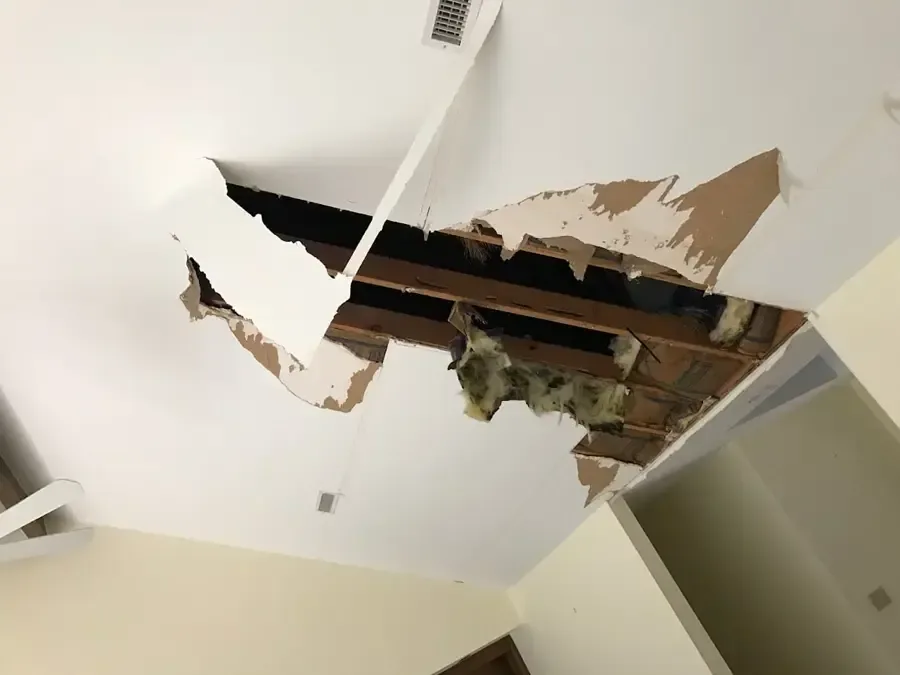
Ceiling Leak Water Damage in Bloomingdale
Sagging ceilings need safe access before damaged material is removed.
View service details ›
Structural Drying and Dehumidification in Bloomingdale
Material readings guide airflow, humidity control and drying completion.
View service details ›Burst Pipe Water Damage questions in Bloomingdale, FL
What should happen first when the pipe is still releasing water?
The priority is limiting the active supply without exposing anyone to electrical or structural hazards. A safely accessible shutoff can help, while an unsafe route should remain closed to occupants. Describe the release and any blocked access when requesting assistance. Cleanup can then be coordinated with the source work instead of repeatedly removing water that continues to enter.
Does a repaired pipe mean the surrounding wall is ready to close?
A successful plumbing repair stops new water. The materials surrounding the repaired pipe still need their own moisture assessment. Wallboard, insulation, and framing may still retain moisture. Those materials should be assessed and dried or removed as appropriate before the opening is closed. The repair handoff should distinguish the restored supply from the condition of the surrounding assembly.
Why can a pipe release affect rooms beyond the visible leak?
Water follows gravity, joints, and openings rather than room labels. It can travel along framing, under a floor covering, or through a ceiling before collecting elsewhere. An inspection should follow that route with observations and readings. The room containing the broken pipe therefore provides the starting location, while the moisture map establishes the actual cleanup boundary.
Can a low pressure report resolve an indoor burst pipe?
Hillsborough County accepts low water pressure reports through its water and sewer main process. Reporting the observed condition may be appropriate, but the failed plumbing at the property still requires assessment. The cleanup record should identify what happened indoors, whether the source was isolated, and which materials were wet. That keeps the reporting issue separate from interior repairs.
Will cabinets need to be removed to reach the wet wall?
Cabinet access depends on where water traveled and whether the affected surfaces can be inspected and dried through a less disruptive opening. The crew should explain the obstruction and the material condition before proposing removal. A cabinet that appears dry at the front may conceal wet backing, but the decision should follow findings at that specific location.
Should personal belongings be discarded before the assessment?
Photographs and an initial damage assessment help establish what was affected before disposal changes the scene. Items that create an immediate hazard should be handled through the cleanup plan, while safe belongings may be moved after documentation. Material type and water contact matter when deciding what can remain. Avoid carrying dripping items across unaffected rooms during that process.
How can a homeowner tell whether the drying plan is working?
The useful evidence is a series of readings from identified materials, along with notes about equipment placement and access. Those records should show the direction of moisture change and explain adjustments when progress slows. A room feeling warmer or sounding busy with fans is not the measure of completion. Final assessment should address the actual wet assemblies.
Follow the pipe water through the home
Plan extraction and drying around the rooms and cavities affected before the source was stopped.
(888) 621-2041Arrange the pipe damage assessment