Slab Leak Water Damage in Lithia, FL
A concealed pipe leak can feed moisture beneath flooring before a puddle appears. The restoration crew maps slab leak water damage in Lithia and dries affected assemblies after the source is controlled.
(888) 621-2041Discuss moisture under the floor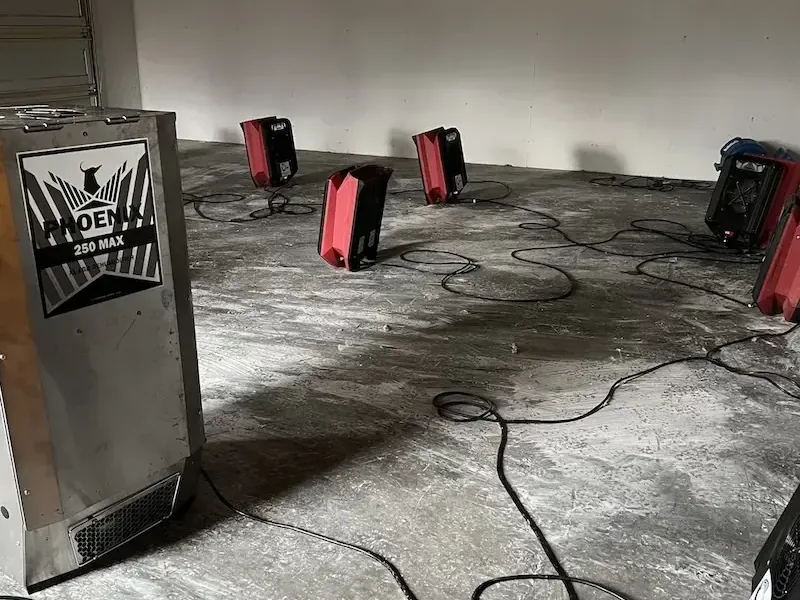
A warm tile, damp carpet edge or unexplained moisture beneath a cabinet can point to a concealed leak, but none identifies the failed pipe by itself. A plumber locates and repairs the source. The restoration specialist tracks the water that escaped into the building and determines which floor layers need access for drying.
First steps for slab leak water damage
- Notice the pattern. The owner records warm or damp floor areas and changes in water use, avoiding conclusions about a hidden pipe from one symptom.
- Control an active supply. A household member uses an accessible shutoff from a dry position when safe; a plumber investigates continued water movement and the source.
- Leave the concrete intact. Occupants avoid drilling, cutting or pulling electrical equipment across a wet floor before professionals check hidden utilities and access risks.
- Protect the evidence. Photographs of lifting finishes, damp edges and affected cabinets help explain the spread before access or removal changes the room.
How slab leak water damage works
Coordinate leak detection
The plumber identifies the leaking system while the restoration technician maps wet finishes, keeping source diagnosis and damage assessment connected without confusing their roles.
Expose affected layers
The crew checks beneath selected floor edges and cabinet bases, then documents why salvageable material stays or damaged layers require careful removal.
Manage slab evaporation
The drying specialist selects dehumidification and airflow for the exposed assembly, recording indoor conditions and repeat readings to track moisture leaving dense materials.
Verify before rebuilding
The team compares the final measurements with the drying goal and records remaining flooring requirements, so replacement finishes do not cover unresolved moisture.
Slab moisture requires a source diagnosis
The inspection separates a pressurized pipe leak from another wet-floor cause. An appliance connection, rain entry or trapped moisture can produce similar symptoms. Homes along Lithia Pinecrest Road and around the Alafia River Corridor need that distinction before concrete is opened. The crew records the pipe material exposed during repair and checks the surrounding floor for moisture and visible damage.
- The plumber checks plumbing behavior and suitable leak-detection evidence before choosing a repair opening.
- The drying technician maps damp floor edges and compares nearby wall-base readings.
- The owner notes changes in water use, warm spots and when visible wetness first appeared.
- The team documents finishes before lifting material so the original condition remains clear.
Properties around Chito Branch Reserve receive the same assembly-specific inspection. The technician checks the floor directly and records the concealed layers that become accessible.
Opening a floor only where drying needs access
The water path can extend beyond the plumber's access hole. The crew checks the underside of floor coverings, adhesives, pad and cabinet toe kicks. Some clean-water materials can dry in place with a suitable system. Swollen composite flooring, damaged backing or contaminated layers may require removal. The restoration scope identifies these decisions separately from the pipe repair.
A drying plan should also consider walls that wick water from their lower edge. Removing a baseboard can expose a testing point; the technician also checks the remaining cavity before concluding the assessment. Repeated readings help decide whether additional access improves drying or whether the assembly can remain intact.
Slab Leak Water Damage help
A damp floor can hide wet cabinet bases and wall edges. Describe the visible symptoms and any plumbing findings so the drying assessment covers the full water path.
Concrete drying follows the material, not a calendar
Concrete and dense floor assemblies can retain moisture after the surface loses its wet appearance. Dehumidification controls indoor humidity while targeted airflow supports evaporation. The technician selects measurement methods suited to the material and the intended finish. A flooring installer may require separate acceptance testing before new material is installed.
Keep the leak from feeding the floor
An occupant should not cut concrete or operate electrical tools in a wet area to search for a pipe. A plumber handles source diagnosis. The restoration crew coordinates safe access and drying after the water supply and electrical risks have been assessed.
The county publishes homeowner permit guidance for construction and plumbing work. Its water-main reporting instructions address a different concern when pressure loss or street water suggests a public pipe issue.
A slab-leak claim record separates the work
The documentation distinguishes leak detection, source repair, access work, removal of damaged finishes and structural drying. The restoration technician records wet readings and photographs the floor before and after access. That separation helps the owner understand which tasks belong to each contractor.
Insurance treatment can differ between the broken pipe, resulting water damage and the cost of reaching the pipe. The property owner asks the insurer about the actual policy. A moisture map explains observed damage, while the insurer reviews coverage and an appropriate professional assesses any separate cracking concern.
What does slab leak water damage cost in Lithia, FL?
Slab leak water damage drying often falls between $1,000 and $6,000, depending on the wet floor area, cabinetry, access and material removal. Plumbing detection, pipe repair and replacement finishes may be separate from the restoration scope.
Limited floor edge
$1,000 to $2,000
- Localized access
- Initial extraction
- Moisture monitoring
Several wet assemblies
$2,000 to $4,000
- Floor and wall drying
- Selected finish removal
- Equipment adjustments
Broad concealed spread
$4,000 to $6,000
- Multiple affected rooms
- Cabinet-base assessment
- Extended material testing
The Lithia water damage cost calculator gives an estimate only. The inspection determines the scope, including water category, affected area, material class and drying delay.
Measured care for slab leak water damage
Rapid local response
The response team treats spreading water as urgent and gathers the source, room count and safe access details. Dispatch operates 24/7; conditions and availability determine the response.
IICRC S500 drying standard
The drying crew compares affected assemblies with dry reference materials, adjusts equipment to the evaporation load, and records progress. A dry-looking surface alone does not complete the work.
Claim-ready documentation
The technician links photographs to the moisture map and records material removal, equipment placement and drying readings. That record explains the restoration scope without promising an insurer's decision.
Local water experts
A property inspection distinguishes rain entry, an internal supply leak and contaminated outside water. The restoration plan follows the actual source and materials, with access and safety assessed separately.
Slab leak water damage in Lithia
Coverage includes ZIP 33547, the communities along Lithia Pinecrest Road and Rose Street, and properties around the Alafia River Corridor, Chito Branch Reserve and the C.W. Bill Young Reservoir. The restoration team checks the water source and wet materials at each building.
Nearby service areas include Fish Hawk, Bloomingdale, Valrico, Brandon and Riverview.
Related water damage services in Lithia

Water Extraction and Removal
Standing water removal reaches flooring edges and adjoining rooms.
View service details ›
Structural Drying and Dehumidification
Material readings guide airflow, humidity control and drying completion.
View service details ›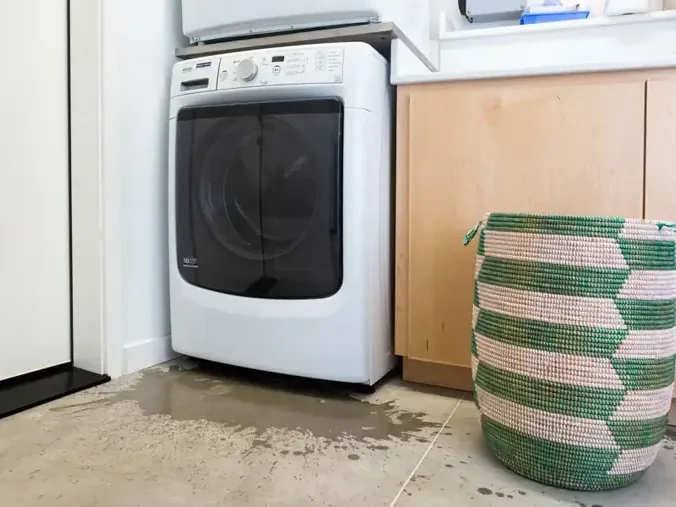
Appliance Leak Water Damage
Hidden moisture beneath appliances calls for careful access.
View service details ›Slab Leak Water Damage questions in Lithia, FL
Does a warm floor prove a slab leak?
A warm area can be a clue to a hot-water leak, but temperature alone does not identify the source. The plumber checks the plumbing system and uses appropriate detection methods. The restoration technician confirms which materials are wet. A heating source, appliance or other condition can change floor temperature, so a repair opening needs more evidence than warmth.
Who repairs the pipe beneath the slab?
A plumber handles pipe diagnosis and the repair or rerouting decision. The restoration team removes escaped water and dries the affected floor, walls and cabinets. The two scopes need coordination because drying cannot finish while water continues to enter. The owner should receive a clear explanation of access work, plumbing work and replacement finishes before those tasks proceed.
Can flooring hide water beyond the access opening?
Yes. Water can move beneath a floor covering and emerge at another edge or doorway. The technician checks the full affected assembly rather than treating the plumber's opening as the damage boundary. Adhesives, underlayment and cabinet bases may retain moisture. Comparing several readings with unaffected material helps identify where further access is useful and where drying can continue in place.
How long does a wet concrete floor need to dry?
The duration depends on depth of wetting, floor coverings, airflow and the indoor drying conditions. Concrete can take longer than thin drywall. The specialist tracks readings instead of promising a fixed completion date. The flooring installer may also need a finish-specific test before installation; that acceptance requirement can differ from the restoration crew's initial moisture measurements.
Is slab leak help available 24/7 in Lithia?
Dispatch operates 24/7 for an active water loss. A caller can describe the visible wetness, whether the water supply remains on and any unsafe electrical conditions. The response team assesses access and the restoration request, while a plumber addresses the source. No fixed arrival time or immediate repair outcome is promised before the property and conditions are known.
Does the Alafia River setting establish the cause?
No. River geography and an indoor plumbing failure are separate questions. A property near the Alafia River can have an appliance leak, supply leak or another moisture source. The inspection follows the evidence at the building. The crew should not label floor moisture as a slab leak or river flooding solely because of where the property sits.
Which slab leak costs should the insurer review?
The owner asks about resulting water damage, leak access, plumbing repair and replacement finishes as separate items. Policy terms and the cause of loss determine the decision. The drying record can include photographs, wet-area measurements and equipment logs. A restoration estimate explains proposed work but cannot promise payment for either the pipe itself or the materials around it.
Slab leak drying in Lithia follows the moisture map
The restoration team checks floor layers and adjoining walls after a plumber controls the source.
(888) 621-2041Arrange the slab moisture assessment