Water Extraction and Removal in Lithia, FL
The extraction crew removes pooled water from floors, checks adjoining rooms and maps what remains inside the materials. Lithia water damage help operates 24/7 for active leaks and water intrusion.
(888) 621-2041Get pooled water under control
A floor can look clear while the pad, wall bottoms and cabinet bases still hold water. The extraction technician follows the water beyond the original puddle and checks each change of flooring. Removing bulk water first reduces the load that dehumidifiers must handle. A mop cannot reach the same stored moisture inside absorbent layers.
First steps for water extraction and removal
- Avoid the wet circuit. Occupants keep away from standing water near powered appliances and outlets; safe access comes before belongings or floor coverings.
- Stop a safe supply valve. A household member closes an accessible water valve only from a dry position, while the plumber investigates the source.
- Preserve the room condition. The owner photographs the water path and affected contents before moving anything that can be handled without entering a hazard.
- Describe the spread. The caller identifies the first wet room, any adjoining floor damage and whether water still enters so dispatch can assess the request.
How water extraction and removal works
Survey the water path
The extraction technician checks the entry point and room boundaries, then marks affected floor layers and hidden areas that need closer inspection.
Remove bulk water
The crew matches pumps and extraction tools to water depth, access and contamination, removing recoverable liquid before setting the structural drying equipment.
Measure retained moisture
The drying specialist tests wall bases, floor edges and adjoining spaces, comparing the readings with dry materials to establish the remaining drying load.
Record the handoff
The team logs extracted areas and outstanding moisture, then explains the drying scope, source-repair coordination and the next scheduled material measurements.
Water removal starts with the source
The inspector separates an indoor supply failure from outside water before choosing equipment and work boundaries. Along Lithia Pinecrest Road, the Alafia River setting makes that distinction especially important after flooding. Water entry, contact with contaminants and time in the building determine the cleanup approach.
- A supply valve or plumbing repair stops continued feeding before extraction can hold its progress.
- The technician checks doorways and adjoining closets where water can pass under a partition.
- Carpet, tile and exposed concrete need different extraction heads and follow-up readings.
- The team records damaged contents and wet finishes before moving equipment through the room.
Homes near Rose Street need an individual room map just as properties around Chito Branch Reserve do. Moisture readings define the wet area and guide extraction at each property.
Extraction reaches below the visible puddle
Portable extractors help in confined rooms, while larger extraction systems handle accessible areas with substantial water. Weighted carpet extraction can remove recoverable water from some clean-water losses. Contaminated padding or unsalvageable floor layers require removal instead of repeated suction. The technician checks transitions beneath doors, edges beside cabinets and the perimeter where flooring meets drywall.
Equipment placement follows safe power and access conditions. The crew protects an unaffected path for hoses and records any material that cannot be dried in place. A separate plumbing or roof repair may still be necessary; extraction controls the water already inside.
Water Extraction and Removal help
Pooled water can keep soaking floor edges after the visible leak stops. Describe the room, water source and safe access to arrange an extraction assessment.
A clear floor still needs a drying decision
The drying specialist compares wet readings with an unaffected reference of similar material. Air movers support evaporation, and dehumidifiers remove moisture from the air. Equipment settings change as the wet area shrinks. Daily readings explain progress more reliably than a fixed equipment rental period.
Water and electricity need separation
Occupants stay out of water near outlets, appliances or electrical equipment. The crew assesses safe power before running pumps. A person should never cross a wet floor to reach a breaker panel or attempt extraction beneath an unstable ceiling.
The county explains how to report water and sewer main breaks. Its flood-zone information helps separate a property mapping question from an active interior loss.
Documentation after water extraction
The restoration record identifies the source as observed, affected rooms, water category, extraction work and remaining wet materials. Photographs taken before moving furnishings preserve the original condition. Meter locations allow the next inspection to compare the same points instead of guessing whether a room improved.
The property owner checks coverage with the insurer. An indoor accidental discharge and outside flooding can involve different policy terms. The crew documents the damage and drying scope without deciding coverage or promising reimbursement.
What does water extraction and removal cost in Lithia, FL?
Water extraction commonly ranges from $500 to $3,500 for a contained to multi-room loss. The amount of pooled water, access, contamination and wet flooring layers change the scope; structural drying or material replacement can add separate costs.
One contained room
$500 to $1,200
- Accessible floor
- Limited bulk water
- Initial moisture checks
Several connected areas
$1,200 to $2,400
- Multiple floor types
- Longer extraction time
- Room moisture map
Extensive water removal
$2,400 to $3,500
- Larger wet area
- Additional equipment
- Detailed material assessment
The Lithia water damage cost calculator gives an estimate only. The inspection determines the scope, including water category, affected area, material class and drying delay.
Measured care for water extraction and removal
Rapid local response
The response team treats spreading water as urgent and gathers the source, room count and safe access details. Dispatch operates 24/7; conditions and availability determine the response.
IICRC S500 drying standard
The drying crew compares affected assemblies with dry reference materials, adjusts equipment to the evaporation load, and records progress. A dry-looking surface alone does not complete the work.
Claim-ready documentation
The technician links photographs to the moisture map and records material removal, equipment placement and drying readings. That record explains the restoration scope without promising an insurer's decision.
Local water experts
A property inspection distinguishes rain entry, an internal supply leak and contaminated outside water. The restoration plan follows the actual source and materials, with access and safety assessed separately.
Water extraction and removal in Lithia
Coverage includes ZIP 33547, the communities along Lithia Pinecrest Road and Rose Street, and properties around the Alafia River Corridor, Chito Branch Reserve and the C.W. Bill Young Reservoir. The restoration team checks the water source and wet materials at each building.
Nearby service areas include Fish Hawk, Bloomingdale, Valrico, Brandon and Riverview.
Related water damage services in Lithia

Structural Drying and Dehumidification
Material readings guide airflow, humidity control and drying completion.
View service details ›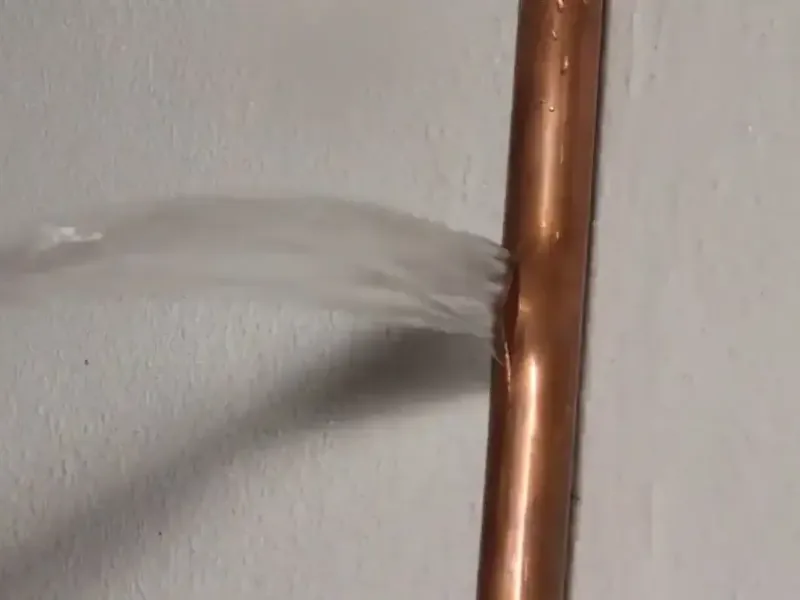
Burst Pipe Water Damage
A stopped supply leak leaves wet layers to inspect and dry.
View service details ›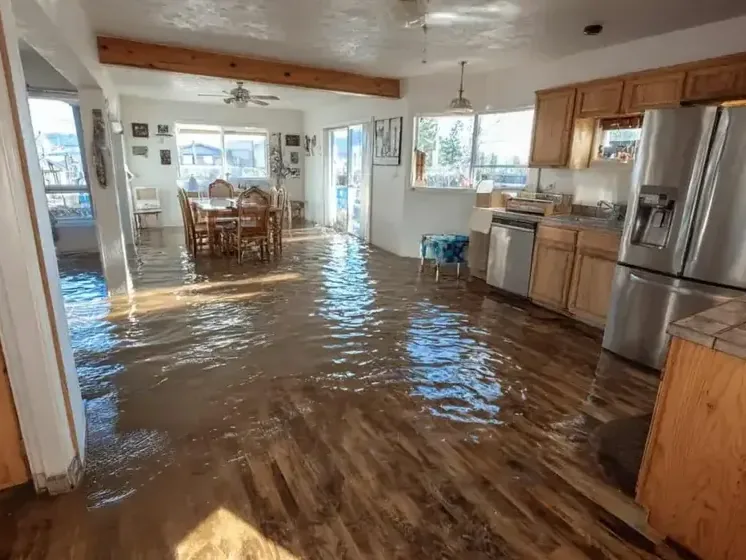
Storm and Flood Cleanup
Outside floodwater needs an entry assessment and a cleanup plan.
View service details ›Water Extraction and Removal questions in Lithia, FL
Does water extraction include drying the walls?
Extraction removes liquid water, while structural drying addresses moisture retained in wall materials. The technician tests both and identifies what remains wet after suction finishes. Some losses need only limited follow-up; others need opened cavities, air movers and dehumidifiers. The written scope should distinguish those tasks so a dry-looking floor does not hide unfinished wall drying.
Can clean carpet stay in place after extraction?
The crew evaluates the source, duration, pad condition and backing before deciding. Recoverable carpet from a clean-water event may respond to extraction and controlled drying. Contaminated or separated layers require a different plan. A carpet surface that feels comfortable underfoot does not show whether the pad or subfloor beneath it has reached the drying goal.
How does the team find water in the next room?
The inspector follows floor transitions and tests wall bottoms, door openings and nearby closets. A moisture meter helps identify elevated readings beyond the obvious puddle. The crew can use thermal imaging to locate areas for closer testing, then checks the temperature pattern against direct material measurements. Material readings and the observed water route complete the assessment.
What makes river water different from an indoor leak?
Outside floodwater can carry contamination into the home and needs an appropriate cleanup assessment. The Alafia River location does not by itself classify water inside a particular property. The technician checks how water entered, what it contacted and which materials absorbed it. Sewage or contaminated floodwater can require removal of porous materials before structural drying starts.
Is dispatch available overnight in Lithia?
Water extraction requests receive 24/7 attention. The caller should identify an active source, unsafe electrical conditions and the rooms affected. The response depends on access, conditions and equipment availability, so no arrival-minute promise applies. Occupants should remain outside hazardous wet areas while discussing the loss and follow emergency instructions when the building cannot be entered safely.
What should the insurance photographs show?
Useful photographs show the original water level, affected room boundaries, damaged belongings and the suspected source when visible. The restoration team adds a moisture map, equipment notes and follow-up measurements. The insurer reviews that evidence under the policy. The owner should ask about reporting requirements and applicable limits rather than assuming that every part of extraction is covered.
Can extraction wait until the water evaporates?
Waiting leaves absorbent materials in contact with water and can enlarge the drying scope. Opening windows may not remove moisture from pad or wall cavities, and damp outside air can slow evaporation. The extraction crew removes bulk liquid first, then measures the remaining wet materials. That sequence gives the drying plan a clearer starting point than surface appearance alone.
Water removal for Lithia homes starts with the wet path
The extraction team removes bulk water and checks what remains below the floor surface.
(888) 621-2041Arrange floor water removal