Water Damage Restoration in Valrico
Water across a room demands a clear starting point. Valrico property owners can arrange extraction, moisture assessment and drying around the actual source, affected materials and safe access to the building.
(888) 621-2041Discuss the water inside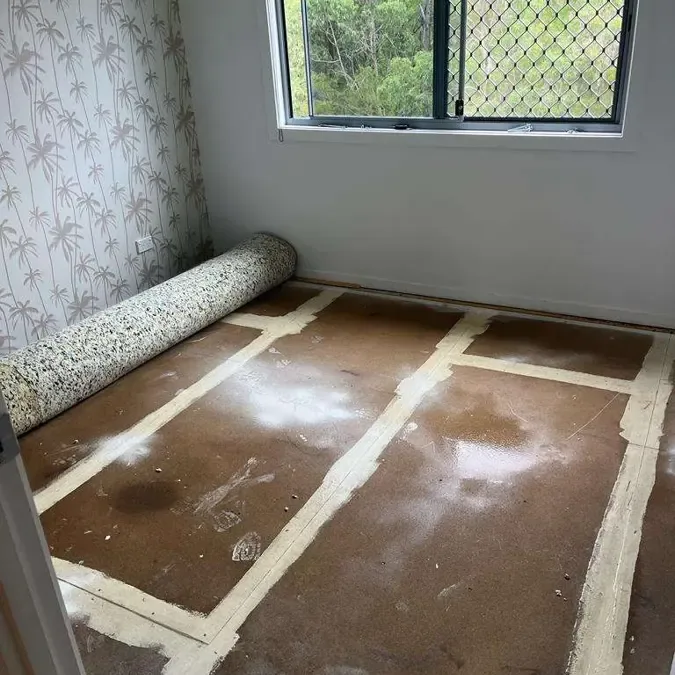
A dry surface can hide a wet assembly
The useful question is how far water traveled. A clear assessment connects visible damage with moisture readings, access limitations and the condition of adjoining materials. That record supports decisions about cleaning, selective removal and drying before finishes return.
Different water problems need different cleanup plans
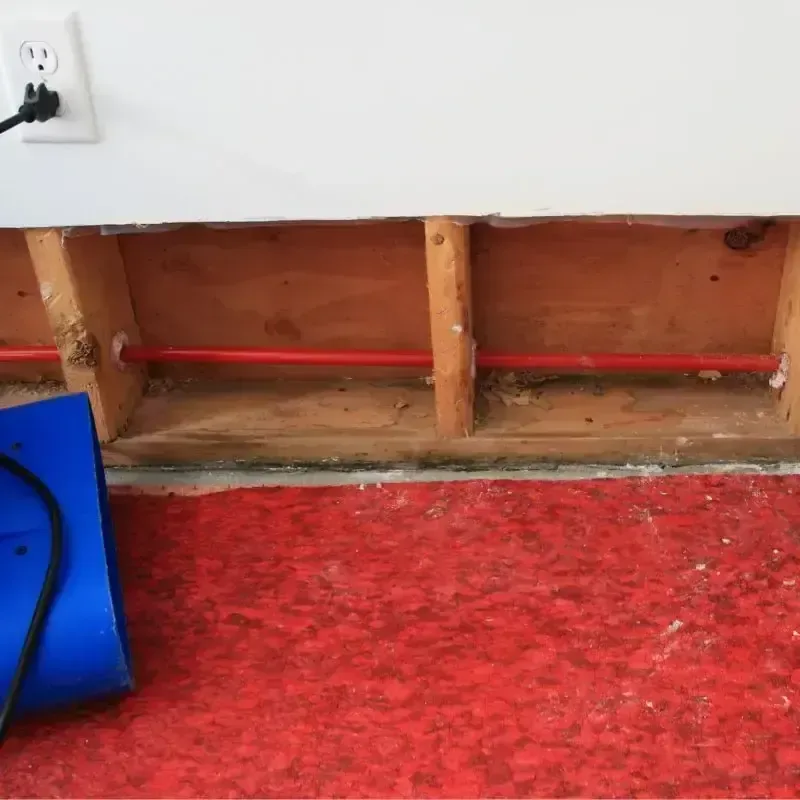
A ceiling drip, overflowing drain and soaked floor create different work scopes. The service pages explain how access, contamination and hidden moisture change the next practical steps for a damaged property.

Water Extraction and Removal
Standing water removal starts with a safe entry route and a destination for recovered water.
Explore this water service ›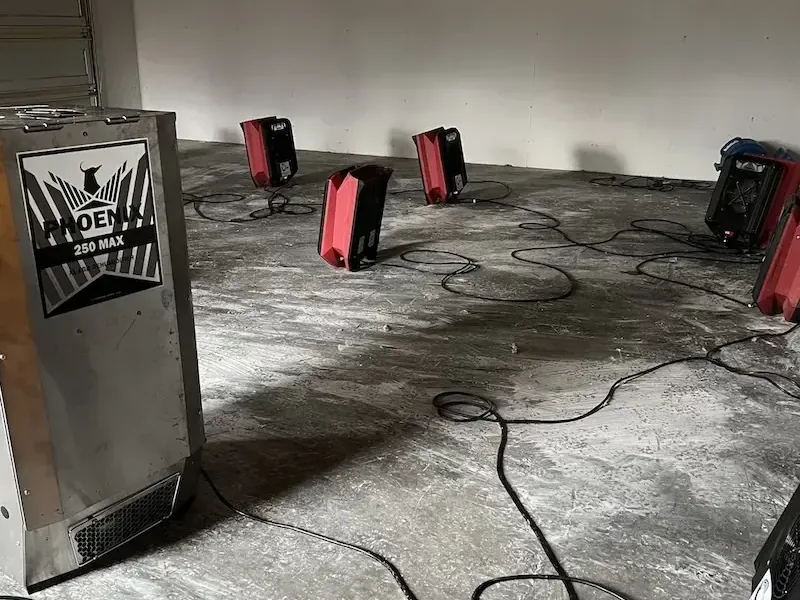
Slab Leak Water Damage
Concealed pipe leakage needs careful floor assessment before repair access and drying decisions are made.
Explore this water service ›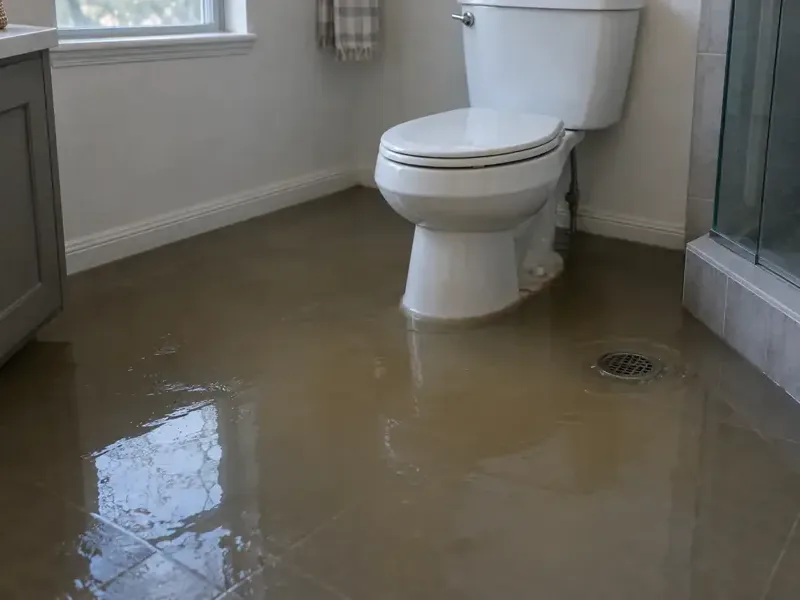
Sewage Backup Cleanup
Wastewater cleanup separates contaminated rooms from occupied spaces and addresses materials that cannot be cleaned.
Explore this water service ›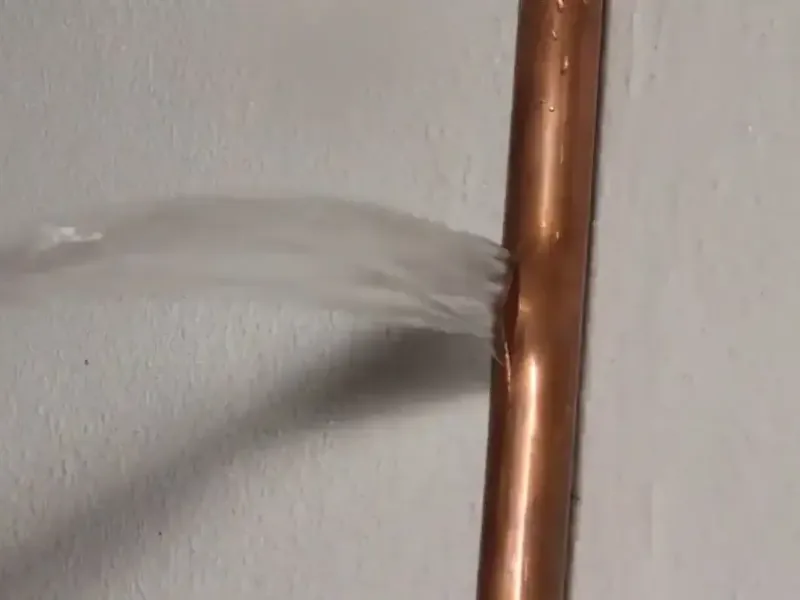
Burst Pipe Water Damage
A broken supply pipe can send water through wall cavities before floor puddles become visible.
Explore this water service ›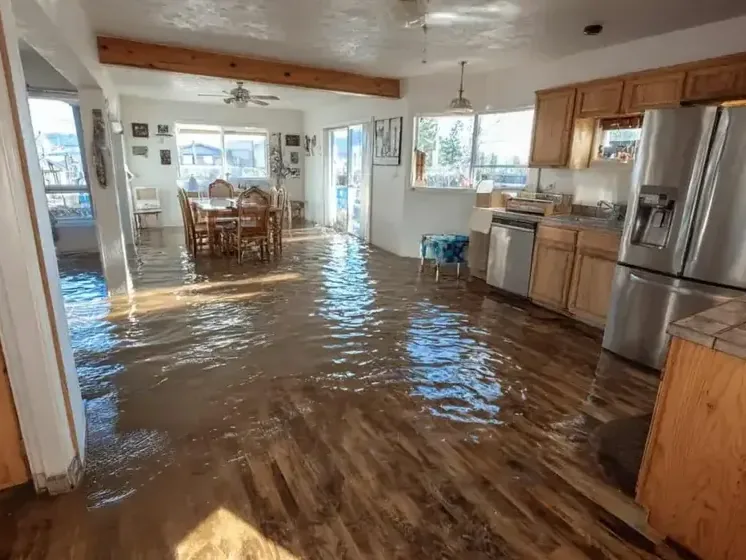
Storm and Flood Cleanup
Outside floodwater brings a cleanup problem that extends beyond the first visible wet room.
Explore this water service ›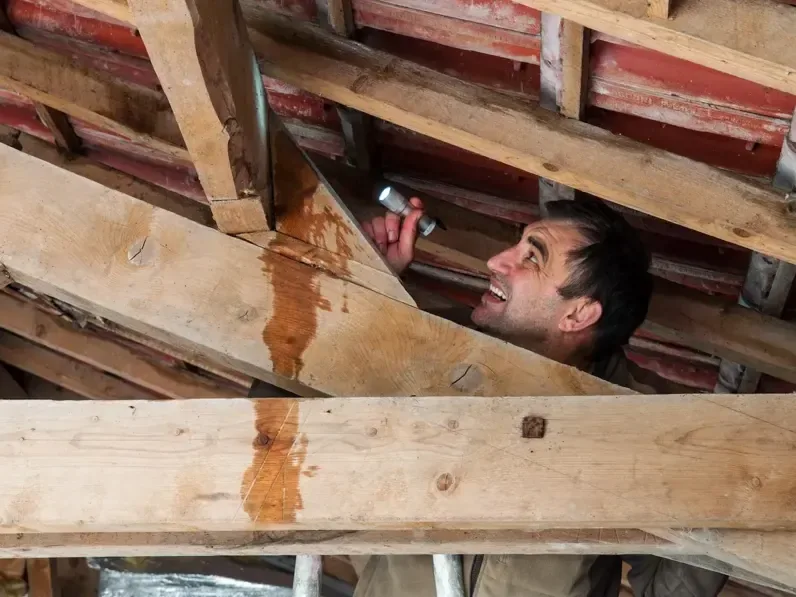
Roof Leak Water Damage
Roof entry can leave attic insulation wet even after the ceiling stops visibly dripping.
Explore this water service ›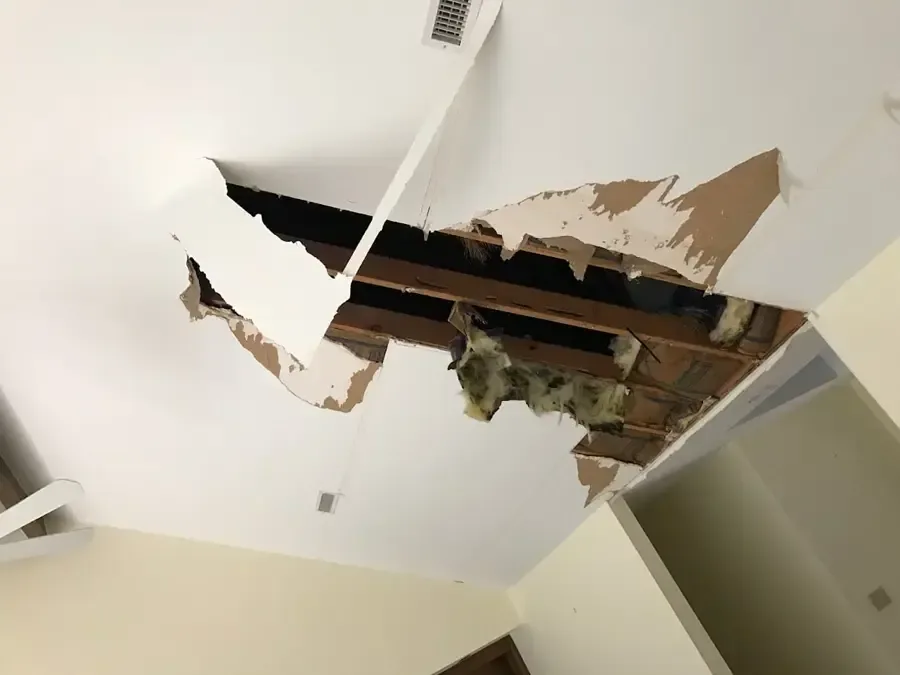
Ceiling Leak Water Damage
Overhead staining calls for checking both the source above and the materials suspended below.
Explore this water service ›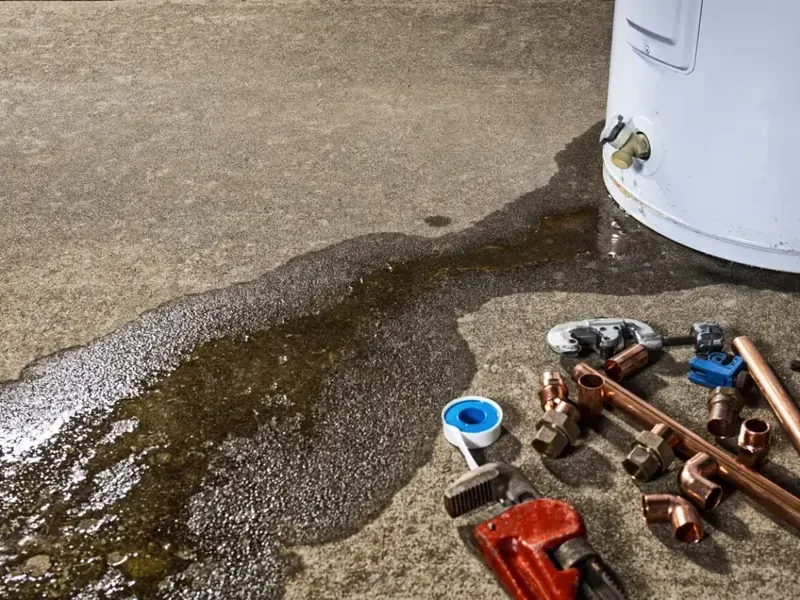
Water Heater Leak Cleanup
A leaking tank can soak nearby storage and carry water beneath adjoining room finishes.
Explore this water service ›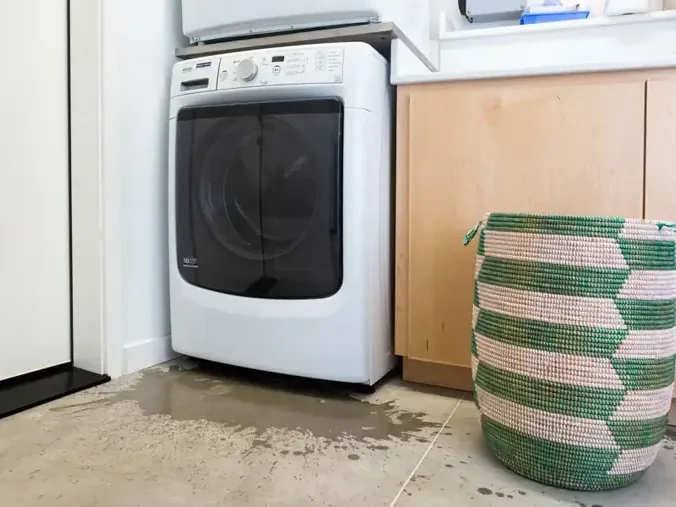
Appliance Leak Water Damage
Appliance spills often hide beneath fixed cabinets where a surface wipe cannot reach moisture.
Explore this water service ›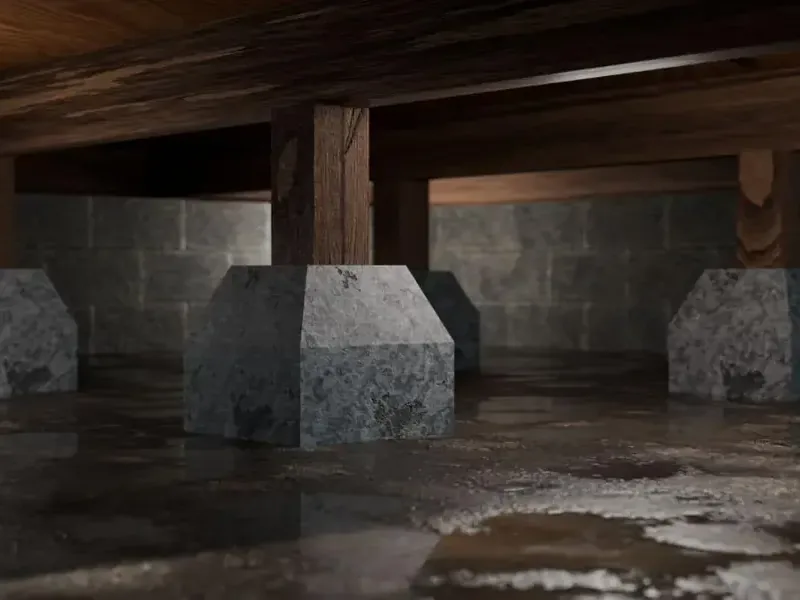
Crawl Space Water Removal
Underfloor pooling requires suitable access, hazard review and attention to damp supports above it.
Explore this water service ›
Structural Drying and Dehumidification
Measured drying follows moisture inside building materials until the affected assemblies meet documented targets.
Explore this water service ›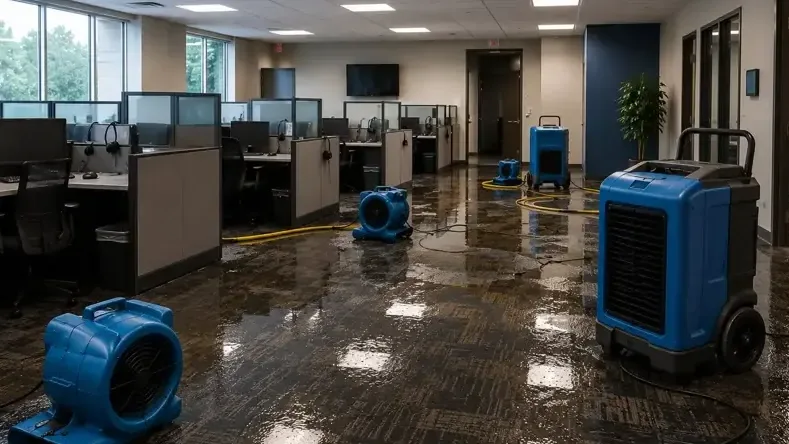
Commercial Water Damage
Business cleanup coordinates restricted work areas with contents handling and decisions about safe occupancy.
Explore this water service ›Establish safety and preserve the water story
- 1
Avoid unsafe entry
Standing water near electrical equipment or a sagging ceiling makes a room unsafe. Keep occupants away until the relevant hazards are assessed.
- 2
Interrupt the source safely
An accessible supply shutoff may limit a plumbing spill. Reaching it must not require crossing wet electrical equipment or unstable building materials.
- 3
Keep useful photographs
Capture the wet area from a safe location before contents move. Include the apparent source, damaged finishes and the route water followed.
- 4
Protect unaffected belongings
Move dry possessions away from the work boundary when access permits. Avoid carrying contaminated items through rooms that have stayed clean.
- 5
Describe access constraints
Mention blocked doors, continuing water entry and vulnerable occupants when arranging help. These details shape the initial assessment and equipment approach.
How the water damage dry-out progresses
Survey the water path
Examine the point of entry and connected surfaces, then mark affected rooms and assemblies. Hidden pockets deserve attention even where the walking surface feels dry.
Recover and clean
Remove accessible water and handle affected contents according to their condition. Cleaning requirements depend on what entered the building and what the water contacted.
Expose suitable drying paths
Determine whether retained materials can dry with available access. Selective openings may be needed, with repair requirements considered before cutting into building assemblies.
Review the end condition
Compare later measurements with the drying target and inspect retained finishes. Record remaining repair needs so the owner understands the next work stage.
Water damage help across unincorporated Valrico
Explain the property access before equipment arrives
The community includes homes and business premises with different layouts. Describe the affected entrance, parking access and any continuing outdoor water when discussing an assessment.
A property near a familiar landmark still needs its own inspection. The actual building condition determines the cleanup approach and safe work boundary.
Valrico, FL · [email protected]
(888) 621-2041Discuss access and affected roomsPlaces around the community
Area ZIP codes
Nearby service pages
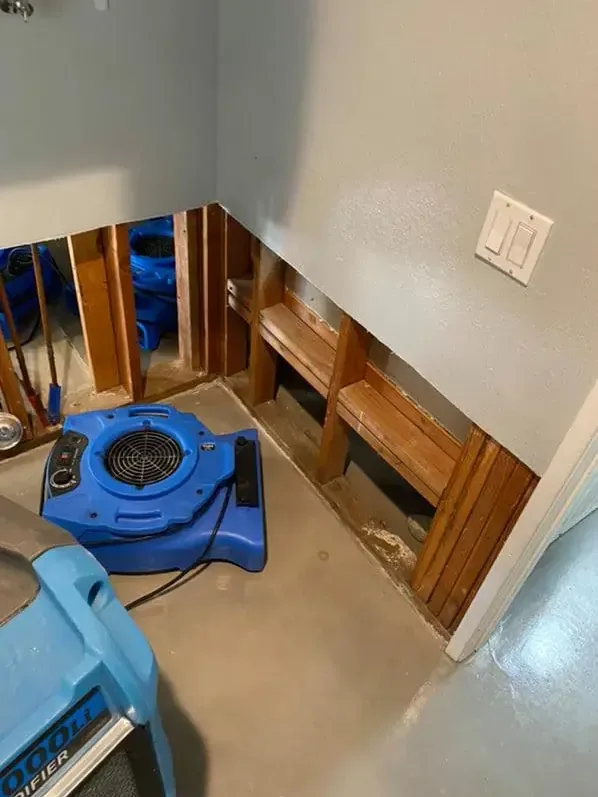
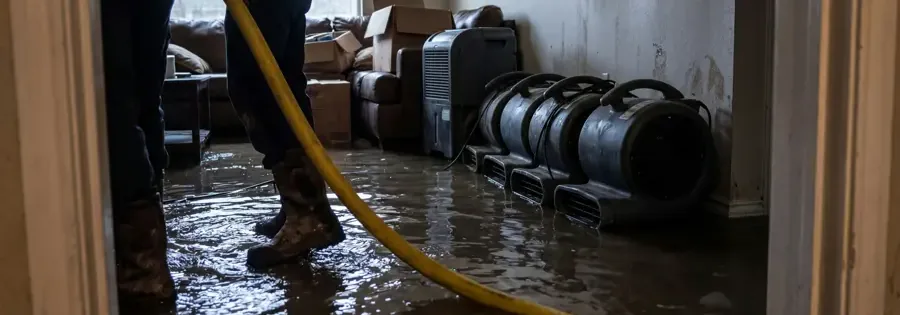
Visible details from water removal and drying
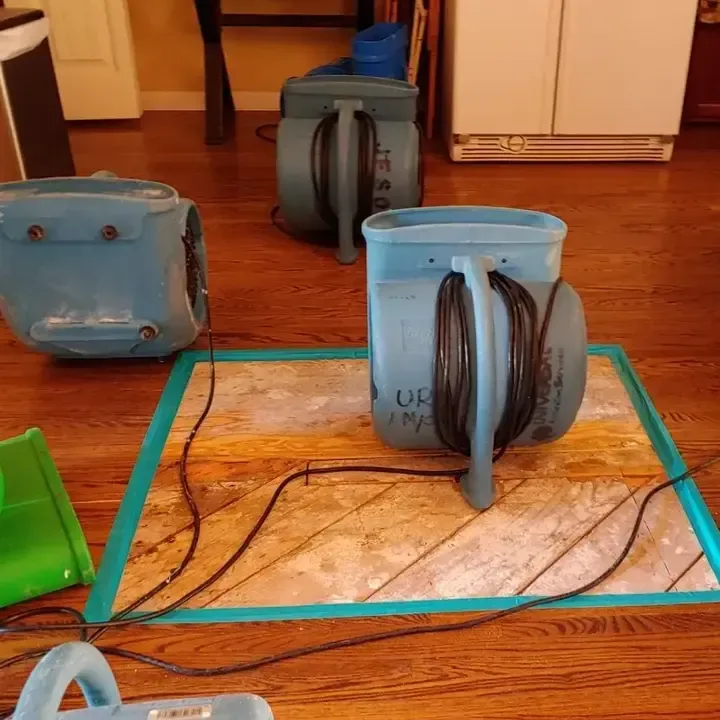
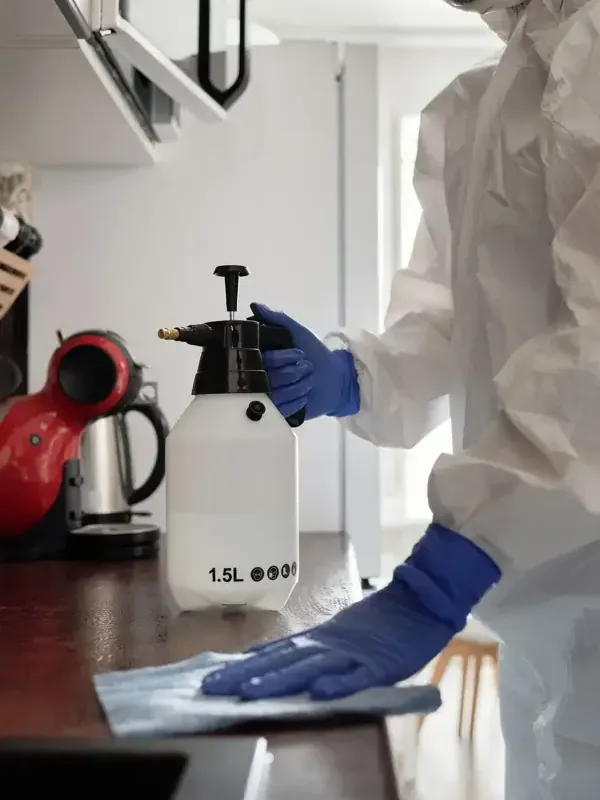
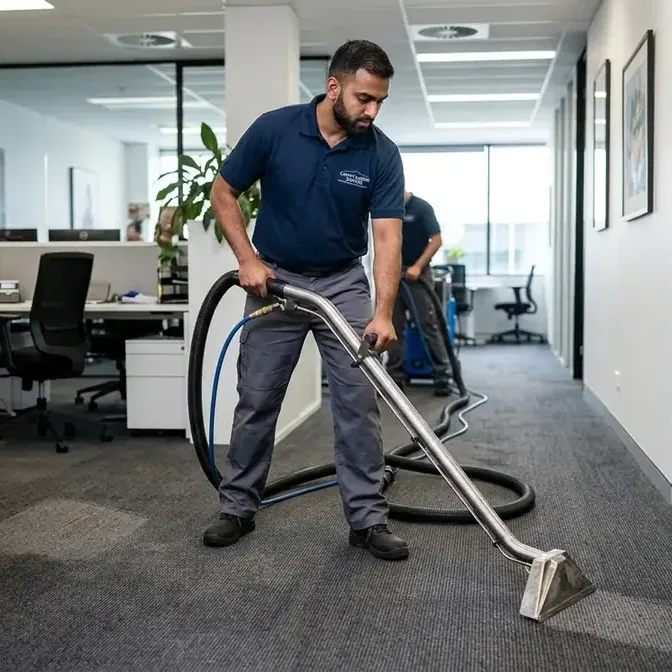
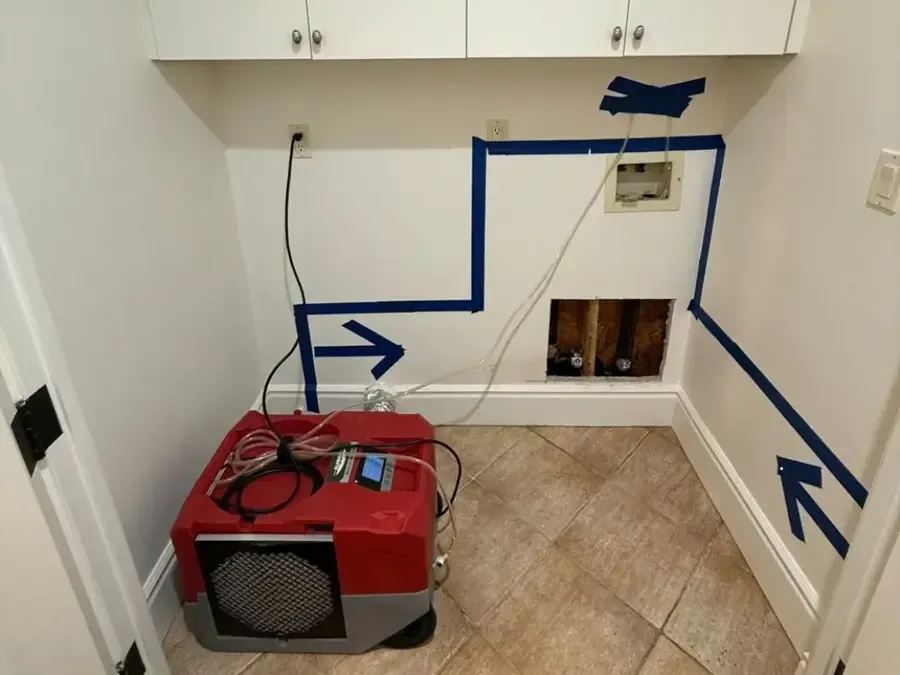
Carry the findings through to the finish
Recovery works best when each decision has a reason. The initial water map, material condition and later moisture readings should stay connected, so equipment removal and repair planning follow the actual progress inside the building.
Mapped extent
Inspection follows water beneath trim and into adjoining spaces, giving each affected assembly a place in the work scope instead of relying on visible stains.
Clear material decisions
A damaged finish, wet structural member and contaminated porous item need separate decisions. Retention depends on condition, cleanability and practical access for drying.
Readable records
Photographs and moisture notes explain what changed during recovery. Owners can compare the initial damage with the final condition of the treated areas.
Coordinated repair access
Plumbing work and building restoration often overlap. Identifying the repair opening early helps prevent a newly restored surface from being disturbed again.
What can water cleanup cost in Valrico?
Valrico cleanup estimates depend on wet area, material layers and contamination. A contained spill may need extraction and limited drying; a broader loss can involve removal, cleaning and several drying zones. The assessment establishes which tasks belong in the estimate.
Contained interior spill
$500 to $2,000
- Accessible wet flooring
- Limited contents handling
- Focused drying
Connected room damage
$2,000 to $6,000
- Multiple damp surfaces
- Selective finish removal
- Moisture monitoring
Broad contaminated loss
$6,000 to $12,000+
- Controlled cleanup
- Extensive material handling
- Documented drying
These planning ranges describe cleanup scope rather than a property quote. Source repairs, reconstruction and unusual access requirements should be identified separately before work is approved.
Water origin changes the handling of materials
Supply water release
A fresh supply spill still needs prompt attention because contact with finishes and hidden spaces changes the cleanup. Stopping the release makes moisture assessment more useful.
Pipe release detailsEquipment discharge
An appliance leak may involve wash water or a clean supply connection. The source, contents and affected finishes determine handling before any drying equipment is positioned.
Equipment spill assessmentContaminated drain water
A drain backup calls for separating exposed materials from clean belongings. Porous finishes and inaccessible cavities need careful evaluation before the affected rooms return to use.
Wastewater cleanup scopeDocument damage and cleanup decisions
A claim file is easier to understand when photographs, source information and cleanup records tell the same story. Keep the damage timeline separate from estimates for repairing the failed equipment or pipe.
- Photographs showing affected rooms before belongings are moved
- A written account of when water was first noticed
- Source repair findings and the related service paperwork
- Itemized cleanup estimates with clearly described work areas
- Progress readings and records of materials removed
When paying for cleanup directly
A written scope helps compare proposed work even without a claim. It should explain extraction, cleaning, equipment use and any necessary removal rather than presenting a single unexplained total.
Ask for changes to be documented as concealed damage becomes accessible. Separating necessary recovery work from optional finish upgrades makes the next decision easier.
Storm drainage and interior leaks need separate answers
Valrico is an unincorporated community in Hillsborough County. Its documented storm flooding offers a reason to plan for safe access, while an individual property still needs its own source and moisture assessment.
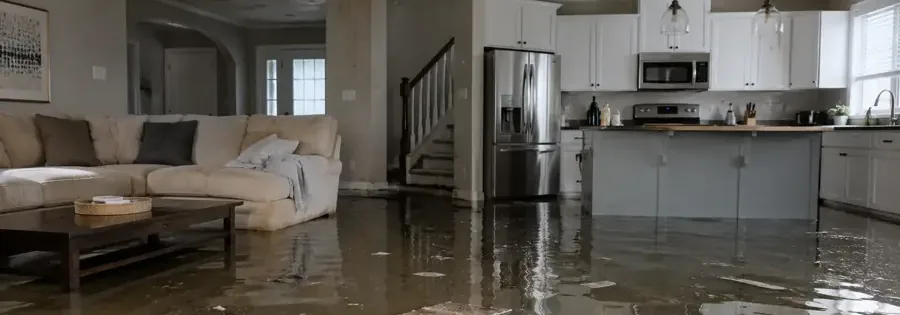
October 19, 2024: Reporting described flooded streets in Feather Rock after Hurricane Milton, with water entering some homes and displacing residents. Continuing outdoor flooding complicated the return to affected properties.
Downstream drainage constraints
The county attributed prolonged neighborhood flooding to high downstream creeks and natural waterbodies. Interior extraction planning must account for continued entry and safe discharge.
Rain before the storm
Heavy rainfall had already saturated the county before the hurricane. A flooded property needs an assessment of current surroundings before an indoor recovery plan is set.
River flooding effects
Reporting described severe flooding near the Alafia River affecting homes, schools and businesses. Outdoor conditions and building access should be assessed together after such losses.
Property flood information
The county provides separate viewers for effective flood zones and watershed study floodplains. Property specific information is more useful than treating the whole community alike.
Water outside dry weather
Street flooding unrelated to rain can indicate a main pipe issue. The county distinguishes those reports from other street flooding sent through its flooding webpage.
Questions before cleanup begins
Is Valrico served as an incorporated city?
Valrico is an unincorporated community and census designated place in Hillsborough County. For cleanup planning, the property location and building condition matter more than a general community label. County reporting routes and permit requirements should be matched to the actual problem and proposed repairs.
Should water be removed before everything is photographed?
Safety and limiting active damage come first. Photographs taken from a dry, safe position can preserve the starting condition without delaying urgent source control. Avoid entering contaminated water or standing beneath a damaged ceiling just to obtain a better picture of the loss.
Does a small puddle mean a small job?
A puddle shows where water is visible, but the same leak may have reached beneath flooring or inside a wall. An assessment checks adjoining materials before the scope is settled. A small accessible spill and a concealed release can require very different work.
Who handles a possible public pipe emergency?
Hillsborough County directs broken main and sewer backup emergencies causing property damage to Water Resources. The building may also need separate cleanup and a plumbing assessment. Reporting the utility concern does not remove water or establish the condition of wet finishes inside the property.
Can a wet ceiling simply be painted again?
Painting should follow source correction and an assessment of the ceiling materials. Damp board, wet insulation and concealed framing can remain above a surface that looks improved. The repair plan should address moisture and material damage before cosmetic finishes are applied to the room.
What makes sewage cleanup different from a supply spill?
Wastewater requires controls that keep contamination from spreading through occupied rooms. Exposed porous materials may need removal, while suitable hard surfaces need cleaning before drying. The affected area should remain separated from children, pets and belongings that have stayed clean throughout the incident.
Can a property remain occupied during restoration?
That depends on safe access, utilities, contamination and whether the work area can be separated. Noise and equipment placement also affect normal use of rooms. Occupancy decisions should follow the actual assessment rather than a promise made before the extent of damage is known.
Which paperwork belongs with the cleanup estimate?
Useful records include source findings, room photographs, the proposed material removal and the drying scope. Changes discovered after opening a wet assembly should be documented. Keeping source repair and reconstruction items distinct helps the owner understand what the cleanup estimate actually includes and excludes.
How is the end of drying determined?
Equipment should leave when readings and material condition support the drying goal. Surface appearance alone cannot show whether a layered assembly is ready for repair. A final record should identify the tested areas, remaining damage and any work needed before the room is finished again.
Move from visible water to a clear scope
Describe the affected rooms and current hazards to start a practical conversation about cleanup, access and drying.
(888) 621-2041Discuss the next recovery step