Bloomingdale Storm and Flood Cleanup
When outside water crosses a doorway, the cleanup must account for what it carried indoors. Bloomingdale flood cleanup addresses debris, contaminated finishes, and retained moisture after the building can be entered safely.
(888) 621-2041Discuss the outside water entry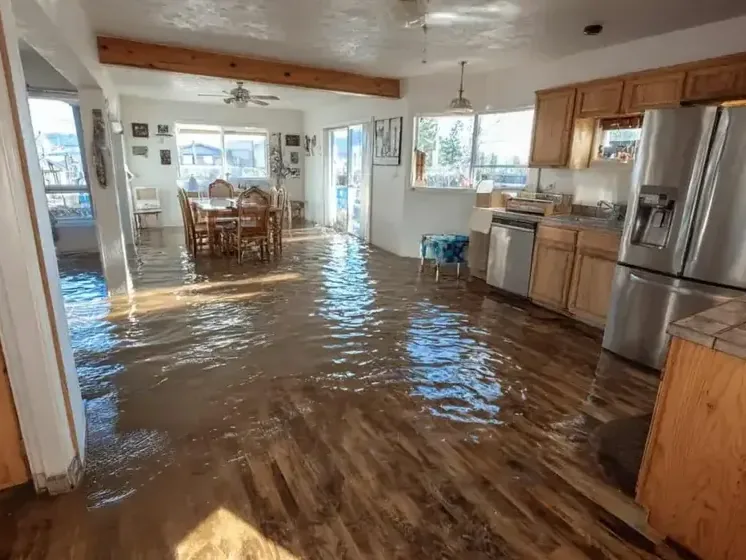
Outside water changes a Bloomingdale cleanup from a simple puddle problem into an assessment of the materials it contacted. The Alafia River forms the community's southern boundary, with Bell Shoals on the river. For an affected home, the immediate scope follows the actual doorway, opening, or other route through which water entered.
First steps for storm and flood cleanup
- Wait for assessed access. Do not enter standing water around electrical equipment or damaged building surfaces. Describe visible hazards from an unaffected location when requesting the cleanup assessment.
- Capture the water marks. Photograph room edges and affected belongings before cleaning when access is safe. Water marks help document where outside water reached inside the building.
- Keep contaminated items separate. Avoid carrying wet belongings through occupied rooms. A planned removal route helps contain debris and residue while the affected areas are being cleared.
- Describe continuing entry. Explain whether water remains outside or returns through an opening. The cleanup sequence depends on preventing new entry while interior removal and cleaning proceed.
How storm and flood cleanup works
Assess entry routes and hazards
The initial inspection establishes where water crossed into the building, which rooms it reached, and what electrical or structural concerns affect worker and occupant access.
Extract water and clear debris
Accessible water and loose material are removed through a controlled route. Absorbent finishes receive a separate decision based on contact, damage, and cleaning access.
Clean the retained interior structure
Residue is addressed on surfaces that remain after removal. Enclosed edges and transitions are inspected so cleaning reaches the actual footprint before drying equipment is arranged.
Measure drying and plan repairs
The retained assembly is monitored as moisture decreases. The final scope identifies damaged finishes, documented drying results, and any construction work still needed after contamination cleanup.
Establish safe access before collecting belongings
Standing water can hide sharp debris, unstable surfaces, and electrical hazards. Occupants should avoid entering until those conditions have been assessed. A useful initial description identifies the rooms involved, whether water remains outside the entrance, and any sagging or displaced building materials visible from a safe position.
At a property near Culbreath Avenue, the cleanup route should keep equipment and removed materials away from unaffected living space. The safest entrance may differ from the door normally used by the household, especially when the original entry remains wet.
- Record water marks before cleaning changes the visible boundary of the interior loss.
- Identify absorbent belongings contacted by floodwater without moving them into dry rooms.
- Keep debris removal separate from attempts to salvage wet papers or small possessions.
- Include closets and low cabinets when tracing where outside water settled indoors.
Use property information for recovery planning
Hillsborough County provides the FEMA Effective Flood Zone Viewer for checking a property or area. Its Floodplain Viewer also displays floodplains developed from detailed watershed studies. These tools support property planning; the cleanup inspection records the water entry and damage observed in the building after the event.
A clear record can include exterior observations made safely, interior water marks, and the materials contacted. A flood zone label should not replace those details when explaining the cleanup scope. Photos should be taken before debris and damaged finishes are removed whenever safe access allows it.
Storm and Flood Cleanup help
Outside water can leave contamination after the puddles recede. Describe the entry route, affected rooms, and any unsafe areas so the assessment can establish the removal and cleaning sequence.
Remove contamination before managing retained moisture
Floodwater can carry residue into seams and porous layers. Extraction addresses the liquid, while debris handling and material decisions address what remains. Surfaces retained in the building need cleaning before structural drying is arranged around the exposed wet assembly.
Do not energize flooded rooms
Wet electrical systems require assessment before power is restored in the affected area. Avoid plugging in fans, chargers, or household cleanup equipment where water contacted outlets or cords. The entry decision should account for both the visible floodwater and the hidden condition of the building's services.
Define what recovery includes
The estimate should distinguish extraction, disposal, cleaning, drying, and reconstruction. Any proposed change should identify the newly exposed condition that requires it. That separation helps homeowners follow a broad loss through manageable decisions, from the first safe entry to the repair of the remaining damaged finishes.
What does storm and flood cleanup cost in Bloomingdale, FL?
Storm and flood cleanup in Bloomingdale has planning ranges from $2,000 to $12,000+. Water entry breadth, contaminated materials, debris, and drying access affect cost. A written estimate should show the cleanup stages and separate reconstruction requirements.
Limited outside-water entry
$2,000 to $4,000
- Small affected footprint
- Accessible residue removal
- Focused material assessment
Multiple flooded rooms
$4,000 to $8,000
- Connected contamination areas
- Broader disposal needs
- Several drying zones
Broad interior flooding
$8,000 to $12,000+
- Extensive finish removal
- Complex debris handling
- Expanded structural monitoring
The water damage cost calculator gives an estimate only. The inspection determines the scope, including water category, affected area, material class and drying delay.
Measured care for storm and flood cleanup
Rapid local response
The response team treats spreading water as urgent and gathers the source, room count and safe access details. Dispatch operates 24/7; conditions and availability determine the response.
IICRC S500 drying standard
The drying crew compares affected assemblies with dry reference materials, adjusts equipment to the evaporation load, and records progress. A dry-looking surface alone does not complete the work.
Claim-ready documentation
The technician links photographs to the moisture map and records material removal, equipment placement and drying readings. That record explains the restoration scope without promising an insurer's decision.
Local water experts
A property inspection distinguishes rain entry, an internal supply leak and contaminated outside water. The restoration plan follows the actual source and materials, with access and safety assessed separately.
Storm and flood cleanup in Bloomingdale
The Alafia River marks the community's southern boundary, and Bell Shoals is a river feature here. Properties around Culbreath Avenue still need individual assessments of entry points, room conditions, and safe access after outside water reaches an interior space.
The same service nearby: storm and flood cleanup in Lithia, Fish Hawk, Valrico.
Water damage restoration in Bloomingdale · every town covered
Related water damage services in Bloomingdale
Sewage Backup Cleanup in Bloomingdale
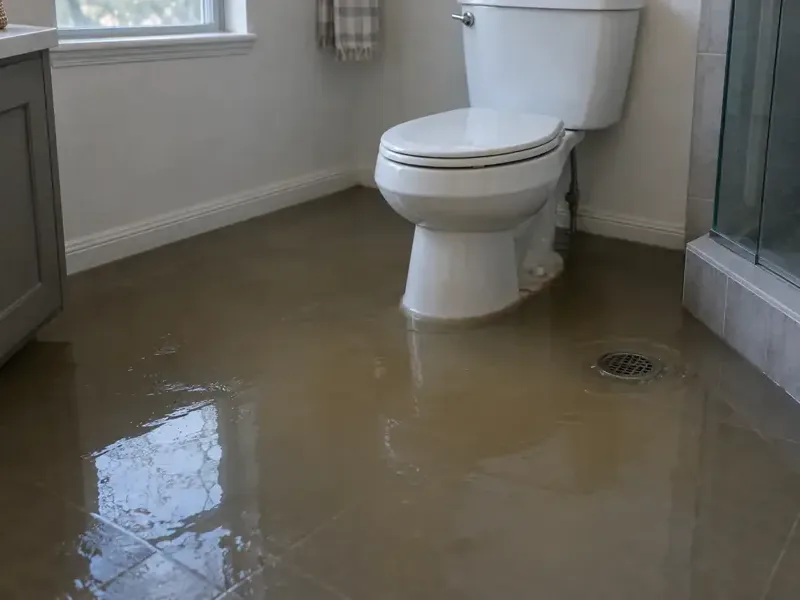
Contaminated water requires controlled removal and surface cleaning.
View service details ›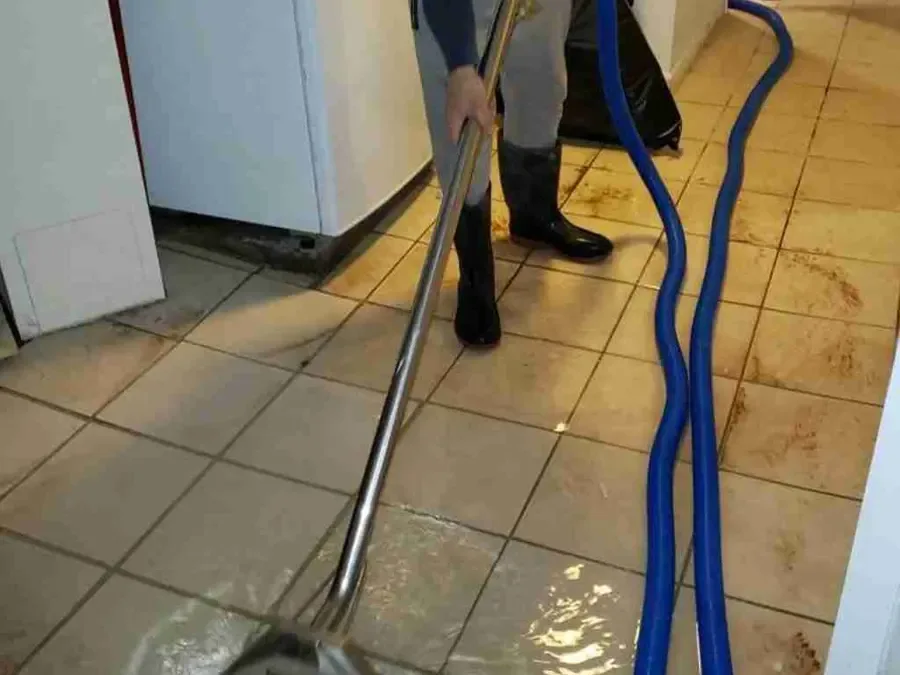
Water Extraction and Removal in Bloomingdale
Standing water removal reaches flooring edges and adjoining rooms.
View service details ›
Structural Drying and Dehumidification in Bloomingdale
Material readings guide airflow, humidity control and drying completion.
View service details ›Storm and Flood Cleanup questions in Bloomingdale, FL
How does outside water differ from an indoor supply spill?
Outside water may carry soil, debris, and other contamination into the building. The cleanup must consider that contact when evaluating floors, wall bases, cabinets, and belongings. Removing the liquid is only part of the work. Material removal and cleaning decisions come before the retained assembly is prepared for drying, with access managed to avoid spreading residue elsewhere.
Can a flood viewer determine the cleanup needed in a room?
Hillsborough County's flood viewers provide property planning information, including effective flood zones and detailed watershed study floodplains. The interior cleanup still depends on what entered the building and which materials it contacted. Photographs, water marks, and moisture inspection establish that work. The planning tools and the damage assessment serve different purposes in the recovery record.
Should outside doors stay open to help everything dry?
The right room setup depends on weather conditions, contamination control, and the drying equipment being used. Unplanned ventilation can interfere with a controlled drying area. The crew should explain which openings need to remain closed and how equipment access will be managed. Occupants should follow that arrangement until measurements support changing the setup or ending the drying phase.
Can belongings be sorted while water remains on the floor?
Sorting should wait until access is assessed and the contaminated area is controlled. Standing water may conceal electrical hazards or sharp debris, and moving items can spread residue into dry rooms. Photographs from a safe location preserve an initial record. The cleanup plan can then establish an appropriate area and handling method for evaluating affected belongings.
Why remove a wall base when the water has already receded?
Water can enter absorbent materials and concealed edges during the period of contact. A wall that looks intact above the water mark may have wet material behind its lower finish. Inspection determines what needs opening, cleaning, or removal. Receding water changes the visible room condition but does not complete the assessment of the building materials it reached.
Who receives a report about water flooding the street?
Hillsborough County distinguishes street flooding related to main pipe breaks from other street flooding reports. Describing the observed condition helps direct the report appropriately. That reporting process should be kept separate from the home's cleanup scope, which documents the entry point, affected interior materials, and work needed to remove contamination and dry the remaining structure.
What should an estimate explain after a broad flood loss?
The estimate should identify removal areas, disposal needs, cleaning tasks, drying equipment, and monitoring. Reconstruction and source protection should have clear boundaries so the homeowner can see what is included. If further damage appears during opening, the added scope should describe that finding. A staged record makes it easier to compare proposals covering a complex affected interior.
Plan recovery beyond the visible water
Arrange an assessment of damaged materials, cleaning access, and the structure requiring measured drying.
(888) 621-2041Discuss the interior flood recovery