Bloomingdale Appliance Leak Cleanup
The front of a cabinet can look normal while its base stays wet. Bloomingdale appliance leak cleanup follows escaped water behind equipment, beneath nearby finishes, and into adjoining rooms before repairs conceal it.
(888) 621-2041Discuss water beneath the appliance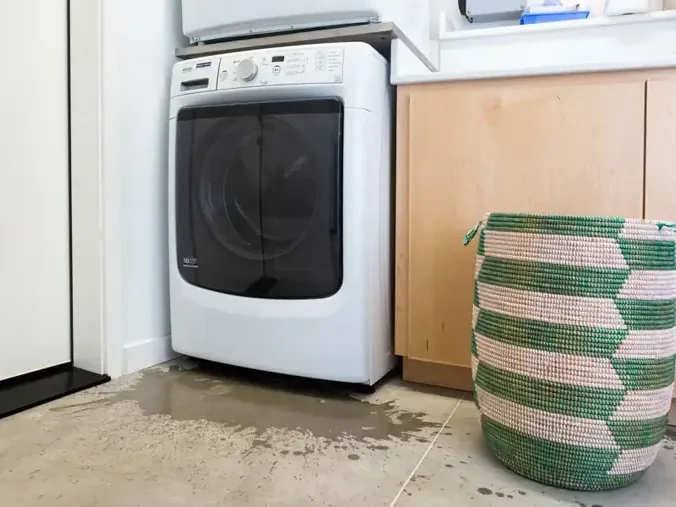
An appliance leak may first appear as a lifted floor seam or a swollen cabinet corner. In Bloomingdale, established residential sections and newer layouts both call for an inspection of the actual appliance installation. Water can collect behind a washer or beneath a dishwasher before it reaches the open floor where someone notices it.
First steps for appliance leak water damage
- Pause further appliance use. Do not run another cycle while water continues to escape. If controls or plugs are wet, keep clear and arrange safe equipment assessment instead.
- Describe the first visible change. Note whether water appeared during filling, draining, or later at rest. Explain any raised flooring, swollen cabinet edge, or damp adjoining wall near the appliance.
- Keep the equipment position recorded. Photograph the visible spill before movement when access is safe. The original location helps connect water beneath the appliance to damage elsewhere in the room.
- Make room for coordinated access. Tell both trades about cabinet restrictions and repair plans. Drying and appliance service should share access so a repaired unit does not immediately conceal damp materials.
How appliance leak water damage works
Establish source and water condition
The appliance connection and operating context are reviewed with the visible damage. Those findings help determine how contacted finishes and concealed cabinet spaces should be handled.
Inspect the installation recess
Safe equipment access exposes the floor and neighboring surfaces. Moisture checks extend into toe spaces, side panels, and room transitions where water may have escaped notice.
Select removal and drying access
The condition of each affected material determines whether it can stay. Proposed openings should reveal retained moisture and support equipment placement around the surfaces requiring drying.
Check readiness before reinstalling equipment
Drying results and remaining damage are recorded. Appliance placement is coordinated with source repair to preserve inspection access within the installation area.
Use the appliance's condition to direct the assessment
The source investigation should establish whether the problem involves a supply connection, discharge, or equipment failure. Water condition can differ with the appliance and its operating stage. That information affects cleanup decisions and helps distinguish a fresh supply spill from water that already passed through a washing or cleaning cycle.
At a home along Bell Shoals Road, useful observations include when the appliance last ran and where dampness first appeared. Stop further operation when safe, but leave electrical connections and equipment movement to an assessed plan if the surrounding floor is wet.
- Check the recessed floor beneath the appliance rather than only the open walking area.
- Inspect cabinet side panels and toe spaces for swelling or retained water after extraction.
- Trace continuous flooring through nearby doorways when the spill crossed the room edge.
- Record damaged finishes before equipment is moved and the original water pattern changes.
Open the access that the materials require
Cabinet faces can hide a wet base or backing, so drying access should follow the inspection. Removing a trim piece may expose an edge; another condition may require more extensive work. The estimate should describe what blocks inspection and why a proposed opening is necessary to reach retained moisture.
Culbreath Avenue and Erindale Oaks provide different residential settings within the community. The property's layout determines whether a laundry spill reaches a hallway or a kitchen leak enters an adjoining cabinet. An assessment should identify those connections rather than treating every appliance enclosure as the same room.
Appliance Leak Water Damage help
A small appliance spill can hide beneath installed cabinetry. Describe the equipment, the first damp edge, and any nearby room damage so the assessment can include the concealed installation space.
Coordinate repair without covering the wet recess
A repaired or replaced appliance can block the very area that needs drying. The service schedule should allow moisture inspection before equipment is pushed back into place. If water has spread across the room, water extraction addresses the accessible spill before the enclosed layers receive targeted attention.
Leave wet plugs and sockets alone
Reaching behind an appliance while standing on a wet floor can expose a person to electrical hazards. Avoid pulling cords or moving heavy equipment through the spill. Describe the location and active source, and let the service and cleanup trades establish a safe approach.
Check the installation space before returning to use
The handoff should identify the corrected source, the condition of the surrounding materials, and any finish replacement still needed. A functioning appliance can coexist with wet cabinet backing. Readings and inspection of the exposed recess help establish when the installation area is ready to be enclosed again.
What does appliance leak water damage cost in Bloomingdale, FL?
Appliance leak cleanup in Bloomingdale has planning ranges from $500 to $4,500. Cabinet access, floor layers, water condition, and adjoining damage shape the estimate. Appliance service and replacement finishes should be distinguished from the interior removal and drying work.
Accessible small spill
$500 to $1,300
- Open floor collection
- Nearby edge inspection
- Limited equipment setup
Cabinet or wall spread
$1,300 to $2,800
- Concealed recess access
- Cabinet material assessment
- Targeted cavity drying
Several wet floor layers
$2,800 to $4,500
- Broader covering removal
- Connected room checks
- Expanded moisture monitoring
The water damage cost calculator gives an estimate only. The inspection determines the scope, including water category, affected area, material class and drying delay.
Measured care for appliance leak water damage
Rapid local response
The response team treats spreading water as urgent and gathers the source, room count and safe access details. Dispatch operates 24/7; conditions and availability determine the response.
IICRC S500 drying standard
The drying crew compares affected assemblies with dry reference materials, adjusts equipment to the evaporation load, and records progress. A dry-looking surface alone does not complete the work.
Claim-ready documentation
The technician links photographs to the moisture map and records material removal, equipment placement and drying readings. That record explains the restoration scope without promising an insurer's decision.
Local water experts
A property inspection distinguishes rain entry, an internal supply leak and contaminated outside water. The restoration plan follows the actual source and materials, with access and safety assessed separately.
Appliance leak water damage in Bloomingdale
Established residential sections around Bell Shoals Road and Culbreath Avenue sit alongside newer local developments such as Erindale Oaks. An appliance cleanup assessment should identify the actual cabinet arrangement, connected rooms, and access needed behind the leaking equipment at the property.
The same service nearby: appliance leak water damage in Lithia, Fish Hawk, Valrico.
Water damage restoration in Bloomingdale · every town covered
Related water damage services in Bloomingdale

Water Extraction and Removal in Bloomingdale
Standing water removal reaches flooring edges and adjoining rooms.
View service details ›
Structural Drying and Dehumidification in Bloomingdale
Material readings guide airflow, humidity control and drying completion.
View service details ›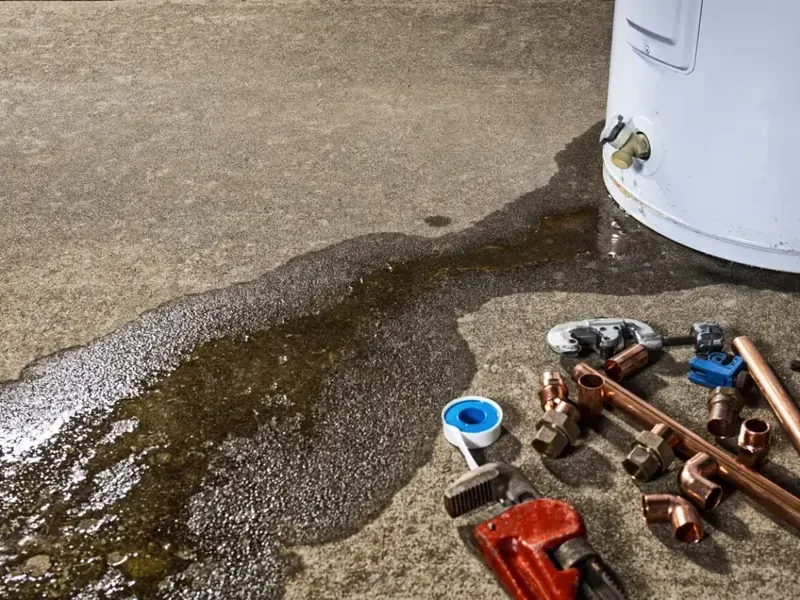
Water Heater Leak Cleanup in Bloomingdale
Tank leaks can spread beneath nearby walls and stored belongings.
View service details ›Appliance Leak Water Damage questions in Bloomingdale, FL
Does the appliance type change the cleanup approach?
Yes. The source connection and operating stage help establish what water entered the room. A supply leak and a discharge during a cleaning cycle can involve different conditions. The assessment should record that context alongside the materials contacted. Cleanup then addresses the actual exposure, cabinet access, and retained moisture rather than choosing a method solely from the appliance name.
Why can a cabinet remain wet after the floor looks dry?
A cabinet base or backing may absorb water in a recessed area with little drying access. The exposed floor can dry sooner while moisture remains beneath or behind the installed unit. Inspection should reach those hidden edges and identify the material condition. The scope may need selective access so readings and drying can address the affected cabinet assembly directly.
Should the appliance be pulled out before the crew arrives?
Movement should depend on electrical safety, equipment weight, and the condition of the surrounding floor. Pulling an appliance through standing water can disturb connections or damage softened finishes. Describe the installation and visible spill instead. The cleanup and service trades can coordinate safe access, preserve useful evidence of the water path, and decide how the appliance should be handled.
Can the repaired appliance be used during structural drying?
Use depends on whether the source repair is complete and whether operating or repositioning the appliance interferes with the drying area. The installation recess may need to stay accessible for readings or equipment. The plan should explain any temporary restrictions. Returning a machine to service should not block the moisture assessment needed for the surrounding floor and cabinet materials.
What if the leak only appears during part of a cycle?
An intermittent release still deserves assessment because repeated small spills can reach concealed materials. Record the operating stage and visible changes without deliberately running a leaking appliance again. The service trade can investigate the equipment, while cleanup checks the installation space and adjoining finishes. Those separate observations help connect a limited visible spill to any accumulated hidden damage.
Will every cabinet touched by water need replacement?
The decision depends on the cabinet material, damage, water condition, and ability to inspect and dry it. Swelling or separation may affect retention, while an accessible intact surface may have different options. The proposal should identify the affected components and explain the reason for removal or retention. Matching the decision to the actual assembly avoids treating all cabinetry alike.
What should remain documented after the appliance is reinstalled?
Keep source service notes, photographs of the exposed installation area, moisture results, and a description of any removed cabinet or floor components. The completion note should identify finish work that remains outside the cleanup scope. That record shows what happened behind the equipment before it was returned to position and helps later contractors understand the repaired area.
Check behind the repaired appliance
Coordinate service access and moisture assessment before equipment covers the affected floor and wall again.
(888) 621-2041Arrange cabinet and floor inspection