Water Damage Restoration in Fish Hawk
A wet room needs a clear sequence: stop the source, identify the affected materials and plan the next repair. Restoration connects visible water with the moisture left inside floors, walls and ceilings.
(888) 621-2041Assess the water damage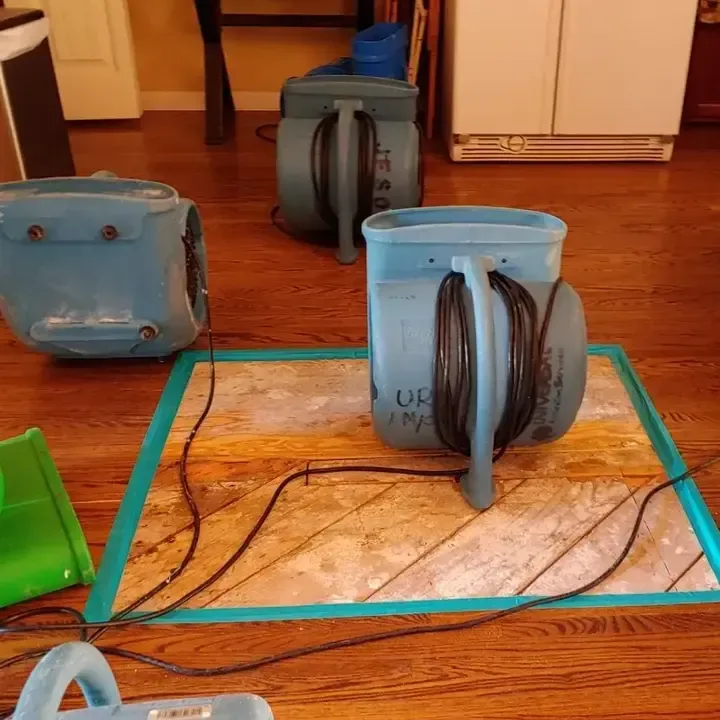
Keep each repair decision tied to the building
Useful restoration records explain more than the presence of equipment. They connect the source, the materials reached and the checks needed before reconstruction, helping the homeowner understand why a room is opened, dried or held for further treatment.
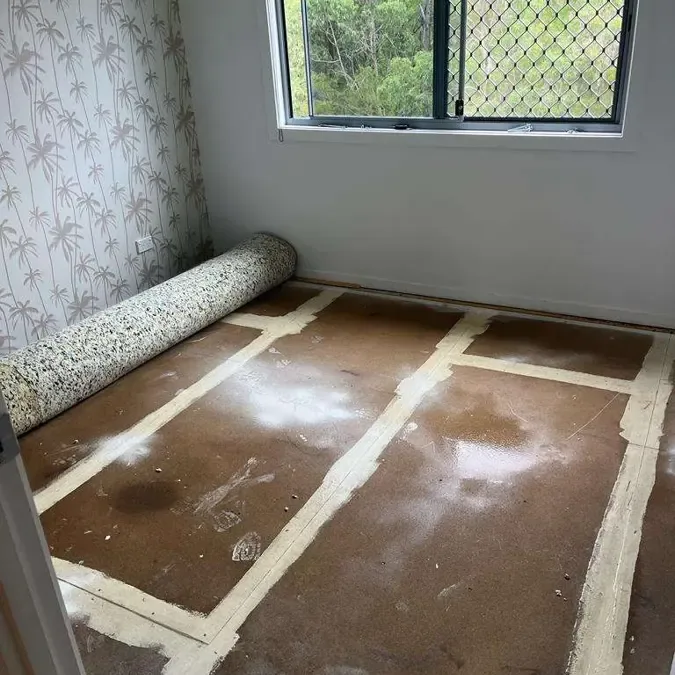
Start with the source or the wet material
Some losses begin with a known broken connection; others appear as a stain or damp seam. The service choices below connect those symptoms with the inspections and treatment each affected room needs.
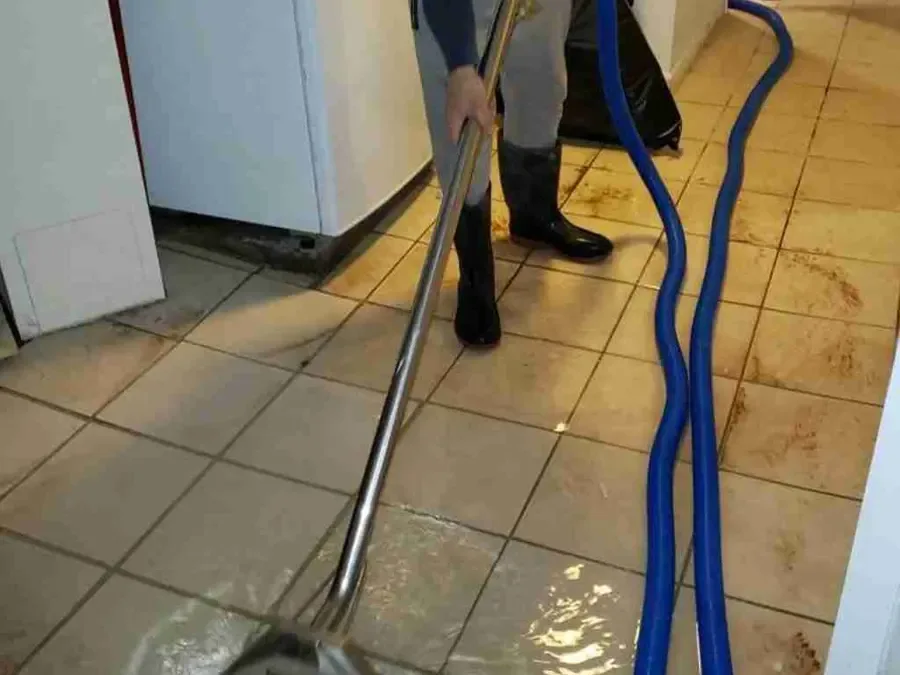
Water Extraction and Removal
Extraction clears pooled water before moisture checks assess the connected floor and wall layers.
Explore this water service ›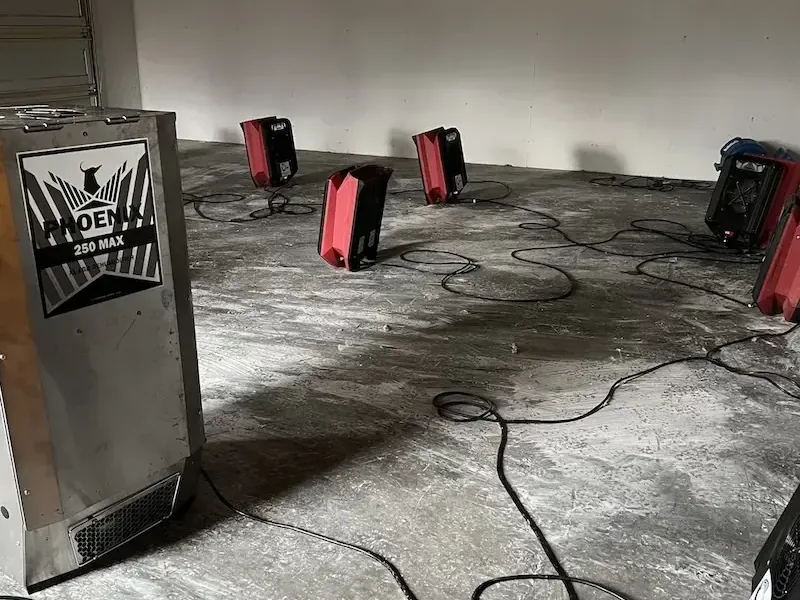
Slab Leak Water Damage
Damp seams require plumbing findings and moisture checks beneath the surrounding floor coverings.
Explore this water service ›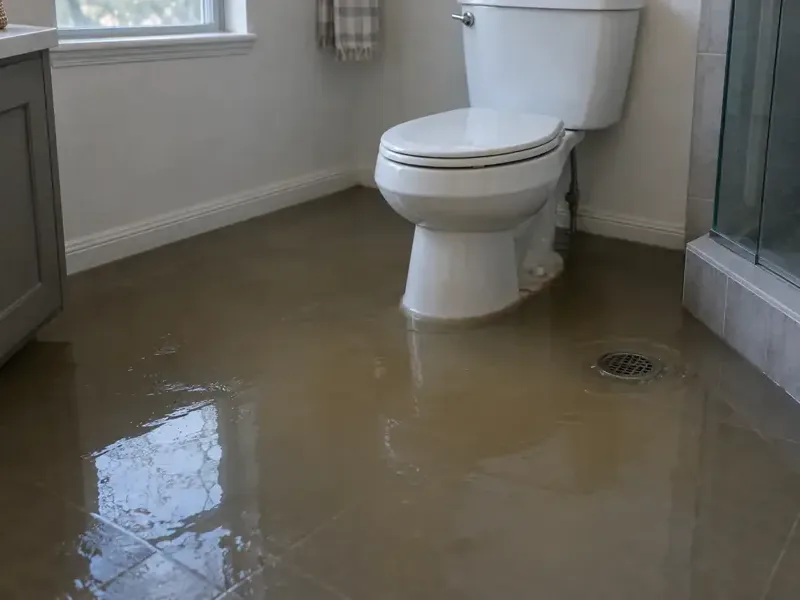
Sewage Backup Cleanup
Contaminated rooms require controlled material handling, surface cleaning and a separate plan for the drainage fault.
Explore this water service ›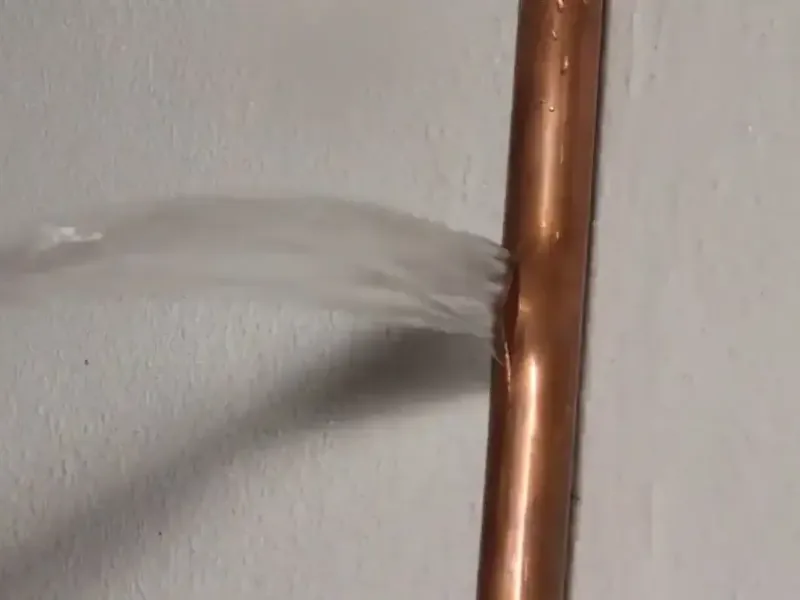
Burst Pipe Water Damage
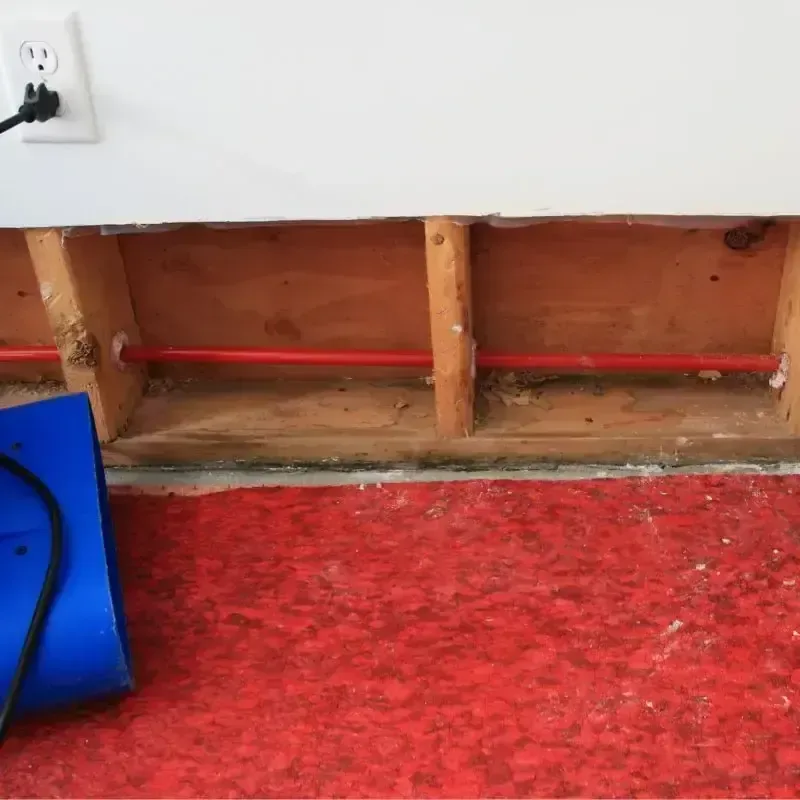
The repair opening marks the source, while inspection follows escaped supply water through adjacent building materials.
Explore this water service ›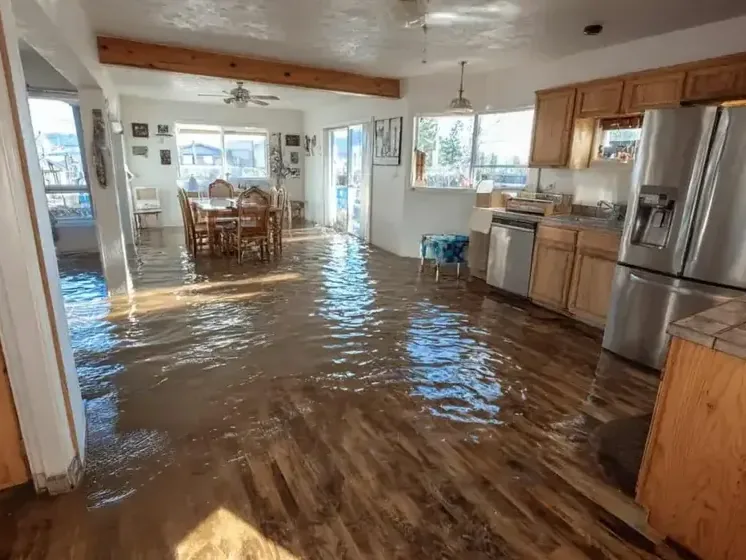
Storm and Flood Cleanup
Outside water brings a cleanup sequence that accounts for residues, porous finishes and the entry path.
Explore this water service ›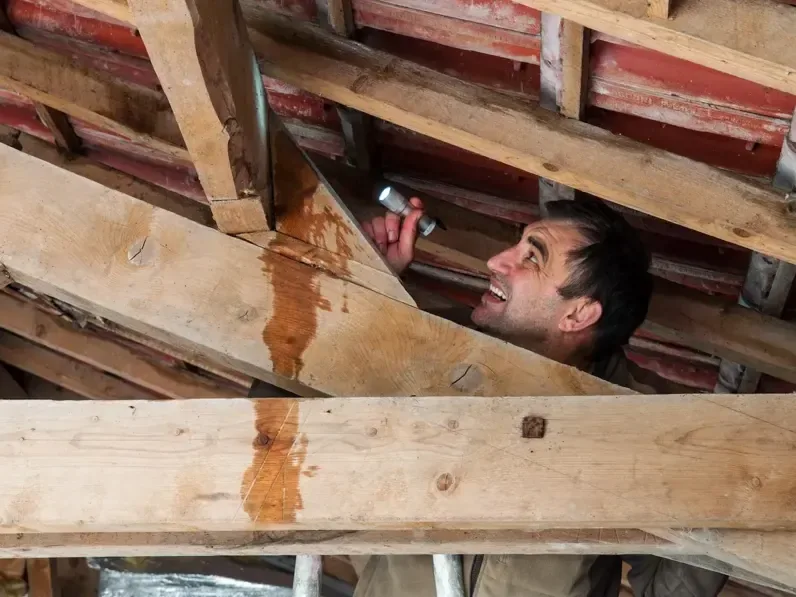
Roof Leak Water Damage
Rainwater can travel above a ceiling, making attic inspection part of the interior restoration plan.
Explore this water service ›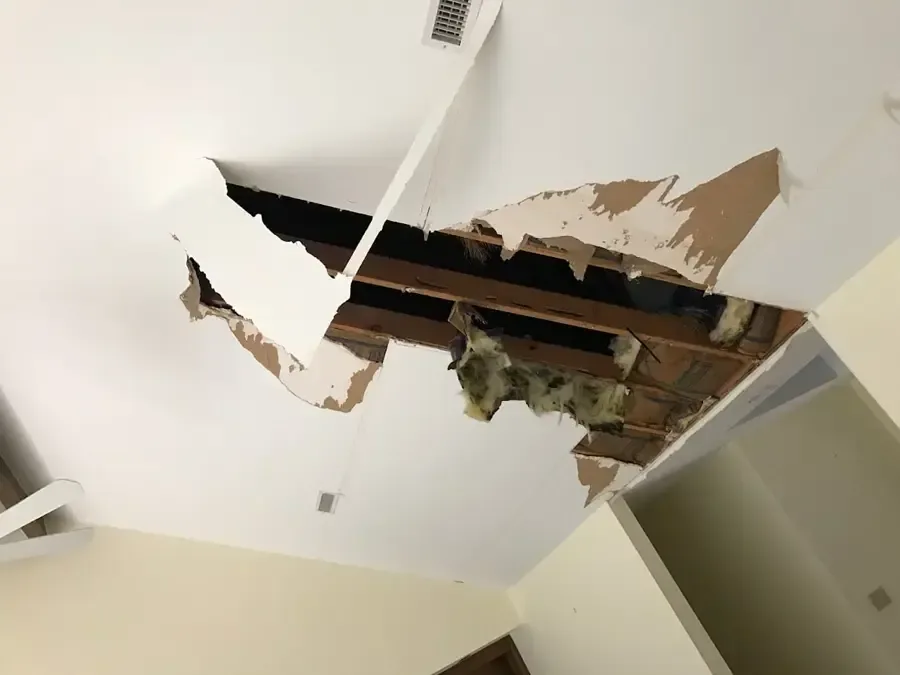
Ceiling Leak Water Damage
Overhead stability comes first when softened board or a growing bulge changes the condition of a room.
Explore this water service ›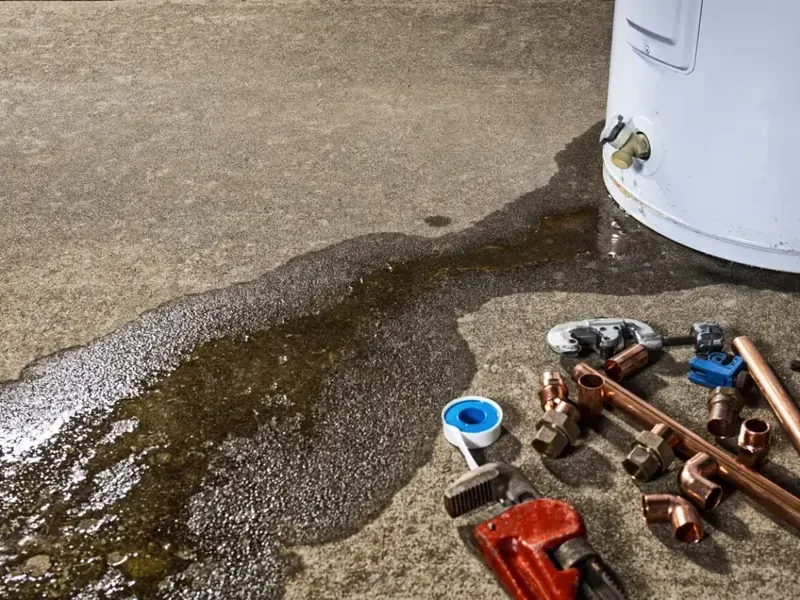
Water Heater Leak Cleanup
The enclosure behind a heater needs attention before replacement equipment conceals surfaces reached by the spill.
Explore this water service ›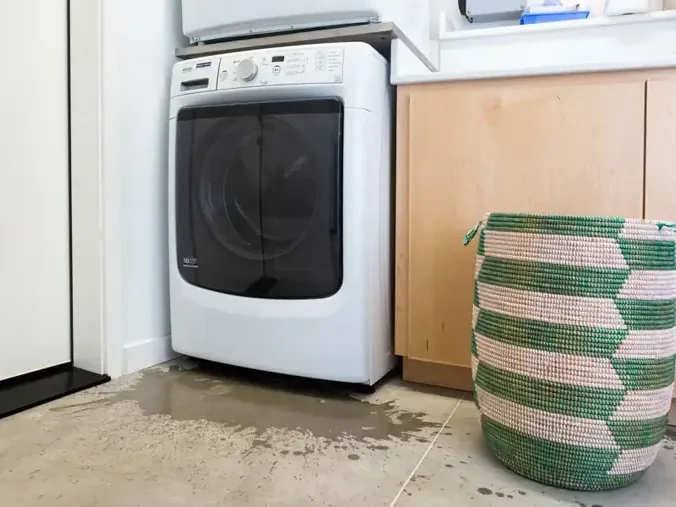
Appliance Leak Water Damage
Kitchen cabinets and laundry floor layers can hide water beyond the footprint of a leaking appliance.
Explore this water service ›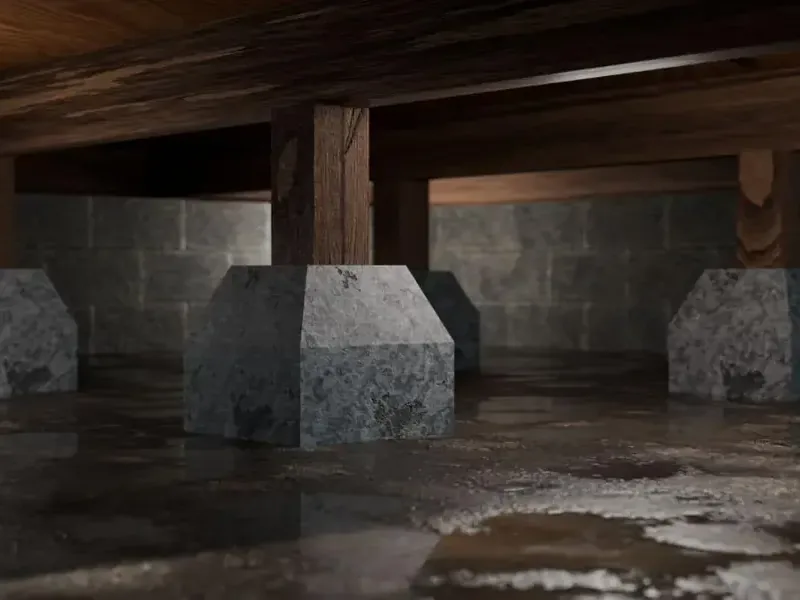
Crawl Space Water Removal
An accessible crawl space receives a safety assessment before pooled water and wet underfloor materials are treated.
Explore this water service ›
Structural Drying and Dehumidification
Repeat material readings show whether retained assemblies are progressing toward the agreed condition for finish repairs.
Explore this water service ›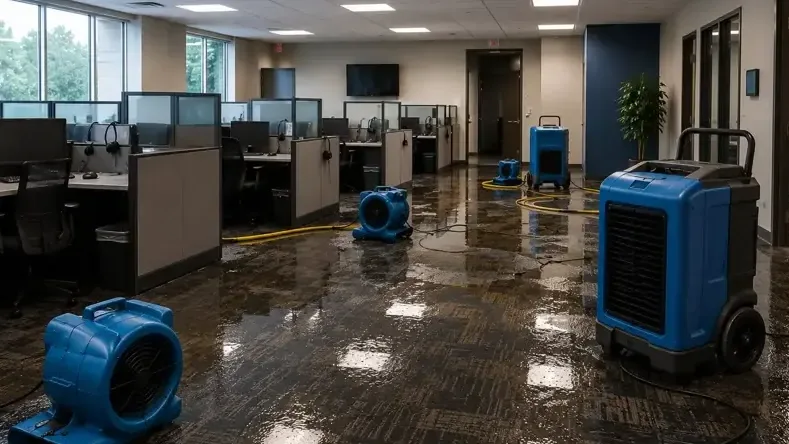
Commercial Water Damage
Business cleanup coordinates room restrictions, contents access and repair records around the affected interior.
Explore this water service ›Keep people safe and the damage record useful
- 1
Avoid the unsafe room
Standing water near electricity and unstable ceiling finishes require restricted access. Occupants should remain outside the affected area until its condition is assessed.
- 2
Identify an accessible source
A known shutoff can help stop a release when it is safely reachable. Unfamiliar equipment or wet controls require appropriate assistance.
- 3
Preserve the first view
Photographs from a dry position can record water marks, contents and the rooms reached before removal or cleanup changes their appearance.
- 4
Describe connected spaces
A spill beside a doorway may continue beneath another floor covering. The initial request should include adjoining rooms showing dampness or changed finishes.
- 5
Keep repair access open
Source work and drying may need different openings. Replacement trim, flooring or ceiling patches should follow the assessment of retained wet materials.
How the water damage dry-out progresses
Establish the water route
The initial assessment locates the source and traces visible and concealed spread, connecting affected rooms with the materials that need further inspection or treatment.
Create safe treatment access
Water recovery and controlled material removal open the relevant surfaces while access routes and contents handling are planned around the actual room conditions.
Monitor the retained assembly
Equipment and access are adjusted as readings show how materials respond, with slow areas assessed for trapped layers or renewed water entering the building.
Prepare the next repair
The final assessment identifies ready surfaces, remaining work and source repair status before replacement materials close the space and ordinary room use resumes.
Water damage assessment across Fish Hawk
Describe the property and the affected rooms
Fish Hawk is an unincorporated community in Hillsborough County. Requests can identify the development, usable entrance and the rooms where water has appeared, with safety concerns noted first.
FishHawk Ranch, FishHawk Trails, Starling at FishHawk and The Preserve provide familiar location references. The inspection then follows the individual building's source, access and wet materials.
Fish Hawk, FL · [email protected]
(888) 621-2041Discuss the property assessmentFamiliar local places
Listed ZIP
Nearby service communities
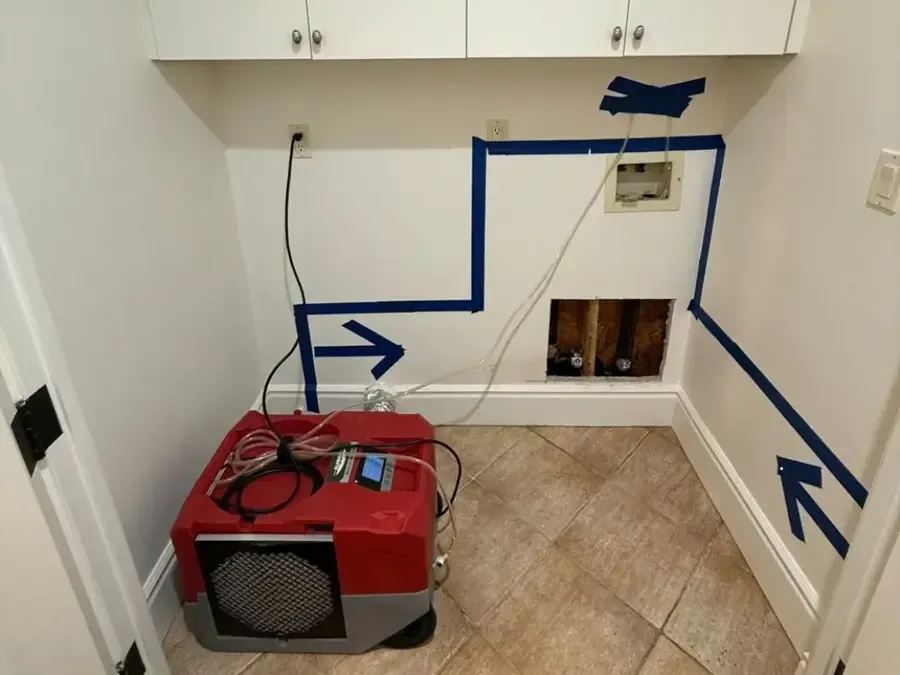
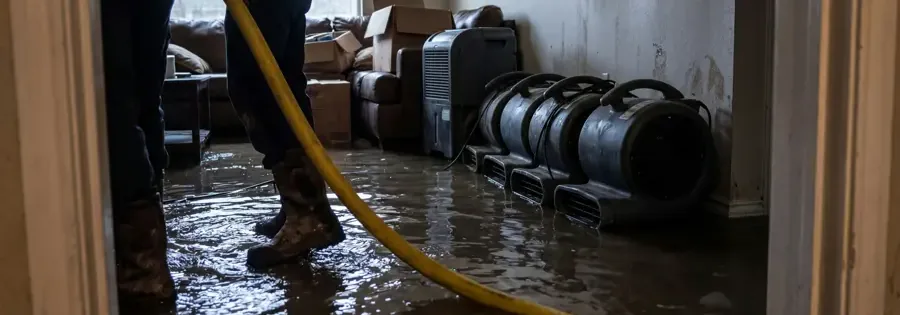
Visible surfaces and the layers opened for treatment
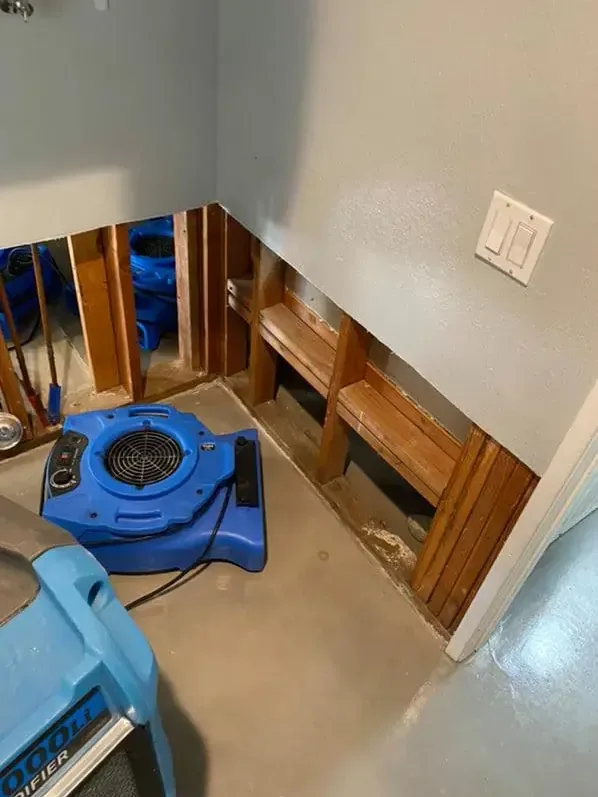
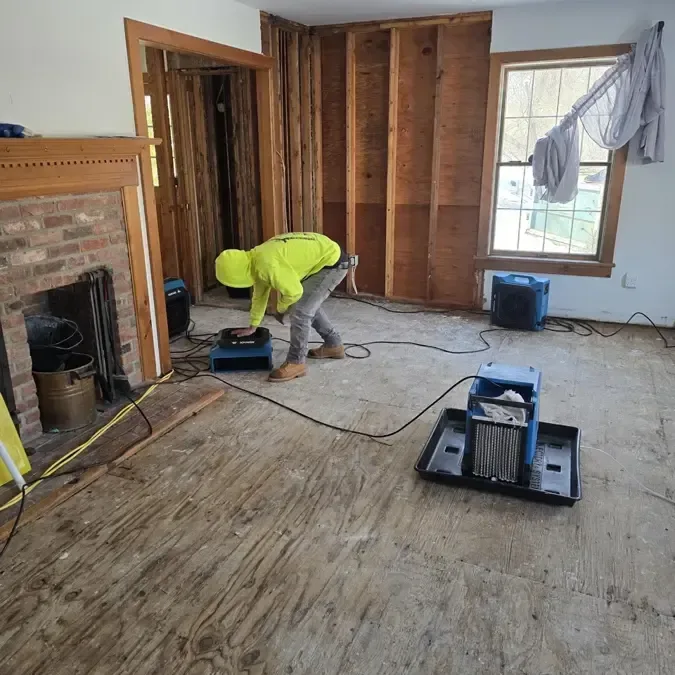
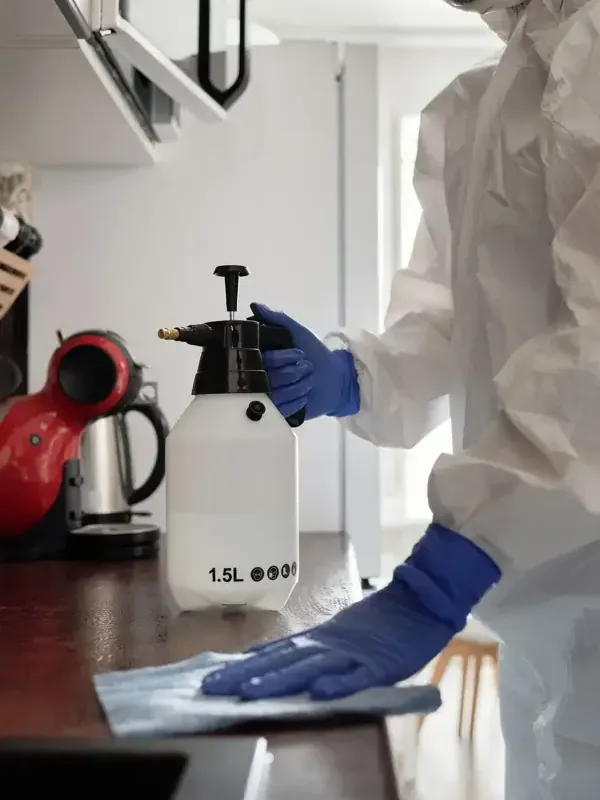
Move from source control to documented repair readiness
The work should have a clear starting condition and a clear handoff. Source control, material treatment and repeat checks create that sequence while keeping unfinished tasks visible as the room changes.
Visible work boundaries
A room sketch and material notes show where the treatment starts and stops, including connected areas that need attention beyond the original puddle.
Separate responsibilities
Source repair, cleanup and reconstruction have different tasks. Clear descriptions keep the repaired fitting from being mistaken for a completed drying job.
Measured progress
Repeat checks at affected materials show whether the arrangement is working and identify damp pockets that still need access before finishes return.
Practical handoff
The final record brings together removal decisions, moisture results and outstanding repair items so the next trade can see what the building needs.
What shapes water damage costs in Fish Hawk?
Water damage costs depend on the materials affected, the water involved and the access needed for treatment. A contained room differs from concealed spread through several assemblies. The estimate should separate source repair, cleanup, drying and reconstruction.
Contained water damage
$500 to $2,000
- Small affected area
- Accessible wet surfaces
- Limited content movement
Connected interior damage
$2,000 to $6,000
- Several wet materials
- Concealed layer access
- Expanded drying checks
Extensive building impact
$6,000 to $12,000+
- Broad room involvement
- Complex removal needs
- Detailed restoration records
These ranges describe the scale of the affected building materials. The property inspection establishes the actual work, with separate explanations for repairs, removal decisions and any proposed replacement finishes.
Match the first inspection to the release
Indoor supply water
A failed pipe or connection can send water behind a wall before it reaches the floor. Inspection should connect the repaired source with every affected assembly.
Inspect pipe damageHidden appliance spills
Water beneath a machine can soak floor layers and cabinet bases. Safe movement and access decisions make the concealed footprint visible before the equipment returns to service.
Assess appliance waterWastewater contact
A drain backup needs separation from dry living spaces, assessment of porous materials and cleaning before drying. The drainage fault also needs its own correction.
Assess sewage treatmentDocument the event and the work
A claim discussion benefits from a clear description of what happened and what the inspection found. Photos, room notes and separate repair records help the policy provider evaluate the specific loss.
- Discovery details and the first rooms showing water
- Safe photographs of affected finishes and room contents
- The source assessment and any completed repair paperwork
- Material removal notes with the reason for each decision
- Drying records, invoices and remaining reconstruction scope items
When the homeowner pays directly
The same clear scope matters for direct payment. It should identify the immediate treatment, the materials selected for removal and the checks needed before new finishes cover the affected area.
Hillsborough County warns that most homeowners insurance does not cover flood damage. The policy provider should address the actual source and applicable coverage while the restoration record describes the building conditions.
Use the property record for flood decisions
The Alafia River forms the community's northern boundary, and Little Fishhawk Creek feeds the river. A flood zone check and an interior damage assessment each have a distinct role in planning recovery.
Property flood zone checks: Hillsborough County offers a FEMA Effective Flood Zone Viewer for individual properties. Its floodplain maps use detailed watershed studies, providing a starting point for checking a particular parcel.
Outside water entry
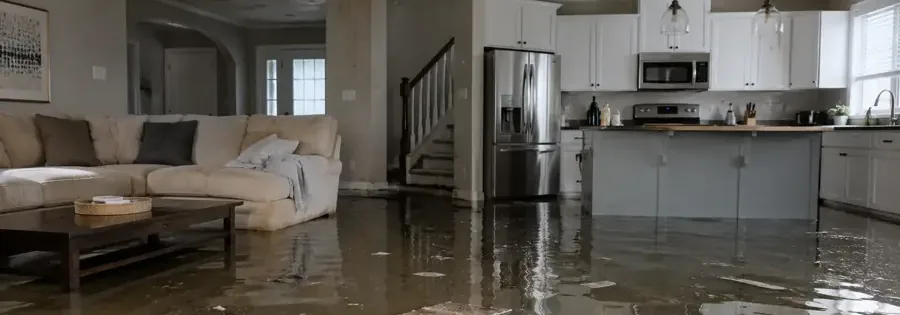
Doorways, openings and visible residues help trace an actual intrusion. The cleanup scope should identify where water entered and which interior materials received it.
Concealed supply releases
A leak behind a wall can wet lower layers before a stain appears. Source findings and moisture readings should be considered together when planning access.
Overhead wet materials
A ceiling mark may connect to damp layers above the room. Safety assessment and source tracing come before removal, drying or replacement of the finish.
Water beneath equipment
Appliance and heater footprints can hide the wettest surfaces. The repair sequence needs access behind equipment before it returns to its normal installed position.
Construction after cleanup
Most construction requires county approval and permits. The actual repair scope should receive the applicable assessment, with the approval record kept alongside the restoration documentation.
Questions about restoring a wet home
What should happen before a wet room is entered?
The space needs assessment for electricity, unstable finishes and the water involved. Occupants should remain outside unsafe areas rather than retrieve belongings through standing water. A description from a dry position can help establish the initial priorities while safe access and source control are arranged.
Does a stopped leak mean the room is ready?
Source control prevents further release, but moisture already inside the building requires separate attention. The assessment checks retained wall, floor and ceiling materials. Their condition and readings determine the removal or drying work needed before the repair area can be closed with new finishes.
How does the service area describe Fish Hawk?
Fish Hawk is an unincorporated community in Hillsborough County, with ZIP 33547 listed for the area. Property access and the affected rooms are useful details when arranging an inspection. The restoration scope follows the conditions at that building, including the source and concealed moisture path.
Can flooring remain during the drying work?
That depends on the material, its condition and access to wet layers underneath. Some coverings can remain while others obstruct treatment or have damage requiring replacement. The scope should explain the decision for each affected area and record the condition of the surfaces that will stay.
Where can a property flood zone be checked?
The county provides a FEMA Effective Flood Zone Viewer for property-specific information. The parcel should be checked directly. For an actual water loss, photographs and inspection findings document the entry path and affected materials, giving the cleanup plan a record of what happened inside the building.
Are source repair and restoration the same work?
A plumbing or roof repair addresses the source, while restoration addresses the water left in building materials. Reconstruction replaces damaged finishes afterward. These tasks should have clear responsibilities and coordinated access so completion of one step does not hide another area that still needs treatment.
What should a homeowner photograph for the record?
Useful photographs show the original water spread, affected contents and visible damage from a safe position. Images before removal can preserve conditions that later become difficult to see. The homeowner should avoid electrical hazards or unstable ceilings and let the inspection establish safe access for closer documentation.
Why are material readings taken more than once?
Repeat measurements show whether retained assemblies are responding to the drying setup. A slow section may need better access or assessment for renewed water entry. The resulting record helps explain changes to the work and establishes which surfaces are ready before reconstruction covers the affected area.
How are permit needs handled after cleanup?
The party performing construction should assess the requirements for the proposed repair. Most construction in the county requires approval and permits, and HillsGovHub provides application and status functions. Those records should remain distinct from the cleanup log while both are retained for the completed project.
Turn the wet room into a clear repair sequence
A property assessment connects the source, affected materials and remaining moisture with the work needed before reconstruction.
(888) 621-2041Discuss the next restoration step