Roof Leak Water Damage in Riverview
A rain stain downstairs can begin with wet materials farther along the attic. Riverview roof leak restoration connects the entry repair with inspection of insulation, framing and ceilings along the water’s interior route.
(888) 621-2041Discuss rain inside the attic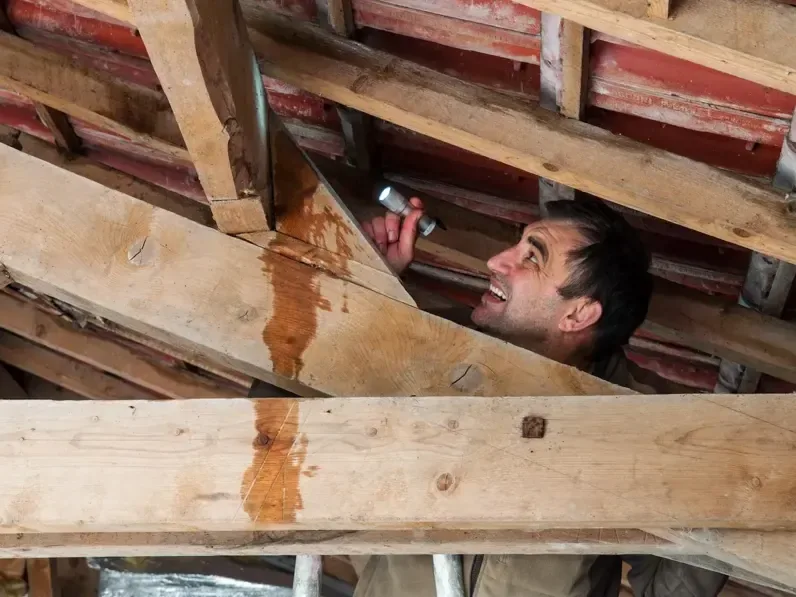
A ceiling stain that darkens during rain gives the property owner a useful observation to report. It does not show the entire path above the room. Riverview roof leak cleanup examines the connection between roof entry, attic materials and the ceiling below, allowing interior restoration to proceed alongside appropriate attention to the roof itself.
First steps for roof leak water damage
- Record the rain connection. The owner can describe when staining or dripping changes and identify the affected room while avoiding wet roof surfaces and unsafe attic access.
- Coordinate the exterior repair. The roof entry receives appropriate attention, and the restoration assessment separately maps wet interior materials that will remain after the source is corrected.
- Evaluate overhead layers. Insulation, framing and ceiling finishes are checked for condition, access and moisture so removal decisions suit each component of the affected assembly.
- Prepare for ceiling refinishing. Drying results and the source repair status are reviewed before retained materials are covered and the visible ceiling receives its final repair work.
How roof leak water damage works
Connect visible marks with attic observations
The assessment follows the water route from accessible attic areas to the room below, identifying changes in direction that a ceiling stain alone cannot describe.
Select openings for a useful purpose
Removal focuses on damaged material and access needed to reach trapped moisture. The owner should understand how each opening supports inspection, drying or eventual repair.
Keep the drying environment controlled
Equipment addresses retained overhead materials while the room remains safely separated where necessary. Measurements help determine whether concealed sections need a different access approach.
Bring roof and interior records together
The closing account distinguishes corrected entry points from completed material drying and outstanding finish work, helping the owner coordinate the next contractor without losing important details.
Trace the interior route before treating the stain
Bell Creek Nature Preserve lies east of McMullen Road and south of Boyette Road. For a property described using those references, the practical starting point is still the room where rain related wetness appeared. The inspection records staining, drips and attic conditions to establish which assemblies have absorbed water and where safe access is available.
Water can follow framing before reaching insulation or the back of ceiling board. As a result, opening only the visible stain may leave part of the affected route enclosed. The material assessment should connect observations above and below the ceiling so the drying plan reaches the layers that remain wet after the roof entry is controlled.
Make insulation and ceiling decisions separately
Wet insulation, framing and painted ceiling surfaces respond differently to moisture. The inspection should identify damaged or inaccessible materials that need removal and retained materials that can be dried. A ceiling that looks less stained after a dry interval still needs checking where the back surface or adjoining cavity has remained damp.
- Record whether the stain changes with rain and which room first shows the change.
- Identify safe attic access before moving equipment or disturbing insulation above occupied areas.
- Examine the ceiling assembly beneath the wet attic route for concealed absorption and instability.
- Keep source repair details with the interior moisture record for a coordinated handoff.
Roof Leak Water Damage help
A changing ceiling mark can point to a longer wet route above it. Describe the rain pattern, affected room and roof repair status to begin planning the interior assessment.
Include the actual roof repair in approval planning
Hillsborough County says most construction requires approval and permits through Building Services. The proposed repair should be described accurately when approval requirements are reviewed. HillsGovHub offers permit record searches and status checks, helping the owner keep the exterior repair discussion organized while the restoration scope addresses wet interior materials.
Stay off wet roofs and unstable ceilings
Occupants should avoid climbing onto a wet roof or entering an attic with unsafe footing. A sagging ceiling below the leak needs a separated area beneath it. Source access and interior openings should be planned by the appropriate professionals before the damaged assembly is disturbed.
Finish with material conditions rather than a painted mark
Cosmetic covering belongs after source control and assessment of the retained materials. Where ceiling damage is the main concern, the ceiling leak cleanup page explains the room side of the work. Recorded drying results should accompany the repair scope, identifying what can be closed and any remaining work above the ceiling before refinishing starts.
What does roof leak water damage cost in Riverview, FL?
Roof leak water damage cleanup in Riverview has planning ranges from $800 to $5,500. Attic access, wet insulation and the ceiling area involved affect interior restoration costs. Exterior roof repairs should be identified separately in the estimate.
Small ceiling area
$800 to $1,800
- Localized interior wetness
- Focused material checks
- Limited access opening
Attic and ceiling wetness
$1,800 to $3,500
- Insulation condition check
- Overhead drying access
- Connected moisture tracking
Several affected bays
$3,500 to $5,500
- Broader ceiling involvement
- Additional material removal
- Expanded drying setup
The water damage cost calculator gives an estimate only. The inspection determines the scope, including water category, affected area, material class and drying delay.
Measured care for roof leak water damage
Rapid local response
The response team treats spreading water as urgent and gathers the source, room count and safe access details. Dispatch operates 24/7; conditions and availability determine the response.
IICRC S500 drying standard
The drying crew compares affected assemblies with dry reference materials, adjusts equipment to the evaporation load, and records progress. A dry-looking surface alone does not complete the work.
Claim-ready documentation
The technician links photographs to the moisture map and records material removal, equipment placement and drying readings. That record explains the restoration scope without promising an insurer's decision.
Local water experts
A property inspection distinguishes rain entry, an internal supply leak and contaminated outside water. The restoration plan follows the actual source and materials, with access and safety assessed separately.
Roof leak water damage in Riverview
Roof leak assessments across Riverview can reference Bell Creek Nature Preserve, Boyette Road or McMullen Road when describing the property. The visit focuses on interior symptoms, roof repair status and safe attic access rather than the nearest landmark alone.
The same service nearby: roof leak water damage in Lithia, Bloomingdale, Fish Hawk.
Related water damage services in Riverview
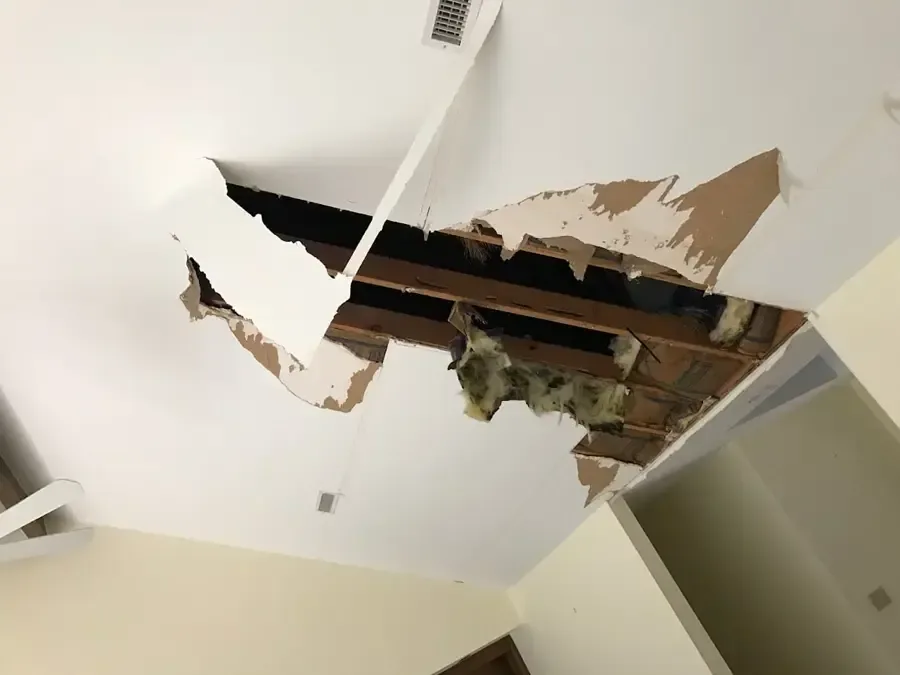
Ceiling Leak Water Damage in Riverview
Sagging ceilings need safe access before damaged material is removed.
View service details ›
Structural Drying and Dehumidification in Riverview
Material readings guide airflow, humidity control and drying completion.
View service details ›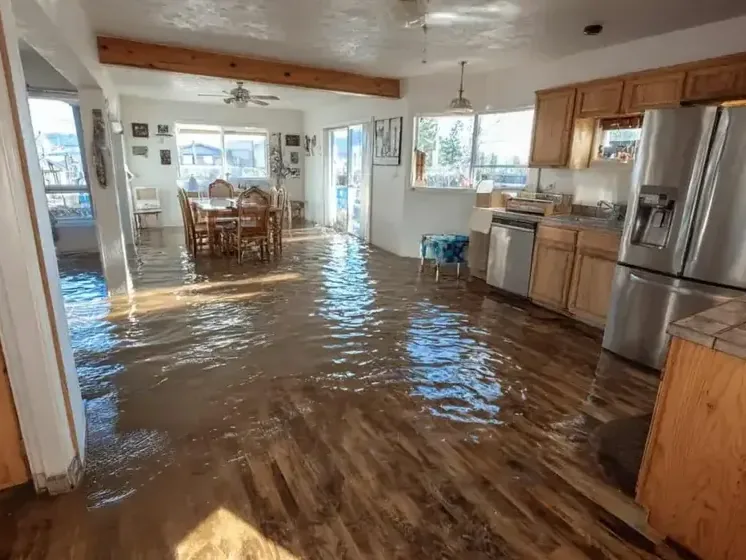
Storm and Flood Cleanup in Riverview
Outside floodwater needs an entry assessment and a cleanup plan.
View service details ›Roof Leak Water Damage questions in Riverview, FL
Why can a ceiling drip sit away from the roof opening?
Water can travel along framing or other surfaces before dropping onto insulation and ceiling board. The visible room symptom may therefore be displaced from the entry point. Inspection should connect the attic observations with the stain below, making sure the drying scope includes wet materials between them instead of treating only the spot where water finally became visible.
Should the ceiling be painted once the roof is repaired?
Source repair prevents renewed entry, but the ceiling and surrounding layers may still retain moisture. The assembly should be inspected and dried as appropriate before cosmetic work begins. Paint can hide a mark while leaving the underlying problem unresolved. A useful handoff identifies the material condition and any remaining repair or preparation needed before the finish is applied.
Can wet attic insulation simply remain in place?
That decision depends on its condition, exposure and whether the assembly can be dried effectively with the insulation present. Compressed or inaccessible wet material may require removal. The assessment should explain the handling choice and account for moisture in framing or ceiling board beneath it. The goal is a reachable drying path through the retained components of the assembly.
What should an owner mention during the first discussion?
Helpful observations include the room affected, whether the stain changes during rain, any active dripping and the status of roof repair arrangements. The caller can also describe a known attic entrance without entering an unsafe area. These details support planning, while the property inspection establishes the actual wet footprint, material condition and access needed for interior restoration work.
Are county approvals relevant to the roof repair?
Hillsborough County requires approval and permits for most construction through Building Services. The repair scope should be reviewed for its applicable requirements, and HillsGovHub offers permit record searches and status checks. Keeping that exterior work clearly described helps coordinate it with interior restoration, which has its own tasks involving wet insulation, ceiling materials and the drying of retained assemblies.
What happens when the ceiling begins to sag?
The area below the sag should be kept clear because the material may be unstable. Occupants should not stand underneath to poke holes or catch water directly beneath it. Appropriate assessment comes before opening the assembly. The cleanup plan then addresses the source, damaged ceiling components and water already released into the room while preserving a safe access route.
How is drying above a ceiling evaluated?
Accessible material measurements and inspection observations are recorded at relevant locations, then revisited as drying progresses. Appearance from the room below is only part of that assessment. If an enclosed layer prevents access to retained moisture, the plan may require a controlled opening. Completion records should explain the condition of the assembly before the ceiling is closed and refinished.
Connect the roof repair with interior recovery
The retained overhead layers need attention before a new ceiling finish covers the damage.
(888) 621-2041Check overhead drying access