Commercial Water Damage in Riverview
A wet business room can interrupt access to several otherwise dry spaces. Riverview commercial restoration starts by defining affected rooms, operational restrictions and a workable route for water removal and material drying.
(888) 621-2041Discuss water at the premises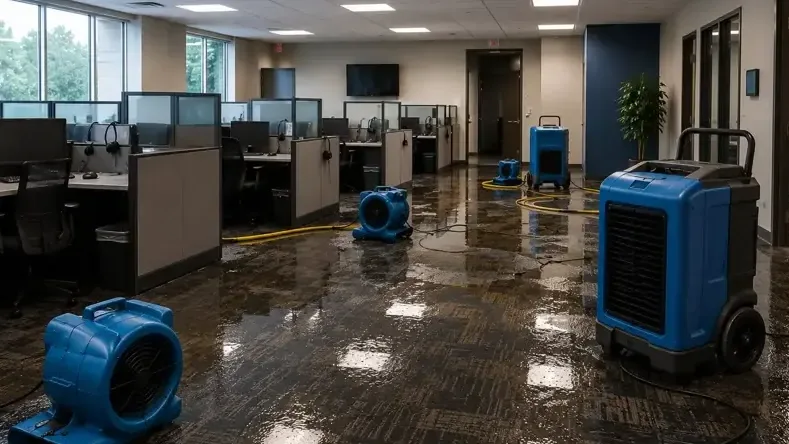
A water loss at business premises affects more than the wet flooring. Staff access, stored contents and movement between rooms can all change when extraction equipment arrives. Riverview commercial restoration needs a scope that describes both the damaged materials and the practical use of the building, allowing cleanup decisions to account for the operations around them.
First steps for commercial water damage
- Establish the authorized contact. The business identifies who can provide entry, describe operating restrictions and approve work decisions, keeping access coordination clear before equipment enters the premises.
- Map rooms and contents. The assessment records wet building materials and affected business items separately, including shared passages and dry spaces that require continued safe movement during restoration.
- Set the recovery boundaries. Work areas, equipment routes and handling locations are arranged around the source and contamination assessment, with restrictions explained to the responsible business contact.
- Coordinate the repair handoff. Drying results and remaining construction tasks are documented by area so the business can plan further repairs and evaluate practical use of the premises.
How commercial water damage works
Turn the room assessment into an access plan
Wet zones, shared entrances and restricted spaces are considered together, allowing cleanup personnel and the business contact to establish workable boundaries before material handling begins.
Keep contents decisions visible in the scope
Movement, storage and condition records for business items are distinguished from building restoration, helping the owner coordinate responsibilities without losing track of affected materials.
Monitor drying across the occupied layout
Equipment supports the retained wet assemblies while safe access restrictions remain clear. Progress observations can prompt changes to room boundaries or the available equipment route.
Deliver records for the next work stage
The closing documentation identifies completed recovery tasks, material conditions and remaining repairs by area, supporting coordination among the business, property contact and subsequent repair contractors.
Begin with the affected space and the access contact
U.S. Route 301 passes through the original Riverview settlement at the Alafia River. Boyette Road also provides a local commercial reference through the area’s antenna farm. For a business using either corridor to describe its location, the assessment still begins with the individual premises: the entrance available, rooms affected and person authorized to coordinate access and work.
Interstate 75 forms the western edge of the census designated place. A location reference helps organize the visit, while the interior layout determines the cleanup route. The initial discussion should identify shared passages, stored goods and any restricted room that personnel need permission to enter before the full wet footprint can be evaluated.
Separate business contents from the building repair scope
Furniture, records, stock and equipment can need different handling from wallboard or floor finishes. The owner or authorized contact should identify sensitive contents and establish decisions about movement or storage. Restoration documentation should distinguish those items from building materials so the work account remains clear when insurers, tenants or repair contractors check the loss.
- Identify the person who can authorize access and approve changes to the described work.
- List affected rooms separately from dry areas that need continued safe passage.
- Record wet business contents before movement changes their location or visible condition.
- Coordinate equipment placement with usable exits and the available safe power arrangement.
Commercial Water Damage help
Business recovery needs a clear account of wet rooms and usable access. Describe the premises, contents concerns and responsible contact so the assessment can address the practical work boundaries.
Plan work boundaries around the actual water history
A supply leak and a wastewater backup impose different handling requirements. Inspection establishes the source, material contact and contamination concerns before deciding which spaces can remain occupied. Separation may involve controlled routes and work areas, with restrictions explained to the business contact. The scope should change when inspection reveals moisture extending into another room or concealed assembly.
Operating needs do not clear a hazardous room
Wet electrical equipment, unstable finishes and contaminated floors require appropriate restrictions. Staff should not cross the affected area to retrieve stock or reopen a passage before access is assessed. A practical recovery plan identifies safe alternatives and communicates the boundary of active work.
Use records to coordinate reopening and repairs
Structural drying provides measurements for retained assemblies after water removal. The final account should include affected room boundaries, removed materials and outstanding repair tasks. Hillsborough County requires approval and permits for most construction through Building Services; HillsGovHub supports record searches and status checks. A defined repair scope helps the business coordinate those questions alongside the next stage of recovery.
What does commercial water damage cost in Riverview, FL?
Commercial water damage restoration in Riverview has planning ranges of $2,000 to $15,000+. Room count, contents handling, contamination and working access influence the scope. Business equipment work and reconstruction should be distinguished from extraction and material drying.
Limited business room
$2,000 to $4,000
- Contained wet area
- Focused contents coordination
- Initial drying zone
Several connected spaces
$4,000 to $8,000
- Shared access planning
- Multiple affected finishes
- Broader material monitoring
Broad commercial loss
$8,000 to $15,000+
- Extensive recovery footprint
- Expanded contents handling
- Complex work separation
The water damage cost calculator gives an estimate only. The inspection determines the scope, including water category, affected area, material class and drying delay.
Measured care for commercial water damage
Rapid local response
The response team treats spreading water as urgent and gathers the source, room count and safe access details. Dispatch operates 24/7; conditions and availability determine the response.
IICRC S500 drying standard
The drying crew compares affected assemblies with dry reference materials, adjusts equipment to the evaporation load, and records progress. A dry-looking surface alone does not complete the work.
Claim-ready documentation
The technician links photographs to the moisture map and records material removal, equipment placement and drying readings. That record explains the restoration scope without promising an insurer's decision.
Local water experts
A property inspection distinguishes rain entry, an internal supply leak and contaminated outside water. The restoration plan follows the actual source and materials, with access and safety assessed separately.
Commercial water damage in Riverview
Commercial assessments in Riverview can reference Boyette Road, Winthrop Village and Interstate 75 for the premises location. The business discussion should identify access contacts, affected departments or rooms, contents concerns and any restrictions on moving equipment through the building.
The same service nearby: commercial water damage in Lithia, Bloomingdale, Fish Hawk.
Related water damage services in Riverview
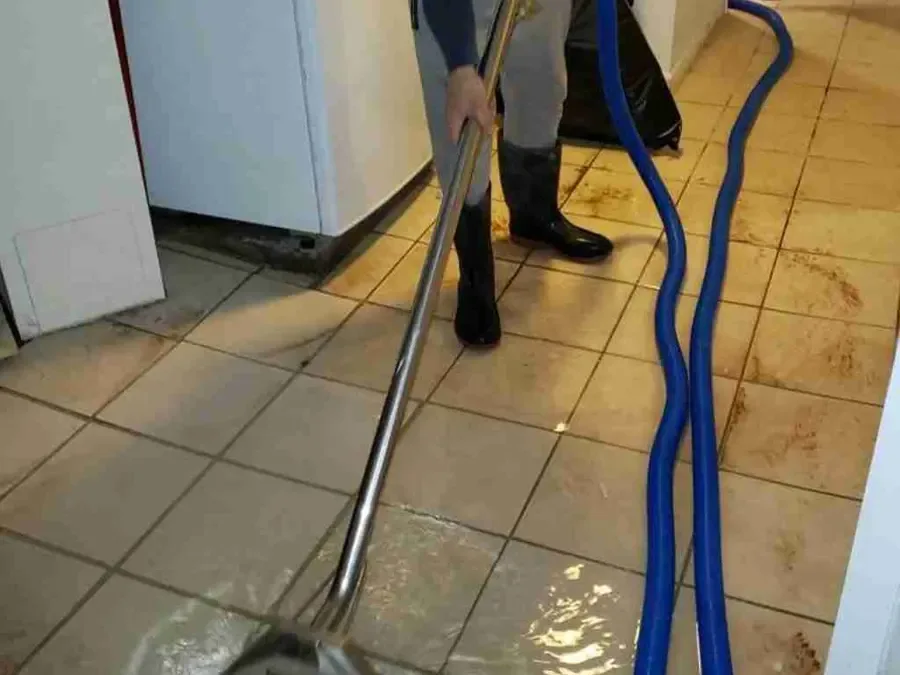
Water Extraction and Removal in Riverview
Standing water removal reaches flooring edges and adjoining rooms.
View service details ›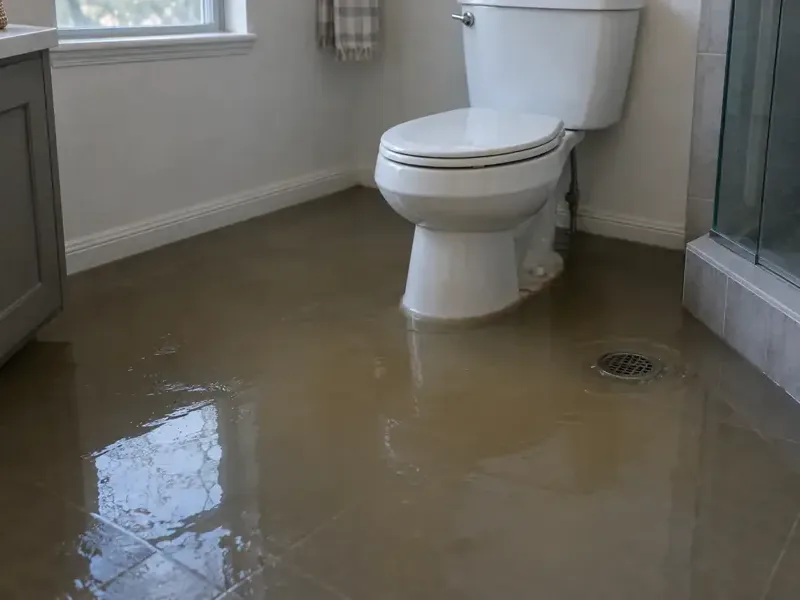
Sewage Backup Cleanup in Riverview
Contaminated water requires controlled removal and surface cleaning.
View service details ›
Structural Drying and Dehumidification in Riverview
Material readings guide airflow, humidity control and drying completion.
View service details ›Commercial Water Damage questions in Riverview, FL
What should the business identify before the assessment?
An authorized access contact, affected rooms and known source information are useful starting points. The contact should also describe operating restrictions, sensitive contents and any shared entrances. Those details help plan the visit, while inspection establishes material conditions and hazards. Clear responsibility for access and work decisions reduces confusion when the scope needs adjustment after concealed damage is discovered.
Can unaffected portions of the premises stay in use?
That depends on the source, contamination assessment, electrical conditions and ability to maintain safe separation. The plan should identify usable routes and the boundary of active restoration. Some layouts permit limited continued use, while others require broader restrictions. The business contact needs a clear explanation of those conditions before normal operations overlap with equipment placement or damaged material removal.
Are wet records and stock included with building materials?
Business contents should be identified separately because their handling and recovery decisions can differ from walls or flooring. The owner or authorized contact should explain priorities and restrictions before items are moved. Documentation can record location and visible condition, while the written scope states which contents tasks are included and which need other arrangements alongside the building restoration work.
How does a wastewater source change the commercial plan?
Wastewater contact introduces contamination concerns that affect access, material handling and cleaning. The work area may need stronger separation from staff and unaffected contents. The assessment should identify the source and contacted surfaces before deciding what can remain. Drying follows the appropriate removal and cleaning tasks, rather than treating the loss as ordinary water on an otherwise usable floor.
Why document damage by room instead of one overall description?
Room based records connect the affected materials with access restrictions, contents decisions and repair tasks in each space. That detail helps the business understand which areas have progressed and which still need work. It also provides a clearer handoff to contractors or an insurer when concealed moisture expands the scope beyond the room where water was first observed.
What should the estimate say about later construction work?
It should distinguish stabilization, water removal and drying from the repairs that restore finishes or change the building. Hillsborough County generally requires construction approval through Building Services, and the proposed scope should be reviewed for applicable requirements. Clear task descriptions help the owner coordinate those questions while understanding which restoration work is already included in the current estimate.
How can completion be evaluated before a space returns to use?
The business contact should check the source status, retained material conditions and remaining hazards or repairs. Drying records support that discussion, but a cleared floor alone does not describe the whole assembly. The handoff should identify outstanding work by area and explain any continuing access restriction so the decision about normal use follows the actual condition of the premises.
Bring the business recovery tasks together
Room records and measured drying support a clear transition from cleanup to the next repairs.
(888) 621-2041Discuss the affected business rooms