Sewage Backup Cleanup in Riverview
Wastewater on a bathroom floor changes the cleanup priorities immediately. Riverview sewage recovery starts with keeping people away, controlling the source and separating contaminated materials before the room is dried.
(888) 621-2041Arrange wastewater cleanup assessment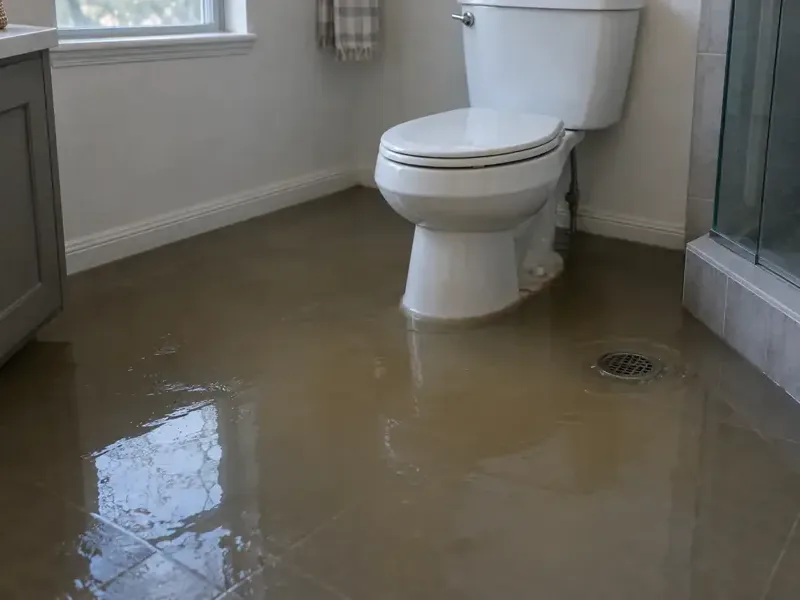
A drain backup can spread beyond the fixture before the owner sees water in the doorway. At a Riverview property, the contaminated footprint needs a clear boundary that includes tracked water and contacted contents. The first useful action is to keep occupants away while the source problem and indoor cleanup are assessed together.
First steps for sewage backup cleanup
- Restrict the affected room. Occupants and pets remain outside the wastewater footprint, with a dry approach reserved for assessing the source and planning the cleanup route.
- Describe the drain behavior. The report identifies overflowing fixtures, continuing return and suspected sewer involvement so source investigation can proceed alongside assessment of the damaged interior.
- Separate contacted materials. Porous finishes and contents are evaluated for removal, while retained surfaces are assigned a cleaning approach appropriate to their condition and exposure.
- Dry after contamination work. The remaining assembly is checked for moisture and receives controlled drying after liquid removal and surface cleaning have prepared the affected space.
How sewage backup cleanup works
Define the contamination boundary
Inspection follows wastewater across floor joints and room thresholds, including places where wet belongings or foot traffic may have extended the contacted area.
Set the removal route
Access and containment are arranged before debris moves, keeping the path through the building controlled and separating damaged materials from clean occupied spaces.
Clean the retained assembly
Suitable surfaces receive cleaning and treatment after contaminated liquid and unsalvageable material are removed. Hidden contact areas are included when inspection identifies them.
Record the drying outcome
Moisture measurements document retained materials as drying progresses. The handoff lists completed contamination work and outstanding drainage or finish repairs for the property owner.
Keep the backup from becoming a wider problem
For homes in Peru or Boyette, the cleanup description should identify which fixtures overflowed and whether wastewater continues returning. Avoiding use of affected fixtures helps keep the situation from expanding while the drainage problem is investigated. Moving wet belongings through dry rooms can transfer contamination, so the handling route needs planning before contents are carried out.
Hillsborough County Water Resources directs water and sewer emergencies causing property damage to its emergency reporting process. When a sewer main problem is suspected, that report can accompany the request for indoor restoration. The utility issue and the damaged interior require separate attention, with observed conditions described accurately to each party.
Remove contaminated materials with a defined boundary
The assessment distinguishes hard surfaces that can be cleaned from porous materials that may need removal. Floor edges, cabinet bases and wall bottoms deserve inspection because wastewater can enter joints and cavities. At a Winthrop Village property, the actual room layout determines how containment and removal routes protect adjoining occupied spaces.
- Limit entry to the wet room and keep pets away from contacted surfaces.
- Identify belongings that sat in wastewater before moving them into another area.
- Plan removal so wet debris does not cross unprotected dry floor surfaces.
- Record the affected material types before cleaning changes the visible damage pattern.
Sewage Backup Cleanup help
Wastewater requires a clear account of the overflowing fixtures, affected finishes and ongoing return. Those details help coordinate source attention with a controlled plan for the contaminated interior.
Cleaning prepares the room for a different task
Removing the liquid leaves contacted surfaces behind. Cleaning and appropriate treatment are part of the contamination response, while drying addresses retained moisture afterward. Air movement should be planned for the stage of work and the condition of the room. A fan placed casually in an untreated area can spread debris into neighboring spaces.
Avoid household cleanup experiments
Occupants should not mix cleaning products or walk through sewage to reach a drain. The affected area should remain separated while the source is addressed. Electrical hazards, slippery surfaces and contaminated contents all belong in the access assessment before cleanup begins.
Document both contamination and moisture recovery
Useful records show the rooms involved, discarded materials and surfaces cleaned. Drying checks then establish the condition of retained assemblies. Where broader water removal is needed, the water extraction page explains that phase. The final scope should distinguish sewer repairs, contamination cleanup and finish replacement so the owner understands the work still required.
What does sewage backup cleanup cost in Riverview, FL?
Sewage backup cleanup in Riverview has planning ranges of $1,500 to $8,000. Contaminated material removal, the contacted area and access inside assemblies shape the estimate, with drainage repairs described separately from indoor restoration.
Small hard-floor backup
$1,500 to $3,000
- Limited contaminated area
- Accessible surface cleaning
- Focused drying checks
Multiple wet finishes
$3,000 to $5,500
- Porous material removal
- Protected debris route
- Adjoining surface treatment
Extensive contamination
$5,500 to $8,000
- Broader room separation
- Expanded cleaning scope
- Retained assembly drying
The water damage cost calculator gives an estimate only. The inspection determines the scope, including water category, affected area, material class and drying delay.
Measured care for sewage backup cleanup
Rapid local response
The response team treats spreading water as urgent and gathers the source, room count and safe access details. Dispatch operates 24/7; conditions and availability determine the response.
IICRC S500 drying standard
The drying crew compares affected assemblies with dry reference materials, adjusts equipment to the evaporation load, and records progress. A dry-looking surface alone does not complete the work.
Claim-ready documentation
The technician links photographs to the moisture map and records material removal, equipment placement and drying readings. That record explains the restoration scope without promising an insurer's decision.
Local water experts
A property inspection distinguishes rain entry, an internal supply leak and contaminated outside water. The restoration plan follows the actual source and materials, with access and safety assessed separately.
Sewage backup cleanup in Riverview
Sewage cleanup requests around Peru, Boyette and Winthrop Village should describe the affected fixtures and rooms. Riverview property access, ongoing drain use and any suspected public sewer emergency are relevant to coordinating indoor work with the appropriate source response.
The same service nearby: sewage backup cleanup in Lithia, Bloomingdale, Fish Hawk.
Related water damage services in Riverview
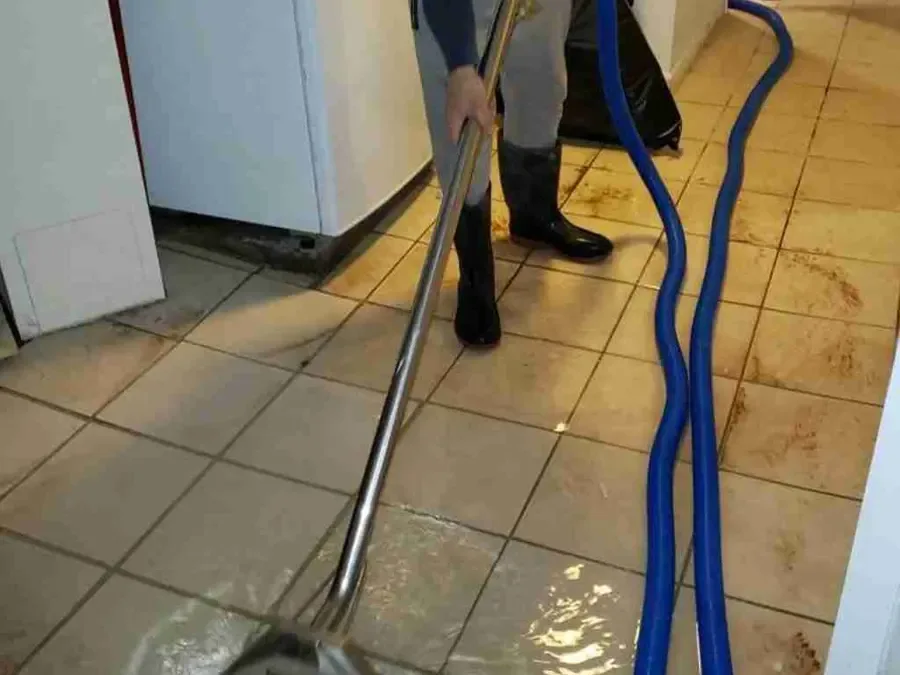
Water Extraction and Removal in Riverview
Standing water removal reaches flooring edges and adjoining rooms.
View service details ›
Structural Drying and Dehumidification in Riverview
Material readings guide airflow, humidity control and drying completion.
View service details ›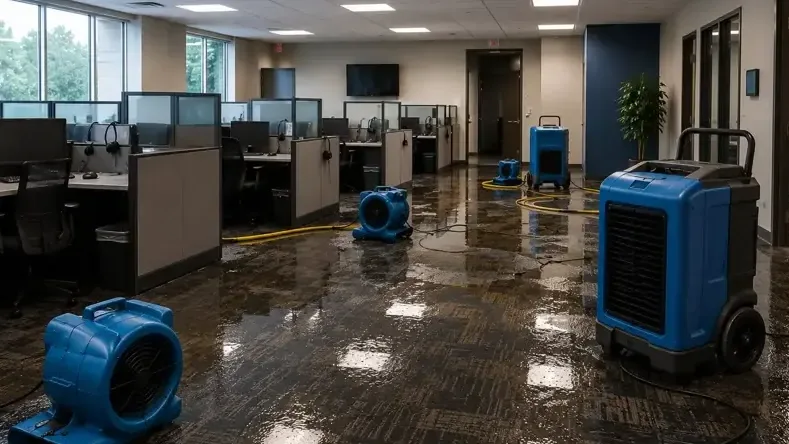
Commercial Water Damage in Riverview
Work areas and access routes are coordinated during commercial drying.
View service details ›Sewage Backup Cleanup questions in Riverview, FL
Should the affected bathroom remain in use?
The room should be kept out of use while wastewater is present and the source is unresolved. Additional fixture use may worsen a drainage backup. Occupants need a dry alternative and a clear boundary around contacted surfaces. The source assessment determines the repair needs, while cleanup planning addresses the existing contamination and water damaged materials inside.
Can a suspected public sewer emergency be reported?
Hillsborough County Water Resources provides an emergency reporting process for water and sewer problems causing property damage. The report should describe observed conditions, affected fixtures and whether the problem continues. Indoor restoration remains a separate task that covers contaminated water removal, material handling and drying. Both responses may need coordination when a public system problem is suspected.
Why are some porous materials removed instead of washed?
Wastewater can enter absorbent layers that surface cleaning cannot adequately reach. Material condition, construction and exposure determine the handling decision. The assessment should identify what was contacted and explain why retention or removal is appropriate. Hard surfaces also need attention at joints and concealed interfaces where contamination may remain after the visible liquid has been recovered.
Can an ordinary fan be used before cleanup?
Air movement belongs in a planned drying phase after contamination work has prepared the area. A household fan in an untreated room can move debris beyond the wet footprint. Keeping the space separated is the better initial priority. The cleanup assessment determines when equipment can operate and how it should be positioned around retained materials and safe access routes.
What photographs are useful after a backup?
Images taken from a safe dry position can show the overflowing fixture, water boundaries and contacted belongings. The owner should avoid entering wastewater simply to obtain a closer picture. Cleanup records can add views of concealed damage and removed materials later. Together, those records help explain the scope to the owner, a repair contractor or an insurer.
Does odor removal mean the work is finished?
Odor is only one observation. Completion also involves source control, contaminated material handling, surface cleaning and evaluation of moisture in retained assemblies. A room can smell better while remaining wet inside its finishes. The closing record should explain those separate tasks and identify any drainage repair or rebuilding that is still required before normal use resumes.
How can dry rooms stay separate during the work?
A planned access route, appropriate containment and controlled movement of debris help keep clean areas apart from the affected room. The arrangement depends on the building layout and the extent of contact. Occupants should understand which entrances remain usable and where restrictions apply, especially while contaminated materials are removed and drying equipment changes the available walking space.
Keep the wastewater footprint contained
An organized cleanup sequence protects access and prepares retained materials for measured drying after contamination work.
(888) 621-2041Arrange sewage damage evaluation