Storm and Flood Cleanup in Riverview
Outside water leaves a route through the building that matters as much as the deepest puddle. Riverview flood cleanup documents that route, evaluates contacted materials and organizes removal only after access is safe.
(888) 621-2041Discuss outside water entry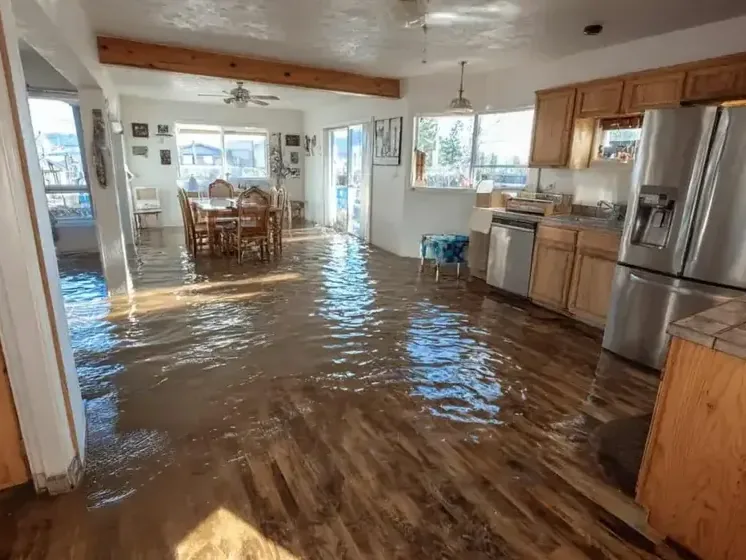
A flood can leave a water mark long after the deepest accumulation recedes. That mark, along with deposited debris and wet contents, helps reconstruct how outside water entered a Riverview building. Cleanup begins with safe access and a record of the affected spaces, then turns to removal, cleaning and drying of the materials that can remain.
First steps for storm and flood cleanup
- Assess entry conditions. Electrical exposure, unstable materials and debris are considered before anyone enters wet rooms or moves recovery equipment across the affected building footprint.
- Capture the flood path. Visible water marks, deposited debris and contacted contents are documented so the changing scene remains understandable after extraction and damaged material removal.
- Clear the contacted area. Floodwater, debris and unsuitable porous finishes are handled in a controlled sequence, followed by cleaning of surfaces that will remain in place.
- Evaluate retained moisture. The exposed assembly is checked for water held inside its layers, with drying access and equipment selected to match the materials still present.
How storm and flood cleanup works
Establish usable access and separation
The cleanup plan identifies safe entrances and areas kept apart from active work, accounting for debris movement, wet contents and the available building layout.
Distinguish water recovery from cleaning
Removing pooled liquid is followed by attention to contacted surfaces and absorbent materials, with contamination decisions made before the room moves into the drying phase.
Monitor the materials left behind
Measurements follow the wet footprint through retained wall and floor layers. The drying arrangement changes when an enclosed area needs additional access or attention.
Define the reconstruction handoff
Photographs, material records and drying results describe the condition delivered for repair, while unresolved source entry issues or approval questions remain separately identified.
Use river context and property records together
The Alafia River passes through the northern community. Alafia Scrub Nature Preserve contains creeks, ravines, shoreline and tidal marsh, while Peru was an early settlement on the river’s south side. These features establish the local water setting. For an individual loss, photographs and an interior assessment identify which openings admitted water and which rooms it reached.
Hillsborough County provides a FEMA Effective Flood Zone Viewer for checking a property or area. Its floodplain maps are developed from detailed watershed studies. An owner can check that mapping alongside the loss record while the cleanup team evaluates current interior conditions and plans a safe route through the building.
Inspect the boundaries left by receding water
The visible water mark may be only part of the damage. Absorbent materials can draw moisture above the pooled water, and floor layers can retain it after the surface clears. Photographs should include room transitions, wall bottoms and contacted belongings before material removal changes the scene. Contents and building finishes need separate handling decisions.
- Identify usable entrances before equipment or debris changes the available walking route through the property.
- Record debris deposits and visible water marks without disturbing unsafe or contaminated areas.
- Check enclosed floor layers and wall bases for moisture beyond the visible flood boundary.
- Keep wet belongings separated from clean storage areas while their condition is assessed.
Storm and Flood Cleanup help
Outside water calls for an account of entry points, contacted rooms and safe access. Discuss the visible flood path so removal, cleaning and drying can be planned around the building.
Plan removal around the water that entered
Outside floodwater can carry contaminants, making a routine surface wipe insufficient. The work should address liquid recovery, damaged porous materials and cleaning of retained surfaces in an appropriate sequence. Openings for drying should follow the affected assembly and the access required, with the reason for removal explained before rebuilding questions are considered.
Receding water does not clear electrical hazards
A building with floodwater near electrical equipment needs a safety assessment before entry or equipment use. Occupants should also avoid unstable ceilings and slippery debris. Photographs are useful only when they can be taken from a safe location outside those hazards.
Separate cleanup progress from finish replacement
After water and debris are removed, retained materials need measured drying. The drying and dehumidification page describes that next phase. Repair planning should use the documented wet footprint, removed material list and drying results. This creates a clear account of the stabilization work already completed and the building repairs still needed before normal occupancy can resume.
What does storm and flood cleanup cost in Riverview, FL?
Riverview storm and flood cleanup ranges from $2,000 to $12,000+ for planning. Outside contamination, debris, wet material volume and access drive the scope. The estimate should distinguish removal and drying from subsequent construction repairs.
Limited outside-water entry
$2,000 to $4,000
- Accessible flooded area
- Focused surface cleaning
- Initial drying arrangement
Multiple flooded rooms
$4,000 to $8,000
- Broader debris removal
- Several contacted finishes
- Connected material monitoring
Broad interior flooding
$8,000 to $12,000+
- Extensive wet footprint
- Expanded contamination handling
- Larger recovery equipment
The water damage cost calculator gives an estimate only. The inspection determines the scope, including water category, affected area, material class and drying delay.
Measured care for storm and flood cleanup
Rapid local response
The response team treats spreading water as urgent and gathers the source, room count and safe access details. Dispatch operates 24/7; conditions and availability determine the response.
IICRC S500 drying standard
The drying crew compares affected assemblies with dry reference materials, adjusts equipment to the evaporation load, and records progress. A dry-looking surface alone does not complete the work.
Claim-ready documentation
The technician links photographs to the moisture map and records material removal, equipment placement and drying readings. That record explains the restoration scope without promising an insurer's decision.
Local water experts
A property inspection distinguishes rain entry, an internal supply leak and contaminated outside water. The restoration plan follows the actual source and materials, with access and safety assessed separately.
Storm and flood cleanup in Riverview
Flood recovery in Riverview starts with the affected property, whether the location reference is Peru, Boyette or the Alafia River. The assessment needs the actual entry points, usable entrances and indoor water conditions to plan removal and material handling.
The same service nearby: storm and flood cleanup in Lithia, Bloomingdale, Fish Hawk.
Related water damage services in Riverview
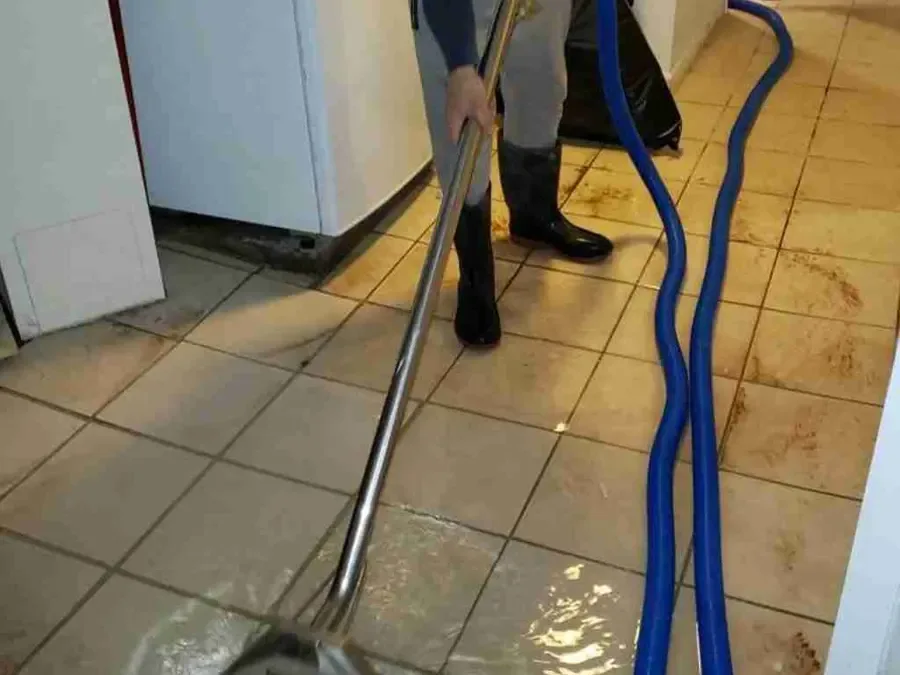
Water Extraction and Removal in Riverview
Standing water removal reaches flooring edges and adjoining rooms.
View service details ›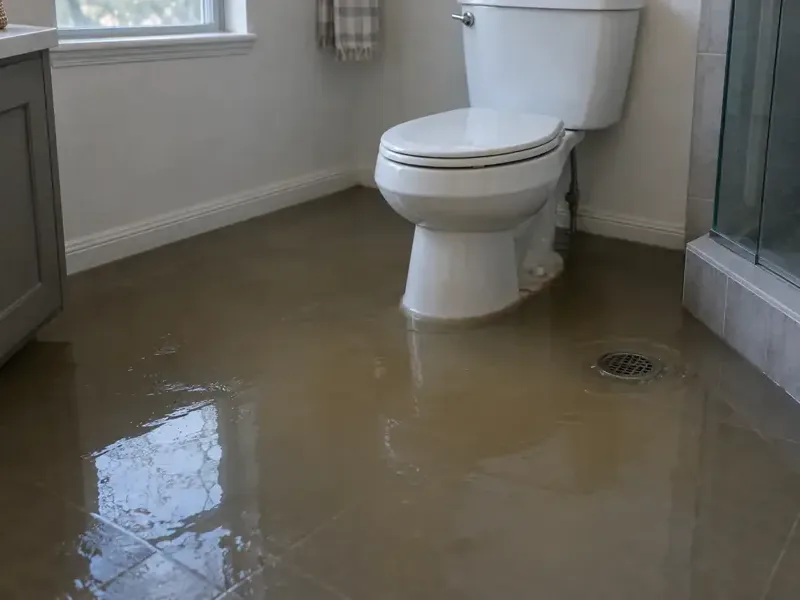
Sewage Backup Cleanup in Riverview
Contaminated water requires controlled removal and surface cleaning.
View service details ›
Structural Drying and Dehumidification in Riverview
Material readings guide airflow, humidity control and drying completion.
View service details ›Storm and Flood Cleanup questions in Riverview, FL
Can cleanup start as soon as water recedes?
Receding water improves visibility. Electrical equipment and structural conditions still need a safety assessment before entry. Entry should account for exposed equipment, unstable finishes and debris. Once access is assessed, documentation and controlled removal can begin. The sequence should prevent occupants from walking into hazards simply because the room no longer contains the deepest accumulation of water from the event.
Where can the owner check the property flood zone?
Hillsborough County offers the FEMA Effective Flood Zone Viewer for property or area checks. The county also develops floodplain maps from detailed watershed studies. Those mapping tools can be reviewed alongside the incident record. The restoration scope comes from inspecting the actual building, including the water entry route, contacted materials and moisture that remains after floodwater has receded.
Why photograph water marks before removing wall finishes?
Water marks and debris deposits help show the route and visible extent of the flood. Once cleanup changes the room, those observations can become harder to reconstruct. Photographs support the scope and later repair discussions. They should be taken safely and supplemented by material assessments, because absorbed moisture may extend beyond the highest visible mark on a finish.
Can wet belongings be moved into an unaffected bedroom?
Contents that contacted floodwater need assessment before entering clean storage areas. Casual movement can transfer moisture and contamination onto dry flooring and belongings. The handling plan should identify a suitable route and temporary separation, then document damaged items. It should also preserve access for removal equipment and avoid blocking the exits occupants or workers need during the cleanup.
Is all flood damaged flooring treated the same way?
Floor construction, condition and contamination determine the decision. A retained hard surface may need cleaning at joints and edges, while absorbent layers can require removal. Water trapped beneath a finish may also prevent effective drying. The assessment should explain each material choice and show how the selected approach reaches the moisture that would otherwise stay enclosed below the surface.
What happens after the debris has been cleared?
Cleaning and drying continue on the assembly that remains. The plan should check wall bases, subfloor interfaces and other enclosed areas for retained moisture, then track progress at recorded locations. Repair estimates can use those findings, but replacement finishes should follow the appropriate preparation and drying decisions rather than merely the disappearance of loose debris from the room.
Does a cleanup estimate include repairs to the entry point?
That depends on the written scope. Water removal, damaged material handling and drying should be distinguished from exterior repairs or other work needed to prevent renewed entry. The owner should see which tasks are included and which require a separate contractor or allowance. This separation makes progress easier to assess while restoration and building repair move forward.
Turn the flood record into a work scope
Documented damage and material checks give the repair phase a clear starting point after cleanup.
(888) 621-2041Plan interior flood recovery