Appliance Leak Water Damage in Riverview
The open kitchen floor may be easy to wipe while water stays beneath a cabinet. Riverview appliance leak restoration investigates those concealed edges, connecting the malfunctioning appliance with damage to neighboring finishes and rooms.
(888) 621-2041Discuss hidden appliance water spread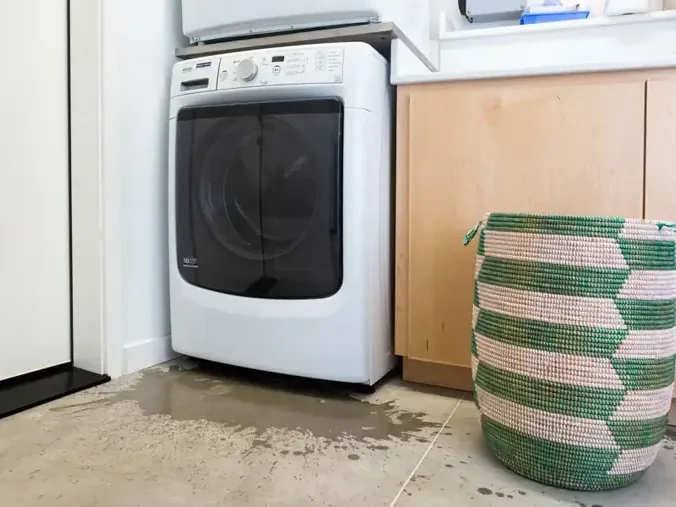
A washing machine spill and water beneath a dishwasher can produce very different access problems. The laundry floor may be exposed, while a kitchen leak disappears behind fixed cabinets. Riverview appliance damage cleanup begins with the equipment involved and the room arrangement, then traces water into the surfaces that ordinary wiping cannot reach.
First steps for appliance leak water damage
- Keep the appliance out of service. Further operation can add water to the affected space. The equipment problem and safe isolation should be addressed before normal kitchen or laundry use resumes.
- Identify the concealed water route. The inspection follows wet floor joints, cabinet edges and wall bottoms, extending beyond the area that could be wiped from the open floor surface.
- Plan movement and selective access. Appliance handling and removable finish sections are coordinated to expose damp recesses without damaging connections or blocking the route through unaffected living areas.
- Verify before resetting components. Moisture observations and remaining repairs are reviewed before the appliance, panels or cabinet parts return to place and conceal the inspected drying area again.
How appliance leak water damage works
Compare open flooring with hidden edges
The assessment records visible water and moisture behind accessible cabinet or appliance components, creating a fuller picture than the central floor puddle alone provides.
Coordinate the source and room work
Equipment repair responsibilities are distinguished from restoration tasks so service connections, appliance movement and drying access can be arranged in a practical sequence.
Dry according to the exposed layers
Air movement and moisture removal are directed toward retained materials. Measurements help identify whether a floor layer or enclosed base still needs additional access.
Return the space with clear conditions
The final check describes source attention, drying results and any remaining finish work, including areas that will become concealed when the appliance is moved back.
Start with the appliance and the room’s boundaries
For a kitchen in Winthrop Village, the useful report describes the wet cabinet edge, floor finish and any nearby wall symptoms. In Boyette, a laundry leak may instead need inspection behind the machine and across the doorway. These are property specific examples: the actual placement of appliances and connected finishes determines where moisture checks begin.
The appliance should remain unused until the malfunction or connection problem receives appropriate attention. Restoration handles the released water and damaged materials, while equipment repair addresses the source. Keeping both tasks visible in the scope helps prevent a machine from returning to service before the surrounding area is ready.
Inspect the concealed interfaces that hold water
Water can collect beneath cabinet bases, at appliance recesses and between floor layers. A dry surface above those areas can conceal the remaining wetness. The assessment should identify whether a removable panel or trim section provides useful access and whether a finish has become damaged. Each removal decision should have a specific inspection or drying purpose.
- Check the floor transition leading out of the kitchen or laundry room for concealed spread.
- Inspect accessible cabinet undersides and wall bottoms beside the appliance location.
- Record appliance movement and any disconnected services as part of coordinated source repair.
- Separate damaged household contents from the cabinet and floor materials included in restoration.
Appliance Leak Water Damage help
A clear open floor can hide damp cabinet bases and appliance recesses. Describe the machine, room layout and wet edges so inspection can focus on the spaces that remain concealed.
Coordinate access before pulling a heavy machine
A property in Peru may need a clear route through occupied rooms to reach the affected appliance. Moving a machine can damage connections or spread water if done without preparation. The access plan should account for the equipment’s services, safe handling and protection of the route, then keep the exposed recess available for moisture inspection.
Keep wet electrical connections untouched
Occupants should not reach behind a machine through water to unplug it or adjust its connections. The appliance and affected area need a safe approach before handling begins. Source control and movement should be coordinated with appropriate repair attention where electrical exposure is present.
Restore the hidden space before closing it again
Once water recovery is complete, targeted structural drying addresses moisture retained beneath or behind finishes. The drying record should include concealed areas made accessible during the work. Before a panel, cabinet component or appliance is returned to position, the owner should understand the material condition and any remaining repair that would become harder to reach afterward.
What does appliance leak water damage cost in Riverview, FL?
Appliance leak cleanup in Riverview has planning ranges from $500 to $4,500. Cabinet access, layered flooring and water beyond the appliance room affect the estimate. Equipment repair should be distinguished from removal, drying and building finish work.
Accessible small spill
$500 to $1,300
- Open floor recovery
- Nearby edge inspection
- Limited drying access
Cabinet or wall spread
$1,300 to $2,800
- Concealed base assessment
- Selective panel removal
- Adjoining finish drying
Several wet floor layers
$2,800 to $4,500
- Layered material access
- Broader moisture footprint
- Expanded drying checks
The water damage cost calculator gives an estimate only. The inspection determines the scope, including water category, affected area, material class and drying delay.
Measured care for appliance leak water damage
Rapid local response
The response team treats spreading water as urgent and gathers the source, room count and safe access details. Dispatch operates 24/7; conditions and availability determine the response.
IICRC S500 drying standard
The drying crew compares affected assemblies with dry reference materials, adjusts equipment to the evaporation load, and records progress. A dry-looking surface alone does not complete the work.
Claim-ready documentation
The technician links photographs to the moisture map and records material removal, equipment placement and drying readings. That record explains the restoration scope without promising an insurer's decision.
Local water experts
A property inspection distinguishes rain entry, an internal supply leak and contaminated outside water. The restoration plan follows the actual source and materials, with access and safety assessed separately.
Appliance leak water damage in Riverview
Appliance water damage in Riverview can be assessed at properties around Boyette, Winthrop Village and Peru. Describe the appliance, affected floor finish and any adjoining room symptoms so access planning starts with the actual kitchen or laundry layout.
The same service nearby: appliance leak water damage in Lithia, Bloomingdale, Fish Hawk.
Related water damage services in Riverview
Water Heater Leak Cleanup in Riverview
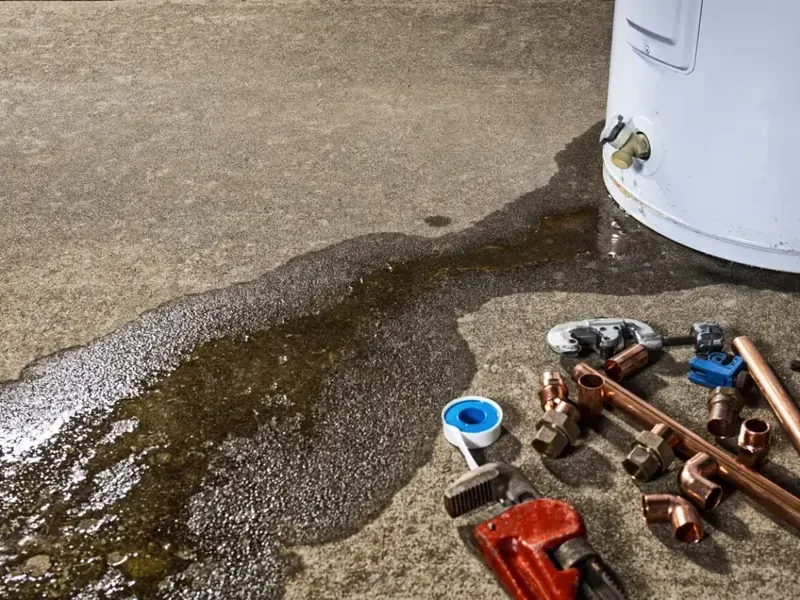
Tank leaks can spread beneath nearby walls and stored belongings.
View service details ›
Water Extraction and Removal in Riverview
Standing water removal reaches flooring edges and adjoining rooms.
View service details ›
Structural Drying and Dehumidification in Riverview
Material readings guide airflow, humidity control and drying completion.
View service details ›Appliance Leak Water Damage questions in Riverview, FL
Why inspect beneath cabinets after the floor is wiped?
Cabinet bases and flooring interfaces can retain water beyond the reach of a towel or surface vacuum. The visible floor may improve while enclosed materials remain damp. Inspection should include accessible undersides and edges, then determine whether a panel or finish opening is needed. That decision should be explained in terms of reaching moisture and assessing material condition.
Should the owner pull the appliance out immediately?
Machine movement needs consideration of weight, service connections and electrical safety. Pulling it through water or across a damaged floor can create additional problems. The assessment should establish safe handling and coordinate any disconnection with appropriate repair attention. Once moved, the exposed recess can be inspected and kept accessible for restoration rather than immediately hidden behind the machine again.
Can the appliance be used if the visible spill stops?
A paused spill does not resolve an unexplained equipment or connection fault. The appliance should remain unused until the source has received appropriate attention. Meanwhile, the surrounding room needs assessment for retained moisture. Keeping source repair and restoration as separate tasks makes it easier to decide when operation can resume without overlooking the damaged floor or cabinet materials nearby.
What information helps distinguish a kitchen leak from laundry damage?
The appliance type, floor finish, fixed cabinetry and neighboring rooms influence access and material decisions. The caller can describe where water first appeared and which edges remain damp after surface cleanup. Photographs from a safe position can support that account. The property inspection then follows the actual arrangement, including concealed recesses and transitions into adjoining rooms or storage areas.
Are swollen cabinet parts always suitable for drying?
Material condition matters as much as moisture content. A component that has lost integrity may need replacement even after water removal, while another part may remain usable with effective drying access. The scope should identify the affected pieces and explain retention or removal decisions. The record also needs to distinguish restoration work from later cabinet repair or finish matching.
Can floor damage extend past the appliance room doorway?
Water can pass through joints or beneath a threshold without leaving a large visible puddle in the adjoining room. Checking those transition points helps establish the boundary of the loss. The assessment should document any additional wet layers and connect them with the observed water route, so the drying plan includes the complete affected footprint rather than stopping at the doorway.
What gets checked before a machine is returned to place?
The exposed floor and adjacent surfaces should have a documented material condition, with necessary repair and drying tasks identified. Source connections also need appropriate attention before use resumes. If any work remains behind the machine, the handoff should state it clearly. Repositioning should follow that check so the restored arrangement does not hide an area still needing access.
Reach the water beneath fixed finishes
Thoughtful access and material checks help prepare the kitchen or laundry space for normal use.
(888) 621-2041Check the concealed spill