Water Heater Leak Cleanup in Riverview
Water beside a heater can reach a wall base before the enclosure looks flooded. Riverview cleanup examines the tank area and connected rooms, pairing safe source attention with removal and drying of affected materials.
(888) 621-2041Discuss water around the heater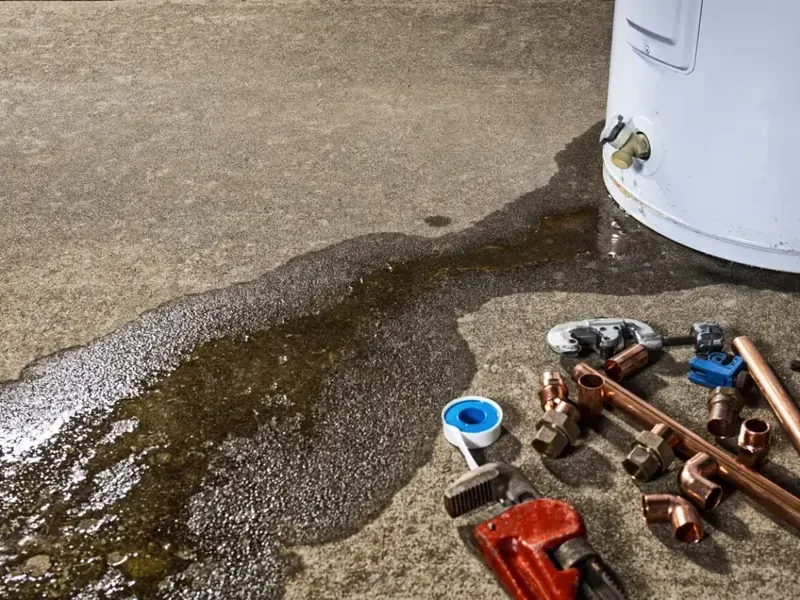
The first visible water around a heater may be a narrow trail leaving the enclosure. By then, the base of a nearby wall or the edge of an adjoining floor can already be wet. Riverview heater leak cleanup treats the tank location as the start of an inspection route, following the released water into the surrounding building materials.
First steps for water heater leak cleanup
- Describe the tank surroundings. The caller identifies the heater location, visible water trail and nearby rooms without touching wet controls or entering an enclosure with unsafe electrical conditions.
- Coordinate safe source isolation. Appropriate source attention stops continuing water release, while the cleanup assessment identifies building materials already affected beyond the heater and its immediate connections.
- Recover water across the boundary. Extraction addresses the enclosure and adjoining wet surfaces, with further inspection at shared walls, floor transitions and concealed areas where water may have traveled.
- Check the space before reinstatement. Recorded material conditions help determine when finishes can be repaired and whether access must remain open around the heater for additional drying or inspection.
How water heater leak cleanup works
Follow the enclosure to occupied space
The inspection connects the tank area with neighboring walls and floors, recording moisture on both sides of an enclosure boundary when access and conditions allow.
Coordinate equipment and material decisions
The heater repair is planned alongside removal or retention of wet building finishes, making sure newly installed equipment will not block necessary inspection and drying access.
Dry the surroundings with measured progress
Retained materials receive a suitable drying arrangement, and repeated observations track improvement at affected wall bases, floor edges and other identified damp locations.
Document the room after source repair
The completed record distinguishes heater work from restoration results and lists remaining finish repairs, giving the owner a practical view of the enclosure’s final condition.
Arrange source attention without entering a hazardous enclosure
For a property in Boyette, the owner can describe the tank location and visible spread from a safe position. Water, electrical components and heated equipment create access concerns that need appropriate attention. The source repair should be coordinated with cleanup so extraction and drying are not undermined by a continuing release from the heater or its connections.
A heater replacement or plumbing repair addresses the equipment. It does not automatically restore damp trim, drywall or flooring around the enclosure. The written work description should distinguish these tasks, allowing the owner to see the repair responsibility and the separate restoration scope before new equipment or finishes conceal the affected area.
Look at the enclosure boundary from both sides
At a Winthrop Village property, a wall shared with a living space may conceal moisture on the room side. The inspection should compare the wet enclosure with nearby baseboards, thresholds and floor surfaces. Where a cabinet or fixed panel blocks access, the plan should explain whether an opening is needed to evaluate the layer behind it.
- Record where the water leaves the heater area and which adjacent surface it reaches first.
- Check the bottoms of nearby walls for absorption beyond the visible floor puddle.
- Identify contents or stored items that obstruct inspection or have contacted released water.
- Keep the equipment repair scope separate from decisions about damaged building finishes.
Water Heater Leak Cleanup help
Water around a heater can reach farther than the enclosure suggests. Describe the tank area, neighboring rooms and repair status so the assessment follows the released water through the building.
Check the proposed plumbing work in its own terms
Boyette Road is a local corridor, while Hillsborough County oversees construction approval through Building Services. The county states that most construction requires approval and permits. Any proposed plumbing work should be described for check according to its actual scope. HillsGovHub provides permit record searches and status checks that support the repair planning discussion.
Do not handle wet heater controls
Occupants should avoid reaching through standing water to adjust electrical controls or connections. Source isolation and equipment safety need appropriate professional attention where access is hazardous. The surrounding area should remain clear while the tank, its connections and affected building materials are assessed.
Prepare the surrounding room for a lasting repair
After water recovery, drying focuses on retained walls, trim and floor layers. The moisture removal service explains how material readings support that work. The closing record should show which surfaces were dried, which components were removed and which repairs remain, so a newly repaired heater does not hide an unfinished restoration around its base.
What does water heater leak cleanup cost in Riverview, FL?
Water heater leak cleanup in Riverview uses planning ranges from $600 to $4,000. The enclosure layout, adjoining wet rooms and access behind finishes affect the restoration scope. Heater repair or replacement needs a separate, explicit allowance.
Contained enclosure spill
$600 to $1,400
- Accessible tank area
- Limited surface recovery
- Nearby material checks
Adjoining room wetness
$1,400 to $2,700
- Shared wall assessment
- Connected floor drying
- Selective access work
Wider tank-water damage
$2,700 to $4,000
- Multiple wet surfaces
- Broader finish handling
- Expanded moisture monitoring
The water damage cost calculator gives an estimate only. The inspection determines the scope, including water category, affected area, material class and drying delay.
Measured care for water heater leak cleanup
Rapid local response
The response team treats spreading water as urgent and gathers the source, room count and safe access details. Dispatch operates 24/7; conditions and availability determine the response.
IICRC S500 drying standard
The drying crew compares affected assemblies with dry reference materials, adjusts equipment to the evaporation load, and records progress. A dry-looking surface alone does not complete the work.
Claim-ready documentation
The technician links photographs to the moisture map and records material removal, equipment placement and drying readings. That record explains the restoration scope without promising an insurer's decision.
Local water experts
A property inspection distinguishes rain entry, an internal supply leak and contaminated outside water. The restoration plan follows the actual source and materials, with access and safety assessed separately.
Water heater leak cleanup in Riverview
Riverview heater leak recovery can be discussed using Boyette, Winthrop Village or Boyette Road as property references. The important assessment details include the tank location, visible water path, nearby electrical equipment and whether adjoining occupied rooms have become wet.
The same service nearby: water heater leak cleanup in Lithia, Bloomingdale, Fish Hawk.
Related water damage services in Riverview

Water Extraction and Removal in Riverview
Standing water removal reaches flooring edges and adjoining rooms.
View service details ›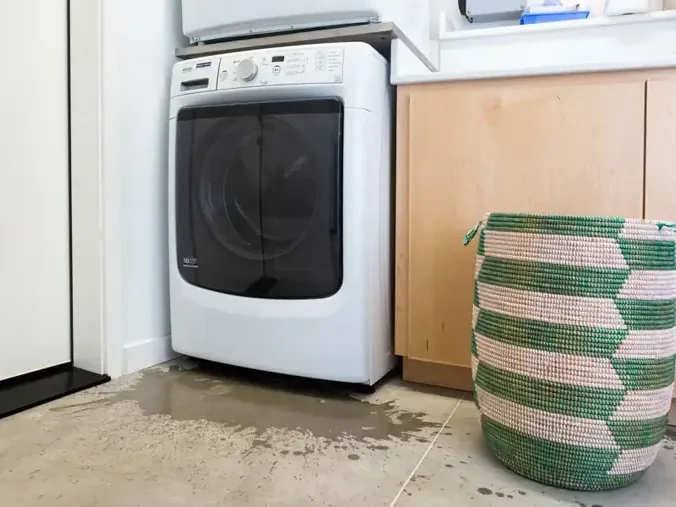
Appliance Leak Water Damage in Riverview
Hidden moisture beneath appliances calls for careful access.
View service details ›
Structural Drying and Dehumidification in Riverview
Material readings guide airflow, humidity control and drying completion.
View service details ›Water Heater Leak Cleanup questions in Riverview, FL
Does replacing the heater finish the water damage work?
A replacement resolves the equipment problem when properly completed, but wet surrounding materials need separate attention. Water may have reached wall bases, trim or neighboring floors before the tank was repaired. The restoration assessment should identify those areas and document their condition. The final scope needs to distinguish the new or repaired heater from completed drying of the building.
What should happen if water surrounds the heater controls?
Occupants should avoid touching wet controls or crossing standing water to reach equipment connections. The area needs appropriate safety attention and source isolation before routine cleanup proceeds. A description from a dry position can identify the visible conditions for the assessment. The work sequence should account for both equipment hazards and the water already released into nearby materials.
Why inspect the room on the other side of a wall?
Water can enter the bottom of the shared assembly and affect materials beyond the enclosure face. The opposite room may show damp trim or flooring even when its open floor has no puddle. Inspecting both sides where accessible helps define the full restoration area and prevents the heater enclosure from becoming an artificial boundary for moisture assessment and drying.
Can stored belongings stay beside the leaking tank?
Items that obstruct safe access or sit in released water need a handling decision. Moving them should follow the safety assessment, especially where electrical components or unstable storage create hazards. The plan can identify a dry staging area and record damaged contents separately from building finishes. Clear access also helps equipment repair and restoration work proceed without interfering with each other.
How are plumbing approval questions handled for this work?
The proposed repair should be reviewed according to its actual scope with the applicable county approval requirements. Hillsborough County states that most construction needs approval and permits through Building Services, and HillsGovHub supports record and status checks. Describing the plumbing work separately from wet finish restoration makes the discussion clearer and helps keep the responsibilities for each task organized.
What can remain wet after the garage floor looks clear?
Wallboard edges, trim, adjoining floor layers and other absorbent materials may retain moisture after surface water has been recovered. The inspection should follow the water path beyond the open floor and check the boundaries of the enclosure. Drying decisions then address the components actually affected, with readings or further access used where appearance cannot show the condition beneath a finish.
What should the owner receive before finishes are repaired?
The handoff should identify the heater source status, affected building materials, removal work and drying observations. Any area needing further access or preparation should be listed clearly. This record allows finish repair to begin with a defined scope and helps avoid covering damp material merely because the tank has been replaced and the visible floor puddle is gone.
Restore the space surrounding the heater
Source attention and material checks keep the equipment repair connected to the room’s recovery.
(888) 621-2041Discuss enclosure drying needs