Ceiling Leak Water Damage in Riverview
A swollen seam overhead changes how the room can be used. Riverview ceiling leak cleanup begins with stability and source checks, then opens the affected assembly only where inspection and drying need access.
(888) 621-2041Discuss a wet overhead assembly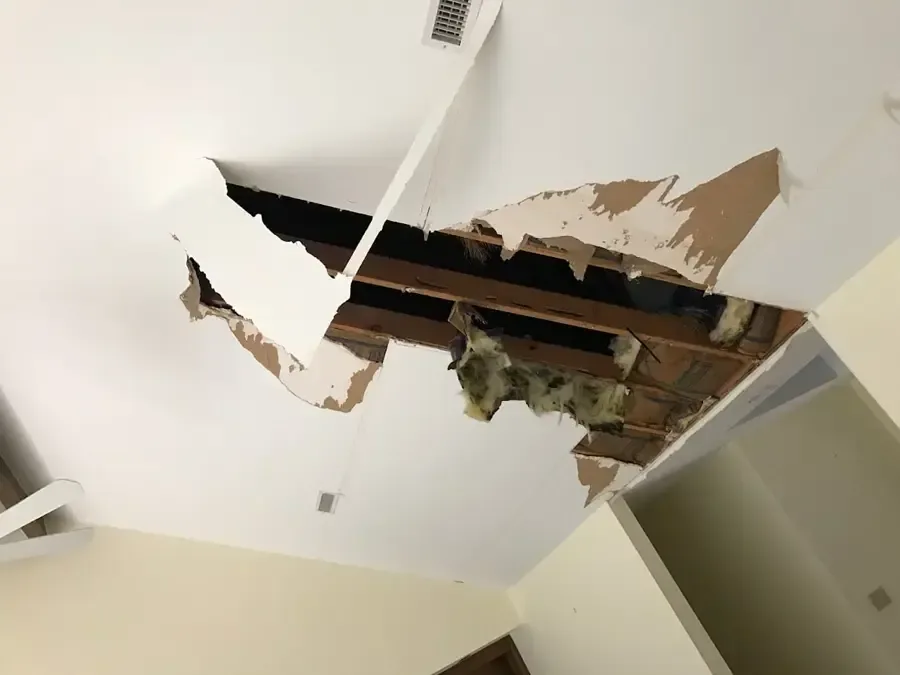
The ceiling is both a damaged finish and a barrier hiding the water path above it. A bowed seam or spreading stain in a Riverview room calls for a careful overhead assessment before normal activity continues underneath. The work starts by identifying instability and the source, then considers the opening needed to reach wet materials safely.
First steps for ceiling leak water damage
- Clear the unstable zone. People and pets remain away from sagging material, wet light fixtures and the area directly below active damage until safe access is established.
- Describe the overhead symptoms. The first discussion identifies dripping, swelling or staining and notes whether the room below also has wet flooring, walls or affected belongings.
- Arrange a controlled opening. Access is selected to inspect the source and reach damp layers, with protection and debris handling planned for the space beneath the ceiling.
- Check readiness for closure. Source repair details and moisture observations are checked before the cavity is covered, keeping unresolved wet areas available for further inspection or drying.
How ceiling leak water damage works
Assess ceiling and room conditions together
The inspection considers overhead stability alongside water already reaching the floor, allowing access restrictions and material handling to address the whole affected room.
Expose the relevant wet layers
Damaged finishes and concealed materials are evaluated as the ceiling is opened, and the scope is adjusted when inspection reveals moisture beyond the original stain.
Support drying through accessible surfaces
The equipment arrangement follows retained framing and other wet components, with monitoring used to identify areas that remain enclosed or need better access.
Coordinate the final ceiling repair
Documentation describes completed source attention, removed materials and drying results, giving the finish repair a clear starting point and identifying any work still outstanding.
The shape of the damage sets the first priority
A flat discolored patch and a visibly sagging section create different immediate concerns. The inspection records the condition of the ceiling, nearby lights and the room below. For a home in Winthrop Village or Boyette, the useful description is the actual symptom and its location inside the building, including any ongoing dripping or changes in the material.
Peru is an early settlement associated with the south side of the Alafia River. An owner using that local reference can help locate the property, then describe the overhead damage separately. The assessment follows the building’s actual water path, considering plumbing and roof entry as possible sources only as the inspection supports them.
Separate source access from drying access
The opening needed to locate a leak may not expose every damp ceiling bay. Water can move across the back of ceiling board or along framing before it appears below. Restoration should evaluate the surrounding assembly and identify whether additional access would allow retained materials to dry or reveal damaged insulation that needs removal.
- Note the edge of the stain and any change in shape while remaining outside unstable areas.
- Keep furnishings away from the restricted zone only when movement can be completed safely.
- Identify wet walls or flooring below the drip as part of the same loss record.
- Explain the purpose and extent of a proposed ceiling opening before material removal begins.
Ceiling Leak Water Damage help
Sagging material, an active drip and a spreading stain need different access decisions. Describe the overhead symptoms and the room below so assessment starts with the right priorities.
Account for the room beneath the opening
Controlled removal needs a plan for debris, contents and the floor below. The work area should remain separated from normal movement through the property. Water already on flooring may require liquid extraction, while the overhead assembly receives its own material assessment and drying arrangement. Those tasks should be coordinated rather than treated as unrelated damage.
Do not puncture a bulging ceiling
Standing beneath an unstable wet section to release water exposes the occupant to falling material and hidden electrical hazards. The space should remain clear until appropriately assessed. Any controlled opening needs a safe work area below and a plan for the water and debris released.
Require a clear reason before closing the cavity
Drying observations and source repair information should be reviewed together before replacement board is installed. Hillsborough County states that most construction needs approval and permits through Building Services, so the actual repair scope also belongs in the approval discussion. The final record should identify retained material conditions and remaining finishing tasks.
What does ceiling leak water damage cost in Riverview, FL?
Ceiling leak cleanup in Riverview has planning ranges of $700 to $4,500. The overhead area, wet insulation and damage below the ceiling influence the scope. Source repairs and decorative finishing should have explicit estimate entries.
Localized ceiling wetness
$700 to $1,500
- Focused overhead inspection
- Limited access work
- Initial moisture readings
Several ceiling bays
$1,500 to $3,000
- Connected cavity assessment
- Additional wet materials
- Broader drying access
Ceiling and room damage
$3,000 to $4,500
- Overhead material removal
- Affected room surfaces
- Coordinated drying setup
The water damage cost calculator gives an estimate only. The inspection determines the scope, including water category, affected area, material class and drying delay.
Measured care for ceiling leak water damage
Rapid local response
The response team treats spreading water as urgent and gathers the source, room count and safe access details. Dispatch operates 24/7; conditions and availability determine the response.
IICRC S500 drying standard
The drying crew compares affected assemblies with dry reference materials, adjusts equipment to the evaporation load, and records progress. A dry-looking surface alone does not complete the work.
Claim-ready documentation
The technician links photographs to the moisture map and records material removal, equipment placement and drying readings. That record explains the restoration scope without promising an insurer's decision.
Local water experts
A property inspection distinguishes rain entry, an internal supply leak and contaminated outside water. The restoration plan follows the actual source and materials, with access and safety assessed separately.
Ceiling leak water damage in Riverview
Riverview ceiling assessments serve property discussions around Winthrop Village, Boyette and Peru. A caller should identify the room below the damage, active dripping and any sagging areas so inspection can begin with the ceiling’s condition and safe access.
The same service nearby: ceiling leak water damage in Lithia, Bloomingdale, Fish Hawk.
Related water damage services in Riverview
Roof Leak Water Damage in Riverview
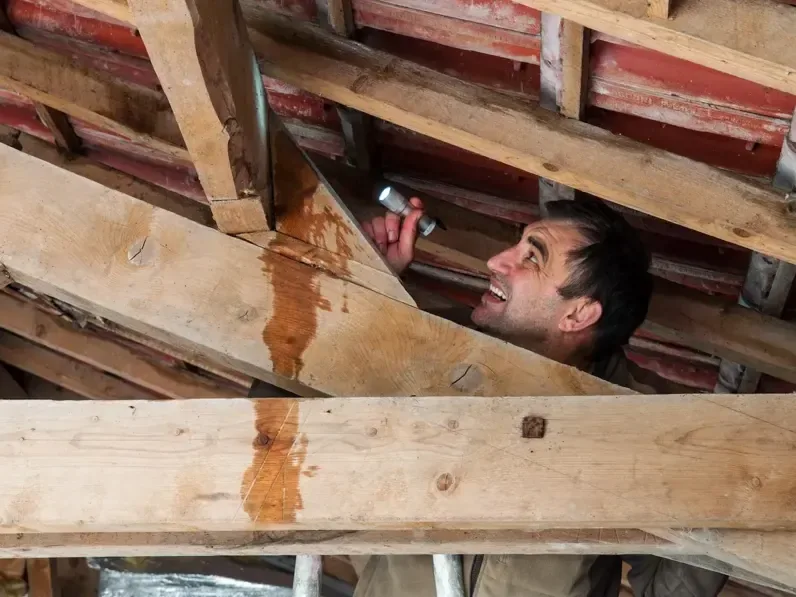
Roof entry can leave insulation and timber wet below the leak.
View service details ›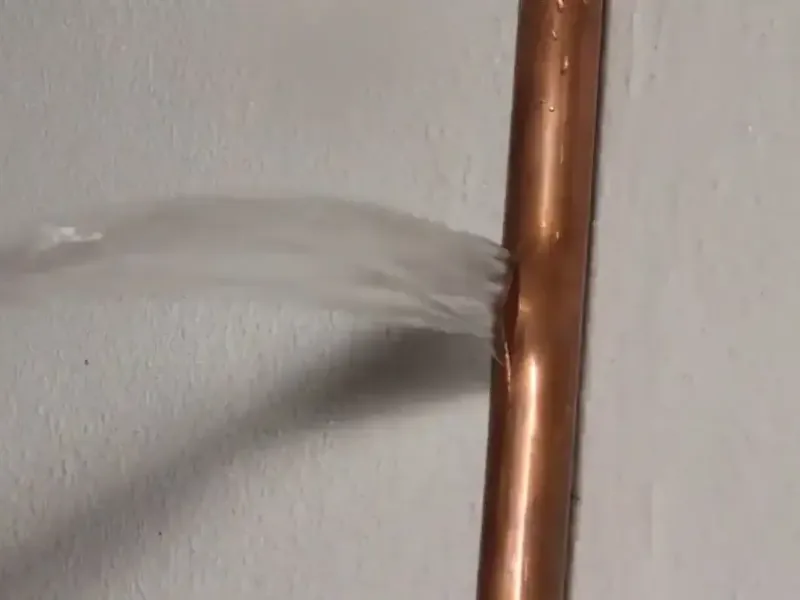
Burst Pipe Water Damage in Riverview
A stopped supply leak leaves wet layers to inspect and dry.
View service details ›
Structural Drying and Dehumidification in Riverview
Material readings guide airflow, humidity control and drying completion.
View service details ›Ceiling Leak Water Damage questions in Riverview, FL
What is the first concern with a sagging ceiling?
A sagging wet ceiling may be unstable, so the area beneath it should remain clear. Occupants should avoid touching or puncturing the section and should keep away from nearby wet electrical fixtures. Assessment establishes a safe way to investigate the source and open the assembly, including protection for the room and a route for handling released debris.
Can the leak source be found from the stain alone?
The stain gives an inspection starting point, but water may have traveled above the ceiling before becoming visible. The assessment should connect the room symptom with observations inside the assembly and the relevant source investigation. That approach helps avoid closing a small opening while other wet layers remain outside the area reached during the initial leak inspection.
Why check the floor when the damage is overhead?
Dripping water can damage flooring, furniture and lower wall surfaces while the ceiling remains the most obvious problem. Including those areas in the inspection creates a complete scope for the loss. Water recovery below and drying above may need different equipment or access arrangements, but they should be documented together so neither portion is overlooked during the repair handoff.
Does an opened ceiling always require full room replacement?
The extent of removal depends on material integrity and the access needed for inspection, source repair and drying. A localized opening may be sufficient in some cases, while more extensive damage requires broader work. The proposed scope should explain the reason for the opening and identify retained layers that will be checked before replacement finishes are installed.
How are belongings protected during ceiling removal?
The plan considers safe movement of contents, separation of the active work area and the handling route for debris. Items below unstable material should not be moved casually by occupants. Once access is assessed, protection can be arranged around the room layout, with attention to preserving usable passages and keeping wet or damaged items apart from unaffected storage areas.
What should the owner know before the ceiling is closed?
The source status, drying observations and condition of retained materials should be explained clearly. Any outstanding repair or approval question belongs in the handoff before new board conceals the cavity. A useful record distinguishes completed removal and drying from finish work still needed, helping the owner understand what the next stage will cover and what remains unresolved.
Will a dry looking stain stop further investigation?
Appearance alone does not describe moisture on the back of ceiling board or inside nearby insulation. Inspection should consider the source history, material condition and readings from the affected assembly. If those findings identify retained moisture, the work continues with suitable access and drying. Cosmetic improvement is useful to observe, but it is not the sole completion measure.
Make the overhead repair sequence clear
Safe access and documented drying prepare the ceiling assembly for its next finish.
(888) 621-2041Check the wet ceiling