Burst Pipe Water Damage in Riverview
A split supply pipe can wet a wall before water reaches the floor. Riverview restoration follows the release through connected materials, pairing a controlled plumbing source with extraction and a measured drying scope.
(888) 621-2041Discuss a sudden pipe release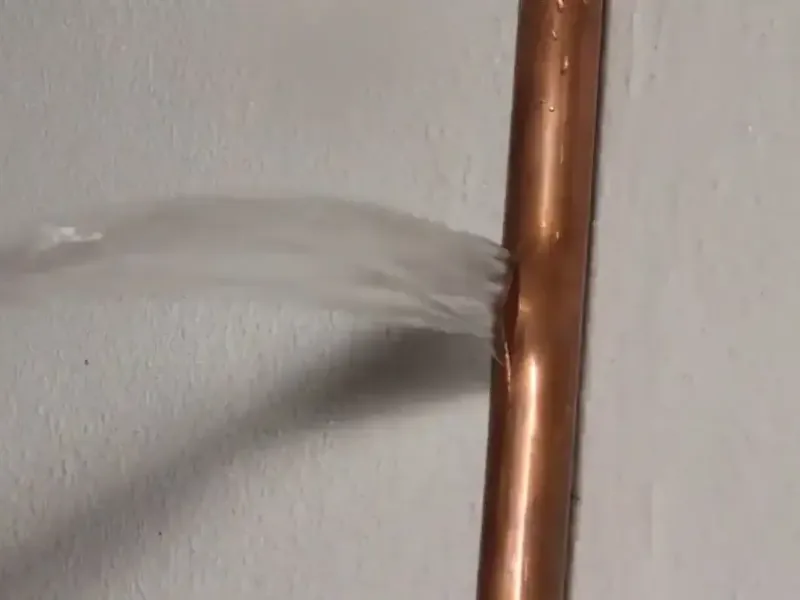
The sound of running water behind a wall can precede a visible puddle. When a supply pipe breaks in Riverview, the release may soak insulation, wallboard and flooring along its route. Stopping the water prevents further loading, but the already wet materials still require assessment before the plumbing opening or damaged finishes are closed.
First steps for burst pipe water damage
- Locate a safe shutoff. An accessible supply control may stop the release, but occupants should avoid wet electrical areas and leave unsafe valve access to appropriate professionals.
- Document the first wet area. The earliest visible water, changing room boundaries and repair opening are recorded to help connect the source with damage farther through the assembly.
- Clear accessible released water. Recovery focuses on pooled liquid and saturated surfaces, while inspection identifies water hidden beneath finishes or retained inside the wall around the pipe.
- Keep affected cavities accessible. Drying access remains available until material checks support the next repair stage, with the owner informed about openings and restrictions during that work.
How burst pipe water damage works
Connect source findings with damage
The repaired pipe location is compared with moisture observations across rooms, separating the point of release from the full area needing restoration attention.
Sort materials by condition
Wet insulation, wallboard, trim and flooring are assessed individually. Retention depends on their condition, water history and whether meaningful drying access can be achieved.
Arrange a focused drying zone
Equipment placement follows the exposed assemblies and safe power access, with measurements used to adjust the setup as moisture decreases in the affected materials.
Close the work with clear records
The owner receives an account of water recovery, drying results and remaining finish repairs, supporting a coordinated handoff after the plumbing source has been corrected.
Describe what changed before the leak appeared
In Boyette or Peru, useful observations include where water first appeared, which fixtures were operating and whether the supply has been isolated. The initial account should separate an observed pipe break from a suspected source. Plumbing investigation locates the fault, while restoration follows the actual wet footprint through the affected rooms and cavities.
Hillsborough County Water Resources directs damaging water and sewer emergencies through its emergency reporting process. A suspected public system problem belongs in that report. The building still needs inspection to identify its own leak and damage, allowing source repair and interior recovery to be planned with clear responsibilities.
Follow the release above and below the puddle
A pipe inside a wall may send water downward before it emerges beneath trim. Water can also cross a floor transition into a neighboring room. At a property near McMullen Road, the assessment should follow those physical paths through the actual building, with measurements recorded where appearance alone cannot show the extent of absorption.
- Inspect the wall cavity around the plumbing repair opening for retained water and damp insulation.
- Check floor edges where liquid may have moved under a finish or cabinet.
- Record wet contents separately from the building materials so handling decisions remain clear.
- Revisit adjoining rooms after extraction exposes a clearer view of the water path.
Burst Pipe Water Damage help
A repaired pipe leaves a second question: where did the released water go? Describe the wet walls, floors and neighboring rooms so the assessment can follow the entire affected assembly.
Use the repair opening as part of a wider assessment
Fixing the broken pipe and drying the surrounding assembly are different outcomes. An opening large enough for plumbing access may leave other wet areas enclosed. The restoration scope should explain whether additional access is necessary, which materials remain salvageable and how equipment will reach the retained damp layers without unnecessary demolition.
A shutoff must be safely reachable
Occupants should not cross water near electrical equipment to reach a valve. If access is unsafe, the area needs professional attention before entry. A ceiling or wall showing instability also warrants separation from the room while the source and damaged assembly are assessed.
Keep the drying record with the plumbing repair
Extraction removes the released liquid that remains accessible. The structural drying plan then addresses absorption in retained materials. Moisture readings, removed material records and the plumbing repair description provide a useful combined account. Before finishes are reinstated, the handoff should identify remaining wet areas, outstanding repairs and any access that must stay open for continued drying.
What does burst pipe water damage cost in Riverview, FL?
Burst pipe water damage restoration in Riverview spans $800 to $7,000 as a planning range. The volume released, concealed absorption and rooms affected determine the cleanup scope. Source repair and reconstruction should appear as distinct estimate items.
Contained supply spill
$800 to $2,000
- Limited liquid recovery
- Accessible wet finishes
- Initial material assessment
Wall and floor involvement
$2,000 to $4,500
- Cavity drying access
- Wet finish handling
- Connected moisture checks
Multiple-room release
$4,500 to $7,000
- Broader extraction area
- Several affected assemblies
- Expanded drying arrangement
The water damage cost calculator gives an estimate only. The inspection determines the scope, including water category, affected area, material class and drying delay.
Measured care for burst pipe water damage
Rapid local response
The response team treats spreading water as urgent and gathers the source, room count and safe access details. Dispatch operates 24/7; conditions and availability determine the response.
IICRC S500 drying standard
The drying crew compares affected assemblies with dry reference materials, adjusts equipment to the evaporation load, and records progress. A dry-looking surface alone does not complete the work.
Claim-ready documentation
The technician links photographs to the moisture map and records material removal, equipment placement and drying readings. That record explains the restoration scope without promising an insurer's decision.
Local water experts
A property inspection distinguishes rain entry, an internal supply leak and contaminated outside water. The restoration plan follows the actual source and materials, with access and safety assessed separately.
Burst pipe water damage in Riverview
Riverview pipe damage assessments can use Boyette, Peru or McMullen Road as property references. The call should describe the shutoff status, affected rooms and any water near electrical equipment so the visit addresses the release and safe interior access.
The same service nearby: burst pipe water damage in Lithia, Bloomingdale, Fish Hawk.
Related water damage services in Riverview

Water Extraction and Removal in Riverview
Standing water removal reaches flooring edges and adjoining rooms.
View service details ›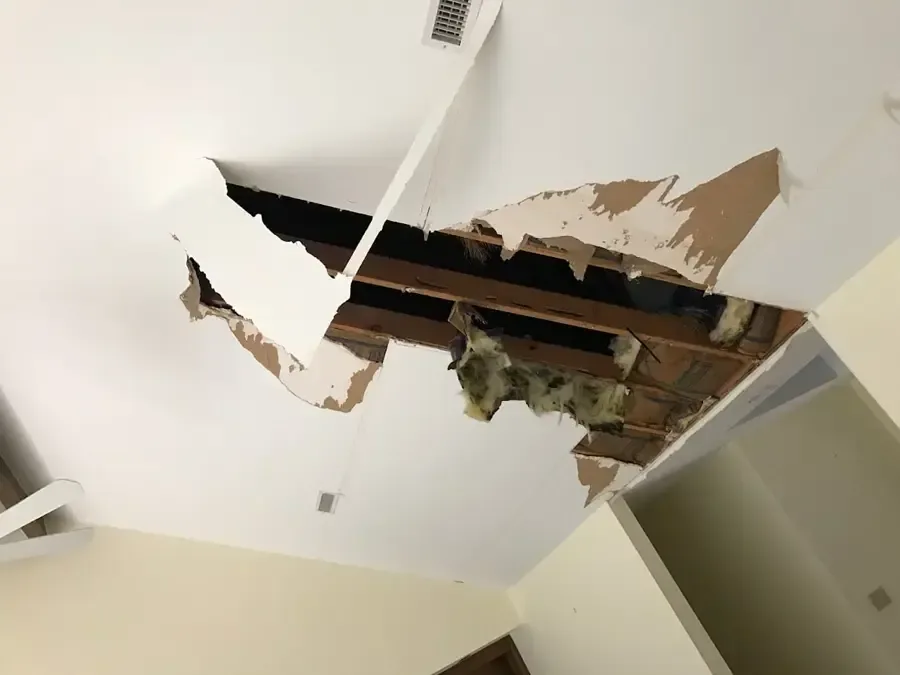
Ceiling Leak Water Damage in Riverview
Sagging ceilings need safe access before damaged material is removed.
View service details ›
Structural Drying and Dehumidification in Riverview
Material readings guide airflow, humidity control and drying completion.
View service details ›Burst Pipe Water Damage questions in Riverview, FL
Is a repaired pipe enough to close the wall?
The repair stops the release, but the surrounding materials may still hold moisture. Before closing the opening, the affected cavity and adjoining finishes need assessment and an appropriate drying process. The repair handoff should state the material condition and any remaining work, preventing the plumbing repair from being mistaken for completion of the entire water damage restoration.
Why can damage appear beyond the broken pipe room?
Water follows available paths through cavities, along floor edges and beneath connected finishes. The location where it becomes visible may differ from the source. Moisture checks should include adjoining areas that share those paths. Recording the boundaries before and after extraction helps explain why the cleanup scope includes a room where no pipe repair was actually needed.
What is useful to record during the initial response?
The owner can record when the water was noticed, which rooms are wet and whether the supply has been shut off. Photographs from a safe position help preserve the visible pattern. The plumbing repair description and restoration measurements can be added later, creating a clear account without requiring anyone to enter an electrically unsafe or unstable affected room.
Can furniture stay in a room with wet flooring?
That depends on the contents, available dry space and contamination assessment. Items resting on wet flooring may need safe movement or separation to prevent further contact and allow access. The handling plan should identify which belongings remain, which are moved and where they will go. Moving items casually can obstruct the cleanup route or spread water into dry areas.
Will every damp section of wallboard be removed?
The material condition, exposure history and ability to dry the enclosed assembly determine that decision. Some areas may be retained with suitable access, while damaged or inaccessible sections may require removal. The scope should explain the reason for each opening and identify wet insulation or backing that would otherwise remain concealed behind an apparently improved wall surface.
Who handles a possible public water system problem?
Hillsborough County Water Resources directs damaging water emergencies to its emergency reporting process. A report should describe the observed public system concern. The property also needs its own source investigation and interior assessment, because correcting a public issue and restoring wet building materials are separate tasks with different work areas and completion requirements for the owner to understand.
How does a drying plan account for occupied rooms?
The arrangement should preserve safe movement through unaffected spaces and separate active work from normal use where feasible. Electrical safety, damaged materials and equipment placement determine the restrictions. Occupants need a clear explanation of usable entrances and areas to avoid. As drying progresses, measurements and changing access needs may lead to adjustments in the equipment or room boundaries.
Follow the water beyond the break
Coordinated source repair and measured drying prepare the surrounding materials for a clear and documented repair handoff.
(888) 621-2041Discuss the soaked assembly