Slab Leak Water Damage in Riverview
A damp floor joint can be the first visible sign of a concealed plumbing release. Riverview cleanup follows the moisture across affected finishes while plumbing assessment identifies the source and necessary repair access.
(888) 621-2041Discuss moisture beneath the floor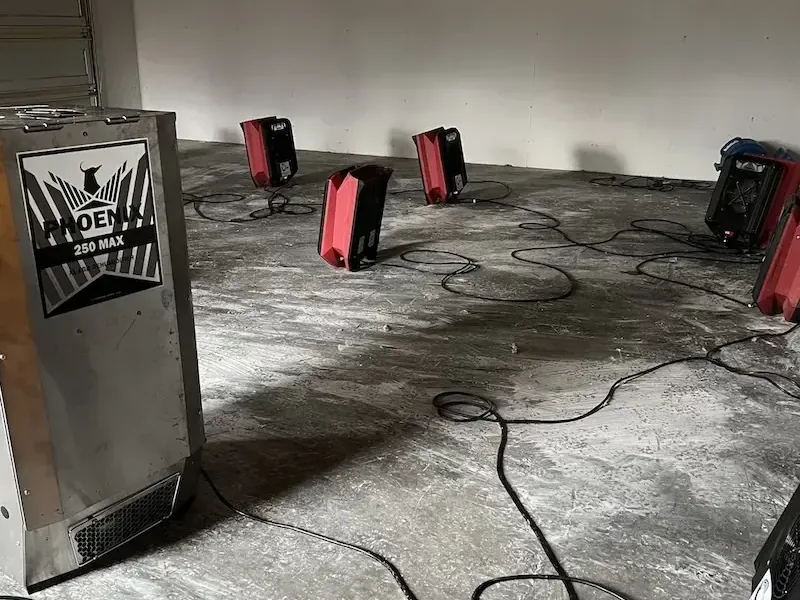
A patch of flooring that repeatedly becomes damp deserves investigation beneath the finished surface. Riverview slab leak restoration begins with the pattern of moisture, not a decision to remove an entire room. The plumbing source and the water damaged materials need coordinated attention so the repair opening also supports a sensible plan for drying.
First steps for slab leak water damage
- Mark recurring dampness. The owner can note which floor edges become wet again and describe nearby plumbing fixtures without lifting flooring or entering unsafe areas.
- Arrange source investigation. The plumbing assessment locates the release and identifies repair access, while restoration records the separate boundary of the wet finishes and assemblies.
- Open the necessary layers. Selected material removal creates access to retained moisture, with the reason for each opening explained in relation to repair or drying needs.
- Check before finish replacement. Recorded readings establish progress in exposed materials and help determine the next preparation or repair task before a new floor covering conceals them.
How slab leak water damage works
Map the concealed wet footprint
Floor edges, thresholds and lower walls are evaluated together, creating a record that connects the visible damp area with moisture beyond the surface stain.
Align the repair and drying scopes
Plumbing findings inform access planning, but drying decisions also account for water that traveled away from the source beneath floor finishes or adjacent cabinetry.
Manage moisture around the opening
Equipment supports the exposed materials while ongoing readings identify persistent damp spots. Further access is considered when an enclosed layer prevents meaningful progress.
Prepare a documented repair handoff
The final account identifies material conditions, removed finishes and outstanding repair questions, helping the next contractor understand the assembly before covering the previously affected area.
Read the floor pattern before choosing an opening
At a property around Boyette Road, staining beside a wall, lifted flooring or persistent dampness can help define where inspection begins. Those signs must be considered together with plumbing findings. A moisture map records affected edges and neighboring rooms, allowing the owner to see why the cleanup boundary may differ from the location of the actual pipe repair.
Winthrop Village and Boyette provide useful location references within the community. Inside an affected property, however, the arrangement of rooms and floor layers determines the work. Inspection checks the actual assembly, including the finish, adhesive or underlayment encountered, rather than presuming a particular floor construction throughout the area.
Coordinate access without overlooking secondary damage
The plumbing repair may require a targeted opening, while absorbed water has spread farther beneath a finish. Restoration should assess the surrounding materials separately. Water held at a wall base can reach trim or backing, and cabinets may conceal damp areas that are inaccessible from the middle of the room. Those interfaces deserve attention during planning.
- Record moisture at visible floor edges and compare it with an unaffected reference area.
- Identify whether a finish blocks access to wet material underneath the exposed surface.
- Include adjoining trim and wall bases when mapping the affected building assembly.
- Explain which opening serves the pipe repair and which opening serves the drying work.
Slab Leak Water Damage help
Recurring floor dampness calls for a coordinated look at the plumbing source and surrounding materials. Describe the affected edges, nearby fixtures and any changes since the wet area first appeared.
Include approval questions in the repair discussion
Hillsborough County states that most construction needs approval and permits from Building Services. Floor coverings appear among work typically exempt from permits, while bathroom remodeling involving plumbing would likely require a permit. A slab leak project should therefore describe its actual plumbing and restoration scope when the required approvals are reviewed.
HillsGovHub provides permit record searches and status checks. Keeping the proposed plumbing work distinct from removal of damaged finishes makes that conversation clearer. The written scope can identify who handles source repair, who evaluates wet materials and which completion records will accompany each part of the work.
Do not open a suspect floor casually
Cutting or drilling without an assessment can encounter concealed services or disturb materials unnecessarily. Occupants should avoid damaged flooring and wet electrical areas. The access plan should follow the moisture findings and plumbing investigation, with a clear explanation of the proposed opening before removal starts.
Dry the exposed assembly before replacing finishes
After the source is controlled, structural drying addresses moisture retained in the surrounding materials. Measurements should track the same affected areas over time. Replacing a floor too early can conceal ongoing wetness, so the repair handoff needs documented material conditions and a list of any remaining preparation required before a new finish is installed.
What does slab leak water damage cost in Riverview, FL?
Slab leak water damage work in Riverview ranges from $1,000 to $6,000 for planning. Concealed spread, access beneath finishes and the number of wet assemblies affect restoration costs. Plumbing repair and rebuilding need clearly stated allowances.
Limited floor edge
$1,000 to $2,000
- Targeted finish access
- Localized wet layers
- Focused moisture tracking
Several wet assemblies
$2,000 to $4,000
- Floor and walls
- Additional access openings
- Connected drying zones
Broad concealed spread
$4,000 to $6,000
- Extensive layer inspection
- Broader material handling
- Larger equipment arrangement
The water damage cost calculator gives an estimate only. The inspection determines the scope, including water category, affected area, material class and drying delay.
Measured care for slab leak water damage
Rapid local response
The response team treats spreading water as urgent and gathers the source, room count and safe access details. Dispatch operates 24/7; conditions and availability determine the response.
IICRC S500 drying standard
The drying crew compares affected assemblies with dry reference materials, adjusts equipment to the evaporation load, and records progress. A dry-looking surface alone does not complete the work.
Claim-ready documentation
The technician links photographs to the moisture map and records material removal, equipment placement and drying readings. That record explains the restoration scope without promising an insurer's decision.
Local water experts
A property inspection distinguishes rain entry, an internal supply leak and contaminated outside water. The restoration plan follows the actual source and materials, with access and safety assessed separately.
Slab leak water damage in Riverview
Floor moisture assessments in Riverview can begin with property references such as Boyette Road, McMullen Road or Winthrop Village. The relevant details are the damp rooms, floor finishes and available plumbing information, followed by inspection at the affected building.
The same service nearby: slab leak water damage in Lithia, Bloomingdale, Fish Hawk.
Related water damage services in Riverview

Water Extraction and Removal in Riverview
Standing water removal reaches flooring edges and adjoining rooms.
View service details ›
Structural Drying and Dehumidification in Riverview
Material readings guide airflow, humidity control and drying completion.
View service details ›
Burst Pipe Water Damage in Riverview
A stopped supply leak leaves wet layers to inspect and dry.
View service details ›Slab Leak Water Damage questions in Riverview, FL
Does a damp floor automatically identify the pipe location?
The wettest visible finish may be away from the actual release because water can travel through hidden paths. Plumbing investigation locates the source, while restoration maps the affected materials. These findings should be considered together before choosing an opening. That coordination reduces confusion between the area needed to repair the pipe and the larger area requiring drying.
Can cleanup begin while plumbing work is being arranged?
Safe stabilization and documentation can often begin while source repair is being coordinated, but the continuing release has to be controlled for drying to succeed. The sequence depends on access and hazards at the property. The scope should explain which actions limit present damage and which tasks must wait until the plumbing source has been isolated.
Why might wall trim need attention after a floor leak?
Moisture at the floor perimeter can enter trim, wallboard edges and other absorbent materials in contact with the wet area. The inspection should check those interfaces instead of treating the problem as flooring alone. Removal is a material decision based on condition and access, and any proposed opening should have a clear purpose in the drying plan.
Is every floor covering removed after a slab leak?
No single removal decision fits every assembly. The finish condition, concealed moisture and ability to reach the wet layer determine whether it can remain. Some materials may need partial opening; others may be damaged beyond retention. The owner should receive an explanation of the options, including what inspection or drying access each option would provide beneath the finish.
How do county permit questions fit into the job?
Hillsborough County generally requires construction approval through Building Services and identifies some work, including floor coverings, as typically exempt. A project involving plumbing or broader alterations needs check of its actual scope. The repair discussion should name the proposed work clearly, and HillsGovHub can be used for permit record searches and checks on permit status during planning.
What does drying equipment accomplish around exposed concrete?
Equipment helps manage moisture in the affected environment and exposed assemblies after the release stops. Its arrangement depends on the materials and access found during inspection. Measurements track progress rather than relying on appearance alone. The assessment should also include nearby finishes and wall bases, since those components may require different handling from the exposed floor itself.
What should be documented before flooring is installed again?
The record should identify the original wet areas, the materials removed and the condition of the assembly after drying. Remaining preparation or plumbing repair work needs to be listed separately. This information supports a clear handoff to the finish installer and helps the owner understand which tasks have been completed before the affected floor layers are covered again.
Resolve the wet layers beneath the finish
An explained access plan connects source repair with drying and prepares the damaged floor for its next stage.
(888) 621-2041Discuss the floor opening