Water Extraction for Riverview Properties
The puddle at a doorway may connect to water beneath the next room. Extraction in Riverview starts by tracing that spread, selecting suitable recovery equipment and checking what remains inside the materials.
(888) 621-2041Discuss a standing water problem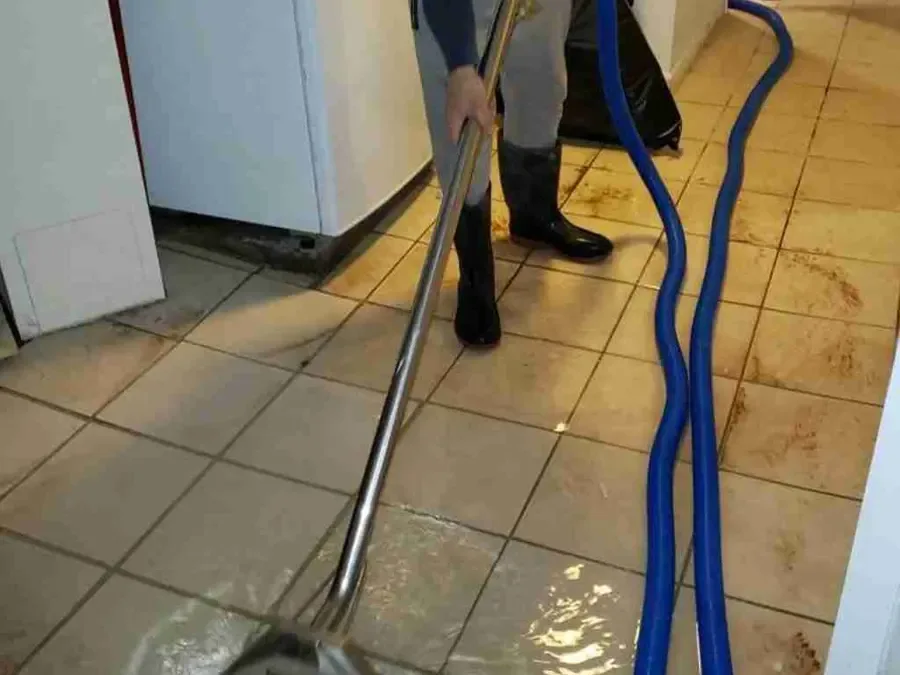
Footprints spreading out of a wet room often reveal that the water problem is larger than the original puddle. At a Riverview property, the assessment follows thresholds, floor joints and wall edges before treating the visible area as the whole loss. Water extraction reduces the liquid load, giving the remaining drying work a practical starting point.
First steps for water extraction and removal
- Establish a safe approach. The entry route is checked for electrical exposure, unstable finishes and contamination before personnel move recovery equipment through the affected area.
- Identify the available water. The assessment distinguishes accessible pooled liquid from water held beneath flooring, inside soft materials or at the bottom of enclosed assemblies.
- Recover the standing liquid. Extraction equipment is selected for depth and surface, with attention to preventing wet hoses and materials from spreading the affected footprint.
- Recheck the cleared surfaces. After removal, moisture measurements and visual inspection identify the remaining wet layers and the access needed for an effective drying arrangement.
How water extraction and removal works
Record the route across rooms
The water path is marked through connected spaces, including changes at doorways and floor joints, so removal work follows the full affected area.
Decide what can stay
Material condition and water history determine whether an absorbent finish remains in place, needs lifting for access or requires removal from the room.
Connect extraction with drying
Air movement and dehumidification address moisture left behind after liquid recovery. Placement takes account of exposed materials, occupied space and available safe power.
Explain the remaining work
A closing check distinguishes extracted water from residual material moisture and describes further drying, monitoring or repairs still needed before the room is restored.
First separate the source from the collection point
The Alafia River flows through the northern portion of the community, and Alafia Scrub Nature Preserve includes shoreline and tidal marsh. A property near those features still needs its own water entry assessment. Water from a broken indoor supply and water entering from outdoors require different handling decisions, even when they collect in a similar looking room.
Boyette lies in the eastern part of the census designated place. For a property there, the initial description should identify the room where water was first noticed and whether the source remains active. That sequence helps distinguish an ongoing release from residual water moving beneath a finish.
Recovery methods follow depth and material
Accessible pooled water can be removed with equipment suited to its depth and the available route out of the building. Absorbent flooring needs a different approach from a bare hard surface. Recovery should proceed without carrying contaminated water through dry living areas or leaving equipment across the only safe exit.
- Floor seams and transitions receive attention where water may have crossed beneath the visible surface.
- Wall bottoms are checked for absorption above the area reached by the original puddle.
- Contents resting directly on wet flooring are assessed for safe movement and separate handling.
- The water source informs whether affected absorbent materials can remain during the drying phase.
Water Extraction and Removal help
Pooled water, soaked finishes and a continuing leak create different equipment needs. Describe the visible spread and the safest entrance so the assessment can focus on the actual removal task.
Look again after the standing water disappears
A clear floor permits a closer inspection, but it does not finish the restoration. The underside of a finish, padding or a cabinet base may retain water. Moisture checks help define the remaining affected area and identify where opening a small section would provide meaningful drying access. Decisions should be explained before materials are removed.
Keep wet electrical areas isolated
Occupants should avoid standing water around energized equipment, outlets or panels. A pump or household vacuum should not be connected through a wet area. Safe electrical conditions and a usable access route are prerequisites for bringing extraction equipment into the affected room.
Build the handoff into the removal scope
When liquid recovery is complete, the record should identify the materials still wet and the next drying tasks. The structural drying service explains how moisture removal continues inside assemblies. A completed extraction visit should leave a clear account of progress, remaining restrictions and repair questions rather than an unexplained collection of equipment.
What does water extraction and removal cost in Riverview, FL?
Water extraction in Riverview uses planning ranges from $500 to $3,500. The inspected water volume, affected floor area and access beneath finishes determine the scope. Material removal and subsequent drying should be identified clearly in the estimate.
One contained room
$500 to $1,200
- Accessible floor water
- Focused recovery work
- Initial moisture checks
Several connected areas
$1,200 to $2,400
- Crossing room thresholds
- Broader equipment setup
- Wet layer inspection
Extensive water removal
$2,400 to $3,500
- Larger liquid volume
- More recovery passes
- Expanded access planning
The water damage cost calculator gives an estimate only. The inspection determines the scope, including water category, affected area, material class and drying delay.
Measured care for water extraction and removal
Rapid local response
The response team treats spreading water as urgent and gathers the source, room count and safe access details. Dispatch operates 24/7; conditions and availability determine the response.
IICRC S500 drying standard
The drying crew compares affected assemblies with dry reference materials, adjusts equipment to the evaporation load, and records progress. A dry-looking surface alone does not complete the work.
Claim-ready documentation
The technician links photographs to the moisture map and records material removal, equipment placement and drying readings. That record explains the restoration scope without promising an insurer's decision.
Local water experts
A property inspection distinguishes rain entry, an internal supply leak and contaminated outside water. The restoration plan follows the actual source and materials, with access and safety assessed separately.
Water extraction and removal in Riverview
Riverview extraction planning includes properties around Boyette, Winthrop Village and Peru. Access details, the visible water source and affected floor surfaces help define the visit; the equipment choice follows inspection of the actual wet footprint inside the property.
The same service nearby: water extraction and removal in Lithia, Bloomingdale, Fish Hawk.
Related water damage services in Riverview

Structural Drying and Dehumidification in Riverview
Material readings guide airflow, humidity control and drying completion.
View service details ›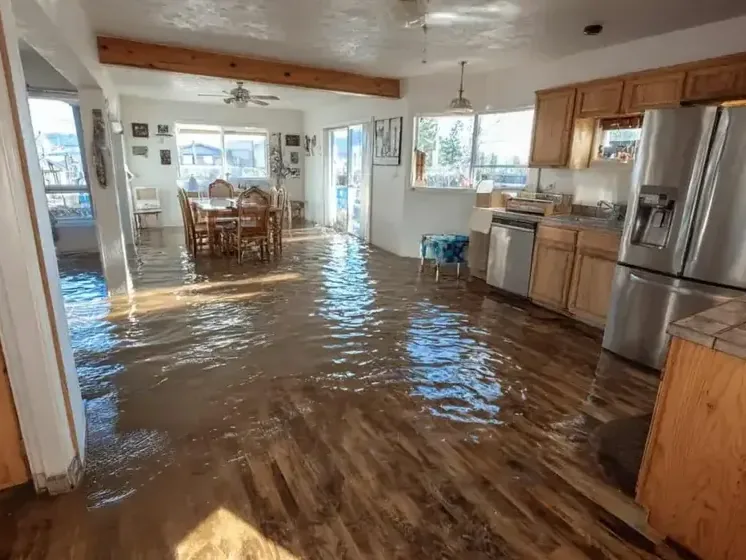
Storm and Flood Cleanup in Riverview
Outside floodwater needs an entry assessment and a cleanup plan.
View service details ›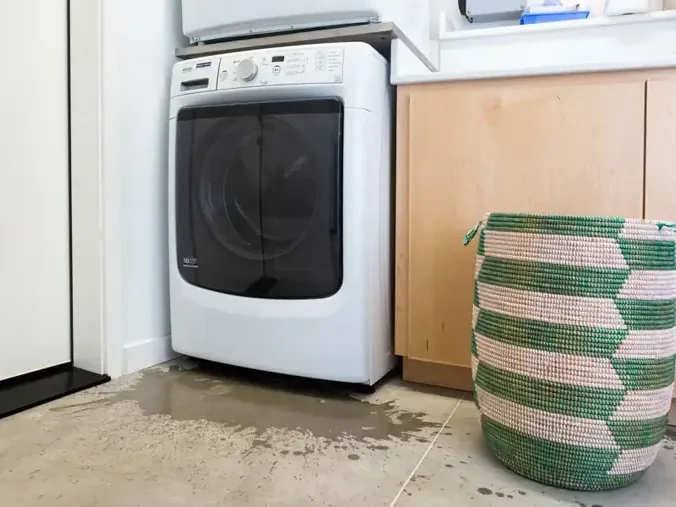
Appliance Leak Water Damage in Riverview
Hidden moisture beneath appliances calls for careful access.
View service details ›Water Extraction and Removal questions in Riverview, FL
Can towels replace extraction equipment for a large spill?
Towels can collect a limited amount of accessible surface water when the area is safe, but they provide little information about moisture below the finish. A larger loss requires inspection of adjoining layers and a suitable recovery method. The decision depends on the volume, source and materials rather than the apparent size of the central puddle.
What determines whether carpet can remain during removal?
The water history, carpet condition and materials beneath it all matter. A surface that looks intact may cover wet padding or a damp subfloor. Inspection determines whether extraction through the surface is appropriate or whether lifting or removal is necessary. Any material decision should include an explanation of contamination concerns and the drying access it creates.
Why inspect a room without visible pooled water?
Water can travel through floor joints, beneath thresholds and along wall bases before becoming obvious in the next room. Checking connected areas helps establish the actual boundary of the loss. The inspection should focus on moisture evidence at likely transfer points and document any additional wet materials so the scope follows the building condition.
Does extraction also dry the inside of a wall?
Liquid recovery and material drying are related but separate tasks. Extraction clears water that equipment can physically recover. Moisture absorbed into framing, wallboard or insulation needs an appropriate drying environment and sometimes an opening for access. A useful plan identifies both phases and explains how their progress will be checked before the assembly is closed.
What information helps when describing a flooded room?
Useful details include the suspected source, whether water is still entering, the surfaces affected and any visible electrical hazards. The caller can describe adjoining rooms and the safest entrance without walking through the water. Photos taken from a dry position may help explain the pattern, while the on site assessment determines equipment and material decisions.
How is outside water handled differently from an indoor spill?
Outside water may carry contamination and debris that change material handling and cleaning requirements. An indoor release also needs its source and exposure history assessed before treatment decisions are made. The work should identify what entered, which surfaces it contacted and how wet materials will be separated from unaffected rooms during recovery and subsequent drying.
When is the extraction portion considered finished?
That phase ends when accessible liquid has been recovered and remaining wet areas have been evaluated for the next work. The entire restoration may continue with drying and repairs. Documentation should show what was removed, what materials remain damp and which equipment or access changes are needed, giving the owner a clear description of the handoff.
Give the next wet room attention
Water beneath a threshold deserves checking before the floor appears dry and the damage is overlooked.
(888) 621-2041Discuss recovery access