Slab Leak Water Damage in Fish Hawk
Water appearing at a floor seam can come from a concealed source. The assessment needs to connect plumbing findings with wet floor layers and wall edges before deciding what must be opened or dried.
(888) 621-2041Assess the concealed floor water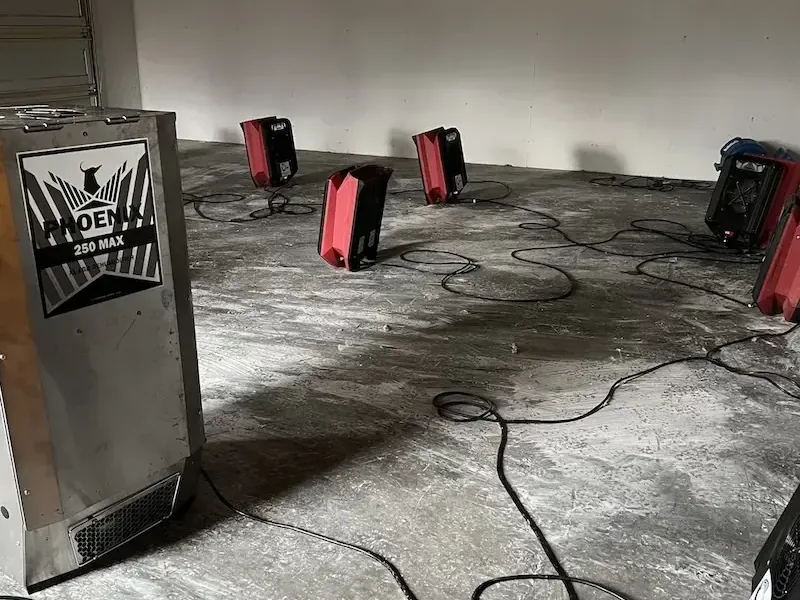
Slab leak water damage in Fish Hawk can appear as damp trim, a changing floor seam or persistent moisture beneath a covering. Those symptoms call for a coordinated inspection. Plumbing findings identify the source work, while the restoration assessment determines what the escaped water has reached inside the finished room.
First steps for slab leak water damage
- Collect the source findings. The inspection assesses known plumbing observations and visible floor symptoms, establishing which source work remains and where the water damage assessment should begin.
- Map the wet floor edges. Checks follow covering joints, wall bases and connected rooms, recording the moisture footprint separately from the small opening that may be needed for pipe repair.
- Coordinate necessary openings. Floor or trim removal is planned around source access and drying needs, with each boundary explained before wet material is exposed or removed from the room.
- Verify retained surfaces. After source correction, the accessible assembly receives drying checks so replacement coverings do not conceal unresolved wetness beneath the newly repaired floor.
How slab leak water damage works
Identify the actual floor layers
The assessment describes the covering and underlying materials, allowing removal decisions to reflect the inspected assembly and its current moisture condition.
Connect the source and moisture maps
Plumbing findings are considered alongside material readings, explaining why water damage can extend beyond the location opened for repair and which adjoining surfaces require treatment.
Maintain useful access during drying
Openings remain available where measurements or airflow are still needed, with progress assessed at affected floor edges and nearby wall bases before the scope is reduced.
Document readiness for new finishes
The final record combines source repair information, removal notes and material condition so the homeowner and installer can coordinate reconstruction without hiding unfinished moisture treatment beneath flooring.
Define the floor assembly before opening it
The visible covering is only the first layer. Backing, adhesive and the supporting surface can affect where water remains and how it can be accessed. Inspection should establish the actual construction at the property before removal decisions are made. The proposed opening needs a clear purpose, whether for source repair or treatment of wet materials.
FishHawk Ranch and FishHawk Trails were developed in the 1990s by different companies. At an individual home, current floor layers and plumbing findings determine the repair approach. A development date is useful background, while the inspection addresses the building in its present condition.
Follow the damp edge into adjoining rooms
Water below a floor covering can appear at a joint away from the source. The inspection checks connected wall bases, closets and transitions between materials. A dry central walking area does not settle the condition beneath a cabinet or along the room perimeter.
- Mark the locations of plumbing test findings separately from surface moisture readings.
- Photograph lifted floor edges before further removal changes their condition.
- Check adjoining trim where concealed water emerges at the wall base.
- Identify access that must remain open for both repair and drying.
Little Fishhawk Creek gives the community its name and is a tributary of the Alafia River. Inside an affected home, the source assessment must account for the actual release and the moisture pattern. The damage record should connect those findings with the surfaces selected for treatment.
Slab Leak Water Damage help
A damp floor edge may connect to concealed wet layers beyond the plumbing opening. Describe the visible changes and any source findings so repair access and drying can be planned together.
Coordinate the plumbing opening with restoration access
A source repair can require a targeted opening that does not expose every wet floor layer. Restoration access may extend into affected trim or coverings beside it. The work plan should identify both boundaries so the repaired plumbing is not confused with completion of the building's moisture treatment.
Hillsborough County requires approval and permits for most construction. Any plumbing alteration or reconstruction should receive the relevant scope assessment, with its paperwork kept distinct from the drying measurements and material removal record.
Avoid exploratory cutting without assessment
Hidden utilities and uncertain material conditions make unplanned floor cutting unsafe. Occupants should keep clear of openings and leave source access to the appropriate repair parties. The restoration plan should use their findings while preserving safe movement around exposed floor sections.
Let the floor condition set the finish sequence
Material drying follows source control and the access needed for the retained assembly. Readings beneath affected edges and at wall bases help show whether the wet footprint is shrinking or whether another layer needs attention.
The final repair handoff should list the source work, removed coverings and condition of retained surfaces. New flooring should follow that assessment and any preparation required for its installation, keeping the concealed wet area visible until the building is ready to be finished.
What does slab leak water damage cost in Fish Hawk, FL?
Slab leak cleanup in Fish Hawk depends on concealed spread and access beneath the floor finish. The ranges reflect water damage work; plumbing location, source repair and replacement flooring should be separately described when the full project scope is assessed.
Limited floor edge
$1,000 to $2,000
- Localized seam moisture
- Accessible trim checks
- Focused material treatment
Several wet assemblies
$2,000 to $4,000
- Connected wall bases
- Multiple floor layers
- Expanded drying access
Broad concealed spread
$4,000 to $6,000
- Extensive affected edges
- Several room transitions
- Detailed progress monitoring
The water damage cost calculator gives an estimate only. The inspection determines the scope, including water category, affected area, material class and drying delay.
Measured care for slab leak water damage
Rapid local response
The response team treats spreading water as urgent and gathers the source, room count and safe access details. Dispatch operates 24/7; conditions and availability determine the response.
IICRC S500 drying standard
The drying crew compares affected assemblies with dry reference materials, adjusts equipment to the evaporation load, and records progress. A dry-looking surface alone does not complete the work.
Claim-ready documentation
The technician links photographs to the moisture map and records material removal, equipment placement and drying readings. That record explains the restoration scope without promising an insurer's decision.
Local water experts
A property inspection distinguishes rain entry, an internal supply leak and contaminated outside water. The restoration plan follows the actual source and materials, with access and safety assessed separately.
Slab leak water damage in Fish Hawk
Floor moisture assessments cover homes in the community when a concealed leak is suspected or already located. The request should describe visible floor changes, completed plumbing findings and any openings. These details help the inspector plan access for the different flooring assemblies in the house.
The same service nearby: slab leak water damage in Lithia, Bloomingdale, Valrico.
Related water damage services in Fish Hawk

Structural Drying and Dehumidification in Fish Hawk
Material readings guide airflow, humidity control and drying completion.
View service details ›
Water Extraction and Removal in Fish Hawk
Standing water removal reaches flooring edges and adjoining rooms.
View service details ›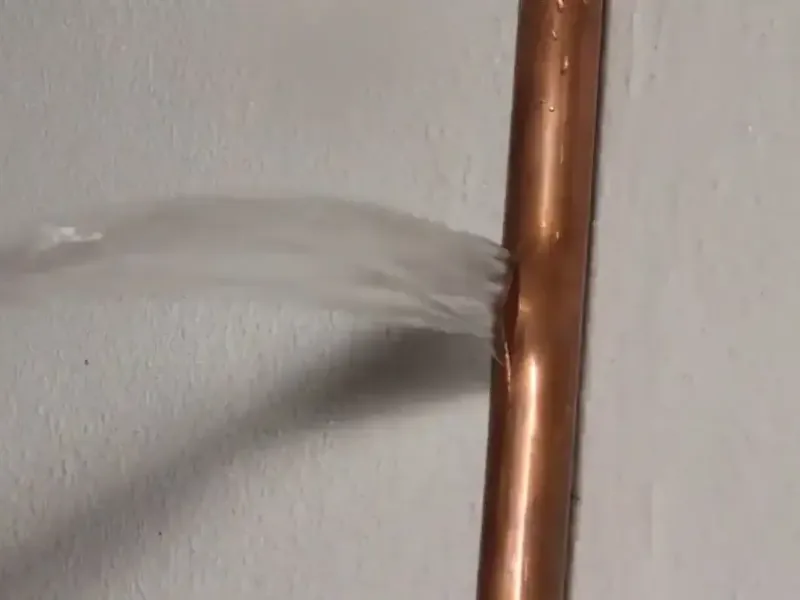
Burst Pipe Water Damage in Fish Hawk
A stopped supply leak leaves wet layers to inspect and dry.
View service details ›Slab Leak Water Damage questions in Fish Hawk, FL
Does damp flooring establish a slab leak by itself?
Damp flooring needs an assessment that considers the actual source and surrounding materials. The plumbing investigation and restoration inspection answer related questions: where water is escaping and what it has affected. The work plan should use those findings together. Cutting into the floor or replacing its covering before that assessment can leave the underlying problem unresolved and obscure useful evidence.
Why can the wet spot appear away from the repair opening?
Water can travel beneath a covering or along an assembly before finding a visible exit at a seam. The moisture inspection follows those connected layers and room edges. The plumbing opening may be small while the affected material area is broader. Both locations belong in the record so the homeowner can understand the difference between source access and restoration access.
Will every room need floor removal?
The observed spread, material condition and access required for treatment determine the removal boundaries. Some surfaces may remain while affected layers elsewhere need exposure. The proposal should explain each decision and identify areas still being monitored. A broad removal recommendation should be tied to findings, just as a narrow repair should account for wet material beyond the obvious seam.
Can the pipe repair and drying happen in a coordinated sequence?
The scopes should be coordinated so source access remains available and escaped water is addressed promptly once conditions permit. The source must be controlled for drying progress to hold. The plan should identify which party handles each opening and when it can be closed. That sequence helps avoid a finished plumbing patch concealing adjacent layers that still require treatment.
What should happen to damp baseboards near the floor?
Trim and the wall material behind it need inspection where water has reached the room edge. Removal may be necessary to expose a wet surface or assess damaged material. The scope should describe the condition and the reason for access. Replacing trim should follow the relevant drying checks so the new piece does not hide a damp wall bottom.
How do permit requirements fit into the work?
The party performing plumbing alterations or construction should assess the actual scope against county requirements. Most construction requires approval and permits. Those responsibilities should be clear in the repair proposal, while cleanup records describe removal and drying separately. Keeping both sets of documents organized helps the homeowner follow the project from source correction through reconstruction of the affected floor.
What shows that the floor is ready for replacement?
Readiness depends on the retained material condition, completion of source work and the requirements of the proposed floor installation. Relevant moisture checks should be assessed before covering the assembly. The handoff should list removed layers, remaining preparation and any area still requiring treatment. Connected wet surfaces need their own final moisture checks before installation proceeds around the repaired opening.
Keep concealed water in the repair scope
Material checks help establish the right point to replace coverings and close affected wall edges.
(888) 621-2041Discuss concealed floor damage