Sewage Backup Cleanup in Fish Hawk
A drain backup changes how a wet room must be handled. Separation, controlled removal and surface cleaning take priority before equipment dries the materials that can safely remain.
(888) 621-2041Arrange a backup assessment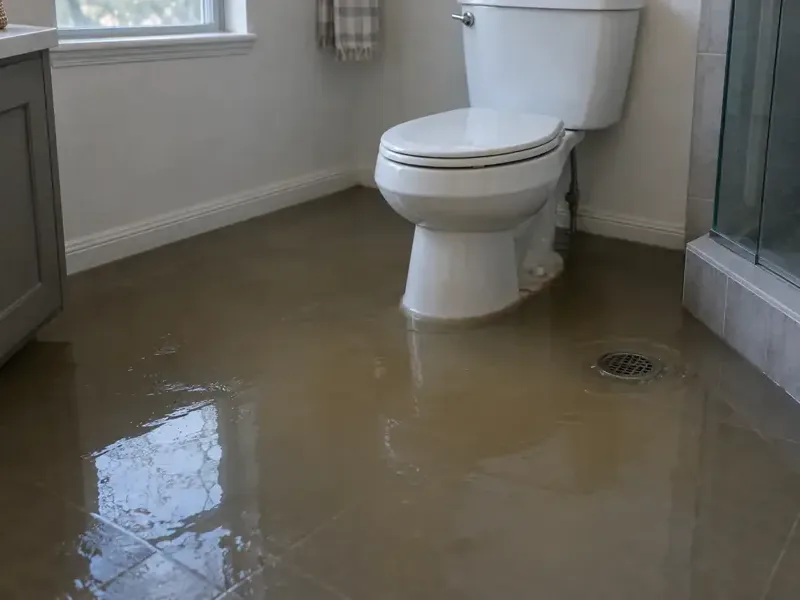
A sewage backup in Fish Hawk can turn a bathroom doorway into a contamination boundary. Footwear, towels and wet contents can carry wastewater into otherwise dry rooms. Keeping that boundary intact matters as much as collecting the visible liquid, especially while a drainage problem remains unresolved.
First steps for sewage backup cleanup
- Close the affected route. People and animals stay out of the wet room while access and fixture restrictions are established for the plumbing and cleanup work.
- Record wastewater contact. Photographs and room notes identify the surfaces and belongings reached by the backup before removal changes the appearance of the affected area.
- Remove unsuitable materials. Absorbent finishes that cannot be effectively cleaned are separated and removed with a controlled route that protects the adjoining dry rooms.
- Clean remaining surfaces. Accessible materials receive the appropriate cleaning before moisture measurements determine the drying required inside the room and adjoining wall bases.
How sewage backup cleanup works
Match scope to the exposure
The inspection separates the wastewater footprint from nearby clean spaces, accounting for tracking, splash and concealed contact at the bottom of affected partitions.
Coordinate a usable repair sequence
Drain assessment and cleanup are scheduled around safe access. Any proposed plumbing changes are identified early so later finish work does not obstruct the necessary repair.
Document the removal decisions
The record explains which finishes remain, which are removed and how the underlying surfaces are accessed, allowing the homeowner to understand the extent of the cleanup.
Check readiness for replacement
Cleaned assemblies receive moisture checks before new finishes are installed. Completion records also identify outstanding plumbing work or other conditions that would prevent normal room use.
Restrict use before tracing the backup
Continued fixture use can add water to an affected drain. The plumbing assessment identifies which fixtures must stay unused and what repair is needed. Cleanup addresses the escaped wastewater and damaged finishes; it should not be mistaken for correction of a blockage or failed connection.
FishHawk Ranch contains several distinct villages, with Park Square Town Center among its common areas. When arranging help for a nearby property, the useful details are the affected fixture, the rooms reached and any shared access. Each building needs its own drainage and cleanup assessment.
Separate the materials by exposure
Hard surfaces and porous finishes behave differently after sewage contact. Carpet, padding and other absorbent materials may require removal so concealed surfaces can be reached. A dry appearance does not settle that decision. The assessment considers the water involved, the depth of exposure and whether effective cleaning is possible.
- Contaminated belongings stay apart from items awaiting routine cleaning or drying.
- Removal routes should avoid carrying wet debris through occupied living spaces.
- Wall cavities need inspection when wastewater reaches the bottom of a partition.
FishHawk Trails is another named development in the community. A cleanup scope there should describe the actual wet rooms, material types and access constraints. Subdivision names help organize the request; the condition of each affected surface determines the treatment.
Sewage Backup Cleanup help
A backup needs a plan for the contaminated room and the drain fault. Describe the affected fixtures, wet finishes and any wastewater that continues to appear.
Coordinate cleaning and plumbing changes
Hillsborough County says a bathroom remodel involving plumbing work would likely require a permit. If the backup leads to alterations, Building Services requirements should be assessed for that work. HillsGovHub offers permit application and status functions, which can help keep the repair paperwork aligned with the proposed scope.
The cleanup record should distinguish drain work, contaminated material removal and surface treatment. That separation makes the sequence easier to follow and prevents a room from being closed while a plumbing problem still needs access.
Keep household fans outside
Occupants should not direct portable fans across sewage or walk through it to retrieve belongings. Children and animals need to remain outside the affected room. Electrical hazards and unstable finishes also require attention before workers enter the wet area.
Dry the surfaces that remain
After removal and cleaning, the remaining structure needs moisture checks and a suitable drying plan. Measured drying work follows the accessible assemblies and records progress before replacement materials cover them. Reoccupying the room requires completion of the cleanup sequence as well as correction of the original drainage fault.
What does sewage backup cleanup cost in Fish Hawk, FL?
Sewage cleanup in Fish Hawk ranges with the wastewater footprint and the finishes involved. Contaminated porous materials, restricted access and concealed contact can enlarge the scope beyond the visible bathroom puddle.
Small hard-floor backup
$1,500 to $3,000
- Accessible hard surfaces
- Limited room exposure
- Controlled water recovery
Multiple wet finishes
$3,000 to $5,500
- Porous material assessment
- Adjoining surface treatment
- Expanded removal route
Extensive contamination
$5,500 to $8,000
- Broad contact area
- Concealed surface access
- Detailed cleanup records
The water damage cost calculator gives an estimate only. The inspection determines the scope, including water category, affected area, material class and drying delay.
Measured care for sewage backup cleanup
Rapid local response
The response team treats spreading water as urgent and gathers the source, room count and safe access details. Dispatch operates 24/7; conditions and availability determine the response.
IICRC S500 drying standard
The drying crew compares affected assemblies with dry reference materials, adjusts equipment to the evaporation load, and records progress. A dry-looking surface alone does not complete the work.
Claim-ready documentation
The technician links photographs to the moisture map and records material removal, equipment placement and drying readings. That record explains the restoration scope without promising an insurer's decision.
Local water experts
A property inspection distinguishes rain entry, an internal supply leak and contaminated outside water. The restoration plan follows the actual source and materials, with access and safety assessed separately.
Sewage backup cleanup in Fish Hawk
Cleanup requests can describe the affected bathroom, utility space or connected living area within ZIP 33547. Access to the room, ongoing fixture use and the presence of contaminated contents help establish containment and removal needs before the work begins.
The same service nearby: sewage backup cleanup in Lithia, Bloomingdale, Valrico.
Related water damage services in Fish Hawk
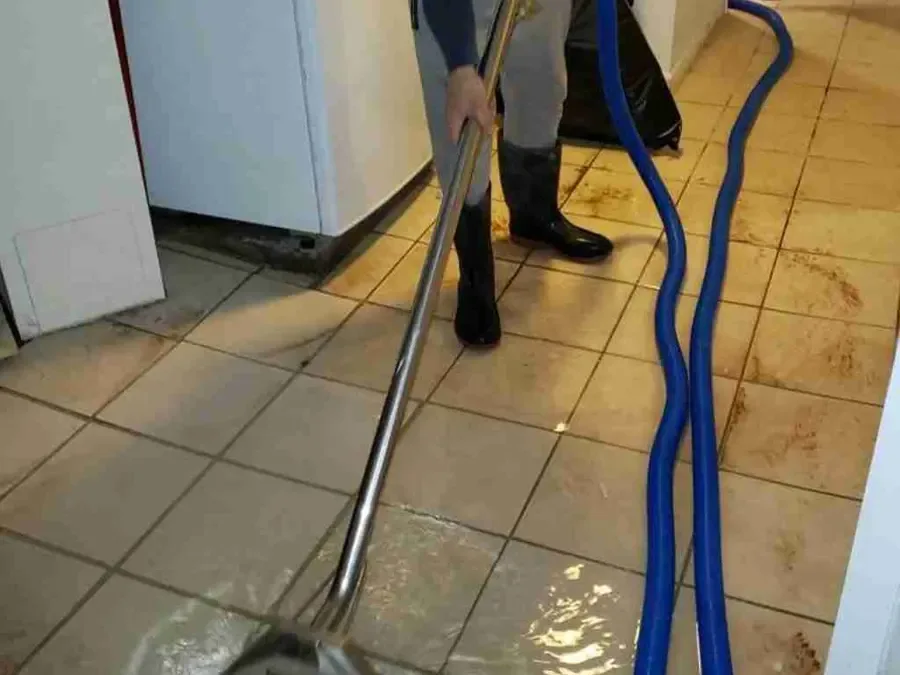
Water Extraction and Removal in Fish Hawk
Standing water removal reaches flooring edges and adjoining rooms.
View service details ›
Structural Drying and Dehumidification in Fish Hawk
Material readings guide airflow, humidity control and drying completion.
View service details ›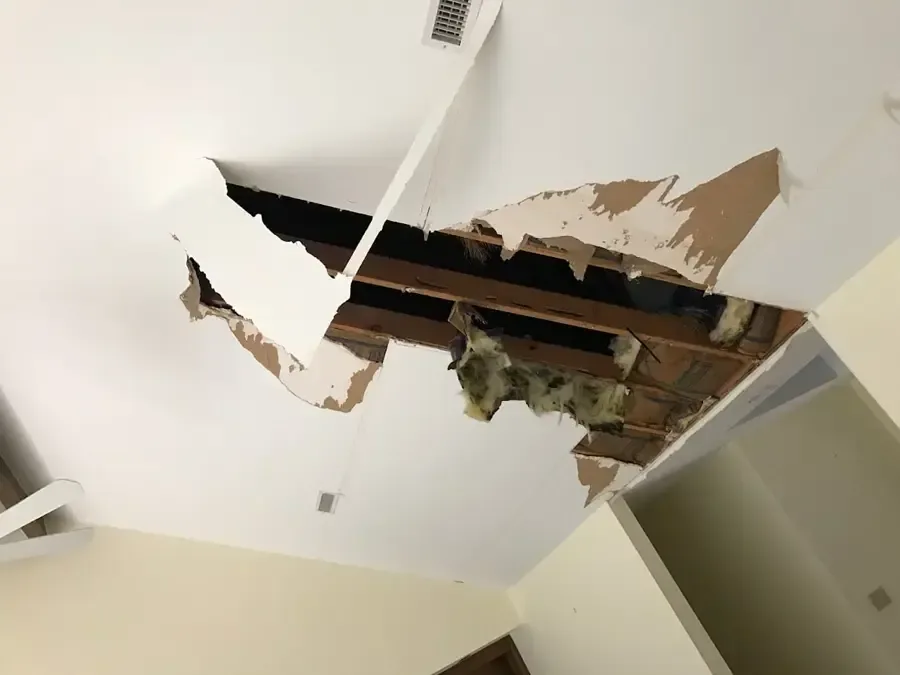
Ceiling Leak Water Damage in Fish Hawk
Sagging ceilings need safe access before damaged material is removed.
View service details ›Sewage Backup Cleanup questions in Fish Hawk, FL
Should every toilet in the house stay unused?
The affected plumbing arrangement determines the restrictions. A plumber should establish which fixtures feed the problem and whether additional use would worsen the backup. Until that assessment, occupants should avoid adding water through suspect drains. The cleanup team needs to know if wastewater is still appearing so removal does not begin against an active incoming flow.
Can contaminated carpet be dried and kept?
Sewage exposure requires a material assessment focused on effective cleaning, including backing and padding. Porous floor coverings often need removal to reach contaminated surfaces underneath. Drying alone does not clean those layers. The written scope should identify what is being removed, why it is unsuitable to retain and how the exposed floor will be treated.
Does cleanup include fixing the blocked drain?
Water recovery and surface treatment address the damage left in the room. The drain fault requires a separate plumbing assessment and correction. Both scopes should be clear before the room is restored. Otherwise, cleaned finishes could be exposed to another release when normal fixture use resumes, and replacement work might hide access needed for the repair.
What should happen to towels used around the spill?
Towels that contacted sewage should be kept apart from routine household laundry and dry possessions. Their handling depends on the exposure and the cleanup assessment. Occupants should avoid carrying dripping items through the home or rinsing them in another room. Photographs can document affected contents from a clean position before the removal route is established.
Will the work require a county permit?
Cleanup and construction are different activities. Permit assessment becomes relevant when the repair scope includes plumbing alterations or rebuilding work. County guidance says bathroom remodeling involving plumbing would likely require a permit. The party doing that work should identify the applicable approval before starting and track its status rather than treating an application as permission to build.
When can the affected room be used again?
Normal use should wait until contaminated materials are handled, the remaining surfaces are cleaned and the drainage fault is corrected. The condition of retained building materials also matters because they may still need drying. The completion discussion should explain any remaining restrictions, including equipment access or unfinished repairs, instead of relying on the room's appearance alone.
What records are useful after a sewage loss?
A clear record includes the discovery details, affected fixtures, photographs of wastewater contact and the materials removed. Separate descriptions of plumbing repair, cleaning and drying make the sequence understandable. Receipts and moisture documentation can accompany that record. Coverage decisions belong to the policy provider, so the homeowner should request claim instructions for the specific loss.
Restore safe use after a backup
A clear scope connects removal, cleaning, drying and the plumbing work needed before normal use.
(888) 621-2041Discuss wastewater contact