Water Extraction in Fish Hawk
A spreading puddle needs more than towels. Extraction collects accessible water while moisture checks trace its path beneath floor edges, through doorways and into materials that still need controlled drying.
(888) 621-2041Discuss the pooled water
Water extraction in Fish Hawk starts with finding where the water can still travel. A puddle beside a doorway may connect to damp carpet in the next room, while the top of a tile floor can hide wet edges beneath cabinets. The inspection follows those connections before equipment placement begins.
First steps for water extraction and removal
- Locate continuing entry. The first inspection checks whether water is still arriving and identifies the safe action needed to stop the spread before extraction starts.
- Clear a working route. Dry belongings move out of the equipment path where practical, while saturated items remain separated for their own handling and condition assessment.
- Recover the pooled water. Extraction passes follow the accessible floor and edges, with attention to shallow pockets hidden beneath movable furnishings and around door transitions.
- Mark what remains wet. Moisture checks after removal identify the wall bases, floor layers and connected rooms that require additional access or a separate drying setup.
How water extraction and removal works
Outline the affected footprint
The room sketch records visible water and instrument readings together so the proposed scope follows the actual spread through the home, including concealed edge areas.
Select suitable extraction tools
The recovery method changes with surface condition, depth and access. The aim is to collect liquid without pushing it farther into adjoining dry materials.
Assess salvageable floor layers
Materials are assessed individually after extraction. Their condition, contamination exposure and ability to dry determine whether they remain or need removal from the room.
Prepare the drying handoff
The final removal record identifies remaining moisture, access restrictions and any source repair still needed, giving the next stage a clear starting point for monitoring.
A room boundary rarely stops a spill
Furniture feet, rugs and floor transitions can conceal a shallow pool. Moving suitable contents to a dry area opens access for extraction and prevents damp items from being returned to a finished surface. The work record should distinguish standing water from moisture already absorbed into the building.
The Alafia River forms the community's northern boundary, and Little Fishhawk Creek is a tributary. At an individual home, the starting questions concern the actual entry point: a leaking fixture, a failed supply connection or water entering from outdoors. That distinction affects handling and the next cleanup steps.
- Doorway thresholds receive checks on both sides of the visible puddle.
- Carpet edges need examination before furniture returns to its previous position.
- Cabinet bases can hold water even when the open floor looks clear.
- Closets adjoining the spill belong on the inspection sketch as well.
Choose removal methods for the surface
A hard floor, fitted carpet and a recessed utility area call for different access decisions. The extraction setup should recover water efficiently while protecting materials that can remain. Carpet padding and other absorbent layers need separate assessment because surface suction alone may leave them heavily saturated.
Boyette Road borders the community on the south. For a property in that part of the area, useful booking details include the entrance available for equipment and whether the water has crossed into adjoining rooms. A nearby road name helps locate the property; the wet floor plan determines the actual work.
Water Extraction and Removal help
Pooled water beside a room transition deserves a wider inspection. Describe where the spill started, which surfaces are wet and whether the source has stopped.
Keep electricity outside the wet work area
Do not enter energized water
Water around outlets, cords or electrical equipment requires a safe electrical assessment. Occupants should stay outside the affected area instead of retrieving a plugged appliance or carrying a household vacuum through the puddle. Equipment operation begins only after the work area is safe.
Extraction ends before the drying job does
Once the floor is clear, remaining moisture readings establish what happens next. The technician checks lower walls, floor seams and connected spaces rather than treating an empty puddle as completion. Structural moisture control addresses the water left inside affected assemblies.
Photographs of the original spread, the removal work and the final wet perimeter create a useful handoff. That record lets the homeowner compare the proposed drying area with the rooms actually affected.
What does water extraction and removal cost in Fish Hawk, FL?
Water extraction in Fish Hawk generally falls within the ranges below. The accessible floor area, hidden wet layers and amount of water to recover shape the scope; material removal and subsequent drying should be clearly itemized.
One contained room
$500 to $1,200
- Open floor access
- Limited wet edges
- Small recovery area
Several connected areas
$1,200 to $2,400
- Linked room checks
- Multiple surface types
- Expanded water recovery
Extensive water removal
$2,400 to $3,500
- Broad pooled water
- Difficult floor access
- Detailed moisture record
The water damage cost calculator gives an estimate only. The inspection determines the scope, including water category, affected area, material class and drying delay.
Measured care for water extraction and removal
Rapid local response
The response team treats spreading water as urgent and gathers the source, room count and safe access details. Dispatch operates 24/7; conditions and availability determine the response.
IICRC S500 drying standard
The drying crew compares affected assemblies with dry reference materials, adjusts equipment to the evaporation load, and records progress. A dry-looking surface alone does not complete the work.
Claim-ready documentation
The technician links photographs to the moisture map and records material removal, equipment placement and drying readings. That record explains the restoration scope without promising an insurer's decision.
Local water experts
A property inspection distinguishes rain entry, an internal supply leak and contaminated outside water. The restoration plan follows the actual source and materials, with access and safety assessed separately.
Water extraction and removal in Fish Hawk
Extraction planning covers the unincorporated community and ZIP 33547. Property access, the depth of collected water and safe equipment placement shape the work. A description of the affected rooms helps establish the initial inspection route before furniture or flooring moves.
The same service nearby: water extraction and removal in Lithia, Bloomingdale, Valrico.
Related water damage services in Fish Hawk

Structural Drying and Dehumidification in Fish Hawk
Material readings guide airflow, humidity control and drying completion.
View service details ›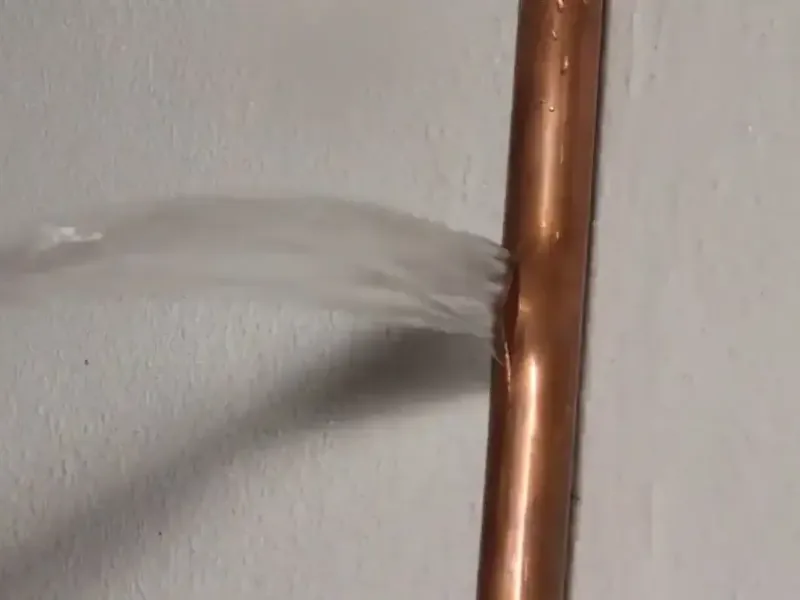
Burst Pipe Water Damage in Fish Hawk
A stopped supply leak leaves wet layers to inspect and dry.
View service details ›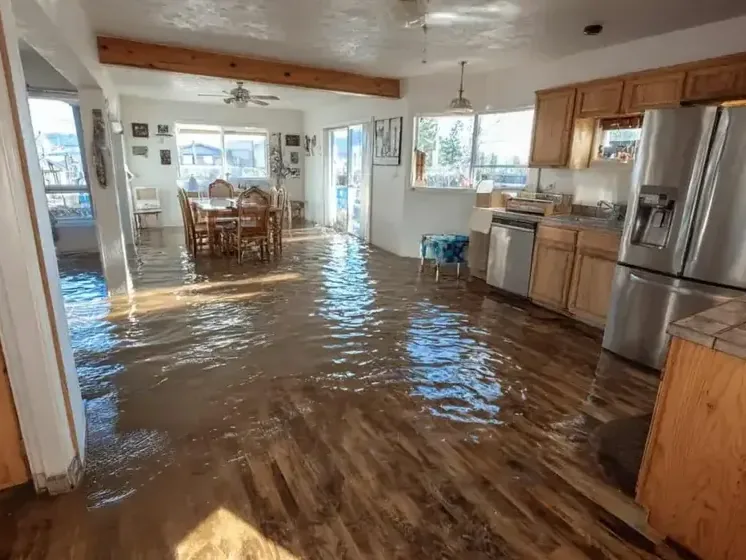
Storm and Flood Cleanup in Fish Hawk
Outside floodwater needs an entry assessment and a cleanup plan.
View service details ›Water Extraction and Removal questions in Fish Hawk, FL
Does a clear floor mean extraction solved everything?
A clear walking surface marks progress, but moisture may remain in padding, wood joints or wall bottoms. The next decision comes from checking those materials. A written drying scope should identify the remaining wet areas and explain how they will be monitored. Furniture and rugs should wait until the relevant surfaces are ready for normal use.
Can a household vacuum collect the puddle?
An ordinary vacuum is unsuitable for water recovery and can create an electrical hazard. Even equipment designed to collect liquid requires safe power and an assessment of the water involved. The homeowner's useful first action is to keep people away from the wet area, identify an accessible safe shutoff and arrange assessment of the affected rooms.
How are wet rugs handled during removal?
A wet rug can hold water against the floor beneath it. Its condition and the water exposure determine whether it can be moved for separate treatment. Documentation should include the rug and the underlying surface before work changes their appearance. A rug should not simply be rolled into a dry room where moisture could affect another floor.
Does water near the creek need different treatment?
The source of the water controls handling. Outdoor water entering the building requires a different assessment from a recently discovered indoor supply leak. The inspection should establish the entry path and condition of affected materials. Geographic surroundings help describe the property, while the cleanup decisions follow what actually entered the room and where it spread.
Will extraction require removing every floor covering?
Removal depends on the covering, its backing, contamination and trapped moisture. Some materials can remain during treatment, while others prevent access to wet layers below. The proposed scope should explain each removal decision and preserve a record of the conditions found. A blanket decision based only on the appearance of the exposed floor is insufficient.
What information helps when arranging water removal?
Useful details include whether the source is stopped, which rooms contain water and whether electrical equipment is involved. Access restrictions and heavy contents also affect setup. Photos taken from a dry, safe location can show the initial extent. No occupant needs to enter standing water or disturb a damaged ceiling just to obtain a better picture.
What comes after the last extraction pass?
The remaining moisture map becomes the basis for drying, cleaning and any material removal still needed. Equipment placement should follow the affected assemblies, with checks that show whether moisture is decreasing. The homeowner should receive a clear explanation of what remains wet and which repairs must be completed before the building can be put back together.
Clear water before replacing belongings
A removal assessment connects the visible puddle with the concealed moisture still needing attention.
(888) 621-2041Assess the wet floor