Burst Pipe Water Damage in Fish Hawk
A stopped pipe can leave a moving problem inside the house. Released water follows wall openings and floor joints, so cleanup needs to trace the route beyond the visible break.
(888) 621-2041Discuss the escaped pipe water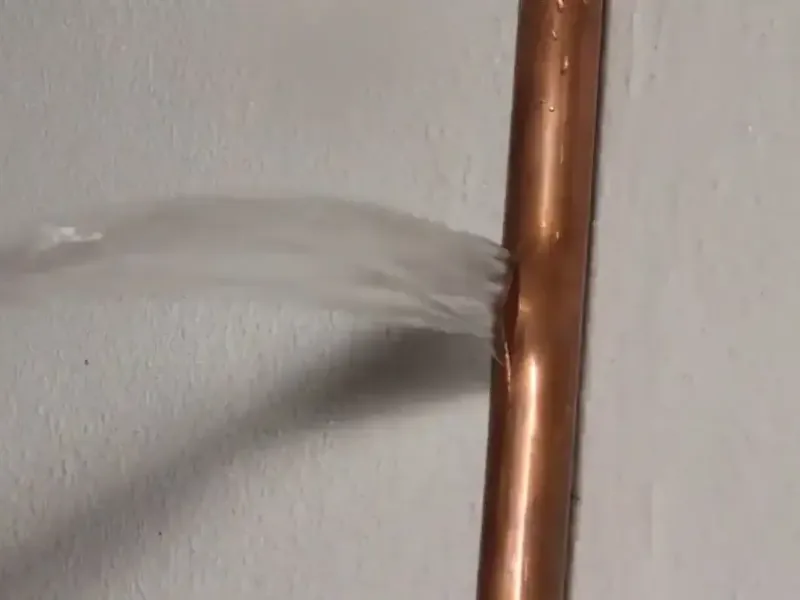
The loud part of a burst pipe may end at the shutoff, but water already inside a wall can continue draining into lower materials. Fish Hawk pipe damage cleanup follows that delayed movement. A repaired fitting and a dry patch of visible floor are separate milestones from a dry building.
First steps for burst pipe water damage
- Confirm source isolation. The assessment establishes whether the supply has been stopped and whether the damaged area remains safe to enter before any recovery equipment is placed.
- Trace connected cavities. Inspection follows the pipe opening into adjoining walls and floor edges, recording wet materials even where the visible surface has not changed.
- Recover released water. Accessible liquid is collected while wet contents are separated and any necessary material removal is coordinated with access needed for the plumbing repair.
- Hold patches until ready. Drying checks determine when the exposed assembly can be closed, with outstanding source work and wet layers identified before finish installation begins.
How burst pipe water damage works
Build a release path sketch
The inspection connects the break to the affected floor plan, using visible marks and material readings to capture water movement beyond the immediate plumbing opening.
Align the work boundaries
The plumber's repair area and the restoration area are assessed together so neither activity blocks essential access or leaves a wet cavity hidden behind new finishes.
Adjust access as readings change
Drying progress is checked at the materials that absorbed water. Areas that remain wet receive further assessment for restricted airflow, trapped layers or renewed leakage.
Document a sound handoff
The closing record pairs source repair information with drying results and removal notes, showing which areas are ready for reconstruction and what work remains outside cleanup.
Follow the release from its highest wet point
A supply break above a cabinet can wet shelves, wall lining and floor edges in the same event. The inspection begins around the repair opening and follows gravity and connected cavities. Adjacent rooms receive checks where the affected wall continues, even if their painted surfaces look unchanged.
FishHawk Ranch and FishHawk Trails developed in the 1990s. For a home in either development, the current plumbing layout and observed break determine the repair access. Prior alterations, concealed fittings and the actual assembly around the pipe matter during the inspection.
Keep repair access separate from drying access
A plumber may need a small opening to replace a fitting, while drying requires a wider view of wet insulation or the bottom of the cavity. Those needs should be discussed together. Closing the repair opening before moisture checks can leave affected materials trapped behind a freshly patched wall.
- Record the repaired pipe location before any surrounding finishes are replaced.
- Check the opposite face of walls containing the failed connection.
- Inspect floor transitions where released water entered a different covering.
- Separate wet stored belongings from dry contents in nearby cabinets.
Starling at FishHawk was previously undeveloped wildlife habitat. Its homes still require individual inspections after a pipe release, with attention to the rooms reached rather than assumptions about construction. A useful damage sketch labels the source opening and follows each wet connection through the interior.
Burst Pipe Water Damage help
The repaired pipe is only one part of the loss. Identify the break location, shutoff status and rooms showing water so the inspection can follow the full release.
Make the first cleanup decisions safely
Avoid unsafe shutoff access
An occupant should not cross water near electrical equipment to reach a valve. A hot water release also adds a burn hazard. The safe response is to keep the area clear and arrange source isolation by someone able to access it safely.
After source control, floor water removal can reduce the amount available to soak into nearby materials. Damaged ceiling sections or saturated wall finishes need assessment before anyone works directly beneath or beside them.
Save the moisture record with the repair record
The documentation should connect the plumbing event with the affected rooms. Photographs, removed material notes and repeat readings explain why the drying footprint may exceed the repair opening. That detail is useful when planning reconstruction and comparing the proposed work with the actual loss.
The last drying check belongs before enclosure. Once wet materials meet the agreed drying criteria, the repair can proceed without hiding an unresolved moisture pocket behind trim or wallboard.
What does burst pipe water damage cost in Fish Hawk, FL?
Burst pipe cleanup in Fish Hawk depends on where the supply water traveled. A contained spill differs from a release inside walls or across several rooms; the estimate should distinguish plumbing repair from removal, drying and finish replacement.
Contained supply spill
$800 to $2,000
- Accessible wet floor
- Narrow moisture footprint
- Limited content movement
Wall and floor involvement
$2,000 to $4,500
- Wet cavity access
- Connected surface checks
- Multiple material types
Multiple-room release
$4,500 to $7,000
- Wider room involvement
- Concealed moisture tracking
- Expanded drying setup
The water damage cost calculator gives an estimate only. The inspection determines the scope, including water category, affected area, material class and drying delay.
Measured care for burst pipe water damage
Rapid local response
The response team treats spreading water as urgent and gathers the source, room count and safe access details. Dispatch operates 24/7; conditions and availability determine the response.
IICRC S500 drying standard
The drying crew compares affected assemblies with dry reference materials, adjusts equipment to the evaporation load, and records progress. A dry-looking surface alone does not complete the work.
Claim-ready documentation
The technician links photographs to the moisture map and records material removal, equipment placement and drying readings. That record explains the restoration scope without promising an insurer's decision.
Local water experts
A property inspection distinguishes rain entry, an internal supply leak and contaminated outside water. The restoration plan follows the actual source and materials, with access and safety assessed separately.
Burst pipe water damage in Fish Hawk
For homes in ZIP 33547, a pipe loss assessment starts with the shutoff status and affected rooms. Clear access to the break and adjoining wall faces helps identify water paths that may continue beyond the location of the repaired fitting.
The same service nearby: burst pipe water damage in Lithia, Bloomingdale, Valrico.
Related water damage services in Fish Hawk
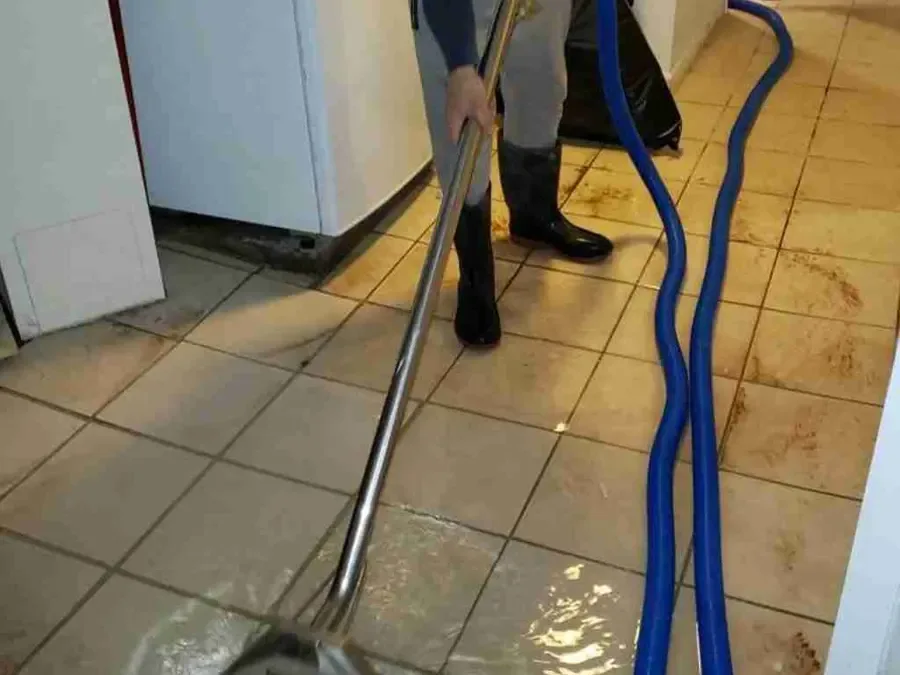
Water Extraction and Removal in Fish Hawk
Standing water removal reaches flooring edges and adjoining rooms.
View service details ›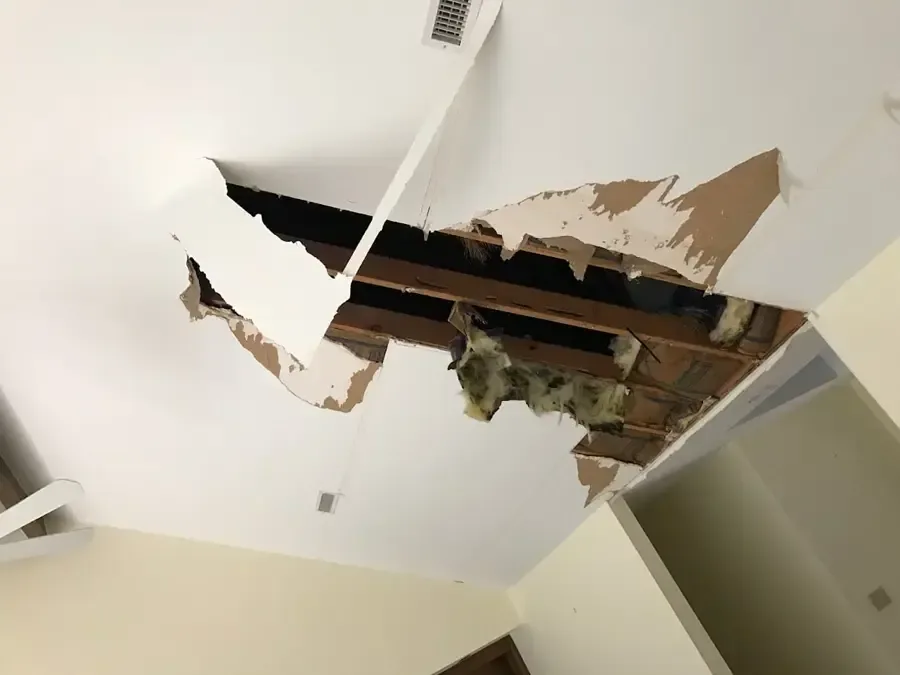
Ceiling Leak Water Damage in Fish Hawk
Sagging ceilings need safe access before damaged material is removed.
View service details ›
Structural Drying and Dehumidification in Fish Hawk
Material readings guide airflow, humidity control and drying completion.
View service details ›Burst Pipe Water Damage questions in Fish Hawk, FL
Why is water still appearing after the supply stops?
Water retained above a ceiling or within a cavity can continue draining after the pipe is isolated. The inspection follows that stored water and checks whether the source is fully controlled. A new puddle does not automatically mean the same fitting is still leaking, but it does require attention before the affected area is considered stable.
Does the plumber's patch finish the damage repair?
Repairing the pipe stops the source. The surrounding wall, insulation and flooring may need separate drying or removal before the patch is completed. The repair sequence should leave enough access for those tasks. Moisture measurements at the affected materials provide a better basis for closure than the condition of the replacement fitting or the visible wall surface.
Should the whole room be emptied immediately?
Contents movement should follow safety and the actual wet area. Dry items can sometimes be relocated to open an equipment route, while saturated belongings need separate assessment. Heavy furniture resting on weakened flooring should not be moved casually. Photographs before movement also help preserve a record of the original spread and the condition of affected belongings.
Can the neighborhood indicate what pipe failed?
The failed section has to be examined at the property. The useful information is the location of the break, current material, surrounding fittings and repair history available from the owner. Those details help the plumber define the source work. Restoration then follows the escaped water through the building rather than extending conclusions from the neighborhood's development period.
What if the break is behind a kitchen cabinet?
Access planning should account for the cabinet interior, backing, toe kick and adjoining wall. Water may run down behind the unit before appearing on the floor. The assessment determines which parts can remain and how the hidden surface will dry. Repair access alone may not expose every damp area, so measurements around the cabinet matter.
How is the drying area decided after a pipe burst?
The drying footprint comes from the measured spread through walls, floors and adjoining spaces. Visible puddles are only part of that picture. Materials that absorb water at different rates may need different access or equipment arrangements. The written scope should explain the included rooms, the assemblies being monitored and any changes discovered as the work progresses.
What should the homeowner keep for the loss record?
Useful records include discovery photographs, the plumber's description of the failed part, cleanup invoices and moisture readings before enclosure. Notes about the first wet rooms can help explain the release path. The policy provider can specify claim requirements. A complete record should distinguish the original pipe repair from the separate work needed to restore affected building materials.
Finish drying before the wall closes
A connected repair and moisture record helps keep concealed wet materials visible in the scope.
(888) 621-2041Plan the cavity assessment