Roof Leak Water Damage in Fish Hawk
A ceiling stain can sit away from the roof opening that caused it. Interior cleanup follows the wet route through the attic, insulation and room finishes while exterior repairs address entry.
(888) 621-2041Assess the rain entry path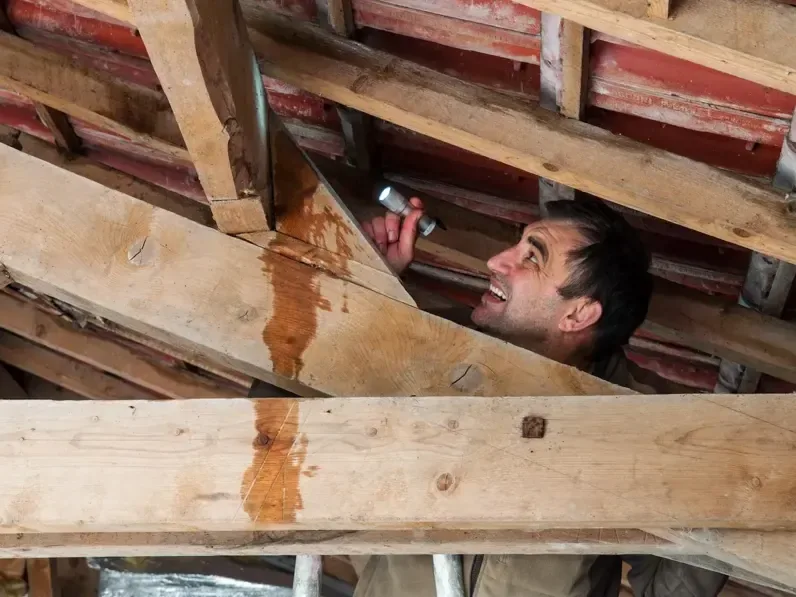
Roof leak water damage in Fish Hawk often first becomes visible on a room ceiling. The interior assessment works upward from that mark, checking the materials through which rainwater traveled. A patch on the roof and a coat of ceiling paint cannot substitute for examining the damp assembly between them.
First steps for roof leak water damage
- Locate indoor symptoms. The inspection records ceiling marks, drips and wet contents while identifying which overhead areas require restricted access until their condition can be assessed.
- Inspect the attic route. Safe access allows examination of insulation and framing along the rain path, connecting concealed wet materials with the visible damage in the room.
- Coordinate roof protection. The exterior repair status is documented so interior removal and drying proceed with a clear understanding of any continuing exposure to additional rain.
- Verify before finishing. Remaining materials receive moisture checks before insulation and ceiling finishes are replaced, with unresolved damp pockets kept visible in the reconstruction scope.
How roof leak water damage works
Build an attic to room record
The assessment links photographs and moisture readings across the affected assembly, showing how rainwater reached the room and which materials need treatment above the ceiling.
Preserve access for separate trades
Roof repair, electrical assessment and interior restoration require different access. The sequence keeps those needs clear so a completed task does not conceal unfinished work elsewhere.
Dry retained framing deliberately
Air movement and moisture removal are directed toward the exposed wet assembly, with repeat checks used to identify slow areas and adjust the interior drying arrangement.
Assess the reconstruction boundary
Before finishes return, the homeowner can assess removal notes, drying results and the roof repair status together, distinguishing a dry interior from any remaining exterior work.
A stain is a starting point for inspection
Rainwater can travel along framing before dropping onto insulation or ceiling board. The attic inspection therefore needs a safe route and a wider view than the stain directly below. Wet insulation, softened board and damp framing each call for their own decision about access, retention and drying.
Newsome High School opened in 2003 as the area grew. Nearby homeowners arranging an assessment can use a familiar landmark to describe the location, then focus on the affected room and the roof work already completed. Interior moisture checks follow the specific building rather than a development date.
Coordinate the work above and below
The roof repair addresses the opening exposed to weather. Interior restoration addresses the materials reached by that water. Those scopes should meet at a clear handoff: whether the entry is controlled, which areas remain wet and what access must remain available for each trade.
Hillsborough County requires approval and permits for most construction. The actual roof or reconstruction scope should receive the appropriate assessment through Building Services. Keeping repair documents with the indoor moisture record helps the homeowner track both parts of the work.
- Photographs can connect the ceiling stain with damp materials found above it.
- Insulation needs its own assessment before it hides framing during reassembly.
- Dripping near a ceiling fixture requires attention to electrical safety.
- Replacement ceiling finishes should wait for documented drying of retained materials.
Roof Leak Water Damage help
A rain mark can conceal a longer wet path above the room. Describe the ceiling symptoms and the status of any exterior protection before planning interior repairs.
Protect the room without entering the attic
Keep clear of weak ceiling sections
A sagging or softened ceiling can fail under the weight of retained water. Occupants should avoid standing beneath it or trying to drain it with a sharp object. Attic entry also needs safe footing and an assessment of damaged materials and electrical hazards.
The Lake House and Osprey Club are common areas within FishHawk Ranch. For homes described in relation to those landmarks, inspection planning still starts with the specific wet room, access hatch and observed dripping. Useful location details support access without replacing the building assessment.
Finish with the hidden surfaces dry
Ceiling water damage treatment may be needed where the rain path has softened the overhead finish. Before reconstruction, the record should show which materials were removed and how retained framing and wall sections responded to drying.
If a fresh stain or drip appears during the work, the source protection needs another inspection. The final interior check should support enclosure only after the wet path has been addressed from entry to room.
What does roof leak water damage cost in Fish Hawk, FL?
Roof leak cleanup in Fish Hawk varies with attic access, wet insulation and the ceiling area affected. These ranges address interior damage scale; roof repair and replacement finishes should have separate descriptions in the work proposal.
Small ceiling area
$800 to $1,800
- Limited overhead stain
- Accessible wet material
- Focused interior inspection
Attic and ceiling wetness
$1,800 to $3,500
- Insulation condition assessment
- Connected assembly drying
- Room protection needs
Several affected bays
$3,500 to $5,500
- Wider attic spread
- Multiple ceiling openings
- Expanded moisture monitoring
The water damage cost calculator gives an estimate only. The inspection determines the scope, including water category, affected area, material class and drying delay.
Measured care for roof leak water damage
Rapid local response
The response team treats spreading water as urgent and gathers the source, room count and safe access details. Dispatch operates 24/7; conditions and availability determine the response.
IICRC S500 drying standard
The drying crew compares affected assemblies with dry reference materials, adjusts equipment to the evaporation load, and records progress. A dry-looking surface alone does not complete the work.
Claim-ready documentation
The technician links photographs to the moisture map and records material removal, equipment placement and drying readings. That record explains the restoration scope without promising an insurer's decision.
Local water experts
A property inspection distinguishes rain entry, an internal supply leak and contaminated outside water. The restoration plan follows the actual source and materials, with access and safety assessed separately.
Roof leak water damage in Fish Hawk
Interior rain damage assessments serve the community's affected homes and accessible storage areas. A request can identify the stained room, whether dripping continues and any completed roof protection, helping coordinate inspection around safe attic access and the remaining exterior repair work.
The same service nearby: roof leak water damage in Lithia, Bloomingdale, Valrico.
Related water damage services in Fish Hawk
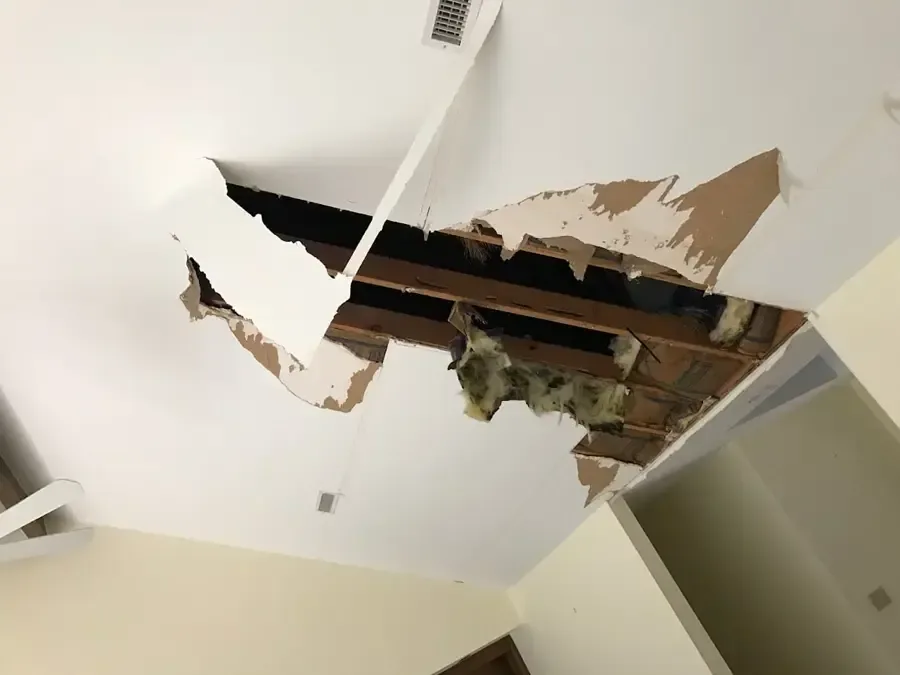
Ceiling Leak Water Damage in Fish Hawk
Sagging ceilings need safe access before damaged material is removed.
View service details ›
Structural Drying and Dehumidification in Fish Hawk
Material readings guide airflow, humidity control and drying completion.
View service details ›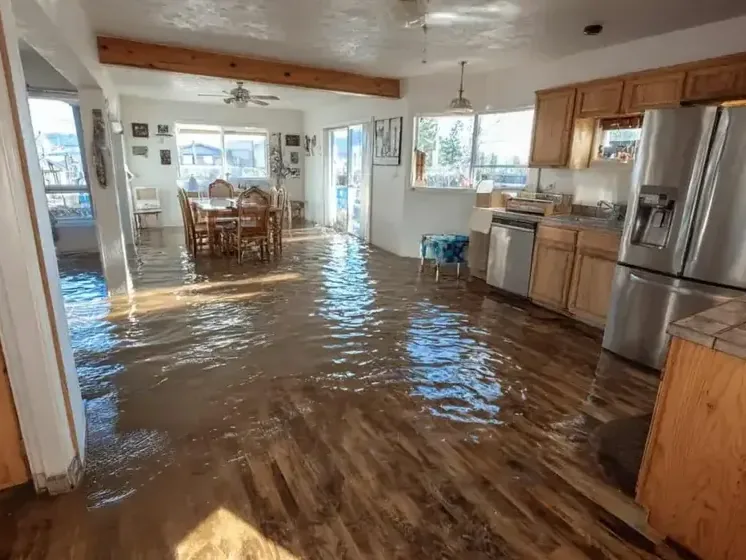
Storm and Flood Cleanup in Fish Hawk
Outside floodwater needs an entry assessment and a cleanup plan.
View service details ›Roof Leak Water Damage questions in Fish Hawk, FL
Why is the ceiling stain away from the roof opening?
Rainwater can move along framing or other surfaces before reaching the room below. The inspection should follow the damp route through the attic rather than limiting attention to the stain. That approach helps locate wet insulation and concealed materials between the entry and the visible damage. The roof repair and interior record should describe their respective findings.
Is a roof patch enough to start repainting?
The exterior patch may stop new entry, but materials already soaked inside still need assessment. Ceiling board, insulation and framing can retain moisture after dripping ends. Repainting should follow the appropriate drying and repair sequence. A clear completion record identifies the retained materials that were checked and any damaged finishes that require replacement before decoration begins.
Should a homeowner climb into the attic to take pictures?
Attic entry requires safe footing and awareness of electrical and structural hazards. An occupant should not cross damaged ceiling sections or unstable surfaces to obtain photographs. Pictures from the occupied room can document visible marks from a safe location. The interior assessment can then establish whether and how the attic is accessible for a closer examination.
Will soaked insulation need to come out?
The decision depends on its condition, exposure and effect on access to wet materials. Insulation can conceal framing and retain water against adjacent surfaces. The proposed scope should identify any removal and explain how the assembly beneath will be checked. Retained insulation should be assessed as part of the drying plan rather than ignored because the ceiling looks better.
Who handles approval for roof or interior construction?
The party performing construction should establish the applicable county requirements for the actual scope. Most construction requires Building Services approval and permits. The homeowner can keep those records alongside the restoration documentation. Interior cleanup, exterior repair and reconstruction should be separately described so their responsibilities remain clear throughout the work and no access needs are overlooked.
What if the ceiling is wet near a light fixture?
The room needs an electrical safety assessment before anyone touches the fixture or works in nearby water. Occupants should stay clear of wet electrical components and avoid placing ordinary fans beneath an active drip. The drying plan should account for safe power and overhead condition, while the source repair prevents additional water from reaching the same location.
How can the homeowner tell interior drying is complete?
Completion should rely on material readings and an inspection of the affected assembly, not solely the disappearance of a ceiling mark. The record should identify the locations checked, removed materials and any remaining repair needs. Assessing those results with the roof repair status helps establish whether the space is ready for insulation, ceiling reconstruction and normal use.
Connect the roof repair with interior drying
Moisture checks keep damp insulation and framing visible before the ceiling is rebuilt.
(888) 621-2041Arrange a rain damage assessment