Water Heater Leak Cleanup in Fish Hawk
Water escaping a heater can collect behind the tank before reaching a visible doorway. Cleanup checks the enclosure, wall bases and adjoining floor after the water and energy sources are safely controlled.
(888) 621-2041Assess water around the heater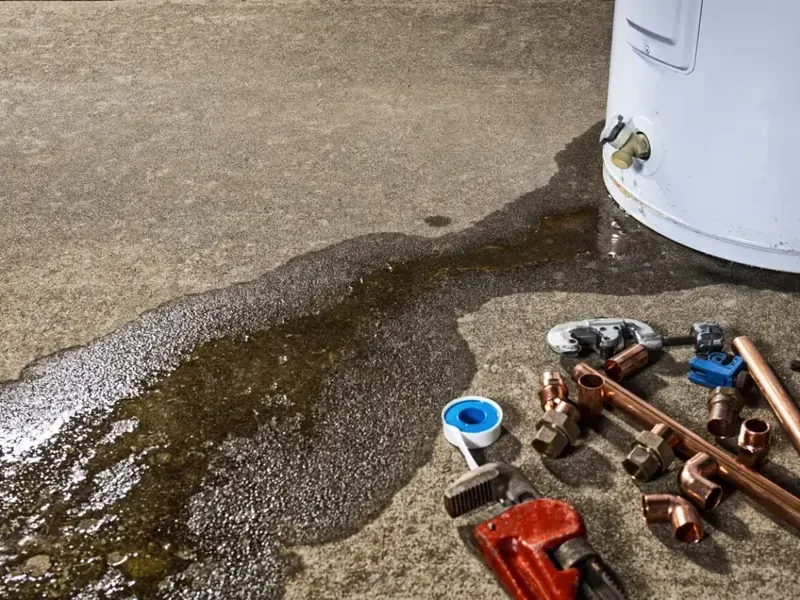
A water heater leak in Fish Hawk can leave a narrow wet space that is difficult to inspect while the appliance remains in place. The visible puddle may be outside the enclosure, while the most saturated material sits behind the tank. Cleanup planning needs to account for both locations.
First steps for water heater leak cleanup
- Establish safe source control. The initial assessment confirms that water and appliance energy can be safely controlled before anyone works beside the tank or enters the surrounding wet area.
- Inspect the enclosure perimeter. Moisture checks examine the floor beneath accessible edges, adjacent wall bases and any doorway where the spill escaped into another part of the building.
- Coordinate tank movement. If repair requires moving the appliance, the cleanup sequence includes inspection of newly exposed surfaces before replacement equipment blocks access to the enclosure again.
- Complete the material assessment. After water recovery, retained surfaces receive drying attention and repeat checks, with removal or reconstruction needs recorded separately from the appliance replacement work.
How water heater leak cleanup works
Connect the visible puddle to hidden surfaces
The inspection traces water back toward the tank footprint and along the enclosure, identifying where the appliance or stored items restrict access to affected materials.
Separate appliance and building scopes
The repair proposal identifies source work, replacement requirements and restoration tasks so the homeowner can follow responsibilities and scheduling while distinguishing their completion points.
Use open access while it is available
Surfaces uncovered during appliance removal are photographed and checked promptly, allowing treatment decisions before a new unit, platform finish or enclosure panel obscures the area.
Assess the enclosure before closeout
Final material checks and the repair status are considered together, with outstanding wet areas or finish work clearly identified before the storage space returns to normal use.
The tank footprint needs its own inspection
A base, platform or nearby wall can retain water after the open floor is cleared. Once safe access is available, the assessment checks those surfaces and follows any damp edge into adjacent rooms. Moving or replacing the heater may reveal damage that was hidden during the first inspection.
The Palmetto Club is a clubhouse within FishHawk Ranch, which also includes lakes and ponds. For a nearby home reporting a heater leak, the useful details concern the enclosure and the route of escaping water. The drying setup follows the materials reached inside the building.
Arrange the source work around access
The appliance fault and its water supply need qualified assessment. Cleanup handles the escaped water and wet building materials. If replacement is needed, the schedule should leave an opportunity to inspect behind the tank before another unit obscures the same surfaces.
Hillsborough County requires approval and permits for most construction. The proposed replacement or alteration should receive assessment for the applicable requirements. HillsGovHub offers application and status functions, allowing the repair paperwork to remain organized alongside the moisture record.
- Check wall bottoms where water collected against the heater enclosure.
- Inspect floor joints leading toward nearby storage or occupied rooms.
- Record concealed surfaces exposed during tank removal before replacement begins.
- Keep wet stored items separate from belongings that remained outside the spill.
Water Heater Leak Cleanup help
Water behind a heater needs attention before replacement equipment hides it. Describe the tank location, the spill route and any appliance work already arranged for the property.
Treat source controls as part of safety
Hot water and energy add hazards
A leaking heater can involve hot water and electrical or fuel-related equipment. Occupants should avoid touching wet controls or crossing the spill to operate unfamiliar valves. Source isolation belongs with someone able to assess and control the appliance safely.
The Aquatic Center is another amenity in FishHawk Ranch. A property description using that landmark can help identify the location, while a description of the tank setting helps prepare the inspection. Photographs from a dry area can show the spread without requiring anyone to handle the appliance.
Do not hide a wet enclosure behind replacement work
The moisture check after standing water recovery determines whether wall bases or floor layers need further access. The work record should distinguish tank repair, water removal and drying so each part has a clear completion point.
Before trim or enclosure finishes return, retained materials should be assessed against the drying goal. That final check keeps a clean replacement installation from concealing an unresolved wet patch left by the original leak.
What does water heater leak cleanup cost in Fish Hawk, FL?
Water heater cleanup in Fish Hawk is shaped by enclosure access and the rooms reached by escaped water. These ranges cover the damage footprint; the heater repair or replacement should be separately identified in the estimate.
Contained enclosure spill
$600 to $1,400
- Accessible tank surround
- Limited floor wetness
- Small drying area
Adjoining room wetness
$1,400 to $2,700
- Doorway moisture spread
- Wet wall bases
- Connected room checks
Wider tank-water damage
$2,700 to $4,000
- Multiple affected materials
- Restricted enclosure access
- Broader drying monitoring
The water damage cost calculator gives an estimate only. The inspection determines the scope, including water category, affected area, material class and drying delay.
Measured care for water heater leak cleanup
Rapid local response
The response team treats spreading water as urgent and gathers the source, room count and safe access details. Dispatch operates 24/7; conditions and availability determine the response.
IICRC S500 drying standard
The drying crew compares affected assemblies with dry reference materials, adjusts equipment to the evaporation load, and records progress. A dry-looking surface alone does not complete the work.
Claim-ready documentation
The technician links photographs to the moisture map and records material removal, equipment placement and drying readings. That record explains the restoration scope without promising an insurer's decision.
Local water experts
A property inspection distinguishes rain entry, an internal supply leak and contaminated outside water. The restoration plan follows the actual source and materials, with access and safety assessed separately.
Water heater leak cleanup in Fish Hawk
A heater cleanup request within the community should identify the tank location, whether water is still escaping and the adjoining rooms affected. Safe equipment access and the replacement schedule help coordinate removal, drying and the work needed behind the appliance.
The same service nearby: water heater leak cleanup in Lithia, Bloomingdale, Valrico.
Related water damage services in Fish Hawk

Water Extraction and Removal in Fish Hawk
Standing water removal reaches flooring edges and adjoining rooms.
View service details ›
Structural Drying and Dehumidification in Fish Hawk
Material readings guide airflow, humidity control and drying completion.
View service details ›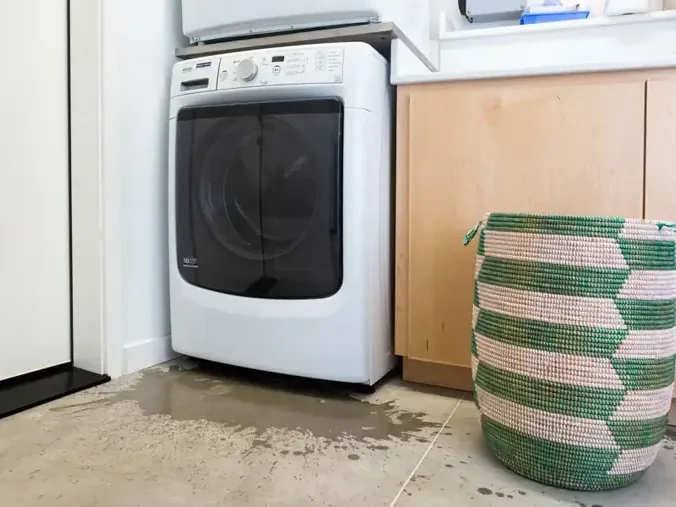
Appliance Leak Water Damage in Fish Hawk
Hidden moisture beneath appliances calls for careful access.
View service details ›Water Heater Leak Cleanup questions in Fish Hawk, FL
Does replacing the heater resolve the wet enclosure?
A replacement addresses the appliance source, while the surrounding building materials need their own assessment. Water may remain beneath a platform, at wall bases or under adjacent flooring. The replacement schedule should include access to those areas. The homeowner should receive separate descriptions of the appliance work and the cleanup required to restore the enclosure around it.
Should a homeowner operate a wet heater control?
Wet controls and nearby electrical or fuel-related equipment require a safe assessment. Occupants should not touch the appliance or cross standing water to reach an unfamiliar control. Hot water can also create a burn hazard. The useful first step is to keep the area clear and arrange source isolation with someone able to handle the equipment safely.
Why inspect behind the tank if the puddle is outside?
The visible puddle may be where water escaped from a confined enclosure. Surfaces behind the tank can stay wet longer because access and airflow are limited. Inspection after safe movement or removal can reveal the actual footprint. Those findings help determine whether drying, material removal or repair is needed before replacement equipment returns to the same location.
Can stored boxes remain in a wet heater closet?
Wet stored items can retain moisture against floors and walls, making the building harder to assess. Their condition should be documented and they should be separated from dry possessions where safe. Cardboard and other absorbent contents need their own handling decisions. The access route around the appliance should remain clear for source repair, extraction and the enclosure inspection.
Is county approval relevant to a heater replacement?
The applicable requirements depend on the proposed replacement or alteration. Most construction in the county requires approval and permits, so the party performing the work should assess the actual scope with Building Services. HillsGovHub provides application and status functions. Cleanup documentation can remain separate while the homeowner keeps the repair and approval records together for the completed project.
What if water reached the room beside the enclosure?
The inspection should follow the connecting floor edge and wall bases into that room. A narrow doorway can hide moisture beneath trim or a change in floor covering. Removing the puddle beside the tank does not address every connected surface. The proposed drying area should explain which adjoining materials are affected and how they will be monitored before finishes return.
When should enclosure trim or wallboard be replaced?
Replacement should follow the assessment and drying of retained materials, along with completion of source work that needs access. Moisture readings at the affected surfaces support that decision. Closing the enclosure too early can hide damp areas behind the appliance or new trim. The final record should distinguish areas ready for reconstruction from any remaining work around the installation.
Leave room for the drying work
A coordinated sequence makes the concealed surfaces accessible between source repair and final enclosure finishes.
(888) 621-2041Plan tank spill cleanup