Structural Drying in Fish Hawk
Dry air in a room does not settle the condition inside a wall. Structural drying follows material readings, adjusting access and equipment until retained assemblies reach the planned drying criteria.
(888) 621-2041Assess the material drying needs
Structural drying in Fish Hawk is a measured process for the water that remains after a spill is collected. A room can look orderly while its wall bottom or floor backing stays damp. The drying plan should identify those materials and make their progress visible through a consistent measurement record.
First steps for structural drying and dehumidification
- Establish a moisture baseline. The inspection records affected materials and useful comparison locations, giving the drying plan a starting point that can be revisited during follow-up checks.
- Prepare suitable material access. Wet layers are assessed for retention and any openings needed for effective drying, with the source condition assessed before equipment begins sustained operation.
- Operate a controlled setup. Air movement and moisture removal are arranged around the wet assemblies, preserving safe room access and explaining the operating conditions needed for consistent progress.
- Check before reconstruction. Repeat readings and material condition establish whether the drying criteria have been met, with unfinished treatment identified before new finishes cover the affected area.
How structural drying and dehumidification works
Map materials with different drying needs
The work record distinguishes framing, wall finishes and floor layers so the equipment plan accounts for how each affected assembly can release the moisture it contains.
Define the monitored work area
The drying zone and measurement locations are documented, making it possible to compare progress and explain why connected surfaces or rooms belong within the treatment scope.
Investigate uneven progress promptly
Areas that respond slowly receive a renewed inspection for blocked air access, concealed wet layers or continuing entry, with changes to the plan recorded for the homeowner.
Deliver a usable completion record
Final measurements, removal notes and remaining repair items are brought together so reconstruction can proceed with a clear understanding of the retained materials and any outstanding work.
Start with the material, not the machine count
Equipment serves the wet assembly. The assessment identifies what absorbed water, which layers restrict evaporation and whether the material can remain. A floor, exposed stud cavity and dense cabinet panel may need different access. The initial readings provide a reference for decisions as the work proceeds.
FishHawk Ranch includes lakes and ponds, and the Lake House is one of its common areas. Inside an affected home, drying decisions come from the room conditions and wet material measurements. Those readings establish the amount and arrangement of equipment appropriate for the inspected space.
Make a drying zone that can be monitored
Controlled air movement helps moisture leave accessible surfaces, while moisture removal equipment manages the resulting load in the air. Openings, connected rooms and the placement of contents affect that setup. The homeowner should receive instructions about access and equipment operation so the working conditions remain consistent.
- Repeat measurements should return to meaningful locations in the affected assembly.
- A slow area needs inspection for trapped layers or continuing water entry.
- Equipment placement should preserve safe movement without blocking required room exits.
- Finishes should remain open while concealed materials still need monitoring.
Starling at FishHawk was previously undeveloped wildlife habitat. A drying request for a home there should identify the current water event and affected rooms. The interior condition, source status and assembly access determine the plan for that property.
Structural Drying and Dehumidification help
A drying plan should explain the wet materials and the readings used to track them. Describe the affected assemblies and any reconstruction already scheduled for the space.
Respond when a reading stops improving
A stalled area calls for inspection, not simply more elapsed time. Insulation may obstruct a surface, a floor layer may hold moisture or an unresolved source may keep adding water. The scope can change when those findings show that the original access is insufficient.
Keep drying equipment safely arranged
Equipment needs suitable electrical service and clear operating space. Occupants should report unusual conditions and avoid moving machines into wet or obstructed locations. Any change to doors, equipment or room use should be discussed with the party managing the drying setup.
Use the record to decide when repairs proceed
The end point is tied to the condition of retained materials and the agreed criteria. A reconstruction handoff should include relevant readings, removal decisions and any unresolved source work. Floor water removal and drying have separate completion points that should remain clear in the record.
That documentation helps the homeowner understand why an exposed area can be closed and which remaining tasks belong to finish repair rather than moisture treatment.
What does structural drying and dehumidification cost in Fish Hawk, FL?
Structural drying in Fish Hawk varies with the materials involved, access to wet layers and the moisture load. The ranges below describe drying scale; any required removal or reconstruction should be clearly identified alongside the equipment and monitoring work.
One drying zone
$1,000 to $2,000
- Defined affected area
- Accessible wet surfaces
- Focused progress checks
Several wet assemblies
$2,000 to $3,500
- Mixed material types
- Connected drying spaces
- Expanded measurement record
Dense or broad moisture load
$3,500 to $5,000
- Restricted layer access
- Extensive retained moisture
- Adjusted equipment arrangement
The water damage cost calculator gives an estimate only. The inspection determines the scope, including water category, affected area, material class and drying delay.
Measured care for structural drying and dehumidification
Rapid local response
The response team treats spreading water as urgent and gathers the source, room count and safe access details. Dispatch operates 24/7; conditions and availability determine the response.
IICRC S500 drying standard
The drying crew compares affected assemblies with dry reference materials, adjusts equipment to the evaporation load, and records progress. A dry-looking surface alone does not complete the work.
Claim-ready documentation
The technician links photographs to the moisture map and records material removal, equipment placement and drying readings. That record explains the restoration scope without promising an insurer's decision.
Local water experts
A property inspection distinguishes rain entry, an internal supply leak and contaminated outside water. The restoration plan follows the actual source and materials, with access and safety assessed separately.
Structural drying and dehumidification in Fish Hawk
Drying assessments address wet building materials throughout the community after source control and suitable cleanup. A request can describe the affected assemblies, existing equipment and any planned reconstruction, helping establish which surfaces need readings before they are covered or put back into use.
The same service nearby: structural drying and dehumidification in Lithia, Bloomingdale, Valrico.
Related water damage services in Fish Hawk

Water Extraction and Removal in Fish Hawk
Standing water removal reaches flooring edges and adjoining rooms.
View service details ›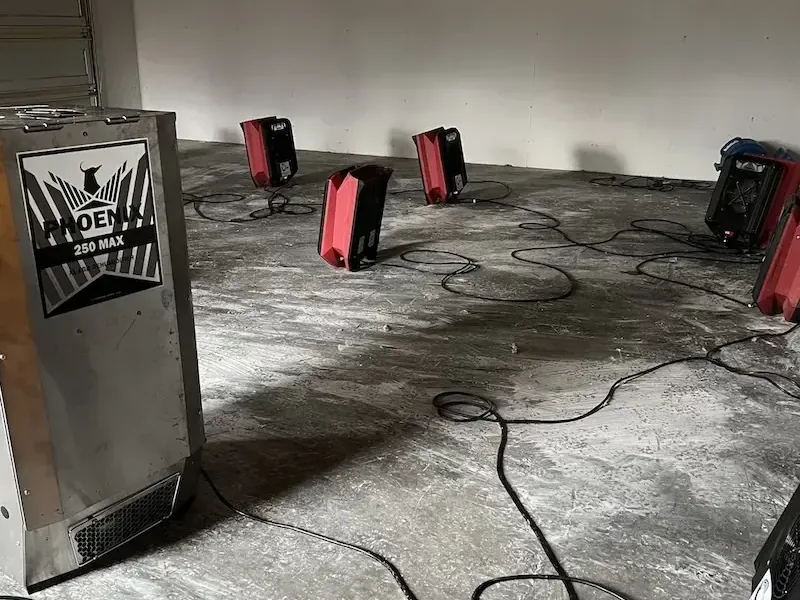
Slab Leak Water Damage in Fish Hawk
Moisture mapping guides drying after an underfloor pipe repair.
View service details ›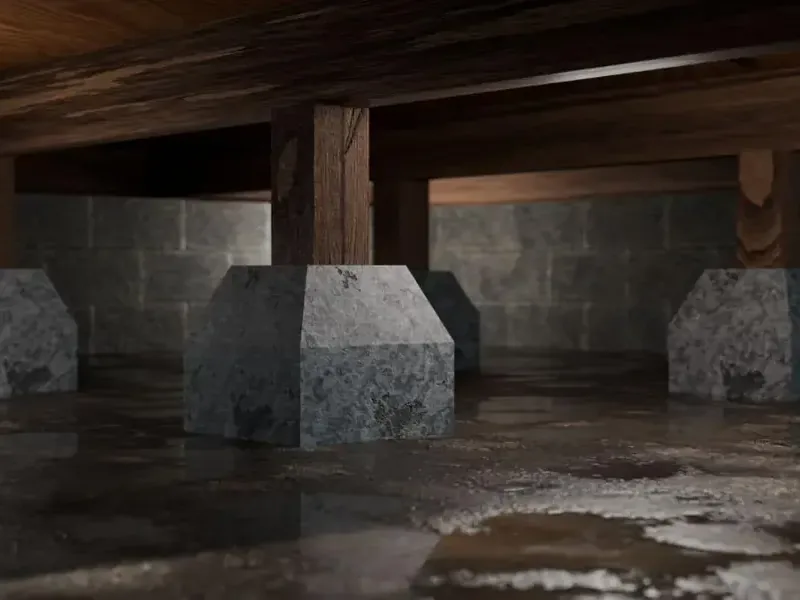
Crawl Space Water Removal in Fish Hawk
Underfloor water removal starts with safe entry and pumping access.
View service details ›Structural Drying and Dehumidification questions in Fish Hawk, FL
Why does the room feel dry while equipment stays?
Room air and building materials are different parts of the drying process. Moisture can remain inside wood, wall layers or floor backing after the open air feels comfortable. The decision to stop equipment should follow the relevant material checks. The drying record should explain the remaining wet areas and how their progress compares with the planned completion criteria.
What measurements should appear in the drying record?
Useful records identify the affected materials, the locations checked and the changes seen during follow-up visits. Room conditions can support that assessment, but material readings connect the work to the building itself. Consistent locations make progress easier to interpret. The final assessment should explain which assemblies are ready for enclosure and which still need treatment or repair.
Does every wet surface need to be removed?
Retention depends on condition, contamination, access and the ability to dry the material effectively. Some surfaces can remain with suitable treatment, while others obstruct wet layers or have damage that drying cannot correct. The proposal should explain removal decisions in relation to the inspected assembly. Drying equipment alone does not make every affected material suitable for reuse.
Can windows stay open during equipment operation?
The drying arrangement depends on controlled conditions established for the job. Opening windows or changing doors can affect that setup. The homeowner should follow the operating instructions and discuss needed changes with the party monitoring the work. Consistent conditions help make repeat readings useful and allow the equipment plan to be adjusted for the actual wet materials.
What happens when a section stays wet longer?
The area needs a closer look at access, layers and the possibility of continued water entry. Simply leaving the same arrangement running may not address the cause of slow progress. The assessment can identify whether additional exposure or another change is needed. Any revised scope should explain the finding and preserve the measurements that prompted the adjustment.
How is drying coordinated with floor installation?
The installer and restoration scope should account for the condition of retained layers before a new covering is applied. Moisture trapped beneath a finish can become harder to reach later. The handoff should include the relevant material checks and identify any remaining preparation work. An exposed floor provides access for the material checks needed before each underlying layer can receive its new covering.
Is there a fixed duration for every drying project?
The required work depends on the materials, moisture load, source control and access found at the property. Progress readings provide the basis for adjusting the plan and determining completion. A useful explanation focuses on what remains wet and what must happen next. The homeowner should receive updates tied to those conditions rather than a completion promise unrelated to the assembly.
Let material checks set the repair sequence
Measured progress helps keep concealed wet layers from being closed behind replacement finishes too early.
(888) 621-2041Assess drying access and progress