Storm and Flood Cleanup in Fish Hawk
Outside water can leave silt beneath furniture and moisture inside low wall sections. Recovery begins with safe access, a record of the entry path and a plan for contaminated finishes.
(888) 621-2041Discuss outside water entry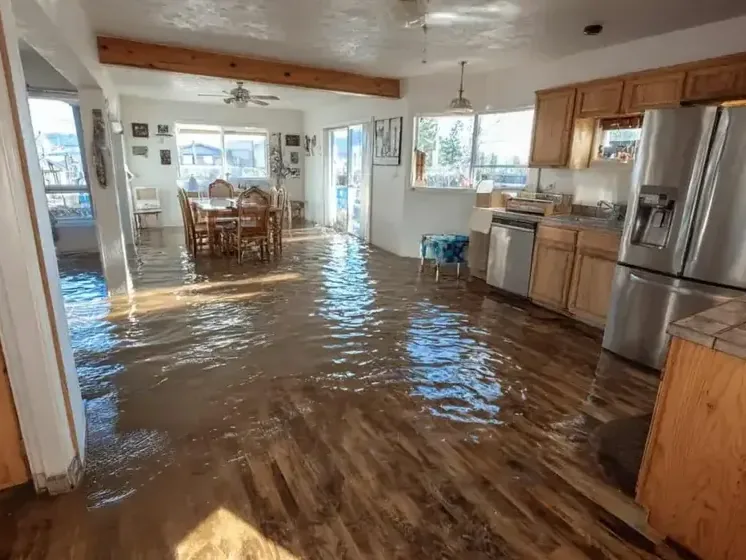
Storm and flood cleanup in Fish Hawk needs to preserve the story of how outside water entered. A wet threshold, sediment mark or tide mark on furniture can help identify the initial spread. Photographs taken safely before removal can be useful when the room later looks very different.
First steps for storm and flood cleanup
- Assess entry conditions. The initial visit assesses safe building access, electrical concerns and continuing outside water before anyone carries equipment into the affected rooms or storage spaces.
- Capture the original spread. Photos and room notes preserve water marks, residues and contents exposure, giving the cleanup scope a record before extraction or material removal begins.
- Separate contaminated layers. The assessment identifies finishes that obstruct cleaning or retain contamination, with removal routes chosen to protect rooms and belongings that remained dry.
- Dry the retained structure. Once cleaning exposes suitable materials, moisture readings establish equipment needs and show when the affected assemblies are ready for the next repair stage.
How storm and flood cleanup works
Connect the doorway to the damage
The inspection maps the entry location, room transitions and concealed low points so the work area reflects the route outside water followed through the building.
Plan access around safe removal
Wet contents and damaged finishes are handled in an order that leaves space for recovery equipment while limiting the movement of residues into unaffected areas.
Track cleanup before enclosing cavities
Cleaning and material removal are documented before drying results are assessed. That sequence keeps hidden surfaces accessible until their treatment and moisture condition have been addressed.
Prepare a practical recovery record
The homeowner receives a distinction between indoor restoration, entry repairs and unfinished contents work, with photographs and readings that support the next decisions about rebuilding.
Start with the property, then consult the map
The Alafia River borders the community on the north, and Little Fishhawk Creek feeds that river. Hillsborough County provides a FEMA Effective Flood Zone Viewer for property-specific checks. The homeowner can use that viewer for the parcel while the cleanup assessment examines the actual entry points and affected rooms.
Boyette Road marks the southern boundary. A property description should identify the usable entrance and any outdoor conditions that prevent safe access. Recovery equipment needs a safe route into the building, and water still entering through an opening has to be addressed before indoor progress can hold.
Sort belongings without spreading residues
Floodwater can deposit debris beneath rugs and along cabinet bases. Porous contents and finishes need evaluation for contamination as well as moisture. Carrying wet objects through a clean hallway can extend the cleanup area, so removal routes and staging spaces belong in the initial plan.
- Photograph water marks before washing or removing the affected material.
- Keep damaged contents separate from possessions that stayed dry throughout the event.
- Identify concealed floor layers where water may remain after surface removal.
- Record access openings needed to clean the bottom of wet wall cavities.
Storm and Flood Cleanup help
Describe the opening where water entered and the rooms it reached. An organized assessment connects safe access, contaminated materials and the repairs needed to prevent renewed entry.
Separate indoor recovery from entry repairs
Water removal, cleaning and structural drying address the damage inside. Repairs to the entry path are another part of the work. The scope should explain which party handles each task and whether temporary protection must remain while interior materials are exposed.
Flooded rooms need a safety check
Standing water can conceal electrical hazards, loose flooring and debris. Occupants should remain outside unsafe rooms and avoid moving equipment through them. Building access should be assessed before recovery starts, including any overhead damage caused by the same weather event.
Keep flood coverage questions specific
Hillsborough County warns that most homeowners insurance does not cover flood damage. Reporting the actual water source and entry route helps the policy provider evaluate the loss under the relevant coverage. Cleanup records should describe observed conditions rather than promise a particular claim outcome.
After contaminated materials and residues are handled, structural drying tracks retained assemblies. The finish schedule should follow those readings, with reconstruction planned around source protection and the condition of each exposed surface.
A written closeout can list cleared rooms, remaining repairs and any contents still awaiting treatment, keeping the recovery sequence understandable after the immediate disruption.
What does storm and flood cleanup cost in Fish Hawk, FL?
Storm and flood cleanup in Fish Hawk varies with outside water spread, contaminated finishes and access beneath surfaces. The ranges below describe cleanup scale; entry repairs and reconstruction need clearly separated items in the proposed scope.
Limited outside-water entry
$2,000 to $4,000
- Small entry footprint
- Accessible affected finishes
- Contained cleanup route
Multiple flooded rooms
$4,000 to $8,000
- Connected wet spaces
- Several material types
- Broader contents handling
Broad interior flooding
$8,000 to $12,000+
- Extensive surface contact
- Concealed cleanup access
- Expanded drying documentation
The water damage cost calculator gives an estimate only. The inspection determines the scope, including water category, affected area, material class and drying delay.
Measured care for storm and flood cleanup
Rapid local response
The response team treats spreading water as urgent and gathers the source, room count and safe access details. Dispatch operates 24/7; conditions and availability determine the response.
IICRC S500 drying standard
The drying crew compares affected assemblies with dry reference materials, adjusts equipment to the evaporation load, and records progress. A dry-looking surface alone does not complete the work.
Claim-ready documentation
The technician links photographs to the moisture map and records material removal, equipment placement and drying readings. That record explains the restoration scope without promising an insurer's decision.
Local water experts
A property inspection distinguishes rain entry, an internal supply leak and contaminated outside water. The restoration plan follows the actual source and materials, with access and safety assessed separately.
Storm and flood cleanup in Fish Hawk
Properties throughout the community can request an assessment of storm water entry into rooms and storage areas. The initial description should identify continuing inflow, affected entrances and access restrictions so the inspection can account for conditions both inside and immediately outside.
The same service nearby: storm and flood cleanup in Lithia, Bloomingdale, Valrico.
Related water damage services in Fish Hawk

Water Extraction and Removal in Fish Hawk
Standing water removal reaches flooring edges and adjoining rooms.
View service details ›
Structural Drying and Dehumidification in Fish Hawk
Material readings guide airflow, humidity control and drying completion.
View service details ›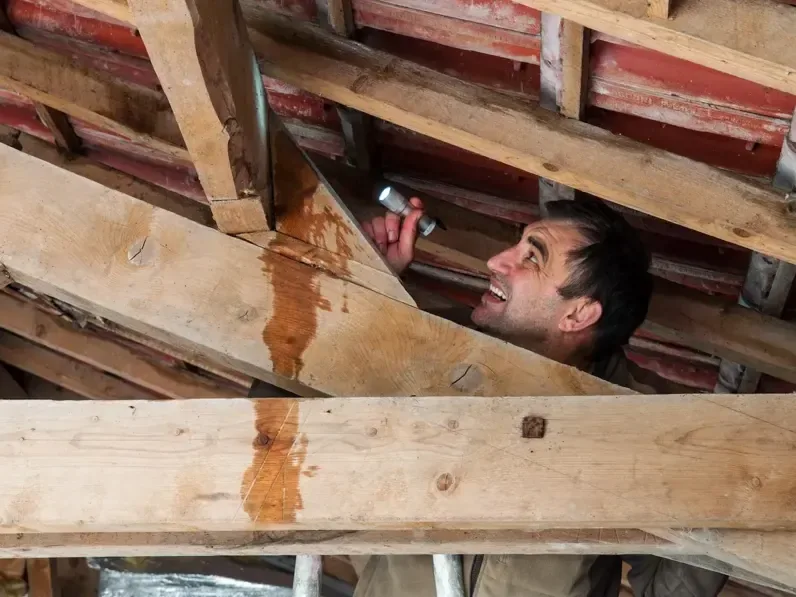
Roof Leak Water Damage in Fish Hawk
Roof entry can leave insulation and timber wet below the leak.
View service details ›Storm and Flood Cleanup questions in Fish Hawk, FL
How can a homeowner check the property's flood zone?
The county's FEMA Effective Flood Zone Viewer provides a property-specific starting point. The parcel should be checked directly rather than assigning a zone from a nearby street or development name. For the loss itself, photographs and an inspection establish where water entered and what it affected. Mapping and damage documentation answer different questions during recovery.
Is outdoor water treated like a small supply leak?
Water entering from outdoors requires an assessment of contamination, debris and contact with porous materials. The cleaning and removal needs may differ from a contained indoor supply release. The work plan should identify the water path, affected finishes and access required for treatment. Drying equipment belongs in a sequence that also addresses the residues left behind.
Should wet belongings be discarded before inspection?
Safety and containment come first, but documentation is valuable before belongings are moved or discarded. Photographs, descriptions and a contents list can preserve the original condition. The policy provider may also have instructions for damaged items. Unsafe or contaminated objects need controlled handling, and occupants should not carry dripping possessions into clean rooms simply to make space.
Does a homeowners policy pay for flooding?
The county warns that most homeowners insurance does not cover flood damage. The applicable policy and the actual cause of the loss determine the coverage decision. The homeowner should describe the entry route accurately and ask the provider about the relevant coverage. The cleanup estimate describes the required work, and the policy provider determines the applicable payment under the policy.
Can new flooring go down once the water is removed?
The underlying materials need evaluation for contamination and remaining moisture before replacement flooring is installed. Water can persist beneath coverings after the open surface is cleared. Cleaning access, removal decisions and drying readings should be assessed first. Installing a finish too early can hide wet layers and make later correction more disruptive to the room.
What happens if water keeps entering during cleanup?
Continuing inflow must be included in the work plan because it can undo extraction and drying progress. The entry repair or temporary protection needs a clearly assigned scope and safe access. Indoor recovery can then be coordinated around that work. The homeowner should report any new water appearance rather than assuming it is only residual moisture from the original event.
Which documents should stay together after the event?
Entry photographs, room measurements, damaged contents notes and cleanup invoices belong with the drying record. Any repair work at the entry location should be identified separately. Keeping those records together helps explain the sequence from outside water intrusion to reconstruction. The file should also list remaining tasks so a cleaned room is not mistaken for a fully repaired building.
Plan recovery around the actual entry
Removal records and moisture checks keep indoor restoration connected to the building's repair needs.
(888) 621-2041Discuss storm water recovery