Appliance Leak Water Damage in Fish Hawk
A leak under an appliance can stay hidden until a floor edge swells or water reaches a doorway. Cleanup needs access beneath the machine and along the surrounding cabinets or walls.
(888) 621-2041Assess the appliance spill route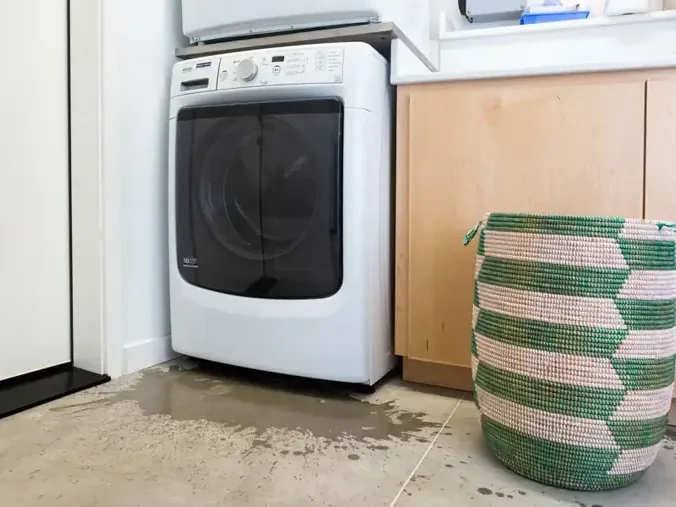
Appliance water damage in Fish Hawk can begin behind a closed cabinet door. A dishwasher spill may travel under neighboring units, while water near a washer can reach a closet before the laundry floor looks badly affected. The cleanup scope should follow those concealed connections instead of stopping at the appliance footprint.
First steps for appliance leak water damage
- Describe the release. The assessment identifies the appliance involved, when water appeared and whether the source remains active, helping distinguish the repair task from the affected room surfaces.
- Expose the hidden footprint. Safe access behind and beneath the machine allows checks of the floor, backing wall and nearby cabinet parts before decisions about drying or removal.
- Follow adjoining material edges. Inspection tracks moisture through floor joints, toe kicks and room transitions so concealed spread receives attention alongside the visible puddle around the appliance.
- Coordinate the return to use. Source repair, remaining material moisture and any replacement finishes are assessed before the machine is repositioned and the kitchen or laundry resumes normal operation.
How appliance leak water damage works
Record the room before movement
Photographs capture the spill, cabinet condition and contents exposure, preserving a starting point before the appliance or nearby furnishings are relocated.
Separate appliance access from finish access
The plan identifies which openings are needed for equipment repair and which allow treatment of wet floor or cabinet layers, keeping both tasks practical during restoration.
Assess materials behind finished faces
Measurements and visible condition help determine whether panels and coverings remain, with removal decisions explained before hidden surfaces are cleaned or prepared for controlled drying.
Assess the completed work area
The final assessment checks the source repair status and retained building materials together, identifying any remaining cabinet, floor or trim work before the space returns to use.
Open the view before choosing the repair
Safe appliance movement can expose the wettest part of the floor. The assessment checks the backing wall, connection area and any floor covering beneath the machine. Cabinet toe kicks and adjacent panels may need separate access so trapped moisture is not overlooked behind an apparently dry face.
The community had 7,431 households at the 2020 census. FishHawk Ranch includes several distinct villages, while FishHawk Trails is a separate named development. Each kitchen or laundry loss needs an inspection of its own appliance setting and wet materials.
Distinguish the faulty part from the damaged room
An appliance technician or plumber addresses the component releasing water. Restoration deals with the floor, cabinetry and walls that received it. The scopes should be coordinated so the machine is not pushed back into position while the surrounding assembly still needs inspection or drying.
- Cabinet interiors can reveal damp backing before a floor stain becomes obvious.
- Floor transitions may let water reach an adjoining room beneath the covering.
- Wet laundry storage needs separation from items that stayed outside the spill.
- Replacement panels should wait until concealed surfaces have been assessed.
The Preserve was previously undeveloped wildlife habitat. For a home there, the appliance type and present room layout determine the inspection approach. Useful details include whether the leak occurred during operation, where water first appeared and whether it continues with the machine off.
Appliance Leak Water Damage help
A machine can hide wet flooring and cabinet parts behind a small visible spill. Describe the appliance, the first wet location and any repair already completed.
Leave wet electrical equipment alone
Do not reach through the spill
Standing water beside an appliance can make access to plugs and controls unsafe. Occupants should not move energized equipment or reach behind it through a puddle. A safe source and electrical assessment comes before appliance movement, extraction or use of nearby outlets.
Once the area is safe, water recovery reduces liquid on accessible surfaces. Checks beneath floor edges establish whether additional layers require access rather than relying on the dry appearance of the open walkway.
Preserve the cabinet and floor decision record
The condition of absorbent panels, swelling at joints and remaining moisture all influence what can stay. The proposed scope should explain those decisions and distinguish source repair from cabinet reconstruction or floor replacement.
Before the machine returns to normal service, the repair status and the surrounding drying work should be assessed together. The final layout must leave the equipment safe to operate without concealing unfinished treatment behind it.
What does appliance leak water damage cost in Fish Hawk, FL?
Appliance leak cleanup in Fish Hawk varies with hidden spread beneath cabinets and flooring. The cost ranges reflect affected room materials; machine repair, replacement parts and finish reconstruction should be identified separately so the scope remains clear.
Accessible small spill
$500 to $1,300
- Open appliance surround
- Limited floor exposure
- Simple inspection access
Cabinet or wall spread
$1,300 to $2,800
- Concealed panel wetness
- Adjoining surface checks
- Controlled cabinet access
Several wet floor layers
$2,800 to $4,500
- Layered material assessment
- Expanded drying footprint
- Multiple removal decisions
The water damage cost calculator gives an estimate only. The inspection determines the scope, including water category, affected area, material class and drying delay.
Measured care for appliance leak water damage
Rapid local response
The response team treats spreading water as urgent and gathers the source, room count and safe access details. Dispatch operates 24/7; conditions and availability determine the response.
IICRC S500 drying standard
The drying crew compares affected assemblies with dry reference materials, adjusts equipment to the evaporation load, and records progress. A dry-looking surface alone does not complete the work.
Claim-ready documentation
The technician links photographs to the moisture map and records material removal, equipment placement and drying readings. That record explains the restoration scope without promising an insurer's decision.
Local water experts
A property inspection distinguishes rain entry, an internal supply leak and contaminated outside water. The restoration plan follows the actual source and materials, with access and safety assessed separately.
Appliance leak water damage in Fish Hawk
Kitchen and laundry assessments cover affected homes in the community, including ZIP 33547. The request should identify the appliance, visible water and any movement already made, helping the inspection account for surfaces hidden behind the machine or beneath adjoining cabinetry.
The same service nearby: appliance leak water damage in Lithia, Bloomingdale, Valrico.
Related water damage services in Fish Hawk
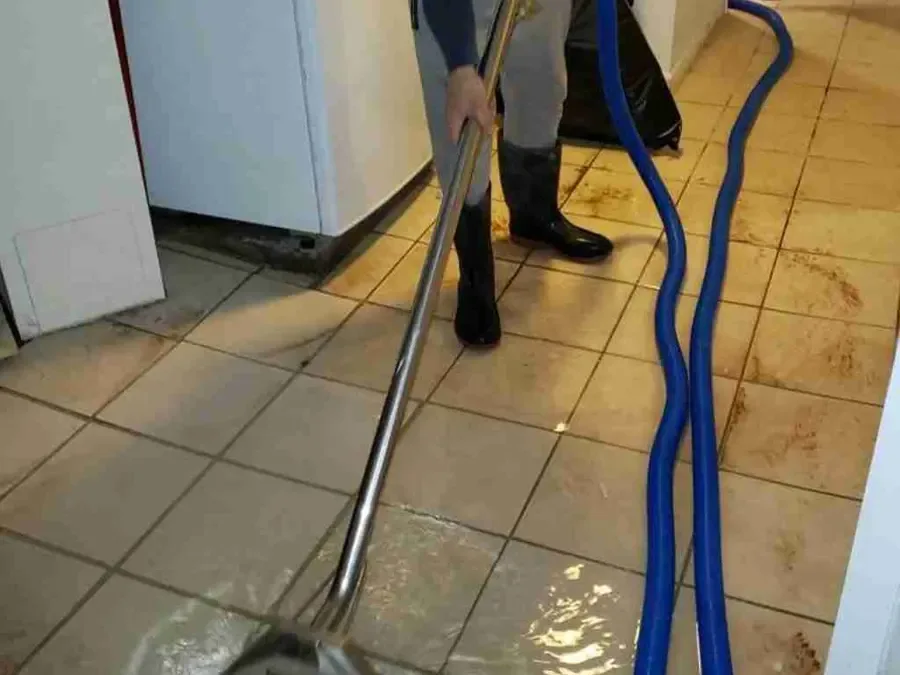
Water Extraction and Removal in Fish Hawk
Standing water removal reaches flooring edges and adjoining rooms.
View service details ›
Structural Drying and Dehumidification in Fish Hawk
Material readings guide airflow, humidity control and drying completion.
View service details ›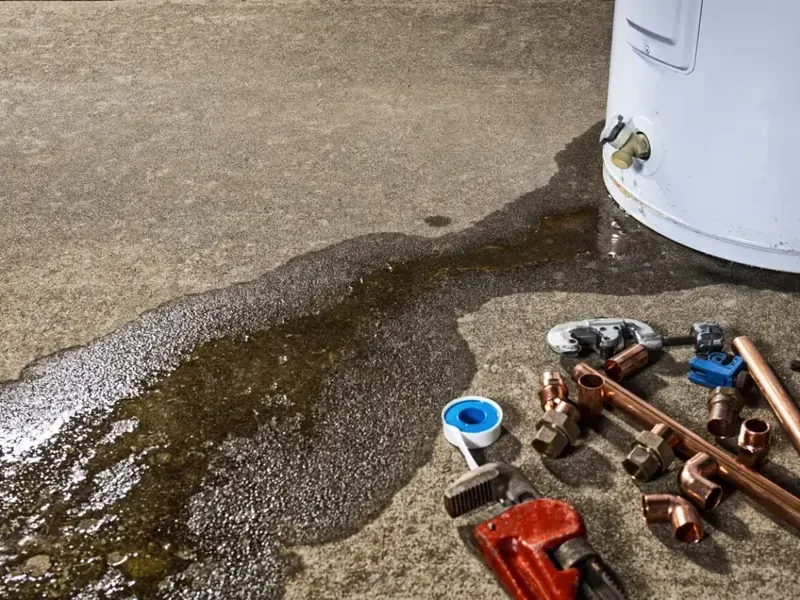
Water Heater Leak Cleanup in Fish Hawk
Tank leaks can spread beneath nearby walls and stored belongings.
View service details ›Appliance Leak Water Damage questions in Fish Hawk, FL
Should the appliance run again to show the leak?
Restarting a leaking machine can add water to already affected materials. The source assessment should establish how the appliance can be tested safely and what repair is needed. A homeowner can describe when the water appeared and provide photographs from a dry position. There is no need to recreate the spill before arranging an inspection of the room.
Can a dry cabinet door conceal wet material?
Water may reach the cabinet base, backing or floor beneath the unit while the door stays dry. Those hidden areas need access and condition checks. Swelling or damp seams can help direct the inspection, but the scope should consider the full route beneath adjacent units. Surface appearance alone is not a completion check for the cabinet assembly.
Does a repaired hose finish the cleanup?
Repairing the connection stops the source when the fault is correctly resolved. The water already beneath the appliance or surrounding cabinetry still needs assessment. Extraction, material removal and drying may remain necessary after the hose is replaced. Keeping source repair and room restoration as separate scope items makes their responsibilities and completion points easier for the homeowner to follow.
Will the appliance have to be moved?
Movement may be needed to inspect or treat the surface underneath, but it should follow a safe assessment of power, water connections and access. The machine's weight and surrounding finishes also matter. The work plan should coordinate the movement with the source repair so wet material is not hidden again before the restoration assessment is complete.
What happens to swollen cabinet panels?
Panel condition and water exposure determine whether they can remain or need replacement. Drying does not necessarily reverse swelling or loss of integrity. The assessment should document the affected parts and explain the proposed treatment before reconstruction begins. Nearby panels that look sound still need checks where water could have traveled behind or beneath their finished surfaces.
How far beyond the laundry floor should inspection go?
The inspection follows connected materials, including nearby wall bases, closets and changes in floor covering. A small visible puddle can sit above water that traveled farther beneath a covering. The proposed scope should explain the measured wet perimeter and any access limitations. Additional areas belong in the plan when the observations or readings show that they are affected.
What belongs in the final appliance loss record?
The record should identify the source repair, affected room surfaces, removal decisions and drying results for retained materials. Photos before and after appliance movement can document hidden damage. Cabinet and flooring reconstruction should remain clearly described as separate work. Those details help the homeowner understand what was completed before the equipment returned to its normal position and operation.
Inspect beneath the machine before closing up
Clear access and moisture checks support the decisions about surrounding cabinets and floor finishes.
(888) 621-2041Plan kitchen or laundry cleanup