Ceiling Leak Water Damage in Valrico
A bulging ceiling needs a safety decision before a repair decision. Valrico ceiling leak assessment checks the source above, the stability of wet finishes and the moisture that may have entered adjoining bays.
(888) 621-2041Discuss the wet overhead area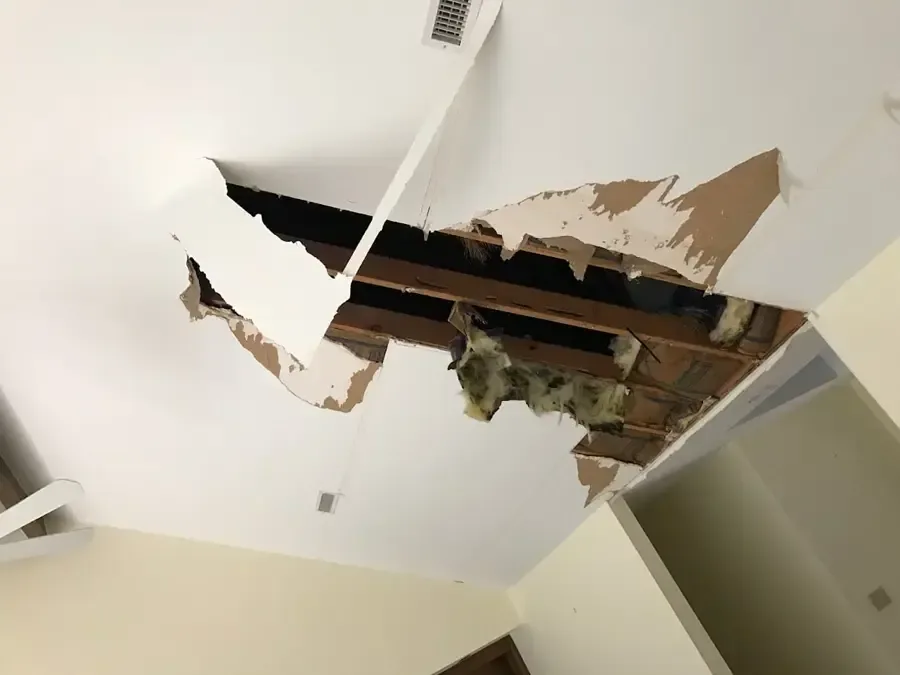
A ceiling can hold water above the face that occupants see. Discoloration, softened board or a growing bulge calls for assessment of both the overhead material and the source feeding it. In a Valrico room, keeping people away from an unstable section comes before trying to protect the paint or trim.
First steps for ceiling leak water damage
- Clear the space below. Keep occupants and movable belongings away from sagging or softened overhead material. Moving contents is appropriate only where the route and ceiling condition remain safe.
- Describe the visible change. Note the stain shape, active dripping and nearby electrical fittings. State whether the symptom follows rainfall, fixture use or another identifiable event inside the property.
- Leave the surface intact. Avoid poking, pressing or cutting the wet section to investigate. Concealed water, wiring and weakened finishes need a controlled assessment and suitable access plan.
- Coordinate the source repair. Share information about rooms or equipment above the mark. The ceiling cleanup and the work stopping the leak should proceed with the same source findings.
How ceiling leak water damage works
Assess stability and source clues
Inspection assesses the overhead condition and the likely water path before access is chosen. Electrical concerns and unstable finishes are addressed as part of establishing the work area.
Define necessary selective openings
The plan identifies damaged board and the access needed for inspection or repair. Structural components and relevant repair requirements receive separate consideration before cutting begins.
Treat the exposed wet assembly
Unsuitable material is removed and retained portions are dried with appropriate access. Moisture checks follow connected bays and nearby wall junctions as equipment works.
Record the closure condition
Final observations identify the corrected source, dried retained materials and reconstruction needs. The record gives ceiling repairs a clear basis beyond the disappearance of visible dripping.
Read the room without disturbing the ceiling
The first useful observations are the location of the mark, whether it changes with rain or plumbing use, and what occupies the space above. Water around a light fitting adds an electrical concern. Photographs taken from a safe position can preserve those clues without puncturing or pushing on the ceiling.
A home near Valrico Park might show a stain beneath an upper room, while a property in Feather Rock or near Buckhorn Park has attic space above the damage. The inspection follows the actual layout, checking the source and connected wet materials rather than assuming every ceiling leak began at the roof.
Openings need a purpose and a repair plan
Hillsborough County lists cutting away a wall or partition and removing or cutting a structural beam or load bearing support as work requiring a permit. An access discussion should distinguish finish removal from work involving structural components. The intended scope needs assessment before anyone cuts into the damaged assembly.
- Identify whether the ceiling material is stable enough for controlled assessment.
- Check nearby cavities and wall junctions where overhead water can continue traveling.
- Describe which openings allow inspection, source repair or a useful drying path.
- Keep the reconstruction needs visible when damaged finishes are selected for removal.
The smallest stain does not necessarily define the removal area. Conversely, an inspection should not treat an entire room as disposable without examining the materials. Controlled access aims to address damaged sections and reveal the assembly that needs attention.
Ceiling Leak Water Damage help
Describe the ceiling shape, drip pattern and any nearby electrical fittings. An assessment can establish safe access and connect the overhead damage with its actual water source.
Drying follows source control and material decisions
Wet insulation, softened board and retained framing require different decisions. Once the source is corrected and unsuitable material is handled, assembly drying can address moisture in what remains. Monitoring should include adjoining bays where water traveled beyond the obvious mark.
Do not puncture a sagging section
A bulge can conceal pooled water and weakened material. Unplanned puncturing or pulling may release debris or expose electrical hazards. Keep the area below clear and arrange safe assessment rather than standing beneath the damage to drain or test it.
Close the ceiling with the hidden condition documented
The finish repair should follow a record of source correction and retained material moisture. If a cavity cannot be checked from the existing opening, that limitation needs attention before closure. A freshly painted surface is not a substitute for understanding what remains above it.
The final scope should name any insulation, board and decoration still required. This gives the next repair stage a clear starting condition and helps prevent a cosmetic patch from hiding an unfinished drying task.
What does ceiling leak water damage cost in Valrico, FL?
Ceiling leak cleanup ranges in Valrico change with overhead access, wet insulation and spread into adjacent rooms. An estimate should identify assessment, selective removal and drying, while keeping source repair and ceiling reconstruction clearly described as separate tasks.
Localized ceiling wetness
$700 to $1,500
- Small overhead area
- Source path assessment
- Targeted moisture checks
Several ceiling bays
$1,500 to $3,000
- Connected cavity wetness
- Controlled finish removal
- Retained framing drying
Ceiling and room damage
$3,000 to $4,500
- Overhead and floor spread
- Contents access planning
- Repair condition records
The water damage cost calculator gives an estimate only. The inspection determines the scope, including water category, affected area, material class and drying delay.
Measured care for ceiling leak water damage
Rapid local response
The response team treats spreading water as urgent and gathers the source, room count and safe access details. Dispatch operates 24/7; conditions and availability determine the response.
IICRC S500 drying standard
The drying crew compares affected assemblies with dry reference materials, adjusts equipment to the evaporation load, and records progress. A dry-looking surface alone does not complete the work.
Claim-ready documentation
The technician links photographs to the moisture map and records material removal, equipment placement and drying readings. That record explains the restoration scope without promising an insurer's decision.
Local water experts
A property inspection distinguishes rain entry, an internal supply leak and contaminated outside water. The restoration plan follows the actual source and materials, with access and safety assessed separately.
Ceiling leak water damage in Valrico
Overhead damage assessments serve properties around Valrico Park, Feather Rock and Buckhorn Park. Mention sagging areas, nearby light fittings and any room or equipment above the stain. Those details help establish safe access and the source investigation needed before repairs.
The same service nearby: ceiling leak water damage in Lithia, Bloomingdale, Brandon.
Related water damage services in Valrico
Roof Leak Water Damage in Valrico
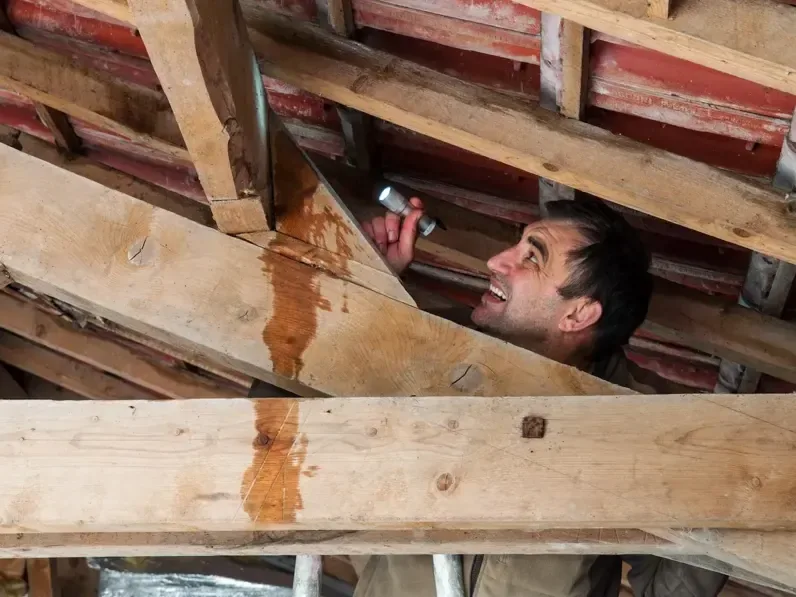
Roof entry can leave insulation and timber wet below the leak.
View service details ›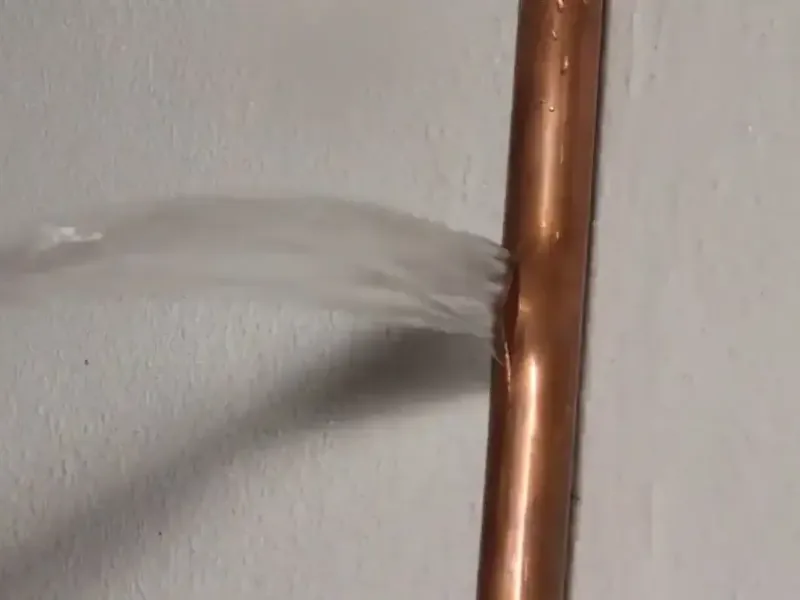
Burst Pipe Water Damage in Valrico
A stopped supply leak leaves wet layers to inspect and dry.
View service details ›
Structural Drying and Dehumidification in Valrico
Material readings guide airflow, humidity control and drying completion.
View service details ›Ceiling Leak Water Damage questions in Valrico, FL
Is a ceiling bubble safe to drain by hand?
A bulge can hold water above weakened material, and electrical components may be nearby. Occupants should avoid puncturing or pressing on it from below. Restrict the affected area and arrange an assessment that considers stability, utilities and source control. The opening method should follow those findings instead of an improvised attempt to release the water.
Does an overhead stain always indicate a roof problem?
The source can also be plumbing, equipment or water from a room above. Timing and layout help focus the investigation, but the actual route needs examination. Describe whether the mark changes with rainfall or fixture use and what sits above the ceiling. Interior moisture inspection and source repair should then be coordinated around the same findings.
Can the damaged section simply receive new paint?
Paint addresses appearance after the source and underlying material condition are resolved. Wet board, insulation and framing can remain above a surface that seems ready for decoration. The assessment should identify damaged material and verify retained moisture conditions first. Any required opening and reconstruction work should be completed before the decorative finish returns to the room.
How much of the ceiling will need removal?
The answer depends on material damage, safe access and the extent of concealed moisture. A visible stain can be smaller than the wet area, while sound dry portions may remain. The proposed boundary should have a stated purpose, such as removing damaged board or exposing a drying path. Inspection findings should support the scope before removal begins.
What county requirements matter when access becomes structural work?
Hillsborough County identifies removal or cutting of structural beams and load bearing supports as permit work. It also lists cutting away a wall or partition. The repair plan should distinguish ordinary finish treatment from those activities and address applicable requirements. Structural access should not be treated as an incidental part of a cosmetic ceiling patch.
Why inspect a wall below the ceiling stain?
Water can move through a ceiling junction and continue down the adjacent cavity. Checking wall bases and nearby finishes helps determine where moisture stopped. If only the overhead face is inspected, connected wet material can remain outside the drying plan. The assessment should follow the route through the assembly rather than assuming the stain marks its full boundary.
What indicates that the ceiling can be closed again?
Closure follows source correction, suitable material condition and moisture findings that support the repair. The record should identify inspected areas, removed finishes and any remaining reconstruction tasks. If a concealed pocket has not been evaluated, the access issue needs resolution before covering it. A dry looking room below does not alone establish the condition above the ceiling.
Prepare the overhead assembly for repair
Source control and moisture findings establish what needs attention before the room receives new finishes.
(888) 621-2041Arrange overhead damage assessment