Burst Pipe Water Damage in Valrico
A failed supply pipe can keep feeding damage long after the first wet patch appears. Valrico cleanup begins with safe isolation, then traces the release through walls, flooring and any rooms below.
(888) 621-2041Discuss damage from the pipe release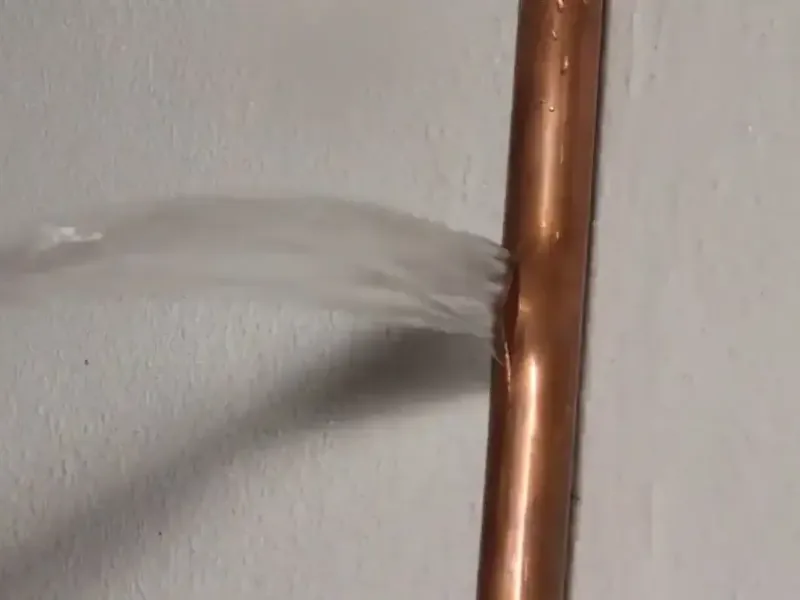
The sound of running water behind a wall can precede a visible spill. When a supply pipe fails in a Valrico building, the first task is safe source control. The next is finding where the released water went, including areas that look unaffected because the moisture remains behind a finish.
First steps for burst pipe water damage
- Locate a safe shutoff. Use an accessible supply control only when reaching it avoids wet electrical areas. Otherwise keep occupants clear and arrange appropriate source isolation assistance.
- Describe connected symptoms. Note pressure changes, nearby fixture behavior and water appearing outside. Those details help distinguish the indoor release from a possible wider supply issue.
- Protect dry rooms. Keep doors and access routes usable without moving soaked belongings onto unaffected finishes. Avoid disturbing wet wall surfaces before concealed hazards are assessed.
- Retain the source findings. Save the plumbing diagnosis and repair photographs with the damage record. The restoration scope should account for water beyond the component that failed.
How burst pipe water damage works
Establish the release boundary
Inspect the failed pipe location and connected rooms after safe isolation. Moisture checks look for hidden spread into wall cavities, floor layers and any accessible space below.
Remove water and evaluate finishes
Extraction clears accessible liquid so damaged materials can be examined. Retention decisions account for swelling, contamination, access and whether the affected layers can dry in place.
Coordinate openings with repair needs
Plumbing access and restoration openings are planned together where practical. The scope identifies required material removal and flags repair requirements before surfaces are closed again.
Measure the drying result
Track moisture in retained assemblies and document finish work. Equipment removal follows material condition, with source repair recorded as a separate milestone.
Separate an indoor break from a wider supply problem
Hillsborough County lists low pressure, discolored water and household water outages among reportable main pipe issues. Street flooding unrelated to rain also belongs among those concerns. These observations are useful when the owner needs to distinguish an interior leak investigation from a possible public pipe problem outside.
A property in Feather Rock may report water inside a cabinet, while an owner near Buckhorn Park or Valrico Park notices a pressure change and outdoor pooling. Each situation needs its own source assessment. County reporting and interior restoration serve different purposes and may both be needed.
- Identify the safe shutoff location without crossing a wet electrical hazard.
- Record whether water continues after the suspected supply has been isolated.
- Inspect the room below or beside the break when access is safe.
- Keep the plumber's findings with photographs of the surrounding water damage.
The repair opening is only part of the loss
Water released under pressure can enter insulation, wall bases and layered flooring. A small opening may let the plumber repair the component while leaving a much larger wet area around it. Restoration inspection should follow connected materials rather than ending at the edge of the plumbing access.
Removing reachable water helps reveal the next decisions. Swollen finishes, wet insulation and damp structural members can require different treatment. Water extraction and drying should be scoped according to those conditions, with source repair costs identified separately.
Burst Pipe Water Damage help
Explain the pipe location, shutoff status and rooms reached by the release. The assessment can then connect the repaired source with water still held inside nearby materials.
Keep access purposeful when walls need opening
Hillsborough County lists cutting away a wall or partition as work requiring a permit. Concealed pipe replacement also has a county permit requirement. The proposed repair and restoration access should therefore be described before surfaces are opened, especially when more than a cosmetic repair is involved.
A wet switch is a warning
Water emerging near outlets, lighting or powered equipment creates an electrical concern. Occupants should avoid touching those components or entering wet areas to reach a shutoff. Appropriate isolation and inspection must establish a safe work area before cleanup equipment operates nearby.
Leave a record for the finish repairs
After source control, readings should show how retained assemblies respond to drying. The final record needs to identify inaccessible areas, removed finishes and remaining repairs. A new section of pipe can be working normally while moisture still sits in the surrounding wall or floor.
Closing the opening follows both the plumbing repair requirements and the condition of the building materials. This sequence keeps a successful source repair from being followed by premature finish replacement over a wet cavity.
What does burst pipe water damage cost in Valrico, FL?
Burst pipe cleanup ranges in Valrico depend on how far the release traveled and how many assemblies hold moisture. An itemized scope should show extraction, removal and drying while distinguishing the plumber's repair and subsequent rebuilding of opened finishes.
Contained supply spill
$800 to $2,000
- Limited affected room
- Accessible liquid recovery
- Boundary moisture checks
Wall and floor involvement
$2,000 to $4,500
- Wet cavity assessment
- Selective finish opening
- Coordinated assembly drying
Multiple-room release
$4,500 to $7,000
- Connected space inspection
- Broad material handling
- Documented drying progress
The water damage cost calculator gives an estimate only. The inspection determines the scope, including water category, affected area, material class and drying delay.
Measured care for burst pipe water damage
Rapid local response
The response team treats spreading water as urgent and gathers the source, room count and safe access details. Dispatch operates 24/7; conditions and availability determine the response.
IICRC S500 drying standard
The drying crew compares affected assemblies with dry reference materials, adjusts equipment to the evaporation load, and records progress. A dry-looking surface alone does not complete the work.
Claim-ready documentation
The technician links photographs to the moisture map and records material removal, equipment placement and drying readings. That record explains the restoration scope without promising an insurer's decision.
Local water experts
A property inspection distinguishes rain entry, an internal supply leak and contaminated outside water. The restoration plan follows the actual source and materials, with access and safety assessed separately.
Burst pipe water damage in Valrico
Properties near Feather Rock, Buckhorn Park and Valrico Park can need different access arrangements after a pipe release. Explain the shutoff status, affected levels and any electrical exposure so the first assessment can focus on the route the water followed.
The same service nearby: burst pipe water damage in Lithia, Bloomingdale, Brandon.
Related water damage services in Valrico
Slab Leak Water Damage in Valrico
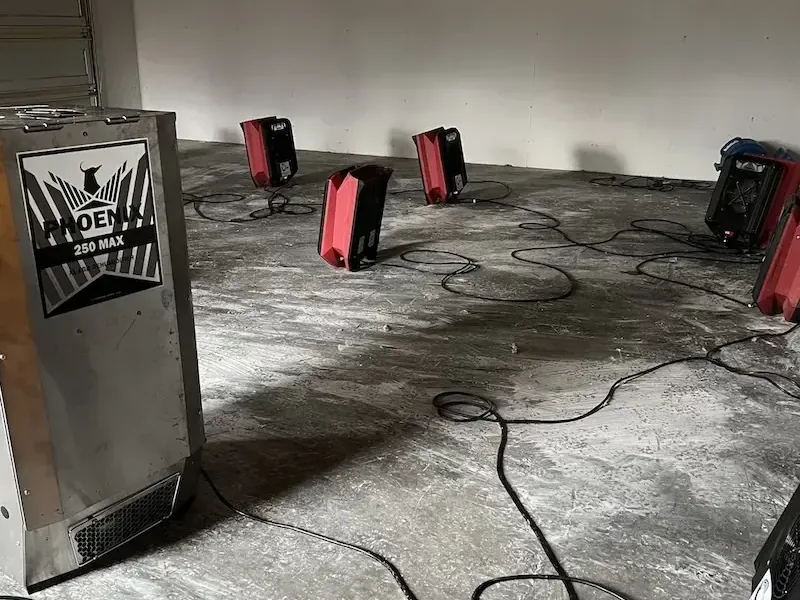
Moisture mapping guides drying after an underfloor pipe repair.
View service details ›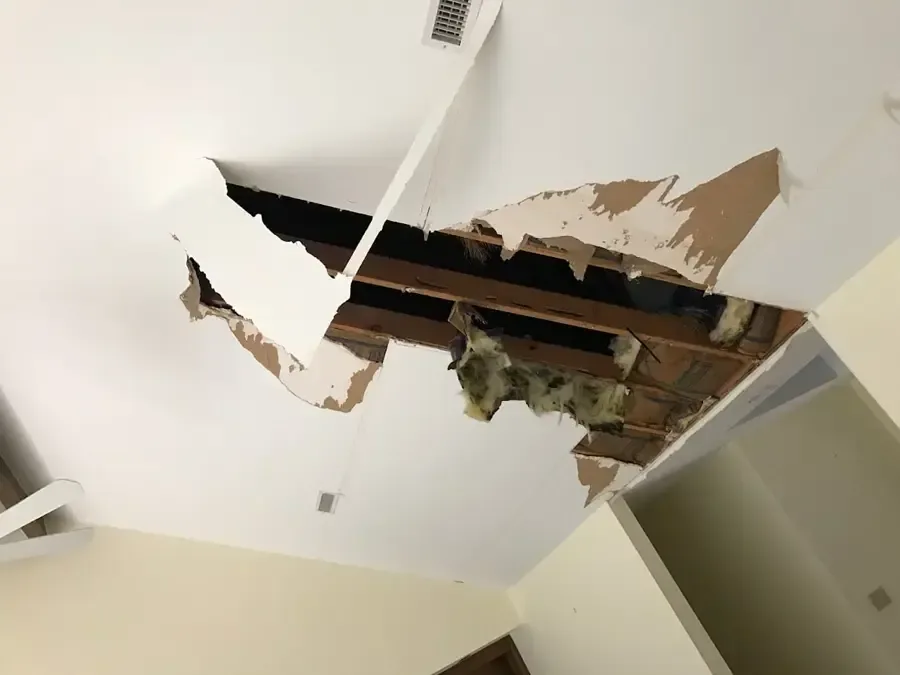
Ceiling Leak Water Damage in Valrico
Sagging ceilings need safe access before damaged material is removed.
View service details ›
Structural Drying and Dehumidification in Valrico
Material readings guide airflow, humidity control and drying completion.
View service details ›Burst Pipe Water Damage questions in Valrico, FL
Is turning off a fixture enough to stop a pipe break?
A fixture control may isolate only part of the plumbing. The failed component and continuing flow need assessment to determine whether a broader supply shutoff is necessary. Any control must be reached safely. Water near electrical equipment or an unstable ceiling is a reason to keep occupants away while appropriate source isolation and hazard evaluation are arranged.
What if the household also has low water pressure?
Low pressure can be relevant to the source investigation, especially when accompanied by outdoor water or other supply changes. Hillsborough County includes low pressure among reportable main pipe issues. The inspector needs each observed symptom to distinguish the possible sources. Interior damage still needs assessment even when a utility report is appropriate for a suspected problem outside the building.
Why does the drying scope exceed the pipe repair area?
The pipe opening gives access to the failed component, but released water can travel through adjoining cavities and floor layers. Moisture readings and visible material changes establish the restoration boundary. A larger drying area can therefore be reasonable even after a small repair. The estimate should explain that connection with named rooms and affected assemblies rather than an unexplained allowance.
Can a freshly repaired wall be closed immediately?
The source repair must be complete and the surrounding materials must be suitable for closure. Damp insulation, wet framing or damaged board can remain after the plumber finishes. Permit and repair requirements also need consideration where walls or concealed pipes are involved. A clear completion record separates the functioning pipe from the later condition of the opened building assembly.
Should all flooring be removed after a supply release?
Flooring decisions depend on the installed layers, their condition and access for drying. Some areas may be retained, while swollen, separated or inaccessible materials need different treatment. The assessment should explain the decision for each affected area. Removing everything without inspection and retaining everything because the top feels dry both overlook the actual condition below the finish.
Does a supply leak require the same handling as sewage?
The source and what the water contacted determine handling. A newly released supply spill differs from a drain backup, but water can still move through dirty cavities and absorbent materials. Assessment should address those conditions before equipment is placed. The cleanup plan should follow the actual exposure and material condition instead of relying only on the original water source.
Which observations help the first damage assessment?
Useful details include when the release was noticed, whether it stopped after isolation, the rooms involved and any water appearing on another level. Photographs from safe positions preserve the starting condition. Include plumbing findings when available and mention any access restrictions. Together those details help connect source repair with the surrounding cleanup and drying work that remains.
Follow the water beyond the broken pipe
A complete recovery scope accounts for concealed spread, necessary openings and the drying needed before finishes return.
(888) 621-2041Arrange pipe damage cleanup assessment