Roof Leak Water Damage in Valrico
A ceiling mark after rainfall may sit away from the roof opening. Valrico roof leak restoration follows the path above the room, checking wet insulation, framing and finishes while source repair is coordinated.
(888) 621-2041Discuss rain entry above the room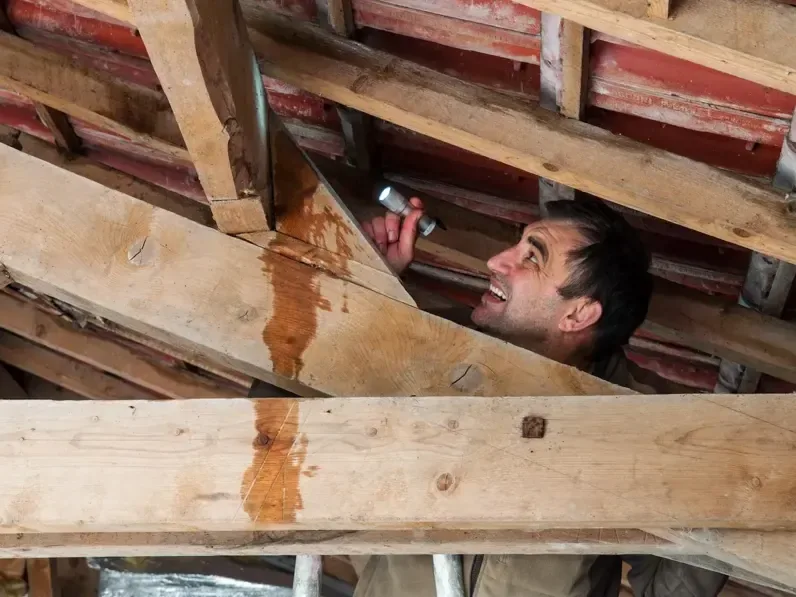
Rain can travel along a concealed surface before appearing inside a room. A Valrico ceiling stain therefore needs investigation above the visible mark. Roof source assessment and interior moisture inspection should inform each other, so a repaired opening is followed by attention to the materials that absorbed the water.
First steps for roof leak water damage
- Record the rain pattern. Note when drips appear and whether marks grow between rain events. Room photographs help connect visible changes with source inspection.
- Keep clear of overhead damage. Avoid standing beneath swollen ceiling board or entering an unsafe attic. Restrict the room if wet finishes or electrical exposure create an immediate hazard.
- Arrange roof source assessment. Describe the interior symptoms to the roofing professional. The suspected entry point and any completed repair should be included in the restoration discussion.
- Protect reachable dry contents. Move unaffected belongings away from the drip area only when safe. Avoid covering wet building materials in a way that conceals their condition.
How roof leak water damage works
Connect room symptoms with attic findings
The survey compares ceiling marks, accessible insulation and framing with the reported rain pattern. Source repair information helps establish the route that needs interior moisture assessment.
Evaluate overhead material retention
Wet insulation, damaged board and nearby framing are considered separately. Removal decisions account for condition, safe access and the ability to create a practical drying path.
Dry the exposed interior assembly
Suitable equipment addresses retained materials after entry control and necessary removal. Monitoring includes adjoining bays and wall junctions where moisture may have traveled away from the original mark.
Prepare a clear reconstruction handoff
The record identifies source work, material removal and drying results. Remaining ceiling, insulation and finish repairs are described so reconstruction can proceed with the concealed moisture condition understood.
Weather timing helps the investigation stay focused
Hurricane Milton brought documented flooding to Feather Rock and areas near the Alafia River. For a present roof leak, the useful starting details are when dripping occurred, which rooms changed and whether the symptom returned with rain. The actual roof entry point still needs examination at the affected building.
A property near Buckhorn Park can have a wet ceiling and a dry floor, while another room has water running down a wall. Those observations help map the interior route. They should be passed to the person investigating the roof alongside photographs of the affected finishes.
Look above the finished ceiling
Attic insulation can hold water where the room below shows only discoloration. Framing and the upper face of ceiling board may also remain damp after visible dripping stops. Safe access is needed to inspect those areas without stepping on unsupported surfaces or disturbing electrical components.
- Compare the stain location with accessible moisture above the finished room.
- Check insulation condition rather than assuming a dry ceiling face means completion.
- Record where water reaches wall junctions or another adjoining ceiling bay.
- Coordinate removal openings with the condition of the overhead materials.
Some affected material may need removal to expose a useful drying path. Other portions can remain when condition and access support drying. The scope should explain these choices and identify which surfaces will require reconstruction after moisture work ends.
Roof Leak Water Damage help
Describe the rain pattern, ceiling changes and roof work already arranged. Interior assessment can then focus on the concealed route and materials still holding moisture above the room.
Keep roof repair and interior recovery connected
Stopping rain entry prevents another wetting cycle, but it does not remove moisture already held inside the building. Interior ceiling damage recovery and drying may continue after the roof work is complete. The owner should have a clear record of both source correction and remaining material condition.
Avoid unsafe attic entry
Wet overhead materials, exposed electrical components and unsupported attic surfaces can make a quick inspection hazardous. Occupants should not climb into a damaged area to chase a drip. A safe inspection route and appropriate source assessment should come before opening or handling those materials.
Finish the room after the moisture path is resolved
Paint and replacement board belong at the end of the interior recovery sequence. Retained framing and adjoining finishes need moisture evaluation, and damaged insulation needs a clear material decision. Repeated staining after cosmetic work is a reason to revisit source control and the concealed path.
A useful closeout describes the repaired entry, the materials removed and the assemblies dried. It also identifies any work still needed above the ceiling, helping the owner coordinate the return of finishes without covering an unresolved damp area.
What does roof leak water damage cost in Valrico, FL?
Roof leak cleanup costs in Valrico depend on attic access and the ceiling materials affected. These interior recovery ranges cover differing moisture scopes; roof repair and replacement finishes should be identified separately in the overall project estimate.
Small ceiling area
$800 to $1,800
- Localized overhead moisture
- Accessible material checks
- Focused interior drying
Attic and ceiling wetness
$1,800 to $3,500
- Insulation condition assessment
- Selective overhead access
- Framing moisture monitoring
Several affected bays
$3,500 to $5,500
- Connected ceiling spread
- Broader removal planning
- Repair handoff records
The water damage cost calculator gives an estimate only. The inspection determines the scope, including water category, affected area, material class and drying delay.
Measured care for roof leak water damage
Rapid local response
The response team treats spreading water as urgent and gathers the source, room count and safe access details. Dispatch operates 24/7; conditions and availability determine the response.
IICRC S500 drying standard
The drying crew compares affected assemblies with dry reference materials, adjusts equipment to the evaporation load, and records progress. A dry-looking surface alone does not complete the work.
Claim-ready documentation
The technician links photographs to the moisture map and records material removal, equipment placement and drying readings. That record explains the restoration scope without promising an insurer's decision.
Local water experts
A property inspection distinguishes rain entry, an internal supply leak and contaminated outside water. The restoration plan follows the actual source and materials, with access and safety assessed separately.
Roof leak water damage in Valrico
Rain entry assessments consider buildings around Buckhorn Park, Valrico Park and Feather Rock. Describe the timing of drips, affected ceiling areas and any source repair already completed. Interior work follows the moisture path and the access available above each room.
The same service nearby: roof leak water damage in Lithia, Bloomingdale, Brandon.
Related water damage services in Valrico
Ceiling Leak Water Damage in Valrico
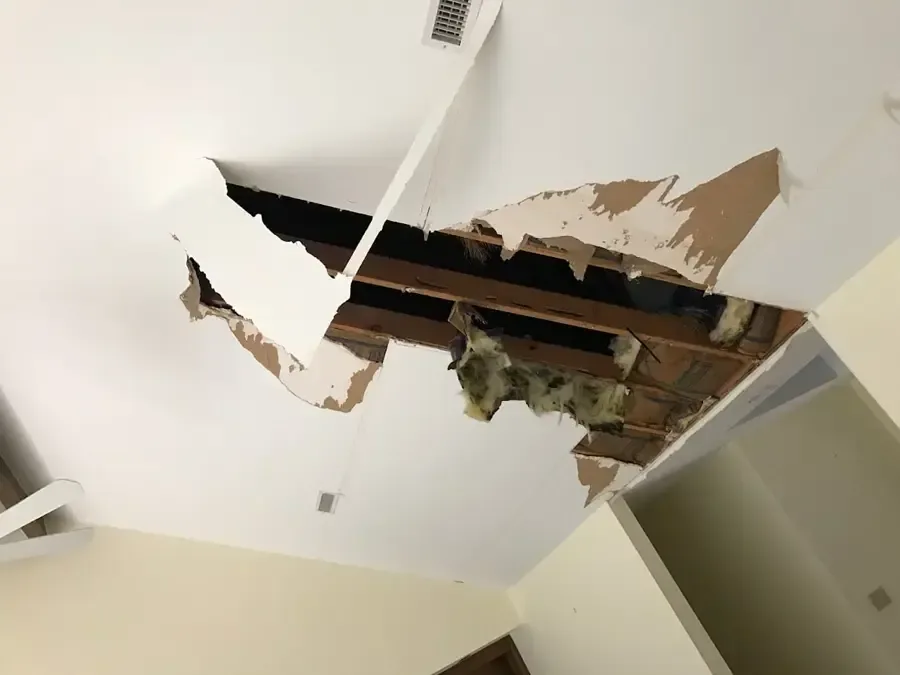
Sagging ceilings need safe access before damaged material is removed.
View service details ›
Structural Drying and Dehumidification in Valrico
Material readings guide airflow, humidity control and drying completion.
View service details ›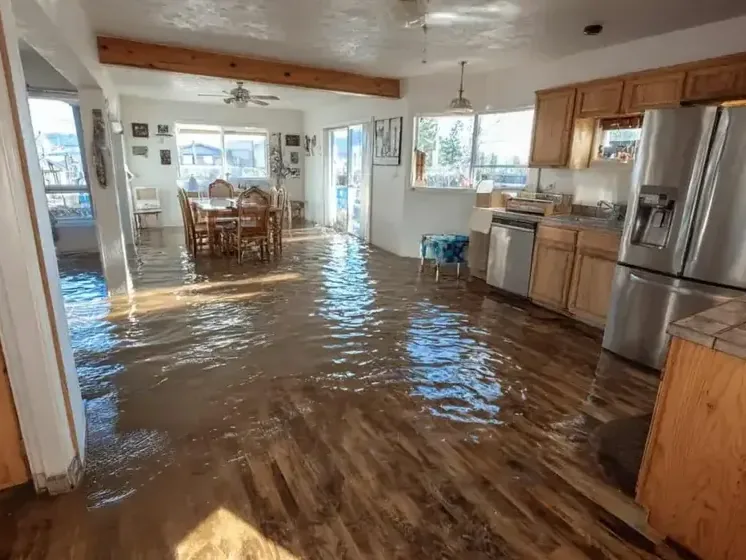
Storm and Flood Cleanup in Valrico
Outside floodwater needs an entry assessment and a cleanup plan.
View service details ›Roof Leak Water Damage questions in Valrico, FL
Does the ceiling stain sit directly under the roof leak?
Not necessarily. Water can follow framing, insulation or another concealed surface before reaching the finished ceiling. The stain is useful for locating the interior damage, but the entry point needs its own assessment. Comparing roof findings with attic moisture and room photographs helps establish the full path instead of treating the visible mark as the entire loss.
Is roof repair included in interior water damage cleanup?
The estimate should state the boundary clearly. Interior cleanup addresses wet ceiling layers, insulation, framing and other affected finishes. Roof source repair is a related task that must be coordinated to prevent repeated wetting. Keeping both scopes visible helps the owner understand who is correcting entry and who is documenting the materials left damp inside the building.
Can insulation remain after it has been soaked?
The decision depends on the insulation type, condition, contamination and practical access for drying. Some affected material may need removal to expose the assembly or because it cannot be suitably retained. The assessment should explain the choice rather than assuming every wet layer can stay. Nearby framing and ceiling board need their own condition checks after insulation is addressed.
What if dripping stops before an assessment is arranged?
A pause in dripping can reflect a change in rainfall while moisture remains above the ceiling. Keep photographs and notes about when the symptom occurred. Inspection should still check accessible overhead materials and the source repair status. The absence of a current drip does not settle whether the attic assembly is ready for new insulation, board or paint.
Should a homeowner enter the attic to collect water?
Entry should depend on safe access and the condition of the space. Unsupported surfaces, wet electrical components and damaged overhead materials create hazards that may be difficult to recognize from the hatch. Occupants should avoid climbing into an affected area to improvise collection or cutting. A coordinated inspection can establish a safer approach to source assessment and interior recovery.
Why check walls when the problem began at the roof?
Rainwater can leave the attic through ceiling junctions and travel down a wall cavity. The visible ceiling stain may show only part of that route. Checking adjacent wall materials helps establish the true drying boundary. The work scope should identify any connected wet assemblies, especially where water has reached trim, cabinetry or flooring beneath the original overhead mark.
When is the ceiling ready for cosmetic repair?
Cosmetic work follows source correction, decisions about damaged materials and verification of retained material moisture. A useful record shows which areas were inspected and dried, along with any removal that needs rebuilding. New paint can conceal a stain without resolving the wet assembly. Readiness should therefore be based on the underlying condition and repair requirements rather than appearance alone.
Resolve the roof entry and interior wetness
Coordinate source repair with drying findings before insulation, ceiling board and decorative finishes return.
(888) 621-2041Arrange attic moisture assessment