Slab Leak Water Damage in Valrico
A damp floor without an obvious spill calls for investigation below the finish. Valrico slab leak cleanup connects plumbing findings with moisture mapping, controlled access and decisions about the actual floor assembly.
(888) 621-2041Discuss moisture beneath the floor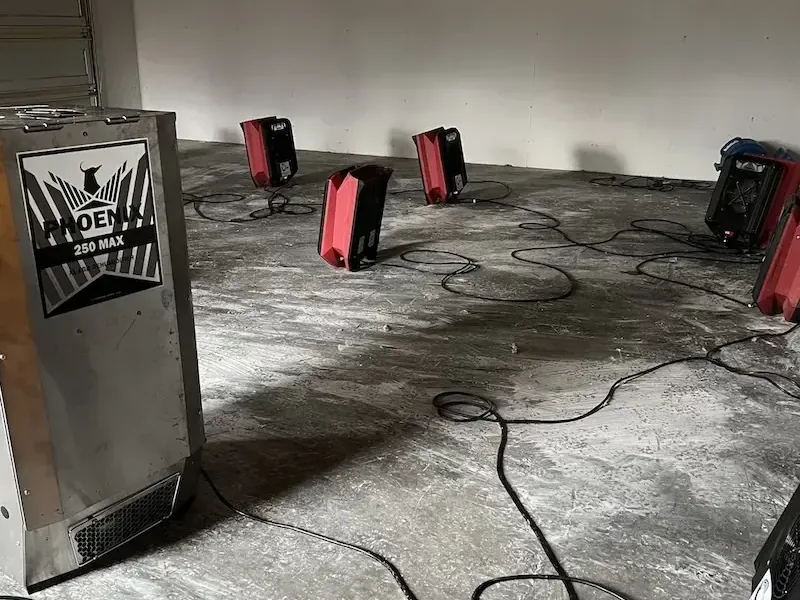
Water rising at a floor joint can be far from the failed pipe. The visible mark is a starting point for assessment, not a cutting instruction. At a Valrico property, plumbing investigation and building moisture checks should work together so the repair opening and restoration scope respond to the same findings.
First steps for slab leak water damage
- Record the floor changes. Photograph damp joints, lifted edges or staining from a safe position. Note whether the patch changes when household water use stops or resumes.
- Arrange source investigation. A plumbing assessment should identify the failed component and proposed repair. Avoid choosing a removal boundary solely from the most visible mark on the floor.
- Protect the access area. Keep belongings away from the suspected wet zone and planned work route. Leave installed flooring undisturbed until concealed hazards and construction are assessed.
- Separate the work decisions. Request clear descriptions of leak repair, floor access and surrounding water damage. Each task can have a different purpose and completion requirement.
How slab leak water damage works
Compare surface and concealed clues
Inspection combines floor condition, accessible moisture readings and the plumbing findings. The resulting map establishes where restoration work should extend beyond the actual pipe access opening.
Coordinate selective exposure
Access decisions account for the installed finish, services beneath it and repair requirements. The owner receives a defined removal area instead of an unexplained broad demolition allowance.
Dry retained surrounding materials
After source control and necessary removal, equipment addresses moisture in accessible assemblies. Readings track progress at floor boundaries and other places where water has traveled.
Document readiness for reinstatement
The closing record identifies the repaired source, retained material condition and any remaining reconstruction tasks. New finishes follow the appropriate moisture and installation requirements.
Start with the assembly beneath the finish
A floor covering can conceal moisture at an adhesive layer, underlayment or slab surface. The assessment needs to establish what is actually installed and whether water has spread to nearby wall bases. Neither the neighborhood name nor the appearance of the top surface settles how the floor should be opened or dried.
For an affected home around Buckhorn Park, a damp edge beneath a cabinet deserves a different access discussion from a clear patch in an open room. A property in Feather Rock or near Valrico Park likewise needs inspection of its own construction before any removal area is chosen.
- Mark visible floor changes so the plumber can compare them with the located pipe route.
- Compare accessible floor areas and adjoining wall bases for hidden moisture spread.
- Coordinate furniture movement with the plumbing access and restoration work boundary.
- Record which finish layers can be retained and which require separate evaluation.
Concealed pipe replacement changes the repair discussion
Hillsborough County requires a permit to remove and replace a defective concealed trap or plumbing pipe with new material. That distinction matters when a leak investigation becomes replacement work. The source repair should be described clearly before the owner approves closing the floor again.
The county also distinguishes ordinary floor covering work from changes to structural components. Cleanup, pipe access, replacement and finish restoration should therefore be separated in the scope. Identifying those tasks early helps avoid treating a complex concealed repair as merely drying the visible wet patch.
Slab Leak Water Damage help
Describe the damp floor, any change in the affected area and the plumbing findings already available. A coordinated assessment can connect the concealed repair with the surrounding restoration needs.
Moisture can travel beyond the opening
Once the plumber has established access, the surrounding materials still need checking. Water may have moved laterally beneath a finish or collected at a wall junction. The smallest practical pipe opening does not automatically define the full restoration boundary, especially where floor layers prevent easy observation.
Targeted structural drying addresses retained assemblies after liquid water and unsuitable materials are dealt with. Equipment selection should reflect the exposed surfaces and available airflow. The record should explain how moisture in less accessible edges will be monitored before replacement flooring covers them.
Leave exploratory cutting to the assessment
Unplanned drilling or cutting can strike concealed services and disturb structural material. Occupants should avoid opening the floor to chase a wet mark. A coordinated access plan should identify hazards, the repair target and the requirements for putting the assembly back together.
Close the floor only after the findings agree
A repaired pipe addresses the source, while drying addresses the water left behind. Both conditions should be documented before finishes return. Retained material condition, moisture readings and the flooring installation requirements all belong in the decision about readiness for reconstruction.
What does slab leak water damage cost in Valrico, FL?
Slab leak water damage costs in Valrico vary with concealed spread, floor layers and the access needed for restoration. These cleanup ranges should be reviewed alongside separate plumbing and reconstruction estimates so the full repair sequence is understood.
Limited floor edge
$1,000 to $2,000
- Localized finish wetness
- Accessible boundary checks
- Focused drying
Several wet assemblies
$2,000 to $4,000
- Connected floor layers
- Wall base assessment
- Selective material removal
Broad concealed spread
$4,000 to $6,000
- Extensive moisture mapping
- Complex drying access
- Repair readiness records
The water damage cost calculator gives an estimate only. The inspection determines the scope, including water category, affected area, material class and drying delay.
Measured care for slab leak water damage
Rapid local response
The response team treats spreading water as urgent and gathers the source, room count and safe access details. Dispatch operates 24/7; conditions and availability determine the response.
IICRC S500 drying standard
The drying crew compares affected assemblies with dry reference materials, adjusts equipment to the evaporation load, and records progress. A dry-looking surface alone does not complete the work.
Claim-ready documentation
The technician links photographs to the moisture map and records material removal, equipment placement and drying readings. That record explains the restoration scope without promising an insurer's decision.
Local water experts
A property inspection distinguishes rain entry, an internal supply leak and contaminated outside water. The restoration plan follows the actual source and materials, with access and safety assessed separately.
Slab leak water damage in Valrico
Concealed leak assessments are available for properties around Buckhorn Park, Feather Rock and Valrico Park. The first discussion should describe floor changes, recent plumbing findings and access limitations, helping separate the source investigation from restoration of the surrounding wet materials.
The same service nearby: slab leak water damage in Lithia, Bloomingdale, Brandon.
Related water damage services in Valrico

Water Extraction and Removal in Valrico
Standing water removal reaches flooring edges and adjoining rooms.
View service details ›
Structural Drying and Dehumidification in Valrico
Material readings guide airflow, humidity control and drying completion.
View service details ›
Burst Pipe Water Damage in Valrico
A stopped supply leak leaves wet layers to inspect and dry.
View service details ›Slab Leak Water Damage questions in Valrico, FL
Does a damp floor prove a pipe beneath the slab failed?
A damp finish establishes a moisture problem, but the source still needs investigation. Water can arrive from an adjoining room, a fixture or another concealed route. Plumbing findings and moisture mapping should be considered together before cutting starts. The restoration scope then follows the affected assemblies rather than assuming the visible patch sits directly above a broken pipe.
Which county rule applies to concealed pipe replacement?
Hillsborough County requires a permit when a defective concealed trap or plumbing pipe is removed and replaced with new material. The proposed plumbing work should be checked against that requirement before the opening is closed. A cleanup estimate should distinguish the pipe replacement from drying and finish repairs, making responsibility for each part of the project clear.
Can flooring stay in place while the area dries?
That depends on the covering, the layers below it, their condition and whether moisture can escape. Some assemblies may be accessible for drying; others can trap moisture or have damage that prevents retention. The decision should be explained for the actual floor. Keeping a finish solely because its top looks acceptable can leave the underlying problem unresolved.
Why inspect wall bases when the leak appears underfoot?
Water can move across a concealed floor layer and reach adjoining wall materials. Trim may hide wet board or framing at the junction. Checking those boundaries helps establish whether the restoration scope should extend beyond the floor opening. The pipe repair location and the outer limit of water damage often answer different questions during the same assessment.
Should the entire room be opened to locate the leak?
The access plan should follow source investigation and the building condition. Broad removal without a clear target can disturb sound material and complicate reconstruction. Selective exposure may be sufficient for the pipe repair, while separate areas need access for drying. The proposed openings should each have a stated purpose and account for concealed services before work begins.
Are a plumbing repair and a dry floor the same milestone?
They are separate milestones. A repaired pipe stops the release, but moisture already held in floor layers and nearby assemblies can remain. Drying measurements and material evaluation establish readiness for finishes. The owner should receive a record that distinguishes source correction, remaining water damage and the later work required to reconstruct the opened floor safely.
What should be saved before damaged floor material is removed?
Photographs, the moisture assessment, a description of the installed layers and the source repair findings help explain the loss. Retain estimates and records of the approved removal boundary as well. Those details support comparison between the initial condition and final drying result, and they help the next contractor understand which areas need finish restoration rather than further investigation.
Make the floor repair sequence clear
Plan access, moisture removal and finish replacement around the actual assembly and the source investigation results.
(888) 621-2041Arrange a slab damage assessment