Sewage Backup Cleanup in Valrico
Wastewater across a bathroom threshold changes how the whole room is handled. Valrico sewage cleanup starts by restricting access, identifying the backup source and preventing contaminated materials from reaching clean spaces.
(888) 621-2041Discuss wastewater inside the property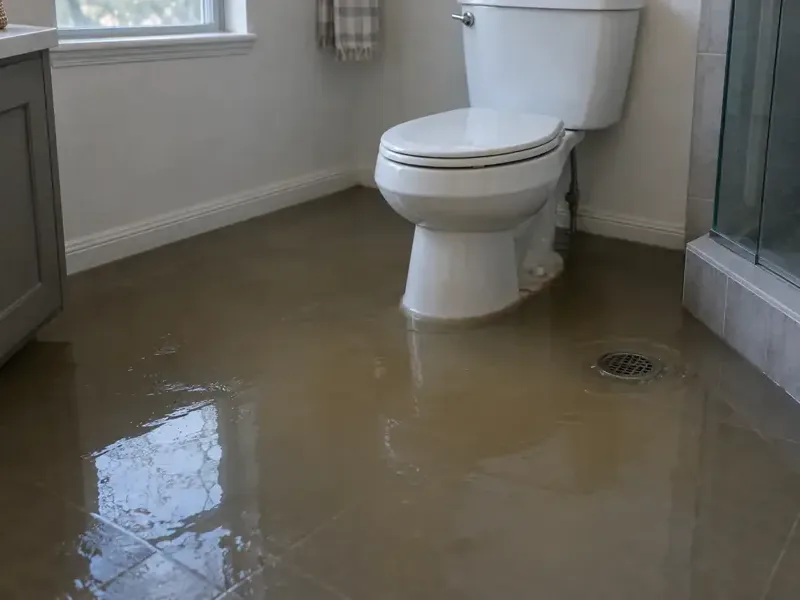
A sewage spill should not become a trail through the building. Once wastewater reaches a floor, movement of shoes, belongings and equipment can carry contamination farther. At a Valrico property, the initial work boundary should include affected surfaces and a controlled route for removing water and unsuitable materials.
First steps for sewage backup cleanup
- Restrict the affected room. Keep children, pets and other occupants outside the wastewater area. Avoid walking through the spill to recover belongings or reach a fixture.
- Reduce further discharge. Stop unnecessary use of affected plumbing while the backup is assessed. Report continuing flow and any other fixtures showing similar trouble in the building.
- Document without contact. Take photographs from a clean threshold if possible. Record where the water appeared first and which rooms it reached before access was restricted.
- Arrange source and cleanup assessment. A plumbing or utility investigation and interior recovery may both be needed. Explain suspected main issues and the condition of the occupied rooms.
How sewage backup cleanup works
Define contamination limits
The assessment follows wastewater across finishes and into accessible cavities. A controlled work boundary and removal route are established before affected belongings or building materials are handled.
Recover water and unsuitable items
Extraction and selective removal address contaminated liquid and materials that cannot be retained. Handling decisions account for cleanability, access and protection of unaffected areas.
Clean exposed retained surfaces
Accessible suitable surfaces receive the required cleaning treatment before the drying stage. The work record identifies treated areas and any concealed spaces that still need attention.
Verify the remaining recovery work
Inspect retained materials and assess moisture conditions after cleaning. Document source repair status, replacement needs and the conditions that must be met before normal room use resumes.
Report the backup and establish its source
Hillsborough County directs broken main and sewer backup emergencies causing property damage to Water Resources. That reporting route belongs alongside a property assessment when a public pipe concern is suspected. It does not replace the separate work of cleaning contaminated rooms and evaluating the building materials exposed inside.
A backup near Valrico Park, Buckhorn Park or Feather Rock still requires investigation of the actual connection and failed component. Continued fixture use can add water to an unresolved blockage. Describe which fixtures discharged and whether the problem changes when other plumbing is used.
Set a boundary before belongings move
Children, pets and unnecessary foot traffic should remain outside the affected area. The cleanup plan needs a destination for removed items and a route that protects dry rooms. Soaked porous contents should not be placed onto clean carpet while the owner decides what can be retained.
- Identify all surfaces touched by wastewater, including low cabinet edges and thresholds.
- Separate washable belongings from porous items needing a different handling decision.
- Plan bagging and removal before opening wet finishes or moving debris.
- Keep cleaning equipment and recovery paths from crossing unaffected living areas unnecessarily.
Sewage Backup Cleanup help
Report which fixtures backed up and how far the wastewater spread. A clear description helps establish the contaminated work boundary and the source investigation needed alongside cleanup.
Material condition determines the recovery scope
Hard surfaces that can be properly accessed may be suitable for cleaning. Absorbent layers and concealed cavities need closer evaluation because contamination can extend beyond the exposed face. A surface wipe does not address wastewater absorbed into backing, insulation or another inaccessible material.
After removal and cleaning, retained assemblies may still require moisture reduction and monitoring. Drying equipment belongs in a coordinated cleanup sequence. Placing ordinary fans across dirty water before the affected area is controlled can spread contamination and complicate recovery.
Avoid contact with the backup
Occupants should stay out of sewage water and leave cleanup chemicals unmixed. Wet electrical equipment creates an additional hazard. The safest immediate action is to restrict the room and arrange assessment of the source and contaminated area from a dry location.
Reopening needs more than an empty floor
The closing assessment should account for exposed finishes, cleaned surfaces and moisture left in retained materials. The owner needs to know what was removed, what was treated and which repairs remain. Source correction should also be documented so the same discharge does not refill the restored space.
What does sewage backup cleanup cost in Valrico, FL?
Valrico sewage cleanup ranges vary with the contaminated area, porous finishes and removal access. The written estimate should identify wastewater recovery, cleaning and drying separately from clearing the blockage or repairing the failed drain component.
Small hard-floor backup
$1,500 to $3,000
- Limited affected surfaces
- Controlled water recovery
- Accessible cleaning
Multiple wet finishes
$3,000 to $5,500
- Porous material assessment
- Selective contaminated removal
- Retained surface treatment
Extensive contamination
$5,500 to $8,000
- Broad work boundary
- Complex contents handling
- Post cleaning drying
The water damage cost calculator gives an estimate only. The inspection determines the scope, including water category, affected area, material class and drying delay.
Measured care for sewage backup cleanup
Rapid local response
The response team treats spreading water as urgent and gathers the source, room count and safe access details. Dispatch operates 24/7; conditions and availability determine the response.
IICRC S500 drying standard
The drying crew compares affected assemblies with dry reference materials, adjusts equipment to the evaporation load, and records progress. A dry-looking surface alone does not complete the work.
Claim-ready documentation
The technician links photographs to the moisture map and records material removal, equipment placement and drying readings. That record explains the restoration scope without promising an insurer's decision.
Local water experts
A property inspection distinguishes rain entry, an internal supply leak and contaminated outside water. The restoration plan follows the actual source and materials, with access and safety assessed separately.
Sewage backup cleanup in Valrico
Backup cleanup planning covers homes and business rooms near Valrico Park, Buckhorn Park and Feather Rock. Describe the affected fixtures, the rooms reached by wastewater and any continuing discharge, allowing the first assessment to address both contamination and access safely.
The same service nearby: sewage backup cleanup in Lithia, Bloomingdale, Brandon.
Related water damage services in Valrico

Water Extraction and Removal in Valrico
Standing water removal reaches flooring edges and adjoining rooms.
View service details ›
Structural Drying and Dehumidification in Valrico
Material readings guide airflow, humidity control and drying completion.
View service details ›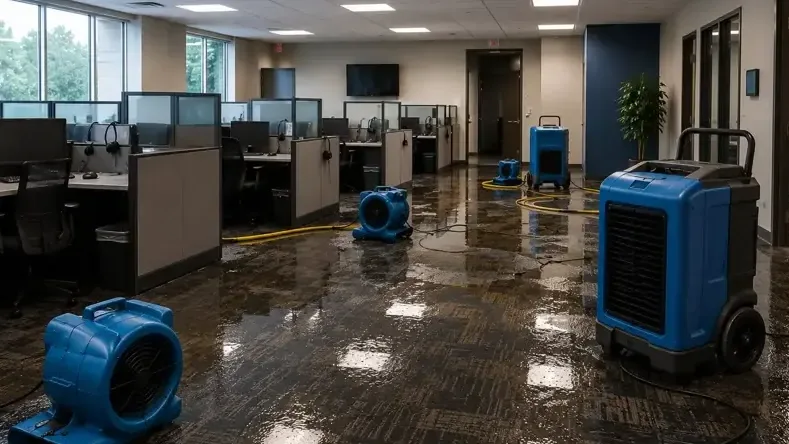
Commercial Water Damage in Valrico
Work areas and access routes are coordinated during commercial drying.
View service details ›Sewage Backup Cleanup questions in Valrico, FL
Should household plumbing remain in use during a backup?
Avoid unnecessary use of affected fixtures until the source is assessed. Additional discharge can enlarge the contaminated area or cause another fixture to overflow. Describe which fixtures are involved and whether water rises when nearby plumbing operates. That information helps the source investigation, while the interior cleanup team determines the separate boundary of materials already exposed.
When does the county reporting route apply?
Hillsborough County directs broken main and sewer backup emergencies causing property damage to Water Resources. A suspected main problem should be reported with a clear account of the property damage and continuing discharge. Interior cleanup and any private plumbing assessment remain separate tasks, so the owner should coordinate both needs instead of assuming the report completes the recovery.
Can towels or ordinary fans deal with the spill?
Absorbing some visible liquid does not address contamination in adjoining materials. Ordinary fans can move contaminated droplets or dust into other spaces when used before proper control and cleaning. Keep the area restricted and arrange an appropriate assessment. Recovery should consider the source, exposed finishes and removal route before any equipment is positioned to move air.
Does every affected object have to be discarded?
Retention depends on the material, extent of contact and whether it can be thoroughly accessed and cleaned. Some hard items may be recoverable, while porous belongings can require removal. Each decision should be documented rather than treating every object alike. Unaffected possessions should stay apart from contaminated contents throughout handling, inspection and any later return to the room.
Why inspect beyond the bathroom floor?
Wastewater can cross thresholds, reach cabinet bases and enter gaps beside walls. The visible pool may leave out moisture absorbed by nearby finishes. Inspection should follow the actual path into adjoining spaces before the work boundary is settled. Cleaning only the exposed tile can miss contaminated backing or another layer that requires a separate material decision.
Can the room reopen as soon as the smell fades?
Completion requires a check of the cleaned surfaces and retained materials. The room needs source correction, appropriate removal and cleaning, and an assessment of retained material moisture. The closing record should identify any repairs still required. Occupancy should follow the actual condition of the treated area and safe access, rather than a change in smell after the visible water is gone.
What belongs in the record of a sewage loss?
Keep initial photographs, the source findings, the affected room list and the decisions about contents and finishes. Cleanup documentation should explain what was removed, which surfaces were treated and where drying was needed. A clear record connects the original discharge with the completed work and helps the owner plan reconstruction without overlooking remaining contaminated or damaged material.
Keep recovery organized around clean access
Controlled handling, suitable cleaning and documented drying help prepare the affected space for its remaining repairs.
(888) 621-2041Arrange wastewater damage assessment