Storm and Flood Cleanup in Valrico
Flood recovery begins at the property entrance, before the first wet room. Valrico cleanup planning connects surrounding water conditions with safe access, contaminated contents and the building materials that need removal or drying.
(888) 621-2041Discuss flood affected room access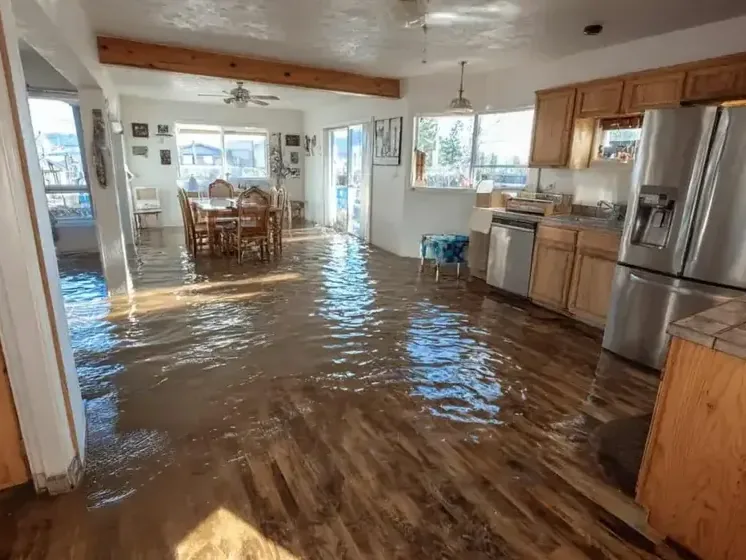
An interior cleanup plan can fail if the entrance remains flooded or outside water continues returning. At a Valrico property, the first storm recovery discussion should establish whether the building can be approached safely. The next questions concern the water source, affected rooms and the condition of items left inside.
First steps for storm and flood cleanup
- Check whether entry is safe. Report water around the building, blocked entrances and visible utility hazards. Stay outside until access and the condition of the affected space permit inspection.
- Preserve the flood marks. Photograph reachable water marks and damaged possessions before removal when safe. Keep the record focused on rooms, materials and the path of incoming water.
- Separate clean belongings. Leave unaffected possessions away from flood exposed contents. A planned removal route helps prevent the cleanup from carrying dirty material through usable rooms.
- Describe continuing outdoor conditions. Mention rising water, repeated entry or a flooded approach when arranging recovery. Exterior conditions can change the order and practicality of interior work.
How storm and flood cleanup works
Assess the building and surroundings
The survey considers safe access, utilities and outdoor water. Inside, assessment follows the flood path and identifies affected materials, contents and hidden moisture locations.
Recover water and remove debris
Accessible water and loose debris are handled under the cleanup plan. Contents and finishes are evaluated for contamination, damage and the practicality of cleaning and retention.
Clean the retained work area
Suitable exposed surfaces are treated after necessary removal. The work boundary and equipment route remain controlled so unaffected spaces stay separate from contaminated material handling.
Dry and record remaining repairs
Retained assemblies receive measured drying after cleaning. The completion record identifies treated rooms, moisture results and rebuilding needs, along with any unresolved protection against further water entry.
Separate the neighborhood drainage situation from indoor damage
Feather Rock experienced flooded streets after Hurricane Milton. An October 19, 2024 report described water entering some homes and residents being displaced. Hillsborough County attributed the continuing flooding to high downstream creeks and natural waterbodies, while describing checks for drainage obstructions and pumps ready as downstream conditions allowed.
Separate reporting on October 14, 2024 described severe flooding near the Alafia River, including effects on homes, schools and businesses. These events show why exterior access belongs in a recovery discussion. A property near Valrico Park still needs its own assessment of present conditions and actual building exposure.
Build the cleanup boundary around everything the water touched
Outside water can carry debris and contamination across floors, into wall bases and through stored contents. The visible water mark helps identify the path, but absorbent finishes and hidden gaps may extend the affected area. Cleanup should account for those layers before normal traffic returns through the building.
- Photograph water marks and damaged belongings from an accessible safe location.
- Keep clean possessions apart from items exposed to the incoming floodwater.
- Identify wet insulation, backing and enclosed floor layers during the assessment.
- Plan debris removal so contaminated materials do not cross clean occupied rooms.
Standing water recovery can expose the floor for closer inspection. It is followed by material decisions and cleaning, with drying reserved for assemblies that remain suitable for retention. The work order should explain these stages clearly.
Storm and Flood Cleanup help
Describe the current entrance conditions and the rooms floodwater reached. Recovery planning can then address access, contaminated contents and the materials that need attention after water recedes.
Safe entry remains a separate decision
A receding water level does not settle electrical safety or the stability of damaged finishes. Occupants should wait for appropriate assessment before moving through the affected building. The same caution applies to powered equipment and belongings that were submerged or left beneath weakened ceilings.
Keep people out of floodwater
Flooded approaches and wet electrical areas require caution beyond ordinary housekeeping. Avoid wading inside to retrieve possessions or operate equipment. A dry vantage point is preferable for documenting damage until access, utilities and the condition of the building have been assessed.
Use property specific information for the next decisions
Hillsborough County provides an effective flood zone viewer and a separate floodplain viewer based on watershed studies. Those tools address property context, while the cleanup inspection establishes the current loss. Neither a community label nor a general flood map replaces examination of wet building materials.
The final recovery record should connect entry conditions, removed materials and drying results. Outstanding source protection and reconstruction tasks should remain visible so the return to normal use follows the actual progress at the property.
What does storm and flood cleanup cost in Valrico, FL?
Storm cleanup ranges in Valrico reflect flooded room count, contamination, contents and removal access. The estimate should explain extraction, material handling, cleaning and drying, with reconstruction and measures to address continuing water entry identified as separate work.
Limited outside-water entry
$2,000 to $4,000
- Contained flooded area
- Initial contents sorting
- Accessible surface cleaning
Multiple flooded rooms
$4,000 to $8,000
- Connected contamination boundary
- Selective finish removal
- Coordinated drying zones
Broad interior flooding
$8,000 to $12,000+
- Extensive debris handling
- Complex recovery access
- Detailed repair documentation
The water damage cost calculator gives an estimate only. The inspection determines the scope, including water category, affected area, material class and drying delay.
Measured care for storm and flood cleanup
Rapid local response
The response team treats spreading water as urgent and gathers the source, room count and safe access details. Dispatch operates 24/7; conditions and availability determine the response.
IICRC S500 drying standard
The drying crew compares affected assemblies with dry reference materials, adjusts equipment to the evaporation load, and records progress. A dry-looking surface alone does not complete the work.
Claim-ready documentation
The technician links photographs to the moisture map and records material removal, equipment placement and drying readings. That record explains the restoration scope without promising an insurer's decision.
Local water experts
A property inspection distinguishes rain entry, an internal supply leak and contaminated outside water. The restoration plan follows the actual source and materials, with access and safety assessed separately.
Storm and flood cleanup in Valrico
Flood assessments consider properties near the Alafia River, Feather Rock and Valrico Park individually. Report current outdoor conditions and whether a dry entrance remains available. The recovery scope follows the actual building exposure, affected rooms and safe route for equipment.
The same service nearby: storm and flood cleanup in Lithia, Bloomingdale, Brandon.
Related water damage services in Valrico
Water Extraction and Removal in Valrico
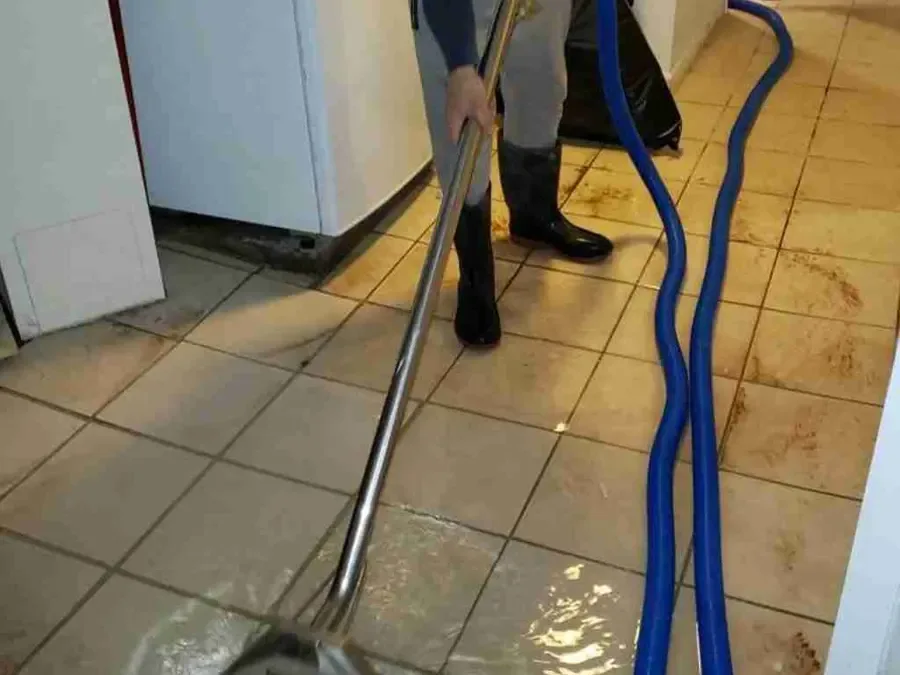
Standing water removal reaches flooring edges and adjoining rooms.
View service details ›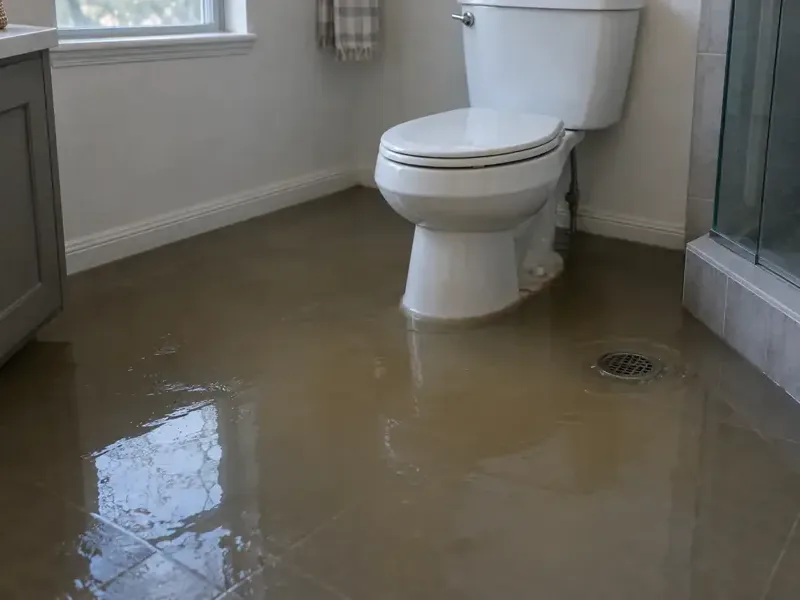
Sewage Backup Cleanup in Valrico
Contaminated water requires controlled removal and surface cleaning.
View service details ›
Structural Drying and Dehumidification in Valrico
Material readings guide airflow, humidity control and drying completion.
View service details ›Storm and Flood Cleanup questions in Valrico, FL
Can indoor cleanup proceed while the approach is flooded?
The approach and building access need assessment before recovery equipment enters. Ongoing exterior water can create hazards, restrict removal routes and cause repeated entry. Describe present conditions rather than relying on an earlier water level. The initial plan should explain which interior tasks are practical and what exterior changes or safety decisions are needed before the work advances.
What happened in Feather Rock after Hurricane Milton?
Reporting on October 19, 2024 described flooded streets, water inside some homes and displaced residents. The county connected continuing flooding with high downstream creeks and natural waterbodies. That event provides useful context for discussing access and drainage during recovery. The condition of an individual property still determines its own extraction, cleaning and material removal needs after water enters.
Should all belongings be moved outside immediately?
Contents need a handling plan that accounts for safe access, weather exposure and contamination. Moving soaked items across clean rooms or mixing them with dry possessions can enlarge the loss. Photograph the initial condition where practical and establish a suitable destination before removal. Retention decisions should consider the material and whether it can be accessed and cleaned effectively.
Does receding floodwater mean the building is safe?
No single change in outdoor water establishes interior safety. Electrical equipment, unstable finishes and contaminated surfaces can remain hazardous after water recedes. Appropriate assessment should address those conditions before occupants return to normal use of the space. The cleanup sequence also needs to account for hidden wet layers that are no longer visible once the floor clears.
Are flood maps enough to determine the cleanup scope?
Flood maps provide property context rather than a room by room damage assessment. Hillsborough County offers separate effective flood zone and watershed floodplain viewers. Interior recovery still depends on the actual entry path, contamination and materials affected. Keep map information alongside the loss documentation while allowing inspection findings to establish what must be removed, cleaned, dried or repaired.
Why does drying come after removal and cleaning?
Floodwater can leave debris and contamination on surfaces and inside absorbent finishes. Material decisions and cleaning establish which assemblies are suitable to retain before drying equipment is used. Moving air across untreated contamination can spread it. A coordinated sequence therefore addresses accessible water, unsuitable materials and surface treatment before monitoring the moisture remaining in the retained building assemblies.
What records help explain storm recovery work?
Useful records include safe initial photographs, water marks, the affected room list and decisions about contents and finishes. Later notes should show removal, cleaning and moisture progress. Separate the immediate cleanup from reconstruction and future protection measures. This makes it easier to understand what has been completed and which conditions still need attention before the property returns to normal use.
Turn the flood path into a work plan
A documented sequence connects safe entry with cleanup, drying and the repairs that remain afterward.
(888) 621-2041Arrange an interior flood assessment