Crawl Space Water Removal in Valrico
Water beneath a raised floor can remain unnoticed from the rooms above. Valrico underfloor cleanup begins by confirming the actual space, safe entry conditions and the wet materials overhead before recovery equipment is selected.
(888) 621-2041Discuss water beneath the raised floor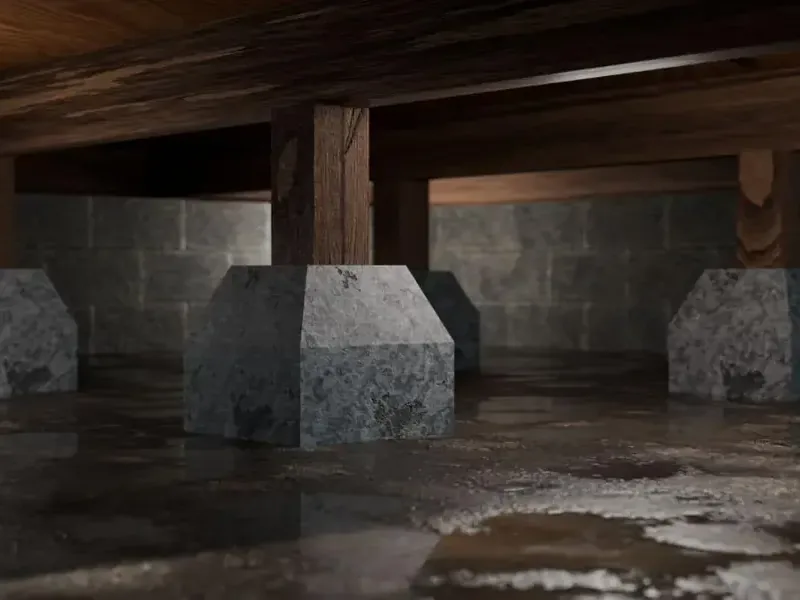
An underfloor water report needs a view of the actual building arrangement. Some properties have an accessible space beneath a raised floor, and those spaces can conceal pooling beyond the entry opening. In Valrico, removal planning starts by establishing the layout and hazards instead of assuming a particular foundation from the location alone.
First steps for crawl space water removal
- Observe from the opening. Describe visible water without entering. Mention exposed wiring, fallen insulation or damaged supports that may affect safe assessment beneath the floor.
- Note possible source clues. Report recent plumbing trouble, outside pooling or water returning after removal. The source investigation should proceed alongside planning for the underfloor recovery work.
- Keep the approach clear. Leave the access opening unobstructed from a safe position. Avoid storing removed wet material in occupied rooms or blocking the route needed for equipment.
- Arrange an assembly assessment. The inspection should include the floor above the pool, not just the water itself. Insulation and supporting materials may require separate treatment or repair.
How crawl space water removal works
Establish the accessible work area
The survey identifies entry limitations, utilities and layout. Safe reach and contamination concerns determine how recovery and material handling can proceed beneath the building.
Remove reachable pooled water
Suitable equipment recovers standing liquid while the source and discharge route are considered. Returning water or inaccessible pockets are documented rather than hidden by the initial pumping result.
Evaluate overhead wet materials
Insulation, floor members and supports are checked according to condition and exposure. Removal or retention decisions account for access, structural concerns and the practicality of drying each assembly.
Monitor the underfloor drying condition
Readings track retained materials beyond the opening. The completion record identifies treated areas, repair requirements and any limitations needing further attention.
Assess access before anyone crawls inside
A low opening, standing water and limited movement can make entry difficult. Electrical components, damaged supports and contaminated water add concerns that require appropriate assessment. Occupants should describe what is visible from outside the opening rather than entering to measure the pool or reach a pipe.
At a property near Feather Rock, Buckhorn Park or Valrico Park, the access route and underfloor construction must be inspected individually. Equipment needs a practical path to the water, while removed insulation and debris need a route that protects the living space above.
Distinguish outside entry from a plumbing release
Feather Rock experienced continuing flooding after Hurricane Milton, with high downstream waterbodies affecting drainage. A current underfloor pool could also involve a plumbing source that needs separate investigation. The assessment should determine what is feeding the space before the owner treats pumping as a lasting solution.
- Identify visible inflow and whether the pool returns after water is removed.
- Check wet insulation hanging beneath the floor for damage and contamination.
- Inspect accessible supports and floor members above the standing water.
- Plan recovery and discharge without sending water toward another vulnerable area.
Source correction may require plumbing work or attention to outside conditions. The cleanup estimate should name those dependencies alongside the accessible water removal, keeping responsibility for each task clear throughout the project.
Crawl Space Water Removal help
Describe the underfloor opening and what is visible from outside it. Safe access planning can connect pooled water removal with the wet insulation and supports above.
The pool and the floor above need different work
Extraction lowers standing water, while damp insulation and structural materials need separate evaluation. Air movement through a restricted space can be uneven, and closed pockets may hold moisture after the entry area looks improved. Structural drying should follow the inspected layout and retained material condition.
Leave restricted wet spaces for assessment
Do not enter a flooded crawl space to set a household fan or adjust wiring. Limited clearance can make retreat difficult if conditions change. A safe work approach must account for utilities, supports, water condition and the available opening before entry.
Keep structural decisions separate from pumping
Hillsborough County requires a permit for removal or cutting of a structural beam or load bearing support. Damaged members therefore need a repair discussion beyond the water removal scope. Drying suitable retained material and replacing compromised structural components are different activities.
The final record should identify where water was removed, what remained overhead and which areas were checked for moisture. Any inaccessible pocket or outstanding repair needs a clear next action before the space is treated as restored.
What does crawl space water removal cost in Valrico, FL?
Crawl space removal ranges in Valrico depend on clearance, pooling extent and wet insulation or supports. The estimate should describe access assumptions, water recovery and drying while identifying source correction and structural repairs outside the cleanup scope.
Accessible pooled area
$1,200 to $2,500
- Reachable underfloor water
- Entry condition assessment
- Limited recovery setup
Water and wet insulation
$2,500 to $4,500
- Insulation material decisions
- Controlled debris handling
- Overhead moisture checks
Extensive underfloor wetness
$4,500 to $6,500
- Restricted space coordination
- Broader assembly drying
- Remaining repair documentation
The water damage cost calculator gives an estimate only. The inspection determines the scope, including water category, affected area, material class and drying delay.
Measured care for crawl space water removal
Rapid local response
The response team treats spreading water as urgent and gathers the source, room count and safe access details. Dispatch operates 24/7; conditions and availability determine the response.
IICRC S500 drying standard
The drying crew compares affected assemblies with dry reference materials, adjusts equipment to the evaporation load, and records progress. A dry-looking surface alone does not complete the work.
Claim-ready documentation
The technician links photographs to the moisture map and records material removal, equipment placement and drying readings. That record explains the restoration scope without promising an insurer's decision.
Local water experts
A property inspection distinguishes rain entry, an internal supply leak and contaminated outside water. The restoration plan follows the actual source and materials, with access and safety assessed separately.
Crawl space water removal in Valrico
Underfloor assessments are available for suitable properties around Feather Rock, Buckhorn Park and Valrico Park. Describe the access opening, visible pooling and any plumbing symptoms. The building inspection establishes whether an accessible crawl space exists and which materials need attention.
The same service nearby: crawl space water removal in Lithia, Bloomingdale, Brandon.
Related water damage services in Valrico
Water Extraction and Removal in Valrico
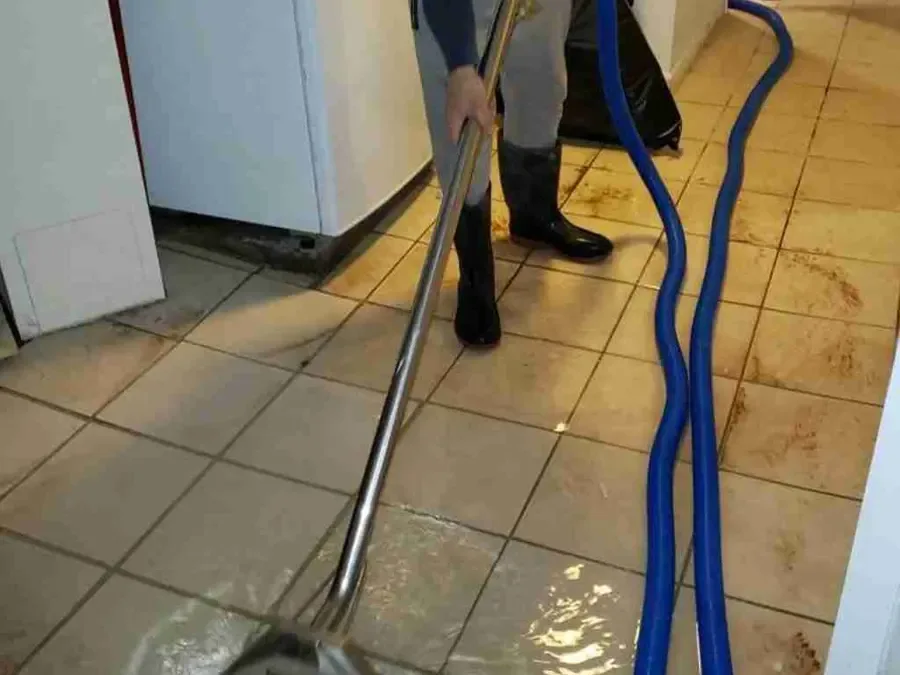
Standing water removal reaches flooring edges and adjoining rooms.
View service details ›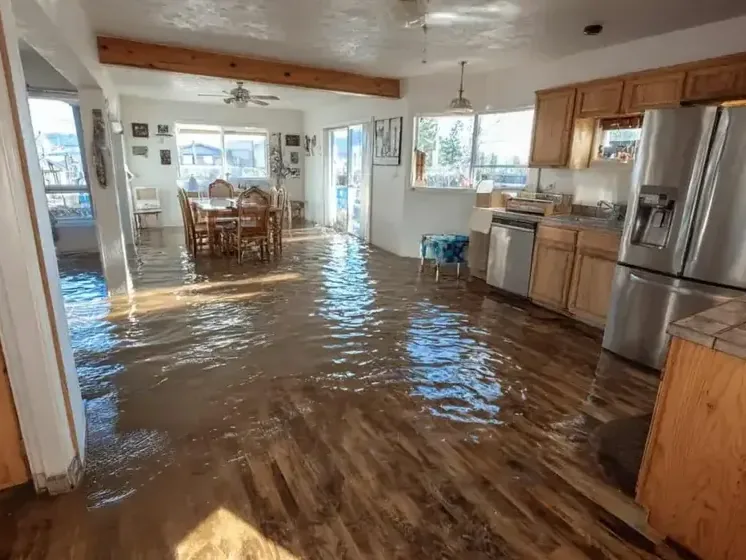
Storm and Flood Cleanup in Valrico
Outside floodwater needs an entry assessment and a cleanup plan.
View service details ›
Structural Drying and Dehumidification in Valrico
Material readings guide airflow, humidity control and drying completion.
View service details ›Crawl Space Water Removal questions in Valrico, FL
Does every property in the community have a crawl space?
The building's construction must be established at the property. This service applies where an accessible underfloor space exists and water has affected it. The initial discussion should describe the opening and visible conditions, followed by an inspection of the actual layout. The location alone does not determine the foundation arrangement or the method appropriate for recovering water beneath the floor.
Is it safe to enter just long enough to place a pump?
Standing water, electrical components, limited clearance and damaged supports can make brief entry hazardous. Occupants should remain outside until the work approach has been assessed. Useful information can often be provided from the opening without crawling inside. Equipment placement should follow safe access planning and consideration of the water source, contamination and the available route out of the space.
What happens if the water returns after pumping?
Returning water means the ongoing source and surrounding conditions need further attention. The pool may be fed by plumbing, outside entry or another route that the assessment must identify. Recovery can remove accessible liquid, but lasting progress depends on addressing continued inflow. The written plan should explain that dependency and separate source correction from the underfloor cleanup work already completed.
Does removing the pool dry the floor above it?
The floor assembly and insulation can remain damp after standing water is recovered. Moisture may also persist in supports or restricted pockets beyond the entry. Those materials require inspection and a drying plan based on access and condition. The completion decision should include the overhead assembly rather than relying only on the appearance of the ground or other surface beneath it.
Can wet insulation stay beneath the floor?
Retention depends on material condition, contamination and whether it can be accessed and dried suitably. Sagging or damaged insulation may need removal to expose the floor assembly and prevent hidden moisture from remaining. The assessment should record the reason for each material decision. Replacement timing should account for drying and any repairs to the supporting structure before the underfloor area is closed again.
What if inspection finds damage to a support?
Structural damage needs a repair assessment separate from pumping and drying. Hillsborough County identifies removal or cutting of a structural beam or load bearing support as permit work. The cleanup plan should flag that finding and preserve access for the appropriate repair decision. Drying suitable retained wood does not substitute for evaluating a member whose condition may affect the building's support.
What should the final underfloor record include?
The record should describe the accessible layout, water removal area, insulation decisions and moisture findings for retained materials. It should also identify the source status, outstanding repairs and any pockets that could not be evaluated. Clear documentation helps the owner distinguish completed recovery from additional work beneath the floor and avoids treating an improved entrance view as the condition of the entire space.
Account for the space beyond the opening
An inspected removal and drying scope helps identify remaining moisture and any separate structural repair needs.
(888) 621-2041Arrange underfloor water assessment