Structural Drying and Dehumidification in Valrico
An empty puddle leaves a second question: what still holds water? Valrico structural drying follows moisture in retained building materials and adjusts equipment around the actual assemblies, access and progress readings.
(888) 621-2041Discuss retained material moisture
A room can look orderly while its floor edges or wall framing remain damp. Structural drying in Valrico addresses moisture held inside materials after accessible water has been removed. The aim is a documented material condition that supports the next repair stage, rather than equipment running for an arbitrary period.
First steps for structural drying and dehumidification
- Describe completed cleanup work. Identify the source, extraction performed and removed finishes. The drying assessment needs a clear starting condition rather than only a list of wet rooms.
- Keep measurement areas accessible. Avoid replacing trim, covering floor edges or refilling storage spaces before moisture checks. Access allows retained assemblies to be evaluated consistently during the drying process.
- Report changes in conditions. Mention renewed leaks, equipment interruptions or adjustments to room access. Those changes can affect readings and the decisions about equipment placement or continued drying.
- Request a documented target. The work plan should explain which materials are being monitored and how readiness will be assessed. That record connects equipment use with the upcoming repair stage.
How structural drying and dehumidification works
Establish the moisture starting point
The survey maps retained wet assemblies and records readings. Material condition, source control and openings determine the drying boundary and measurements needed to track it.
Configure the drying environment
Air movement and dehumidification are arranged around the room layout and exposed surfaces. Safe power, occupant access and moisture trapped behind finishes are considered before equipment operates.
Assess readings and adjust access
Progress checks compare material conditions over time. Slow or uneven change prompts assessment of airflow, hidden moisture and continuing entry rather than an automatic extension without explanation.
Document the reconstruction handoff
The closing record identifies measured areas, the drying result and remaining material damage. Repair planning follows those findings so new finishes do not conceal an unresolved wet assembly.
Choose the materials that can remain
Drying begins with decisions about contamination, physical damage and access. A swollen finish or unsuitable porous layer may need removal, while sound exposed framing can be evaluated for retention. Equipment planning should follow those decisions so air is not simply directed at a surface covering the wettest part of an assembly.
A property near Valrico Park may have opened wall bases, while a room near Buckhorn Park still has layered flooring in place. A Feather Rock property likewise needs a plan based on its inspected materials. The useful distinction is how each assembly holds and releases moisture.
- Identify the source status before treating readings as evidence of drying progress.
- Mark measurement locations so later checks can be compared with the starting condition.
- Record access limitations where a finish prevents direct assessment of hidden layers.
- Keep damaged structural components separate from materials suitable for drying and retention.
Air movement and moisture removal work together
Air movers help moisture leave exposed surfaces, while dehumidification manages water vapor in the drying area. Equipment placement depends on room layout, affected materials and safe power arrangements. A closed cavity or blocked floor edge may need a different access solution rather than more equipment pointed toward the same obstruction.
Water extraction and cleaning belong earlier when liquid or contamination remains. Once the drying environment is established, changing readings help determine whether the arrangement is working. The record should explain adjustments rather than merely counting equipment left in the room.
Structural Drying and Dehumidification help
Describe the materials still wet and the cleanup already completed. A drying assessment can establish useful measurement points and an equipment plan suited to the exposed assemblies.
Drying does not replace a structural repair assessment
Hillsborough County lists removal or cutting of structural beams and load bearing supports as work requiring a permit. A damaged member needs evaluation within that repair context. The moisture condition is part of the picture, but a dry piece of material can still have physical damage requiring attention.
Keep equipment settings coordinated
Moving air movers, covering outlets or changing the drying area can alter performance and create safety problems. Occupants should keep approved access routes clear and discuss needed changes with the people managing the work. Any interruption or new water entry should be recorded.
Use the final readings to plan reconstruction
The closing assessment should show which retained materials were tested, how they compare with the drying goal and what remains unresolved. Flooring, wall closure and replacement insulation each need an appropriate starting condition. A dry surface feel alone is too limited to support that handoff.
Clear records also explain why equipment can leave one area while another continues drying. Progress follows the material and access conditions in each part of the building.
What does structural drying and dehumidification cost in Valrico, FL?
Structural drying ranges in Valrico depend on wet material volume, access and the number of drying zones. The estimate should identify equipment, monitoring and necessary openings, while separating source repairs and reconstruction from the work of removing retained moisture.
One drying zone
$1,000 to $2,000
- Defined wet assembly
- Focused equipment setup
- Progress moisture checks
Several wet assemblies
$2,000 to $3,500
- Connected material monitoring
- Coordinated airflow arrangement
- Selective access assessment
Dense or broad moisture load
$3,500 to $5,000
- Complex retained materials
- Multiple drying conditions
- Detailed completion record
The water damage cost calculator gives an estimate only. The inspection determines the scope, including water category, affected area, material class and drying delay.
Measured care for structural drying and dehumidification
Rapid local response
The response team treats spreading water as urgent and gathers the source, room count and safe access details. Dispatch operates 24/7; conditions and availability determine the response.
IICRC S500 drying standard
The drying crew compares affected assemblies with dry reference materials, adjusts equipment to the evaporation load, and records progress. A dry-looking surface alone does not complete the work.
Claim-ready documentation
The technician links photographs to the moisture map and records material removal, equipment placement and drying readings. That record explains the restoration scope without promising an insurer's decision.
Local water experts
A property inspection distinguishes rain entry, an internal supply leak and contaminated outside water. The restoration plan follows the actual source and materials, with access and safety assessed separately.
Structural drying and dehumidification in Valrico
Drying assessments address buildings around Valrico Park, Buckhorn Park and Feather Rock. Explain the original water source, material removal already completed and rooms still affected. The plan follows retained assemblies and available access, with readings used to evaluate progress throughout the work.
The same service nearby: structural drying and dehumidification in Lithia, Bloomingdale, Brandon.
Related water damage services in Valrico

Water Extraction and Removal in Valrico
Standing water removal reaches flooring edges and adjoining rooms.
View service details ›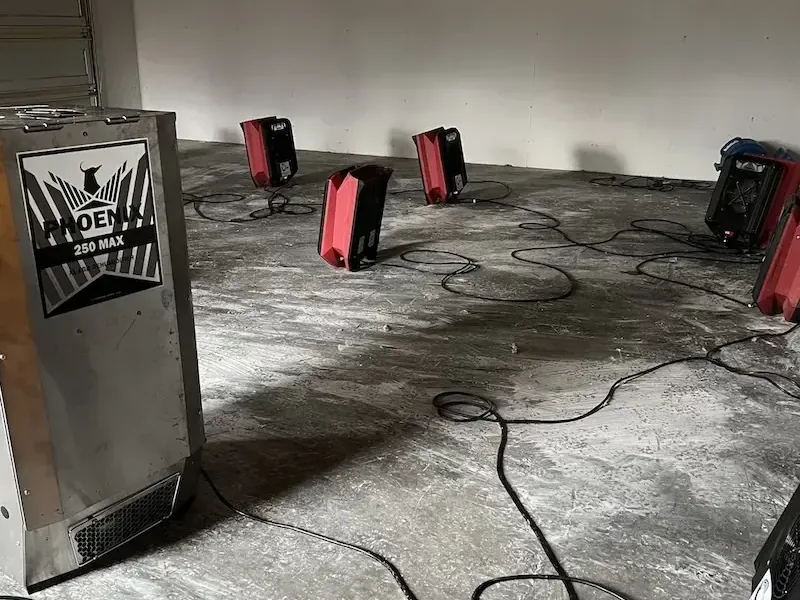
Slab Leak Water Damage in Valrico
Moisture mapping guides drying after an underfloor pipe repair.
View service details ›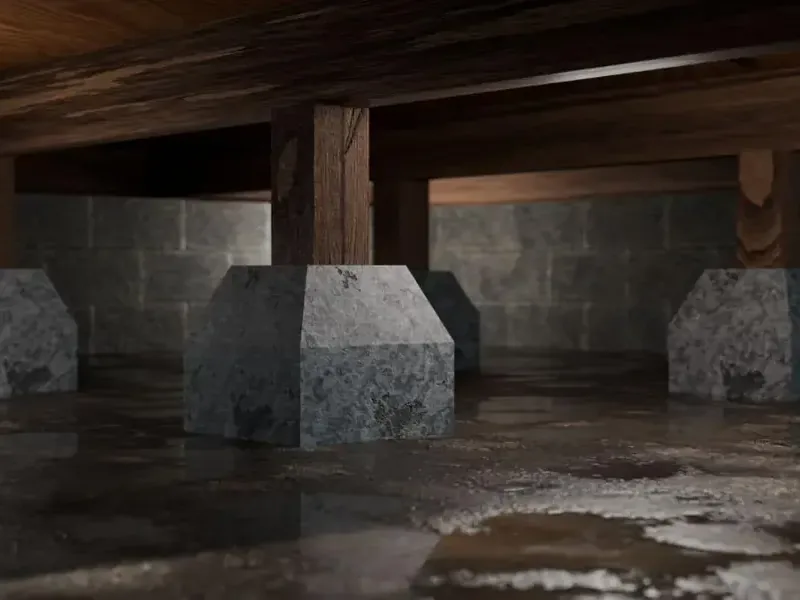
Crawl Space Water Removal in Valrico
Underfloor water removal starts with safe entry and pumping access.
View service details ›Structural Drying and Dehumidification questions in Valrico, FL
Why is drying needed after extraction has removed the water?
Extraction recovers liquid that equipment can reach, while building materials may still hold absorbed moisture. Wall framing, floor layers and insulation can therefore need additional treatment after the floor looks clear. Drying planning identifies which materials are suitable to retain and how their condition will be monitored. That separates successful water removal from readiness to reconstruct the affected rooms.
How is the equipment arrangement selected for a room?
Placement depends on the exposed materials, room geometry, available power and access to the wet areas. Air movement and dehumidification should work together within that setting. A blocked cavity or concealed floor layer may require an access decision before equipment can be effective. The plan should explain how the arrangement addresses the actual assemblies rather than simply listing machines.
Can occupants switch off equipment when the room feels dry?
Changes should be coordinated with the people monitoring the work. The air and exposed surface may feel dry while moisture remains deeper in an assembly. Interruptions can also affect progress readings and the timing of the next assessment. If equipment interferes with necessary access or creates a concern, the setup should be reviewed instead of altered without updating the drying plan.
What makes one area dry more slowly than another?
Materials differ in thickness, layering and ability to release moisture, and access can vary across the same room. Concealed pockets or renewed water entry can also affect progress. Readings should help explain those differences. A slower area may need a change in access or equipment placement, with the reason documented before the drying period is extended for that assembly.
Does dry framing automatically mean structural repairs are unnecessary?
Moisture condition and physical integrity are separate questions. A member can be dry yet damaged in a way that requires repair assessment. Hillsborough County identifies removal or cutting of structural beams and load bearing supports as permit work. The restoration record should flag those concerns distinctly, so drying suitable retained material is not mistaken for resolving a damaged support.
When can new flooring or wall finishes be installed?
Installation follows the condition required for the particular material and repair method. The drying record should identify the assemblies checked and any remaining moisture or damage. Source control must also be established so new work is not exposed to another release. Closure should rely on those findings rather than a general impression that the room has been running equipment long enough.
What information belongs in a useful drying closeout?
A useful record describes the affected assemblies, measurement locations, progress observations and final condition. It should identify material removed, areas retained and any unresolved access or repair needs. Equipment changes and interruptions are relevant when they affected the work. Together those details explain the transition from cleanup to reconstruction and help the owner understand why drying is considered complete in each area.
Let the moisture findings direct the next repair
Documented progress helps coordinate equipment removal, retained materials and the return of floor and wall finishes.
(888) 621-2041Arrange a measured drying assessment