Water Extraction and Removal in Valrico
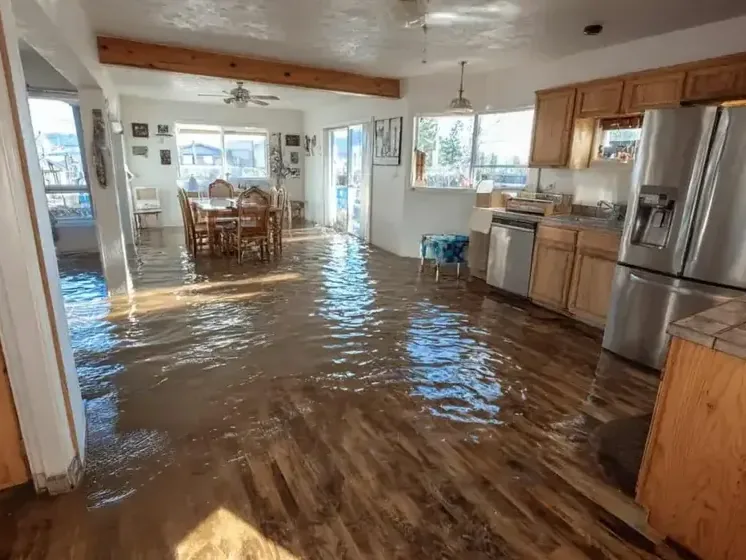
A room full of water needs more than a pump location. Valrico extraction planning starts with a safe approach, the source of continuing entry and the materials sitting beneath the visible water.
(888) 621-2041Discuss pooled water removal
The deepest puddle is not always the best starting point. Before equipment enters a Valrico property, the approach needs checking for electrical hazards, unstable finishes and continuing water flow. Once access is suitable, the assessment follows the pooled water into connected rooms and establishes which surfaces can support safe extraction work.
First steps for water extraction and removal
- Check the entry route. Keep occupants outside rooms with electrical exposure, shifting flooring or overhead damage. Describe those conditions before anyone brings recovery equipment into the building.
- Limit active inflow. Arrange safe source control where possible. An indoor supply release and outdoor flood entry require different responses before extraction can make lasting progress.
- Leave a clear approach. Move unaffected small belongings only from safe areas. Avoid carrying soaked items into clean rooms or blocking doorways needed for equipment and inspection.
- Preserve the starting view. Photograph visible water and affected finishes without entering hazards. Note whether levels are rising, falling or unchanged while help is being arranged.
How water extraction and removal works
Map accessible standing water
The assessment identifies connected pools, floor transitions and blocked areas. Equipment choices follow the actual water volume, contamination concerns and access available inside the property.
Recover pooled liquid
Suitable extraction equipment removes reachable water while hoses and power arrangements stay coordinated with the safe work route. Continuing entry is monitored during the removal.
Inspect the exposed surfaces
As water recedes, examine finish condition and moisture at boundaries. Check adjoining rooms and concealed edges that may need access beyond the initial extraction area.
Set the follow through scope
Record remaining wet materials, cleaning needs and any selective removal. The next stage addresses moisture that pumping cannot take out of the building assemblies.
Outdoor conditions can affect an indoor pump out
Feather Rock had flooded streets after Hurricane Milton, and some homes took in floodwater. Hillsborough County attributed the continuing flooding to high downstream creeks and natural waterbodies. That history makes the current entry route and surrounding water level practical questions when an owner reports standing water indoors.
A property near Valrico Park or Buckhorn Park needs its own access assessment. Equipment placement should account for the doorway, hose routing and an appropriate discharge destination. Removing water while more enters through the same opening can leave the building wet again.
- Identify whether the source has stopped or continues feeding the room.
- Keep recovery hoses from obstructing the safe route through the building.
- Separate wet contents that block floor access without contaminating dry belongings.
- Check low points and adjoining rooms after the first visible pool disappears.
Extraction reaches the water that equipment can recover
Hard flooring, absorbent finishes and concealed cavities do not release water in the same way. Pumping a deep pool and extracting from a saturated surface are different tasks. The work plan should distinguish accessible liquid from moisture held inside material layers, rather than treating an empty room as a finished cleanup.
Floor coverings may conceal wet backing or underlayment. Trim can hide moisture at wall edges. Those findings determine whether further access, cleaning or selective material removal belongs in the scope. Drying wet building assemblies follows the removal stage when retained materials still hold moisture.
Water Extraction and Removal help
Describe where the water is collecting, whether the entrance is safe and whether the source continues. Those details help establish a useful starting scope for extraction.
Water origin determines the handling precautions
Outside floodwater and drain discharge require attention to contamination as well as volume. A household wet vacuum is not an appropriate reason to enter an unsafe area. A clear work boundary helps prevent occupants from carrying dirty water into unaffected rooms while the recovery approach is assessed.
Leave unsafe water undisturbed
Water around energized appliances, outlets or electrical panels requires appropriate hazard assessment. Occupants should stay clear of those areas. Electrical isolation belongs with someone able to perform it safely, without entering the water to reach a switch or breaker.
Record what remains after standing water leaves
The extraction record should explain which rooms were treated and where moisture remains. Photographs of the newly exposed floor can reveal swelling, debris or separated finishes that were difficult to see beneath the water. Those observations shape cleaning and repair decisions.
An owner comparing estimates should look for the boundary between water removal and later drying. A useful scope names both tasks where needed and identifies source correction separately, so completion of pumping is not mistaken for completion of restoration.
What does water extraction and removal cost in Valrico, FL?
Valrico water extraction planning ranges reflect how much area is connected, the effort needed to reach standing water and the condition of affected surfaces. The estimate should distinguish liquid removal from cleaning, drying equipment and repairs to the source.
One contained room
$500 to $1,200
- Accessible floor water
- Limited hose routing
- Edge inspection
Several connected areas
$1,200 to $2,400
- Linked wet rooms
- Additional recovery passes
- Contents coordination
Extensive water removal
$2,400 to $3,500
- Broad pooled water
- Complex access needs
- Remaining moisture assessment
The water damage cost calculator gives an estimate only. The inspection determines the scope, including water category, affected area, material class and drying delay.
Measured care for water extraction and removal
Rapid local response
The response team treats spreading water as urgent and gathers the source, room count and safe access details. Dispatch operates 24/7; conditions and availability determine the response.
IICRC S500 drying standard
The drying crew compares affected assemblies with dry reference materials, adjusts equipment to the evaporation load, and records progress. A dry-looking surface alone does not complete the work.
Claim-ready documentation
The technician links photographs to the moisture map and records material removal, equipment placement and drying readings. That record explains the restoration scope without promising an insurer's decision.
Local water experts
A property inspection distinguishes rain entry, an internal supply leak and contaminated outside water. The restoration plan follows the actual source and materials, with access and safety assessed separately.
Water extraction and removal in Valrico
Extraction assessments cover affected properties around Feather Rock, Valrico Park and Buckhorn Park. Describe exterior water, the available entrance and the rooms involved when arranging help, so the initial plan accounts for conditions both outside and inside the building.
The same service nearby: water extraction and removal in Lithia, Bloomingdale, Brandon.
Related water damage services in Valrico
Storm and Flood Cleanup in Valrico
Outside floodwater needs an entry assessment and a cleanup plan.
View service details ›
Structural Drying and Dehumidification in Valrico
Material readings guide airflow, humidity control and drying completion.
View service details ›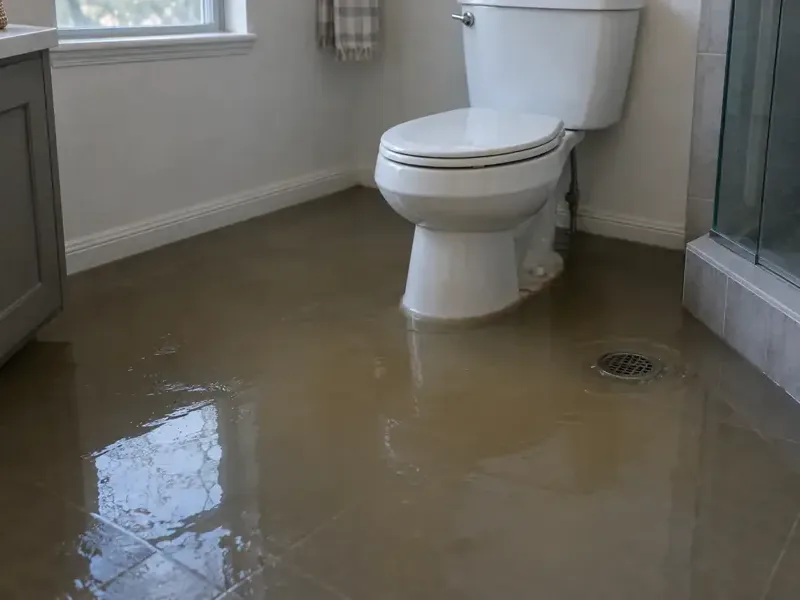
Sewage Backup Cleanup in Valrico
Contaminated water requires controlled removal and surface cleaning.
View service details ›Water Extraction and Removal questions in Valrico, FL
Can extraction begin while water is still coming inside?
The source and safe access need assessment before equipment is committed. Recovery may limit accumulation, but continued entry changes the plan and can undo progress. A supply shutoff, plumbing repair or changing outdoor conditions may be part of the solution. The estimate should explain how ongoing water is being handled alongside interior removal.
Does pumping finish the work on a wet floor?
Pumping addresses accessible liquid. Floor coverings, backing and underlying layers can remain wet after the puddle disappears. Inspection and moisture readings determine whether those layers need drying, cleaning or removal. A floor that looks clear should not automatically be covered with new finish material before its remaining condition has been checked and documented.
What should be reported about outdoor flooding?
Describe whether an entrance is blocked, water is still touching the building and access to the affected rooms is safe. The Feather Rock flooding after Hurricane Milton involved downstream drainage constraints, making those questions particularly useful. Current conditions at the property determine equipment access and discharge planning rather than a general description of the neighborhood.
Is all extracted water handled in the same way?
No. Water from a fresh supply spill, outside flooding and a drain backup can require different controls. The assessment considers the source, materials contacted and opportunities for contamination to spread. A suitable recovery and disposal approach should be established before equipment moves dirty water through occupied portions of the property or across unaffected surfaces.
Can furniture stay in the room during extraction?
Some items may remain if they do not obstruct safe access and can be protected appropriately. Soaked contents or pieces covering affected floor areas may need relocation. The work plan should identify where those items will go and how clean belongings will stay separate. Moving everything indiscriminately can spread water and make documentation harder.
What if the visible water is confined to one doorway?
The doorway may be a low point rather than the source. Inspection should follow the path into adjoining rooms and check beneath nearby finishes. Water can collect at a threshold after traveling out of a wall or from another space. Treating only the visible pool can leave the actual wet assembly outside the cleanup scope.
Which details should appear on an extraction estimate?
Look for the affected areas, access assumptions, contents handling and the separation between pumping and later drying. Cleaning or selective removal should be described when required by water condition. The written scope should also identify outstanding source repairs, allowing the owner to understand what extraction accomplishes and what must happen after the standing water is gone.
Give standing water a clear recovery path
A focused assessment connects water removal with the wet materials that still need attention afterward.
(888) 621-2041Arrange a removal assessment